10 Beautiful Places That Exist Because Something Was Destroyed First

These landscapes are breathtaking now, but their past is full of scars.

©Image license via Canva

Some of the world’s most stunning places didn’t start out serene—they began with chaos, destruction, or loss. The kind of transformation that makes you stop and wonder how beauty ever bloomed there at all. These aren’t just pretty vacation spots. They’re places where nature, history, and time worked overtime to heal something that was once broken, buried, or burned.

What looks like paradise now might’ve been the site of a deadly eruption, a collapsed city, or a man-made disaster. And that’s what makes them feel different. They carry memory in their soil. You can feel the tension—between what was and what came after. These places don’t just remind us of what can be rebuilt. They show how beauty isn’t the absence of damage. It’s what rises in its wake. Sometimes, the most unforgettable views only exist because something else was lost first.

Read more

13 Strange Truths About Our Planet That Sound Totally Made Up (But Aren’t)

These bizarre facts will make you question everything you thought you knew about Earth.

©Image license via Canva

You’ve been living on Earth your whole life, but you barely know it. You might think you’ve got the basics down—oceans, mountains, a spinning globe in space—but the truth is, this planet is packing secrets that sound more like sci-fi than science. The kind of stuff that makes you stop mid-scroll and go, “Wait, that’s real?” It’s easy to assume we’ve already uncovered all the Earth’s mysteries, but nope. Some facts are so bizarre they feel like a prank from nature itself. And once you hear them, you’ll never look at the ground beneath your feet—or the sky above you—the same way again.

So much of what we think we know is just scratching the surface, and the deeper you go, the weirder it gets. You’re in for a wild ride through the unexpected, the unbelievable, and the downright strange—and every last bit of it is true.

Read more

Think the Covid Lockdowns Helped the Planet? These 10 Facts Say Otherwise

You stayed home, but the climate crisis kept charging forward.

©Image license via iStock

You probably thought Earth finally caught a break. Planes were grounded, roads were empty, factories slowed to a crawl—and for a moment, it felt like the planet could finally breathe. Photos of crystal-clear canals and smog-free city skylines made the rounds, and it seemed like something good might come out of all that stillness. You weren’t the only one hoping that nature was quietly healing while the world hit pause. But that feel-good narrative you bought into? It left out some seriously inconvenient truths. Because behind the headlines and pretty pictures, deeper problems were quietly compounding.

The systems that drive pollution and climate breakdown didn’t stop—they just adapted. You might’ve felt like your absence from the world helped it, but what happened behind the scenes paints a totally different picture. Turns out, pressing pause isn’t the same as hitting rewind. If you’re still clinging to the idea that lockdowns gave the environment a boost, it’s time for a closer look.

Read more

Think the Climate Situation Is Bad? These 11 Reasons Say It’s Catastrophic

You might be recycling, but the planet is still barreling toward disaster.

©Image license via Canva

You probably already know things are bad—but what if they’re way worse than you think? Like, catastrophically worse. The kind of worse that makes you want to sit down, put your head in your hands, and question every “it’ll be fine” headline you’ve ever scrolled past. It’s easy to numb out, especially when the bad news never stops coming. But ignoring what’s really happening only makes the future scarier.

You deserve to know the truth, even when it’s ugly. And it’s not about doom for doom’s sake—it’s about facing reality with your eyes open. Once you get clear on how deep the crisis really goes, you stop falling for sugar-coated soundbites and start thinking critically. Climate change isn’t some abstract issue or distant threat. It’s here. It’s massive. And if you care about life as you know it—even just a little—you need to understand what’s really going on.

Read more

10 Scientific Shifts Happening in the Atmosphere That Will Change Life on Earth Forever

The air around us is transforming—and so is our future.

©Image license via Canva

Most of what’s changing in the atmosphere isn’t visible. You can’t see methane gathering or ozone shifting. You won’t feel an uptick in water vapor as it happens. But the air is no longer what it was—and these invisible shifts are already reshaping life below. As greenhouse gases accumulate and atmospheric chemistry evolves, everything from weather to agriculture to human health is being pushed into unfamiliar territory.

These aren’t distant forecasts. They’re active transformations happening now, tracked in satellite data and temperature trends, unfolding whether we look up or not. The atmosphere is Earth’s protective layer, its heat regulator, its oxygen distributor. And right now, it’s being destabilized in ways we’ve never seen before in human history. These first five shifts reveal just how much the sky is changing—and how deeply those changes will impact life on the ground.

Read more

11 Dirty Lies Fossil Fuel Lobbyists Have Been Spinning for Decades

Here’s how fossil fuel giants manipulated the truth to protect profits.

©Image license via iStock

They’ve been lying to you—and making billions while they do it. You’ve probably heard the polished ads and smooth-talking spokespeople promising a cleaner future, all while clinging to the same dirty business. It’s no accident that so many people still think fossil fuels are safe, necessary, or somehow eco-friendly. That kind of thinking doesn’t just happen—it’s carefully crafted and spoon-fed to you by powerful lobbyists with deep pockets and zero shame. These aren’t harmless misunderstandings or innocent PR spins.

They’re calculated deceptions designed to delay progress and protect profits, even if it means wrecking the planet for future generations. You’ve been targeted with misinformation for decades, and it’s time to start calling it out. If you’ve ever felt unsure about what’s really going on behind those oil company smiles, you’re not alone. You’ve been misled—and the truth is more disturbing than you probably realize. Let’s set the record straight.

Read more

We Thought Earth’s Core Was Stable—But These 10 Discoveries Say Otherwise

The ground beneath us is shifting in ways we never predicted.

©Image license via Canva

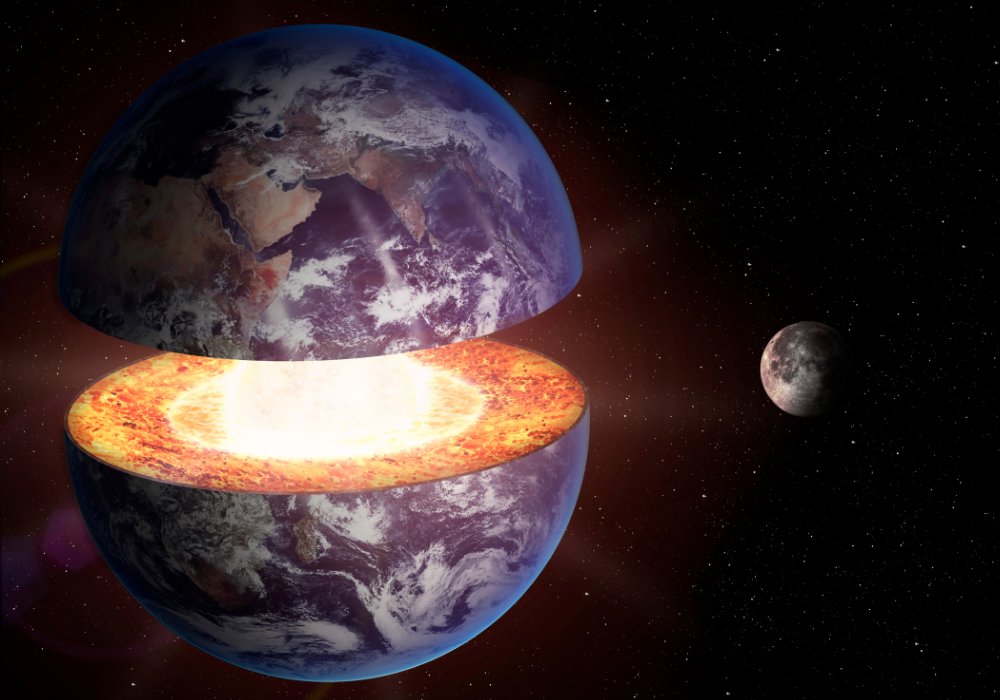
For most of human history, the Earth’s core was treated like background noise—important, sure, but steady. Solid. Predictable. It was the part of the planet we couldn’t touch or see, so we assumed it was unchanging. But that assumption is starting to crack. Scientists are uncovering signs that the core isn’t as calm or consistent as we thought. In fact, it might be changing faster than anyone expected.

These shifts aren’t just deep-earth trivia. What happens thousands of miles below the surface can affect magnetic fields, tectonic behavior, even the planet’s rotation. New seismic readings, magnetic anomalies, and heat flow measurements are challenging long-held theories about the core’s structure and stability. And while we’re just beginning to understand what’s happening, one thing is clear: the ground beneath us isn’t as solid as it used to feel.

Read more

11 Brutal Reasons Neanderthals Died Out—And Why Modern Humans Should Be Nervous

History shows how fast a dominant species can disappear—and we’re not immune.

©Image license via Canva

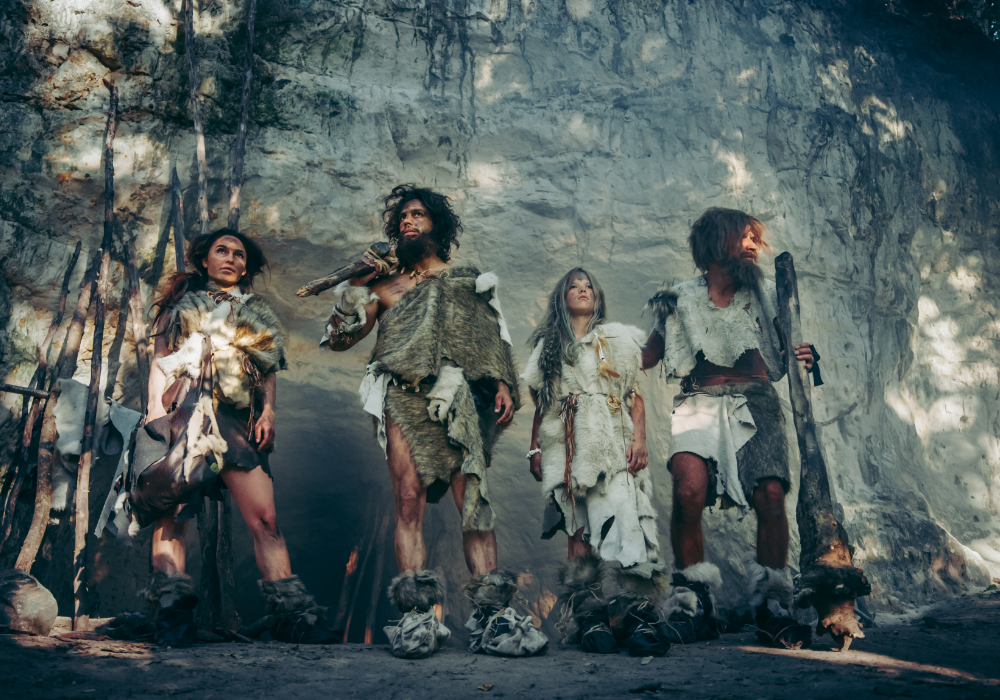
Neanderthals were tough. They survived ice ages, hunted massive animals, and adapted to brutal environments—but they still disappeared. That alone should make us a little uneasy. These weren’t some slow, bumbling cavemen. They had tools, culture, and brains almost as big as ours. Yet something—or more likely, a bunch of somethings—pushed them off the edge while our ancestors kept going. It’s easy to think we’re invincible just because we’ve got smartphones and space stations, but history doesn’t care how advanced we feel.

When you look at how Neanderthals vanished, it starts to raise some uncomfortable questions about where we’re headed. Because a lot of the stuff that contributed to their downfall? It’s not as far removed from modern life as we’d like to think. Extinction doesn’t always come with a bang—it can creep in quietly, generation by generation. The story of the Neanderthals isn’t ancient history. It might be a warning.

Read more