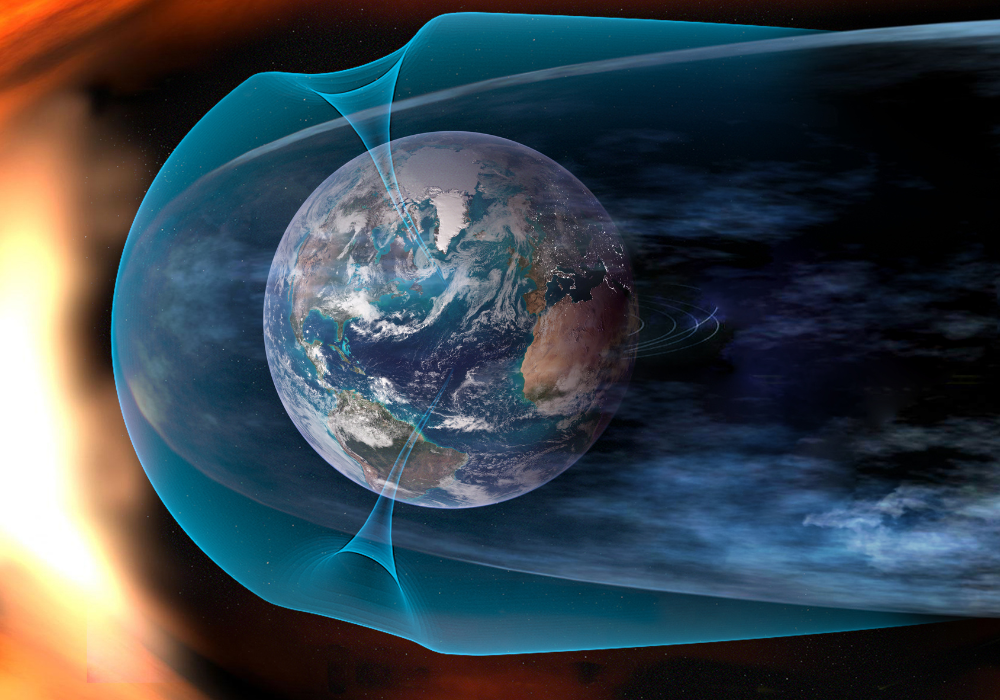
11 Times Earth’s Magnetic Field Went Haywire—and Life Changed Forever

When Earth’s internal compass failed, nature, climate, and civilizations felt the impact.
©Image license via Canva

The Earth’s magnetic field isn’t as steady as you might think. Though it usually protects us from harmful cosmic radiation and solar storms, history reveals it can sometimes flip, fade, or falter—throwing the planet into periods of upheaval. These geomagnetic shifts are more than scientific curiosities; they’re deeply tied to major disruptions in Earth’s climate, ecosystems, and even human history.

Sometimes, the field weakens so much that the shield around our planet grows dangerously thin. Other times, the magnetic poles completely reverse, flipping north and south. While we usually measure history by wars and empires, the real story may be hidden beneath our feet—in the churning core that generates this invisible but powerful force. These magnetic meltdowns show just how profoundly Earth’s internal compass has shaped life on the surface.

Read more

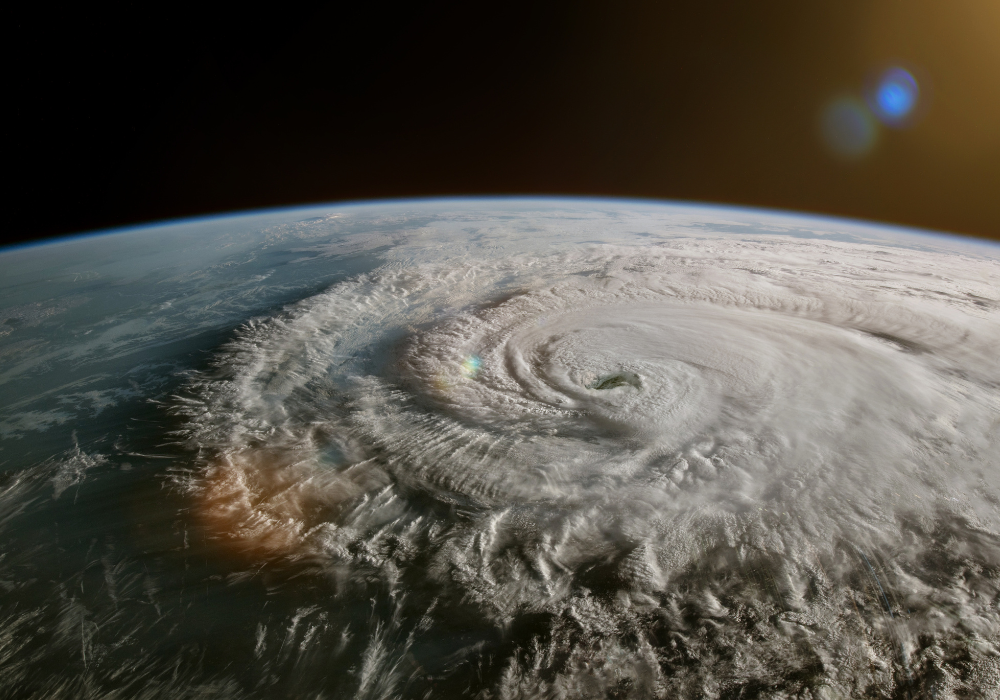
The Next ‘Storm of the Century’ Is Brewing—It Could Be Worse Than Ever

Rising ocean temps and atmospheric chaos are fueling storms we may no longer be able to predict—or survive.

©Image license via Canva

A storm is forming that scientists warn may surpass anything seen in modern U.S. weather history. With climate change intensifying atmospheric dynamics, events once deemed rare—”hundred‑year storms”—are unfolding multiple times per decade. NOAA and climate experts predict an above-average Atlantic hurricane season in 2025, while western states face increasing risks from amplified atmospheric rivers capable of dumping catastrophic rainfall.

These supercharged storms, fueled by warmer sea surface temperatures and increased moisture in the air, threaten to shatter infrastructure, flood cities, and overwhelm emergency systems. As history rewrites what counts as extreme, preparedness systems may lag behind the new normal. This series of escalating dangers could unleash a summary-level “storm of the century”—only this time, it may come with far greater ruin.

Read more

40-Million-Year Shock: Fossil Footprints Rewrite Human History

This footprint find may change everything we thought we knew about humans.

©Image license via Canva

Back in 2021, a pair of amateur fossil hunters were scouring the banks of Broken River in Australia’s Victoria state when they stumbled upon something extraordinary—a set of clawed footprints fossilized in ancient rock. What they found would later send shockwaves through the scientific community. Analysis revealed the tracks dated back to the Carboniferous period—over 350 million years ago—suggesting land-walking creatures emerged 40 million years earlier than previously believed.

Though not left by humans, these prints challenge long-held assumptions about when upright locomotion began. The find forces scientists to rethink evolutionary timelines and opens the door to forgotten chapters in Earth’s deep past.

Read more

12 Bizarre Solar System Events That Left Scientists Speechless

If you think the solar system is predictable, these jaw-dropping events will prove you wrong.

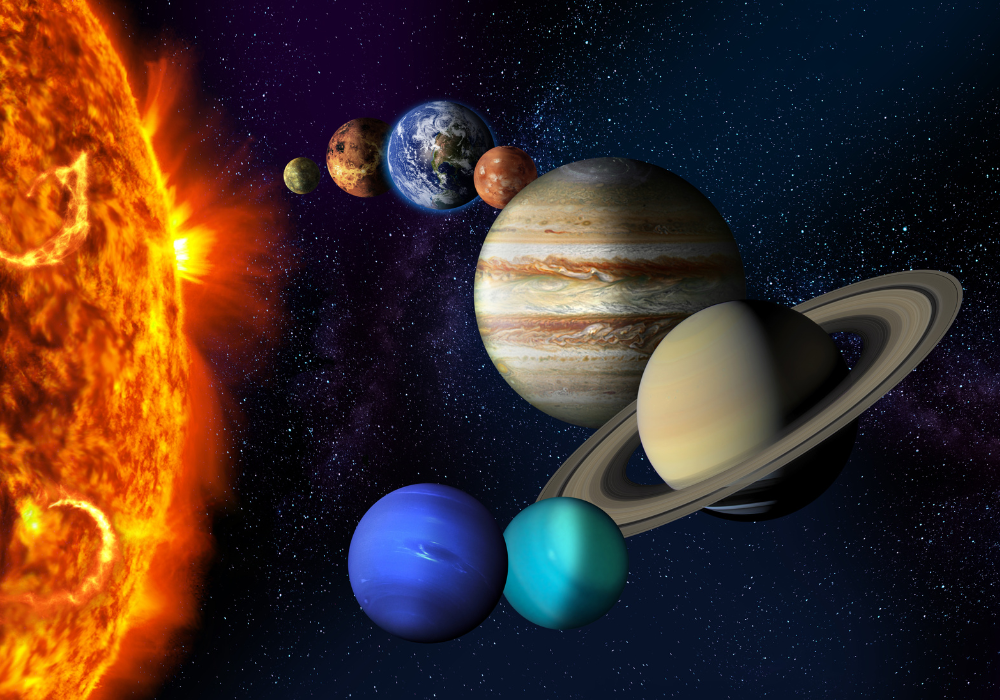
Sun and solar system. ©Image license via Canva

Space is weird—and sometimes, it’s downright jaw-dropping. Over the years, our solar system has pulled off some truly bizarre stunts that left scientists stunned, scrambling for answers, or completely rethinking what they thought they knew. We’re not just talking about strange orbits or odd craters. We’re talking about massive explosions, vanishing atmospheres, and planetary behavior so wild it sounds made up.

These aren’t science fiction—they’re real events observed by actual space missions and telescopes. Some still have no clear explanation. If you thought our little corner of the galaxy was calm and predictable, think again. The solar system is full of surprises—and these twelve moments prove that the cosmos is far stranger than anyone ever expected.

Read more

By 2040, These 10 Daily Habits May Be Impossible Due to Extreme Heat

Scorching temperatures could wipe out these everyday routines faster than you think.

©Image license via Shutterstock

Think your daily routine is safe from climate change? You might want to think again—extreme heat is creeping into every corner of our lives, and by 2040, it could make some basic habits nearly impossible. We’re not just talking about beach days getting hotter. We’re talking about everyday things—like walking your dog or running errands—that could become risky or even life-threatening.

It’s easy to assume we’ll just adapt, but heat isn’t a minor inconvenience. It pushes our bodies, infrastructure, and systems to their limits. And the scariest part? These changes are already happening in some parts of the world. If you’re not paying attention to how heat is reshaping life, you might be caught off guard when the thermostat won’t budge.

Read more

Would You Know What to Do in a Flash Flood? These 11 Survival Tips Could Save Your Life

These tips aren’t just smart—they’re what experts say could keep you alive when the water hits.

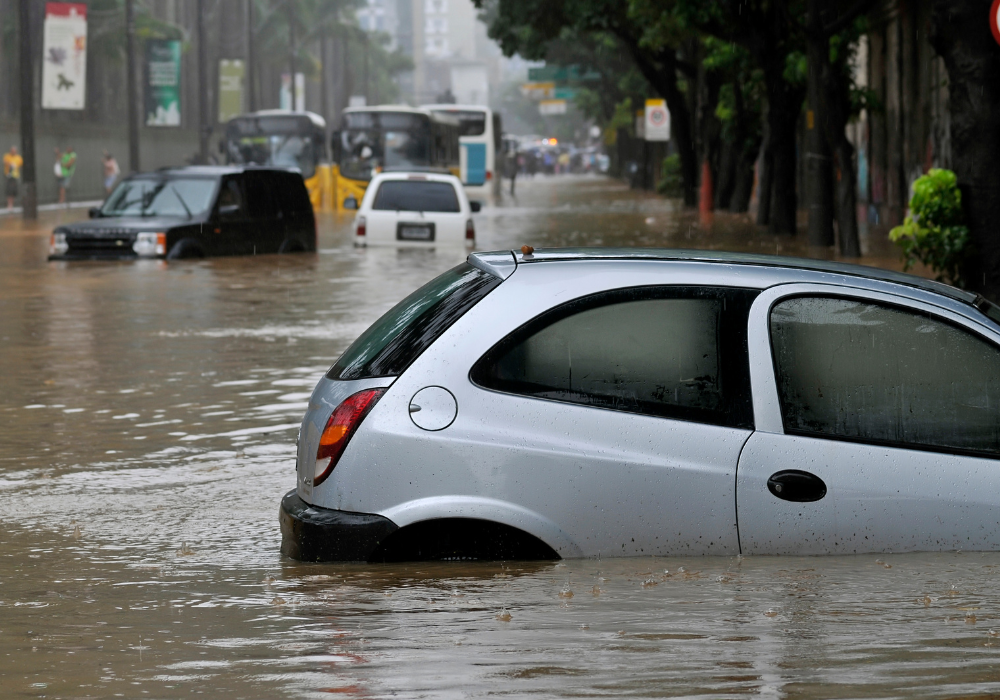
Cars in flash flood. ©Image license via Canva

Flash floods don’t give you a warning. One minute you’re walking or driving through familiar streets—the next, water’s surging in like a freight train. It doesn’t take hours to build; it takes minutes. And the scariest part? Most people freeze or make a wrong move because they’ve never thought about what to do before it happens. You don’t need to be a survivalist or carry emergency gear everywhere. But you do need a game plan that kicks in when seconds matter.

Knowing where to go, what to avoid, and how to keep your cool can mean the difference between life and tragedy. These survival tips aren’t dramatic—they’re practical, memorable, and possibly lifesaving. Because once that water starts rising, the only thing you’ll have time for is what you already know.

Read more

You’ll Never Guess These 10 Surprising Drivers of Climate Change

These climate culprits are doing more damage than you ever imagined.

©Image license via iStock

You’re probably fueling climate change without even knowing it. It’s not just oil rigs, smokestacks, or faraway industries melting the planet—some of the biggest culprits are way closer than you think. And no, this isn’t about guilt-tripping you into selling your car or giving up coffee. It’s about pulling back the curtain on things you never realized were part of the problem. You think you’ve got a handle on what’s heating things up, but some of the real drivers are hiding in plain sight, baked into everyday life.

That’s what makes it so tricky. You’re doing your best—recycling, maybe cutting back on meat, using a reusable bottle—and still, there’s a good chance something you rely on is quietly adding fuel to the climate fire. The truth is, a lot of damage happens long before the consumer even shows up. Once you understand how these systems work and where the impact actually comes from, you’ll never look at them the same way again. It’s not about panic—it’s about awareness. Because once you know, you can start making smarter choices that actually move the needle.

Read more

Are We the Arsonists? 11 Ways Human Behavior Is Igniting Catastrophic Fires

What you do every day could be sparking the next devastating blaze.

©Image license via iStock

You might be lighting the match and not even know it. No, really—it’s not just the firebugs or freak accidents anymore. The way things are going, it’s easy to forget that our everyday choices could be fanning the flames—literally. You probably don’t wake up thinking, “How can I help fuel the next major disaster today?” But that’s kind of the point. The scariest part isn’t some arsonist hiding in the woods—it’s how normal, everyday behavior can quietly stack the odds against us until something sparks and everything goes up in smoke.

You hear about these out-of-control blazes, see the footage, and think, That’s awful… but what does it have to do with me? More than you think. You don’t need to be holding a lighter to be part of the problem. And once you realize just how many small, human-made triggers are hiding in plain sight, it’s hard to unsee them. So if you’re ready for a little self-check (and maybe a reality check), you’re in the right place. It’s uncomfortable, sure—but so is losing everything to a fire that didn’t have to happen.

Read more

Why Storms Feel Scarier Now—10 Climate Trends Behind the Surge

Nature’s warning signs are louder now, and they’re not letting up.

©Image license via iStock

Storms used to be background events—loud, maybe inconvenient, but not terrifying. Now they feel personal. A siren that once signaled a passing threat feels like the beginning of a long, uncertain night. Rain sounds different when you know it could flood your street. Thunder rattles more than windows—it shakes whatever sense of safety you thought still applied.

This isn’t just perception. Storms really are changing. They’re bigger, faster, wetter, slower, colder, hotter—depending on what kind of system you’re facing. Climate change doesn’t just turn the temperature up a few degrees; it rewires the systems that once kept weather in balance. We’re no longer dealing with freak events—we’re adjusting to a new normal that’s still shifting. And while the forecasts try to keep up, communities on the ground are the ones absorbing the fallout.

Read more

Heatwaves Will Explode in the U.S. by 2030—11 Ways They Will Become Deadlier

The power grid won’t save you when the next heatwave hits—and that’s just the beginning.

©Image license via iStock

You’re not imagining it—summer doesn’t just feel hotter. It’s turning hostile. You step outside and it hits you like a wall. Not just heat, but something more suffocating. The kind of thick, unrelenting blast that makes you question how long your body can take it. And it’s not easing up anytime soon. In fact, it’s getting worse—fast. We’re not just talking about discomfort or sweat-drenched afternoons. We’re talking about life-threatening temperatures turning once-normal days into potential medical emergencies.

By 2030, these waves of extreme heat aren’t going to be rare—they’ll be routine. That’s not alarmist talk. That’s what scientists, emergency planners, and even utility companies are quietly preparing for behind the scenes. And the scariest part? You might not even realize just how vulnerable you are until it’s too late.

Heat doesn’t scream through your windows like a hurricane. It sneaks in. It builds. And then it starts breaking things—your health, your environment, your systems for staying safe. You think you’ll be ready, but you won’t be. Not unless you understand just how deadly this invisible threat is about to become.

Read more