Scientists Discover CO₂’s Role in Climate Is More Complicated Than Expected

Climate studies reveal CO₂’s impact on global warming involves many factors scientists are still figuring out.

©Image license via Canva

For years, the story about carbon dioxide and global warming seemed pretty simple: pump more CO₂ into the air, and temperatures go up. But new research is showing that the real picture is way more complicated than anyone realized.

It turns out that CO₂ doesn’t just act like a thermostat that you can turn up or down. Instead, it interacts with oceans, clouds, plants, and natural weather patterns in ways that can speed up, slow down, or even temporarily reverse its warming effects.

A major study published in Nature Climate Change found that the same amount of CO₂ can cause very different temperature changes depending on where you are and what else is happening in the atmosphere. This doesn’t mean climate change isn’t happening—it just means predicting exactly what will happen next is much trickier than scientists first thought.
Read more

Scientists Now Warn These 9 U.S. States Could Run Out of Water by 2075

Severe drought, overuse, and climate change are pushing these states toward water crisis as demand far exceeds sustainable supply.

©Image license via Canva

Water scientists are sounding urgent alarms about a looming crisis that could reshape America’s landscape within the next 50 years. A combination of extreme drought, rising temperatures, and decades of overuse has pushed nine states to the brink of running out of reliable water supplies by 2075.

These aren’t remote desert regions—some of America’s most populated and economically important states are facing water shortages that could force millions of people to relocate and devastate agriculture that feeds much of the nation. The crisis is happening faster than experts predicted, with some reservoirs and aquifers already at critically low levels that haven’t been seen in centuries.

Read more

10 Extreme Weather Events That Changed The World Forever

From volcanic winters to deadly hurricanes, these extreme weather disasters killed millions and reshaped entire civilizations.

©Image license via Canva

Dr. Brian Fagan from UC Santa Barbara has spent decades studying how extreme weather shaped human history, and his research reveals something most people never consider: some of the most pivotal moments in civilization were actually driven by weather disasters.

These weren’t just bad storms that people recovered from — they were climate catastrophes that ended civilizations, triggered mass migrations, and changed the course of human development forever.

Throughout history, there have been weather events so extreme and devastating that they literally altered the trajectory of entire societies, toppled empires, and reshaped the world map. The scary part is that climate change is now creating conditions for similar catastrophic weather events that could reshape our modern world just as dramatically.

Read more

The Climate Solution Hiding Right Under Our Noses

Ocean wave energy could power the entire planet 24/7 — and we’re finally ready to harness it at massive scale.

©Image license via Canva

We’ve all heard the promises about renewable energy. Solar panels, wind turbines, electric cars — they’re everywhere. But what if I told you there’s been a massive clean energy source right in front of us this whole time, and we’re just now figuring out how to use it properly?

I’m talking about ocean waves. Every single day, waves crash against coastlines around the world with incredible force. That’s raw energy going to waste. According to marine energy researchers at Pacific Northwest National Laboratory, wave power holds enormous potential for America’s energy future. The technology is finally catching up to the opportunity, and the results could change everything.

Read more

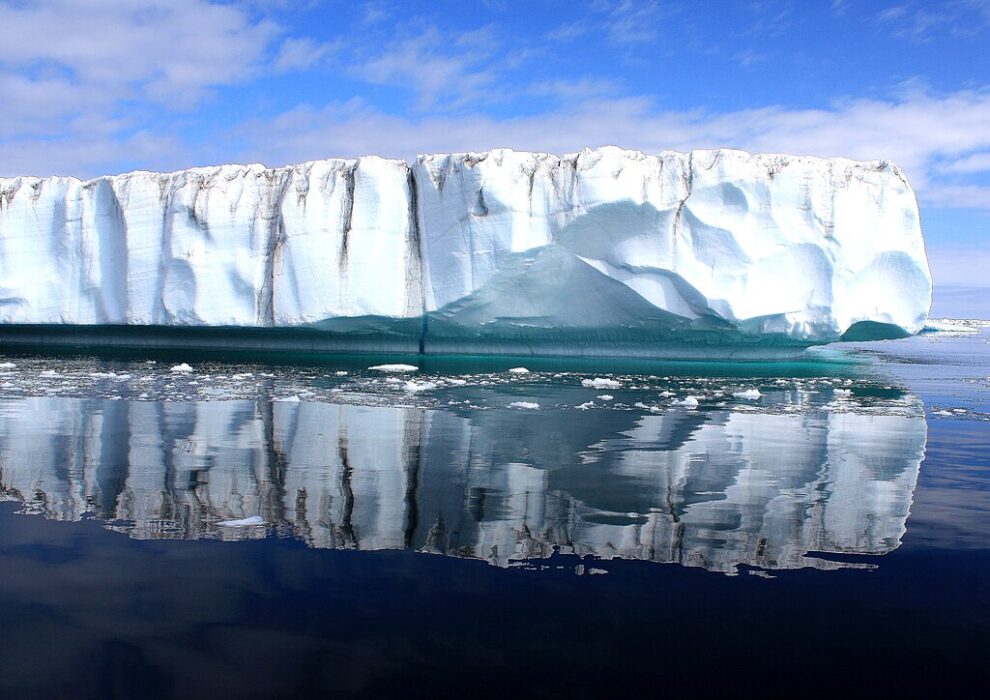
What Scientists Are Finding Trapped in Greenland’s Ancient Ice Will Change How We See Our Planet

New research reveals alarming climate discoveries frozen in Greenland’s ice sheet that could change everything we know.

©Image license via Wikimedia Commons

We’ve all seen the scary headlines about melting ice caps, but what scientists are actually finding inside Greenland’s ancient ice is far more alarming than anyone expected. For decades, researchers have been drilling deep into Greenland’s massive ice sheet, extracting cores that contain thousands of years of climate history.

What they’re discovering isn’t just data about the past — it’s a terrifying preview of what’s coming. According to glaciologists at the National Science Foundation, these ice cores are revealing climate changes happening faster and more dramatically than any computer model predicted.

Read more

10 Jaw-Dropping Ways 2050 Will Be Completely Unrecognizable

Climate change, technology, and social shifts will transform daily life in ways most people can’t imagine.

©Image license via Canva

Twenty-five years might not sound like much, but the pace of change is accelerating so rapidly that 2050 will feel like stepping into a completely different world. We’re not talking about flying cars or robot butlers — we’re talking about fundamental shifts in how we live, work, and survive on this planet.

Climate change alone will reshape entire regions, while technology will transform everything from how we eat to how we think. Researchers at MIT’s Climate Portal say the changes coming by 2050 represent the most dramatic transformation human civilization has experienced since the Industrial Revolution. The world your kids inherit will be almost unrecognizable from what it is today.

Read more

The Planet’s Dying—and Some Experts Say Capitalism Is to Blame

From endless growth to corporate greed, this system may be pushing us toward climate collapse.

©Image license via Canva

Environmental historian John Bellamy Foster warns that capitalism’s addiction to growth is tearing the planet apart. He calls it a “grow-or-die imperative,” and it’s easy to see what he means. Companies are constantly expanding, extracting, and competing—leaving wrecked ecosystems and exhausted resources in their wake.

Pollution, rising temperatures, vanishing species—all symptoms of a system chasing profit at any cost. And the worst part? The people who benefit most aren’t the ones paying the price. If we want a livable future, we have to look honestly at how capitalism is driving this mess.

Read more

NASA Just Found Planets More Habitable Than Earth—Here’s What That Means

These newly discovered worlds could offer better conditions for life than our own planet.

©Image license via Canva

Earth may no longer be the gold standard. NASA’s latest discovery has turned conventional wisdom on its head by identifying planets that potentially surpass Earth in habitability. Geobiologist Professor Dirk Schulze‑Makuch, who helped pinpoint 24 top superhabitable planet candidates, says: “These worlds could offer conditions even more suitable for life than Earth has ever had.” That’s not hype—it’s based on deeper science.

These planets orbit long-lived stars, may carry more water, have protective atmospheres, and clock in at the optimal age for life to thrive. For the first time, Earth might have competition in being truly livable.

Read more

Discover 10 Cosmic Mysteries That Could Change How We Think About Climate

The surprising links between space, the universe, and Earth’s climate—cosmic discoveries could rewrite what we know about climate change.

©Image license via Canva

The universe holds secrets far beyond Earth’s atmosphere—mysteries that challenge what we know about climate and our planet’s future. Recent cosmic discoveries reveal surprising connections between space phenomena and Earth’s climate system.

From interstellar particles influencing weather patterns to orbiting satellites revolutionizing climate science, these cosmic mysteries invite us to rethink global warming and its cosmic context. Let’s dive deeper into the astonishing space phenomena that might reshape our understanding of climate change and inspire new solutions.

Read more

Could Fewer People Actually Save the Earth?

As birth rates fall across the globe, experts are rethinking what it means for the planet’s survival.

©Image license via Canva

We’ve spent decades sounding the alarm about overpopulation—but what happens when the world starts going the other direction? Birth rates are plummeting in dozens of countries, and some nations are already seeing shrinking populations. It’s triggering economic panic, but there’s another side to the story that’s getting less attention: the climate.

With fewer people comes lower demand for energy, food, housing, and transportation. Less consumption could mean less carbon. It raises a wild question—could population decline be an unexpected ally in the fight against climate change? The answer isn’t simple, but it’s more intriguing than most people realize.

Read more