New Orleans Faces a Flood Threat Worse Than Katrina—Here’s Why

Sinking land, rising seas, and aging levees create a perfect storm for catastrophic flooding.
©Image license via Canva

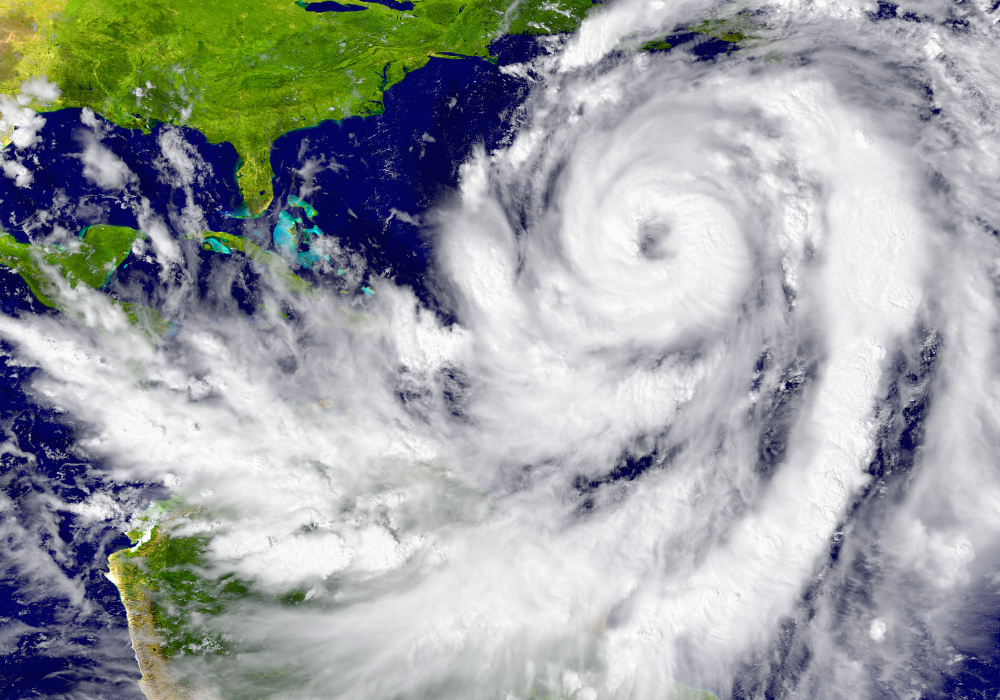
Twenty years after Hurricane Katrina, New Orleans should feel safer. The city spent $15 billion building bigger levees, stronger floodwalls, and better pumps. But new research reveals a disturbing truth: the very flood defenses meant to protect the city are sinking into the ground faster than anyone expected.

Some areas are losing nearly two inches of elevation every year, while sea levels keep rising. It’s like trying to build a sandcastle while the tide is coming in and the sand keeps washing away beneath your feet.

Scientists warn that this combination of sinking land and rising water could create flooding scenarios even worse than Katrina. The city that rebuilt itself to be stronger might actually be more vulnerable than ever before.
Read more

Space Junk Is Piling Up—Here’s How It Could Impact Life on Earth

Defunct satellites and orbital debris are creating risks for technology, space missions, and even daily life here on Earth.

©Image license via Wikimedia Commons

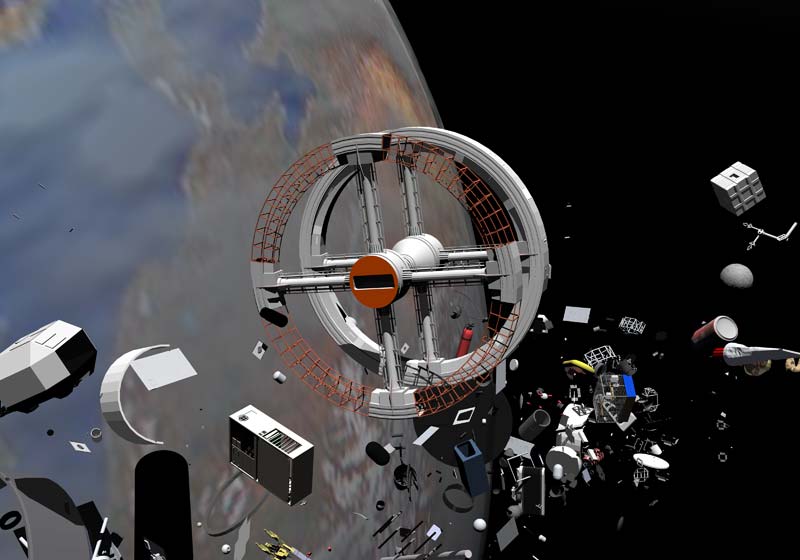
Space isn’t as empty as it looks. Orbiting above us is a growing cloud of dead satellites, broken rocket parts, and fragments from past collisions—collectively known as space junk. While it might seem far removed from daily life, this orbital clutter can disrupt communications, threaten astronauts, and even fall back to Earth.

According to NASA, there are more than 30,000 tracked pieces of debris and countless smaller ones that can still cause serious damage. From potential tech blackouts to fiery re-entries, here’s how space junk is creating ripple effects that reach far beyond the vacuum of space.

Read more

A Disturbing New Kind of Acid Rain Could Threaten Ecosystems, Experts Warn

A newly discovered form of acid rain could pose fresh risks to health, crops, and ecosystems, scientists caution.

©Image license via Canva

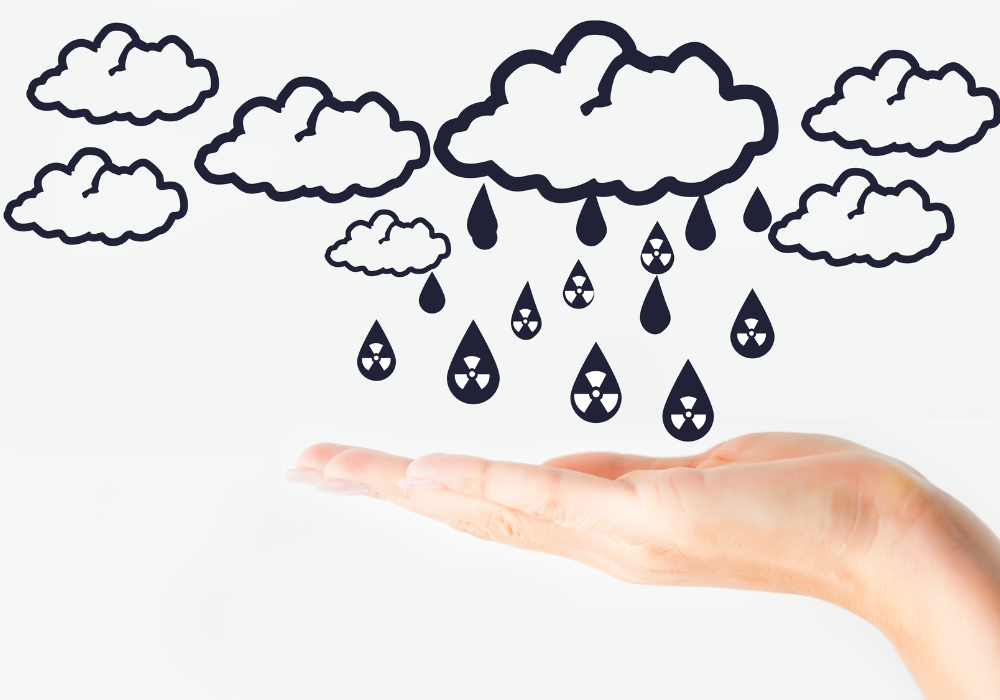
Scientists are warning about a brand-new form of acid rain—trifluoroacetic acid (TFA)—a tiny but persistent “forever chemical” that’s now turning up everywhere: in rainwater, groundwater, Arctic ice, wine, crops, and even human blood. A recent team of environmental researchers described this growing threat to Earth’s systems and human health.

Unlike classic acid rain—created from sulfur and nitrogen emissions—TFA sticks around, resisting cleanup and accumulating in ways scientists are only beginning to understand. Experts say if levels of TFA keep rising unchecked, it could strain ecosystems, impact public health, and challenge global efforts to keep our planet habitable.

Read more

10 Ominous Climate Signs We Weren’t Supposed to See This Soon

From melting ice shelves to record heat, these early climate warnings reveal a planet changing faster than predicted.

©Image license via Canva

The signs are getting harder to ignore. What once felt like distant warnings about the planet’s future are now showing up in real time, faster than anyone expected. You don’t have to be a scientist to notice the changes—hotter summers, strange weather swings, and seasons that don’t feel quite right.

It’s unsettling because it challenges the idea that we have decades to prepare. The pace is picking up, and with it comes a growing sense of urgency. Whether you follow climate news closely or not, the world outside your window is telling a story that’s impossible to overlook.

Read more

Relentless Heat Is America’s New Normal—And It’s Here to Stay

Scientists warn rising temperatures will fuel decades of extreme heat across the U.S., threatening health, infrastructure, and daily life.

©Image license via Canva

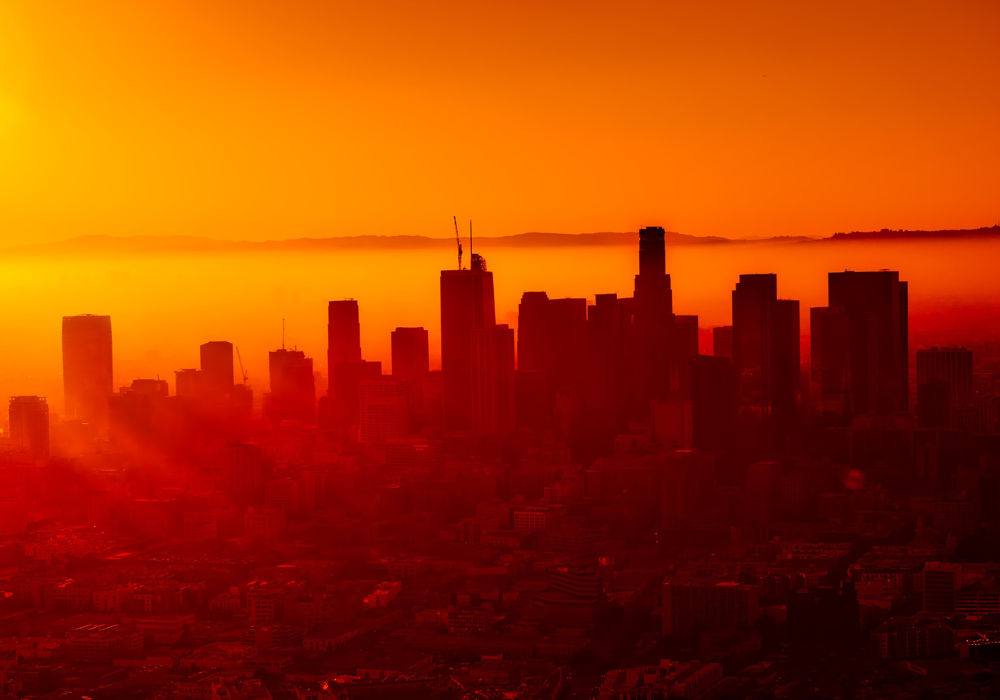
Relentless heat is becoming the United States’ new normal, with scientists warning it will grip the nation for decades. According to researchers at the National Oceanic and Atmospheric Administration, rising global temperatures are fueling longer, more intense heat waves that strain infrastructure, damage crops, and threaten public health. In some regions, the number of dangerously hot days has doubled compared to historical averages.

As communities adapt to this shifting climate reality, experts say preparation—both at the individual and government level—will be key to reducing risks. But even the most aggressive adaptation measures can’t fully eliminate the impacts already locked in.

Read more

The Surprising Climate Impact of Planetary Moons

Scientists reveal how moons shape weather patterns, ocean tides, and atmospheric conditions across the solar system.

©Image license via Canva

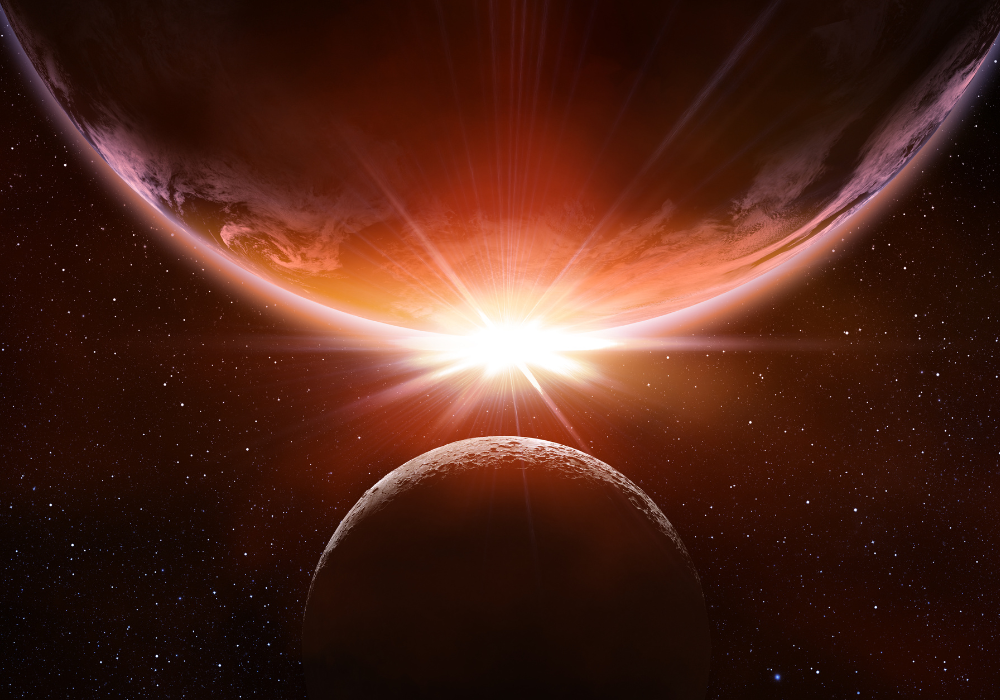
When you look up at the moon, you probably think of it as a pretty but fairly useless rock floating in space. Turns out, you couldn’t be more wrong. Scientists are discovering that moons are actually some of the most important climate controllers in the universe, quietly shaping weather and keeping planets livable in ways most people never imagine.

Our moon isn’t just creating those twice-daily tides at the beach. It’s literally holding Earth’s climate together and preventing us from experiencing the kind of catastrophic weather changes that would wipe out all life. And it’s not just Earth’s moon doing important work—moons throughout the solar system are creating weather, generating heat, and even making their own atmospheres.

Read more

Scientists Are Getting Closer to Finding Life on Distant Planets—Here’s How

New telescopes and detection methods are revealing potentially habitable worlds and chemical signatures of alien life.

©Image license via Wikimedia Commons

The search for life beyond Earth used to be pure science fiction, but it’s quickly becoming science fact. In just the past few years, scientists have discovered thousands of planets orbiting other stars, and they’re getting incredibly good at figuring out which ones might actually host life. We’re not talking about little green men or flying saucers—we’re talking about detecting the chemical fingerprints that living organisms leave behind in planetary atmospheres.

What makes this moment in history so exciting is that we finally have the technology to actually find answers to the biggest question humans have ever asked: Are we alone? Between revolutionary new telescopes and incredibly sensitive detection methods, scientists are closer than ever to discovering life on distant worlds.

Read more

Scientists Warn We’re Heading for Earth’s Next Mass Extinction—And It’s Happening Fast

Experts reveal how climate change and human activity are driving species loss at rates not seen since the dinosaurs died out.

©Image license via Canva

Earth has experienced five major mass extinctions throughout its history, each wiping out most life on the planet and reshaping evolution for millions of years afterward. Scientists now warn that we’re entering a sixth mass extinction event, but this time humans are the cause. Species are disappearing at rates hundreds or thousands of times faster than natural background extinction rates, and the pace is accelerating as climate change intensifies.

Unlike previous mass extinctions caused by asteroids or massive volcanic eruptions, this extinction crisis is happening because of human activities like habitat destruction, pollution, and greenhouse gas emissions. The difference is that we can still do something about it, but the window for action is closing rapidly as ecosystems worldwide show signs of collapse.

Read more

Could a Massive Tsunami Hit America? Scientists Say the Threat Is Real

Experts reveal which U.S. coastlines face the highest risk and what warning signs to watch for.

©Image license via Canva

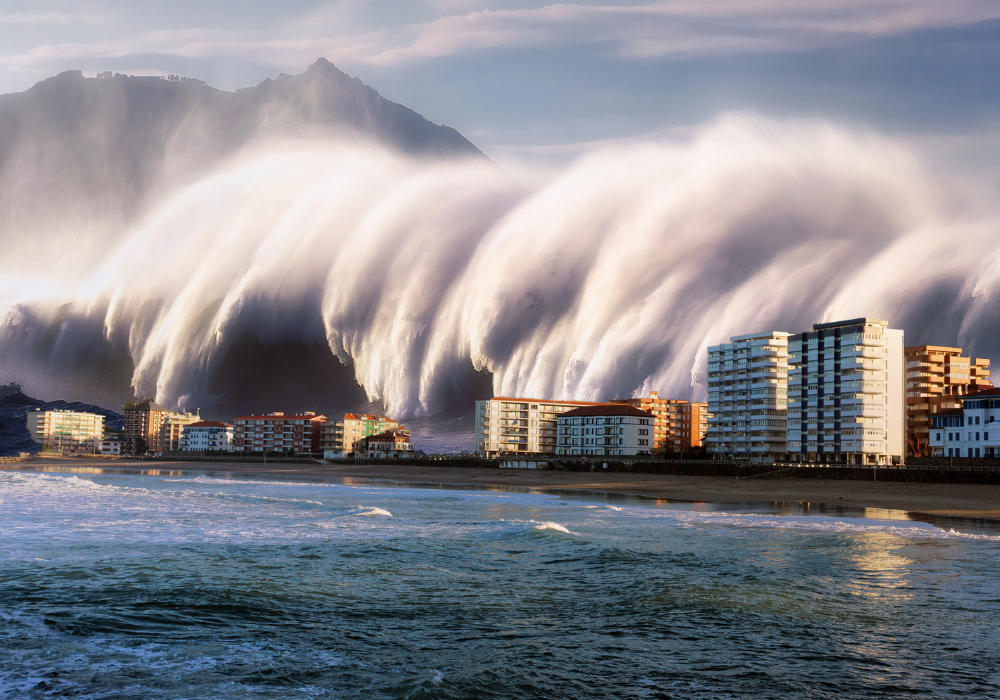
Tsunamis represent one of nature’s most powerful and destructive forces, capable of generating waves that travel across entire ocean basins at jet-like speeds. These massive water walls form when underwater earthquakes, landslides, or volcanic eruptions suddenly displace enormous volumes of seawater. While many Americans associate tsunamis primarily with distant events in Japan or Indonesia, scientists have identified significant tsunami risks along multiple U.S. coastlines.

The geological conditions that create tsunamis exist in waters surrounding American shores, from active fault systems off the Pacific Coast to potential landslide zones in the Atlantic. Understanding these risks helps coastal communities prepare for scenarios that could unfold with little warning, potentially affecting millions of people living in vulnerable areas along thousands of miles of American coastline.

Read more

How One Common Plant Is Turning Entire Neighborhoods Into Fire Traps

Non-native grasses spreading across neighborhoods burn faster and hotter, turning communities into wildfire danger zones.

©Image license via Canva

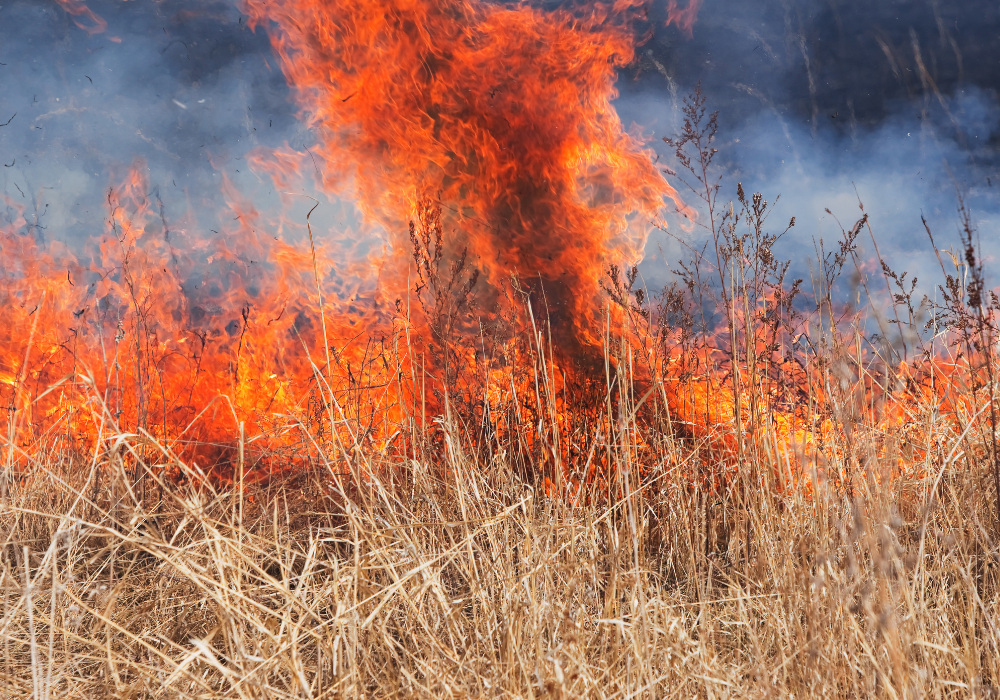
You see it everywhere — growing along roadsides, filling empty lots, and creeping into suburban neighborhoods. It looks harmless enough, just another type of grass swaying in the breeze. But this innocent-looking plant is actually turning communities across America into wildfire tinderboxes. What makes this situation so dangerous is that most people have no idea they’re living next to a fire hazard.

Dr. Bethany Bradley, a landscape ecologist at University of Massachusetts Amherst who studies invasive species, has watched these grasses transform entire regions into high-risk fire zones over the past two decades. The plant everyone ignores could be the reason the next wildfire spreads faster and burns hotter than anyone expects.

Read more