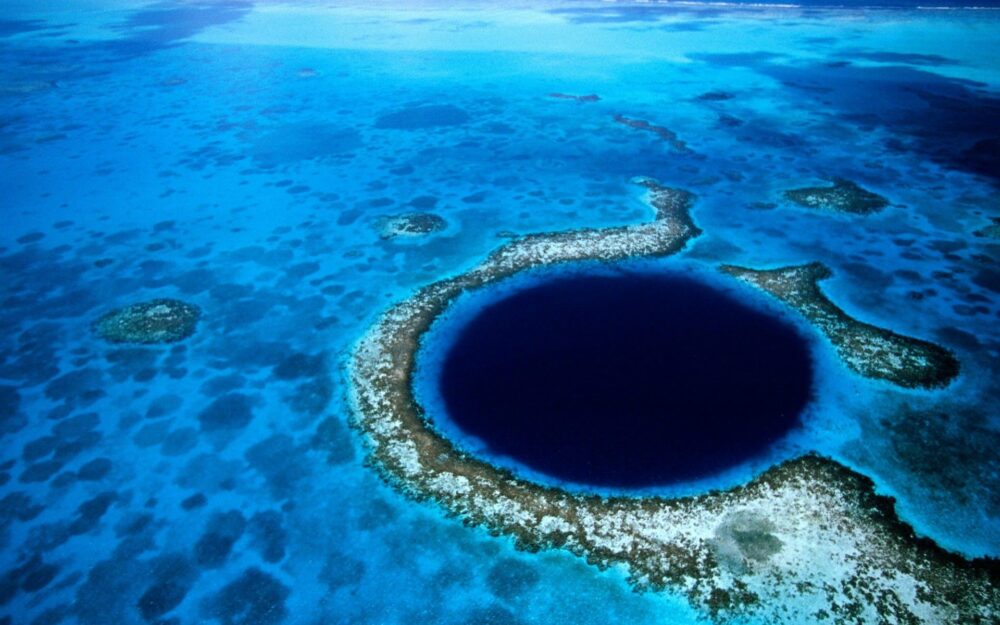
The Ocean’s Darkest Mysteries—12 Things Found in Giant Blue Holes

Mysterious blue holes expose hidden ecosystems and untold stories of our planet’s history.
©Image license via Flickr

Blue holes are extraordinary underwater sinkholes formed through geological processes over millennia. These deep caverns host unique ecosystems and preserve valuable scientific data about Earth’s past. Marine explorers have uncovered remarkable discoveries within blue holes, ranging from rare species adaptations to fossil records and ancient atmospheric clues. Understanding these formations provides vital knowledge about marine biodiversity, climate history, and geological changes below the ocean’s surface.
Read more

66 UFO Sightings Spark Buzz in New York—What’s Really Happening Above Us?

From mysterious lights to unexplained aircraft, the Empire State becomes a hotbed of aerial anomalies.

©Image license via Canva

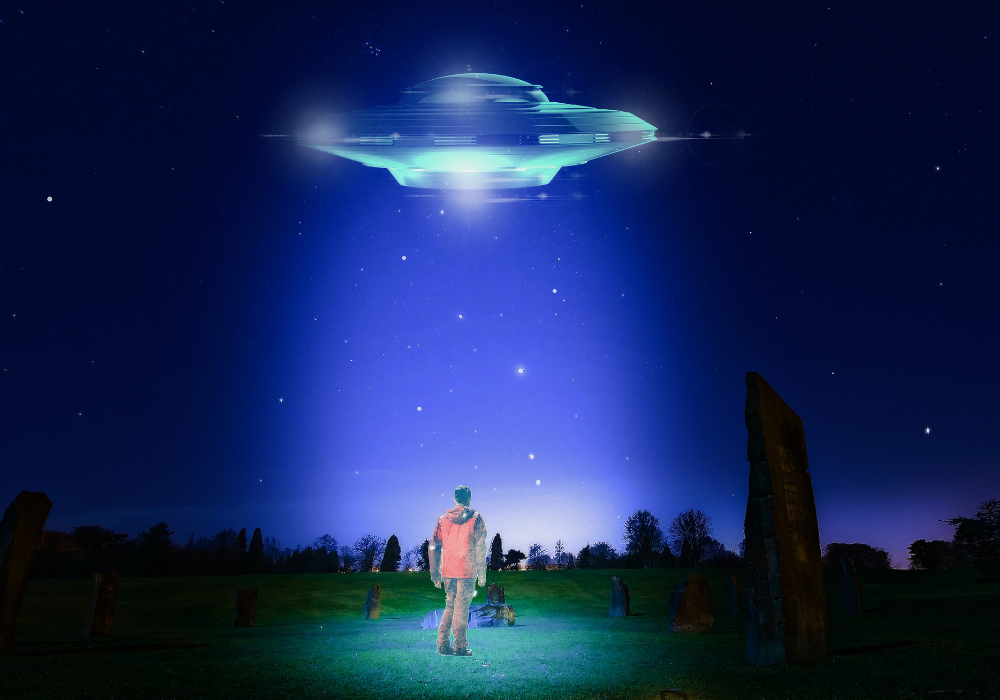
Look up at the New York sky lately? You might want to start. A stunning wave of 66 UFO sightings has swept across the Empire State, from the bustling streets of Manhattan to quiet upstate towns. Witnesses are reporting everything from glowing orbs to silent triangular craft defying physics. What’s behind this unprecedented surge in unexplained aerial activity?

Read more

The Silent Killer Below the Waves—The Hidden Power of Internal Tsunamis

They rise in silence, move in secret, and unleash power few realize even exists.

©Image license via Canva

Most of the dangers we fear from the ocean happen right on the surface—towering waves, violent storms, and raging tides. But deep below, something far stranger is at work. Invisible to the eye, yet powerful enough to shape coastlines and stir the seas, these hidden forces move silently in the dark. Scientists say they may be some of the ocean’s most overlooked and mysterious phenomena.

Read more

What Scotland’s Drowned Stone Circles Reveal About Ice-Age Migration

Scotland’s submerged stone circles reveal key evidence of ancient human migration during the Ice Age.

©Image license via Canva

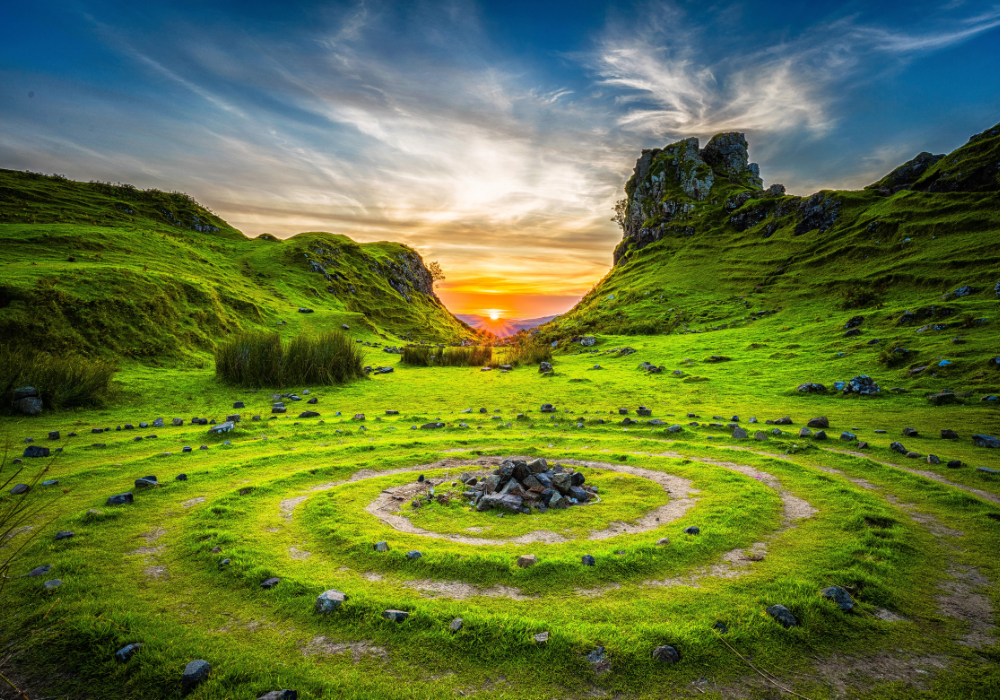
Scotland’s drowned stone circles offer a unique window into Ice-Age human migration, revealing how early communities adapted to dramatic environmental changes. These underwater archaeological sites preserve traces of prehistoric settlements obscured by rising sea levels. Analysis from institutions like the British Museum and National Museums Scotland shows these structures marked strategic locations and migration routes, illuminating the social and environmental dynamics of ancient Scotland during the Ice Age.

Read more

11 Cities Where Hail Is Bigger and Costlier

Discover the top cities where large hailstorms cause major damage and hefty repair bills.

©Image license via Canva

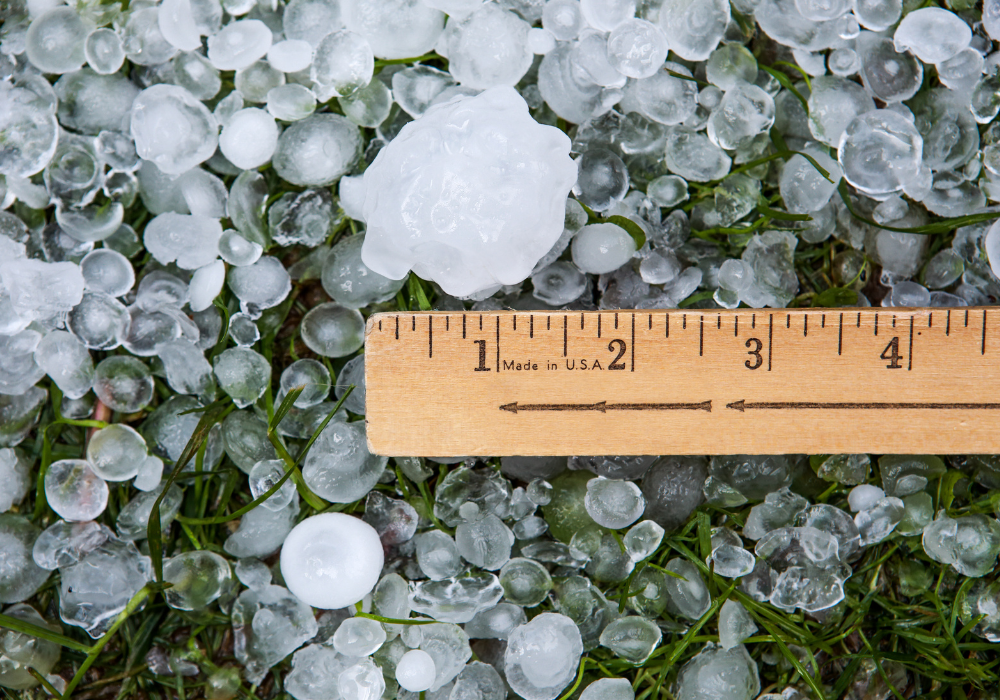
Hailstorms can vary greatly across different regions, sometimes causing extensive damage in certain cities. Understanding which urban areas face the heaviest hail and the resulting financial impact helps highlight the importance of preparedness. These cities often deal with frequent severe hail events that damage vehicles, homes, and infrastructure, driving up insurance claims and repair costs. Recognizing local hail patterns can aid in anticipating and mitigating risks effectively.

Read more

Pompeii Didn’t Stay Dead—Archaeologists Say Survivors Moved Back Into the Ash-Covered City

New digs reveal ovens, wells, and rough shelters—signs of a scrappy second life amid the ruins.

©Image license via Canva

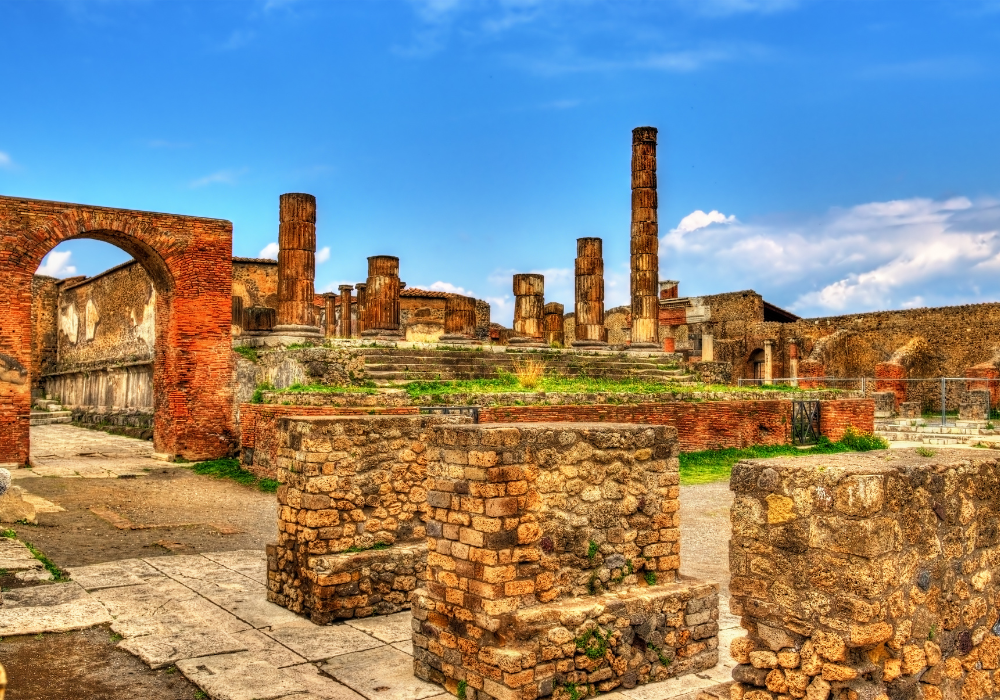
When Vesuvius erupted in AD 79, Pompeii looked frozen in time. For decades, that’s where the story seemed to end. Fresh research now paints a different picture: people filtered back, scavenged what they could, and carved out a precarious existence in the wreckage. It wasn’t a grand rebuild. It was survival.

Archaeologists have uncovered post-eruption ovens, reused rooms, and makeshift shelters. They’ve even found new wells sunk through ash to reach groundwater. The picture that emerges is gritty and human: a pop-up settlement that persisted for centuries, long after the disaster headlines faded.

Read more

Atmospheric Rivers and the ‘Freight Train’ Effect—What It Means for the West

Why these monster storms could bring both devastating floods and much-needed water.

©Image license via Flickr

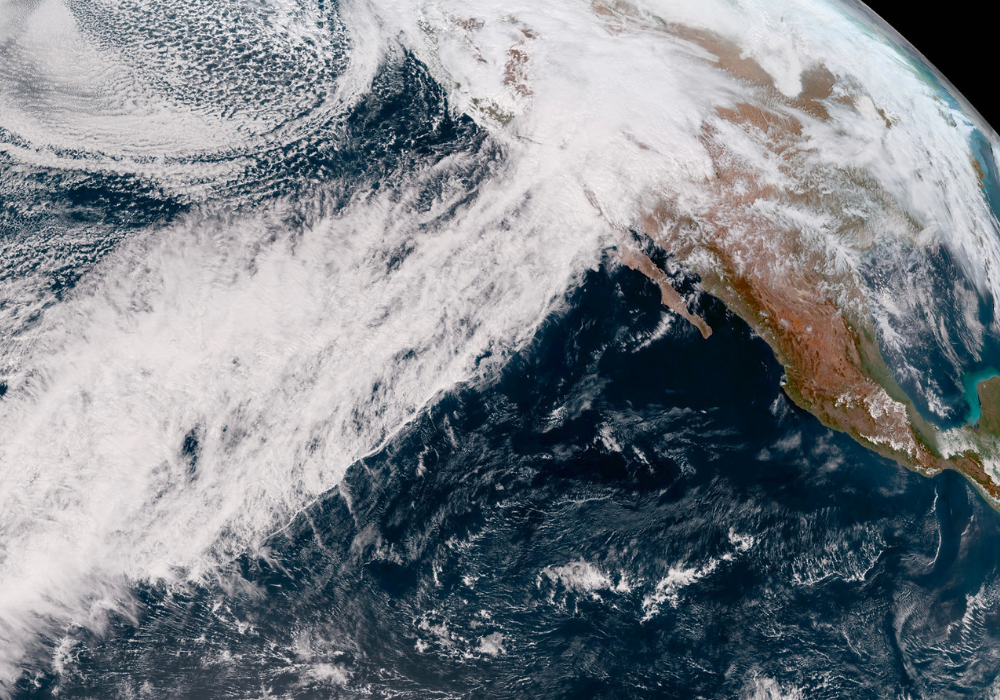
Atmospheric rivers are powerful streams of moisture that travel thousands of miles across the Pacific Ocean, delivering intense rainfall to the Western United States. The freight train effect occurs when multiple atmospheric rivers hit the same region in quick succession, amplifying the impacts. These phenomena play a crucial role in shaping weather patterns, influencing precipitation levels, flood risks, and water resources across the West.

Read more

California’s Nightmare Scenario—Could the ARkStorm Megaflood Return?

Scientists warn a flood of biblical scale could one day swamp California again.

©Image license via Canva

The ARkStorm megaflood scenario describes a potential extreme storm event that could unleash intense, prolonged rainfall across California. Driven by atmospheric rivers funneling moisture from the Pacific Ocean, this megaflood would overwhelm existing flood control systems and cause widespread damage to communities and infrastructure. Scientific studies from NOAA, USGS, and other agencies highlight how climate change may increase the likelihood of such severe flooding in the future.

Read more

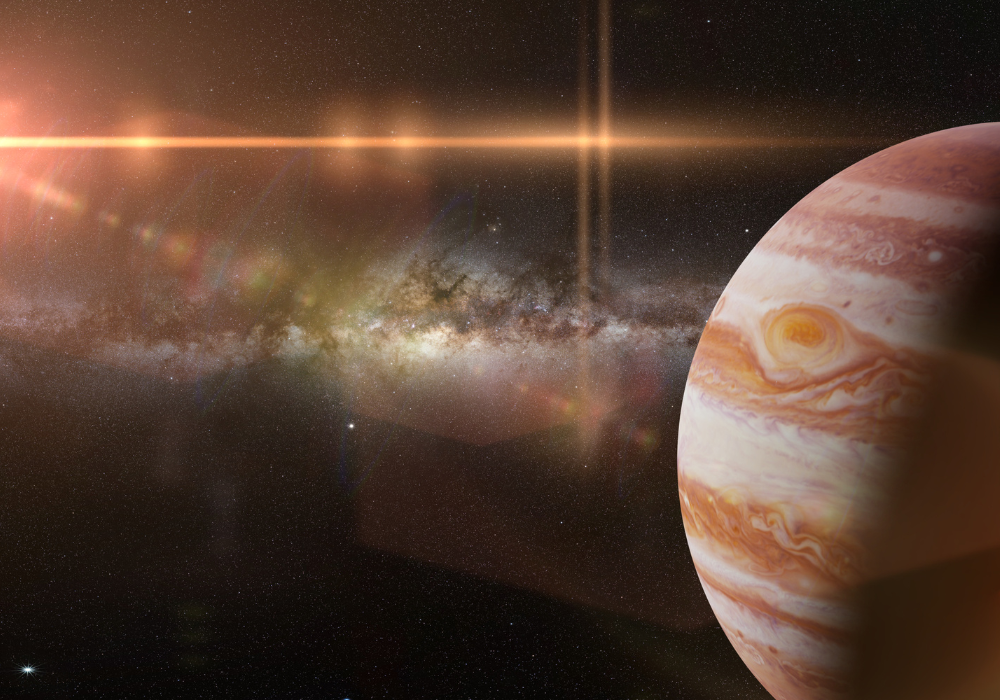
Astronomers Track a Spacecraft-Sized Object Near Jupiter: 12 Things to Know

Astronomers monitor a rare natural object orbiting near Jupiter to unveil its mysteries.

©Image license via Canva

Astronomers recently detected a spacecraft-sized object orbiting close to Jupiter, sparking interest among planetary scientists. This discovery involves a natural celestial body, not a human-made spacecraft, whose size, orbit, and composition provide valuable insights into solar system dynamics. Tracking such objects enhances understanding of gravitational influences and material origins around giant planets, contributing to broader knowledge of planetary formation and space environments.

Read more

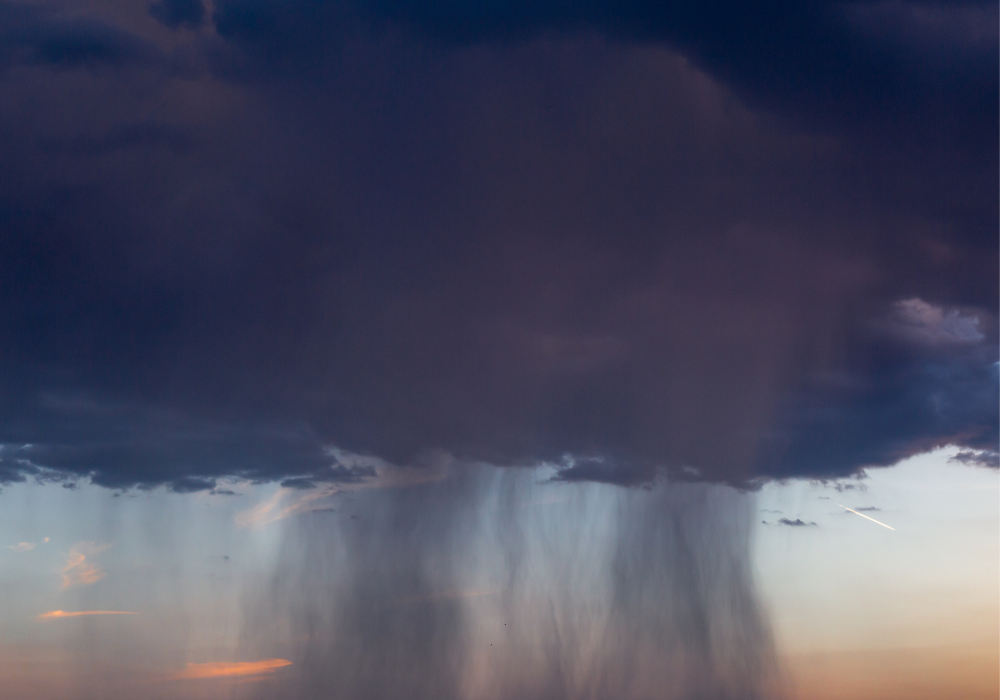
Why Every Storm Now Feels Like the Start of a Disaster Movie

Today’s storms feel bigger, darker, and far more dangerous than the ones we grew up with.

©Image license via Canva

Storms across the globe are growing more intense and frequent due to interconnected climate changes. Rising sea surface temperatures and increased atmospheric moisture supply storms with extra energy and fuel, strengthening their impact. Altered weather patterns, including jet stream shifts and expanded tropical zones, also influence storm behavior. Understanding these climate trends clarifies why storms feel scarier and highlights the importance of adapting to a changing environment.

Read more