Stephen Hawking’s Chilling Predictions About How the World Could End

From AI to climate change, the physicist warned of dangers humanity may face.
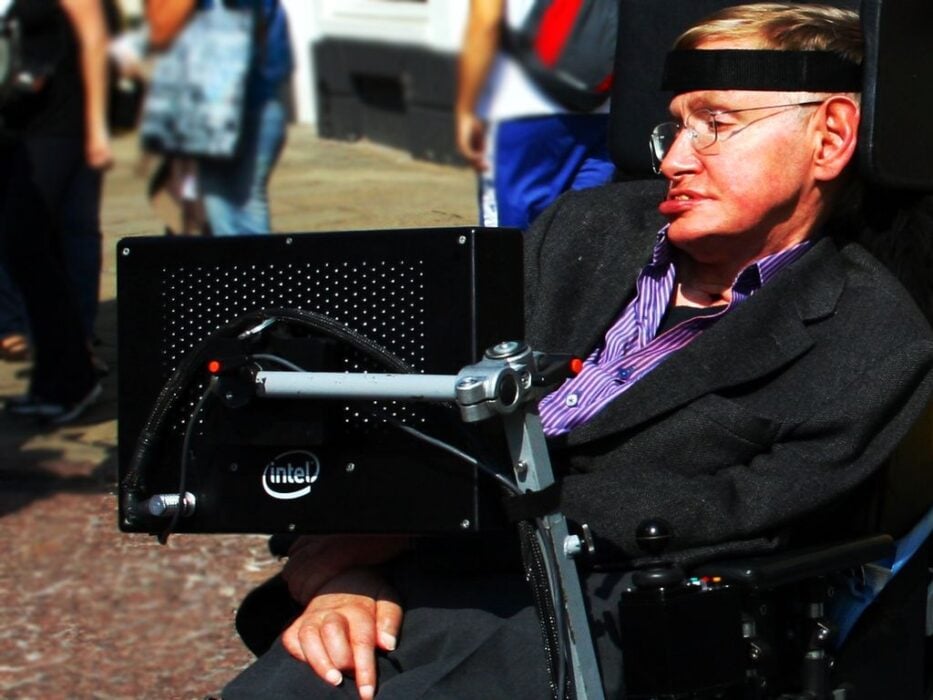
©Image license via Wikimedia Commons

Stephen Hawking was one of the most brilliant minds of our time, but he didn’t just study black holes and the universe—he also warned about humanity’s future. In interviews and lectures, he highlighted real threats that could one day end life on Earth. From artificial intelligence surpassing human control to nuclear conflict and climate change, Hawking believed our survival depends on how we respond to these dangers. He urged scientists, leaders, and everyday people to take action, reminding us that the fate of humanity may rest in our own hands.

Read more

If Antarctica Melts Faster Than Expected, the World Could Change Forever

Experts say faster Antarctic melt could reshape coastlines and displace millions.”

Glacial lake, massive blue-white icebergs, wide view, soft daylight, editorial travel photo, no people.
©Image license via Canva

Antarctic ice melt affects more than just the polar region; it has far-reaching consequences worldwide. Rising sea levels from melting ice threaten coastal cities, disrupt ecosystems, and alter ocean circulation patterns. These changes intensify extreme weather, affect freshwater supplies, and challenge biodiversity. Monitoring and understanding these impacts are crucial to managing climate change risks and protecting both natural and human systems.

Read more

10 Things You Didn’t Know NASA’s Moon Rovers Could Do

NASA’s high-tech rovers hide features designed for the Moon’s toughest challenges.

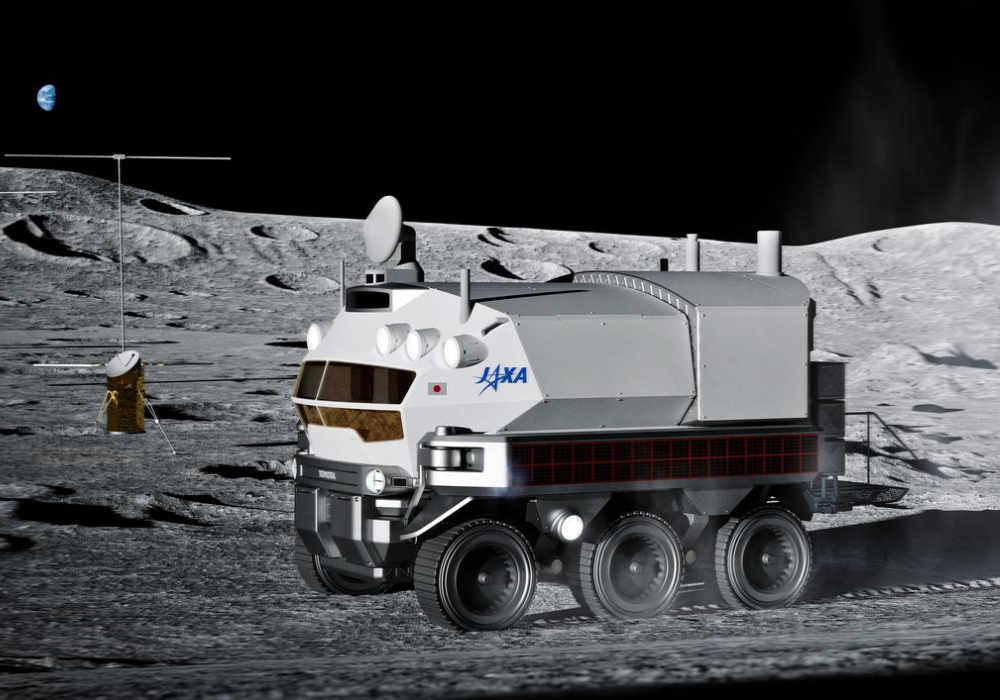
©Image license via NASA

NASA’s moon rovers showcase remarkable design and technology tailored for lunar exploration. These robotic explorers navigate harsh terrains, operate scientific instruments, and transmit valuable data back to Earth. Each rover integrates advanced mobility systems, autonomous navigation, and durable materials to withstand extreme conditions on the moon. Understanding their unique features reveals the complex engineering and scientific ingenuity behind successful space missions.

Read more

Lost Maya Cities Found Deep in the Jungle After 3,000 Years

Archaeologists uncover sprawling Maya settlements hidden beneath dense jungle.

©Image license via The Archaeoligst

In the past few years, archaeologists have uncovered several lost Maya cities hidden deep in the jungles of southern Mexico. Among the most striking are Valeriana, a sprawling settlement mapped in Campeche with thousands of structures, and Ocomtún, revealed in 2023 with pyramids, plazas, and a large ceremonial center. These discoveries were made possible through LiDAR scanning, which cuts through dense vegetation to expose ruins long invisible to the human eye. Together, they are transforming our understanding of how vast and complex Maya civilization truly was.

Read more

Ancient Viking Burial in Norway Unearthed With a Woman and Her Dog

The remarkable discovery on Senja Island offers rare insight into Viking life, death, and emotional bonds.

©Image license via Canva

On the remote island of Senja in northern Norway, archaeologists uncovered a Viking burial site unlike any other. Dating back more than 1,000 years, the grave held the remains of a woman laid to rest in a wooden boat, with a small dog carefully placed at her feet. Surrounded by jewelry, tools, and artifacts, the burial paints a vivid picture of Viking rituals and relationships. Experts call the discovery one of the most important in recent decades, offering a rare glimpse into both daily life and spiritual beliefs of the Viking Age.

Read more

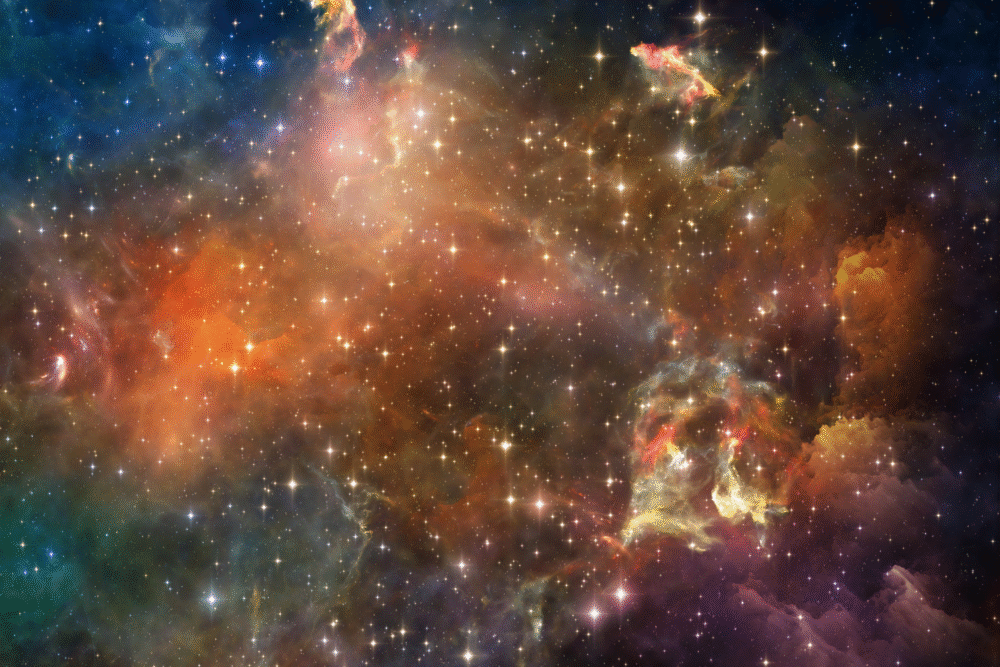
Is the Universe Conscious? The Mind-Bending Theory Explained

Scientists explore whether the cosmos itself could think and be aware.

©Image license via Canva

For centuries, humans have wondered about our place in the universe—but what if the cosmos itself is more than just stars and empty space? Some scientists are exploring the mind-bending idea that the universe could have elements of consciousness woven into its very fabric. Physicist Gregory Matloff has proposed that a “proto-consciousness field” might permeate the cosmos, possibly influencing the behavior of stars. While highly speculative, his work challenges traditional views and raises a startling possibility: that consciousness may not be limited to living beings alone.

Read more

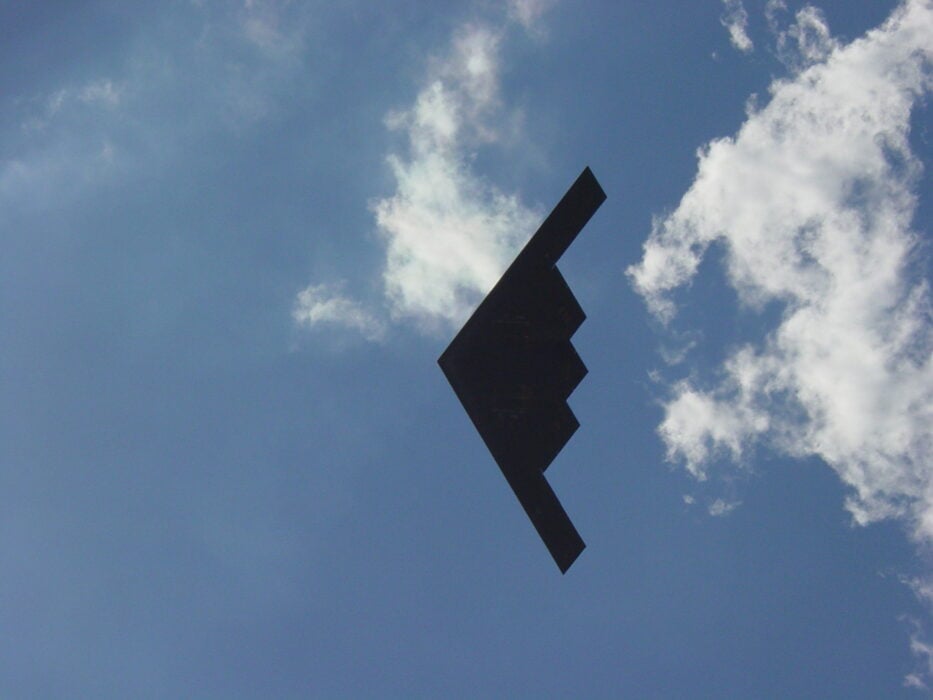
Former NASA Engineer Claims Trillions of Cloaked Devices Are Hidden Across Earth

The startling theory suggests unseen technology may already be embedded worldwide.

©Image license via Flickr

A former NASA engineer, Richard Banduric, has claimed that there are trillions of cloaked, self-destructing “alien devices” hidden across the Earth, according to media reports. He alleges these objects resist analysis and may be part of covert research efforts to reverse-engineer extraterrestrial technology. While Banduric is cited as saying this on podcasts and news outlets, no independent scientific verification has confirmed the existence of such devices. Experts emphasize these claims remain speculative until physical evidence is examined and validated under peer review.

Read more

Scientists Warn Synthetic Lifeforms Could Pose Serious Risks

Breakthroughs in synthetic biology spark urgent debate over safety and control.

©Image license via Jacobs School of Engineering, UC San Diego

Synthetic biology is one of the fastest-growing fields in science, with researchers engineering new lifeforms that can produce medicines, clean up pollution, and even generate sustainable fuels. But alongside these breakthroughs, scientists are voicing concerns. Experts warn that lab-created organisms could behave in unpredictable ways, potentially spreading beyond intended environments or being misused. A recent report from the National Academies of Sciences highlighted the need for strong safeguards. While the technology holds enormous promise, researchers say global oversight is critical to ensure synthetic lifeforms don’t create unintended risks.

Read more

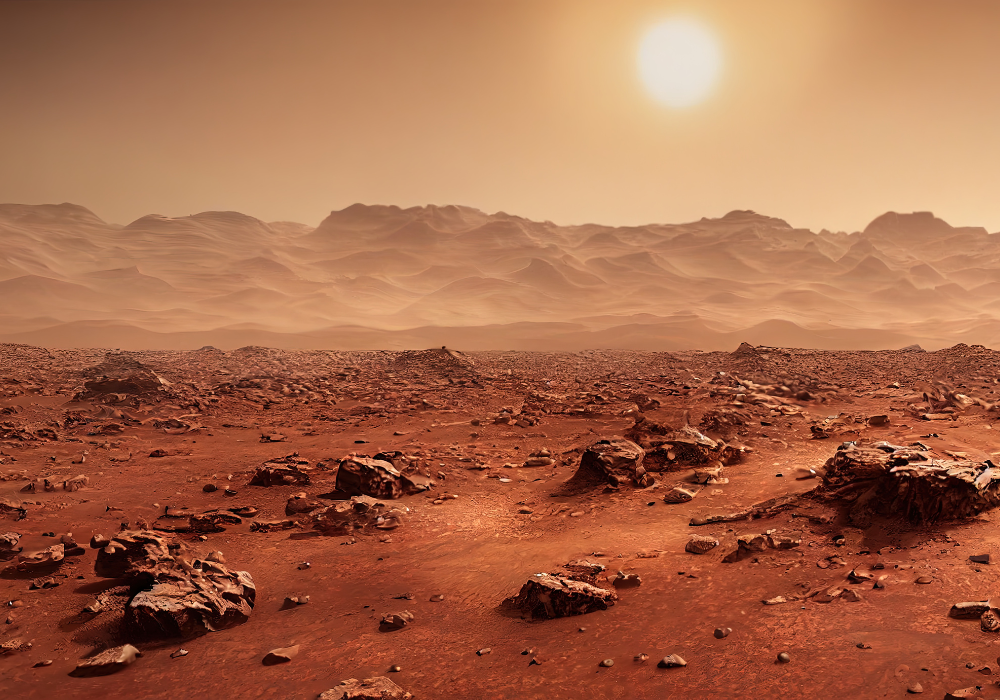
NASA Says Signs of Life on Mars Have Finally Been Found

The latest NASA report points to groundbreaking signs of life on the Red Planet.

©Image license via Canva

NASA has announced new findings that suggest Mars may hold signs of past or present life, a discovery that could reshape our understanding of the solar system. Recent analyses of Martian soil and rock samples revealed chemical traces that scientists say are consistent with biological activity. Former NASA Chief Scientist Jim Green has noted in past research that detecting life beyond Earth will require a careful, step-by-step framework to evaluate evidence. While questions remain, experts agree this report marks an important milestone in humanity’s search for life elsewhere.

Read more

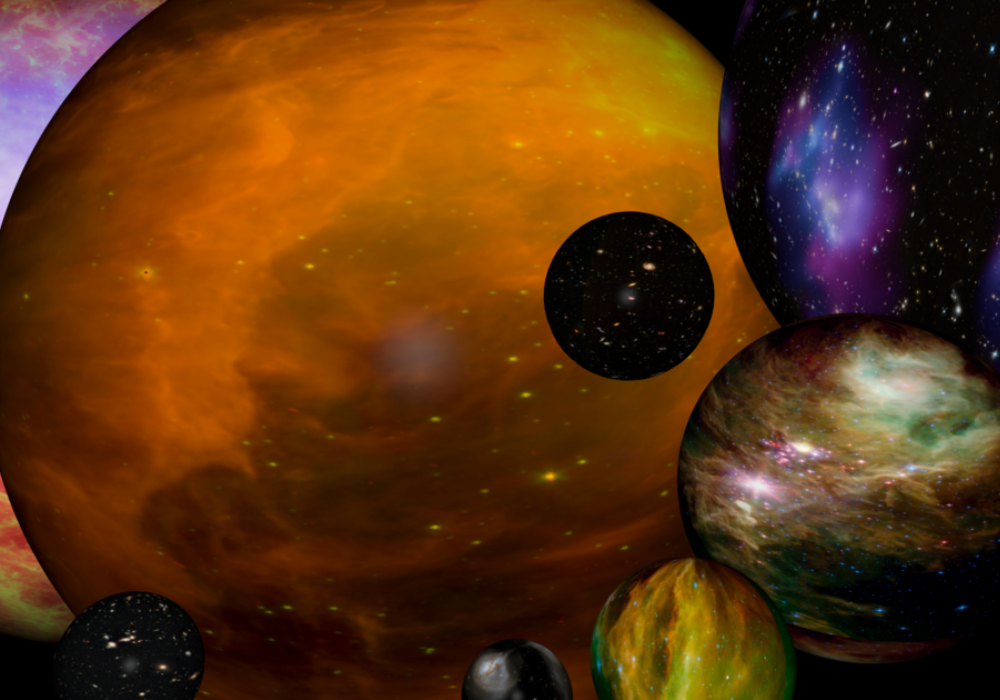
The Multiverse Could Be the Only Reason You Exist at All

New theories suggest hidden universes may explain why life is even possible.

©Image license via Wikipedia Commons

What if the universe we live in isn’t the only one? Some physicists argue that countless hidden universes may exist, and that without them, life as we know it might never have happened. The “multiverse theory” has been debated for decades, but recent work by physicist Brian Greene suggests it could explain why our universe seems so perfectly tuned for life. It’s a mind-bending idea that pushes science to its limits—and raises unsettling questions about whether our very existence is just one cosmic accident among many.

Read more