Earth’s Supervolcanoes Could Reshape the Planet in an Instant

Supervolcano blasts may be infrequent, but their impact could be catastrophic worldwide.
©Image license via Flickr

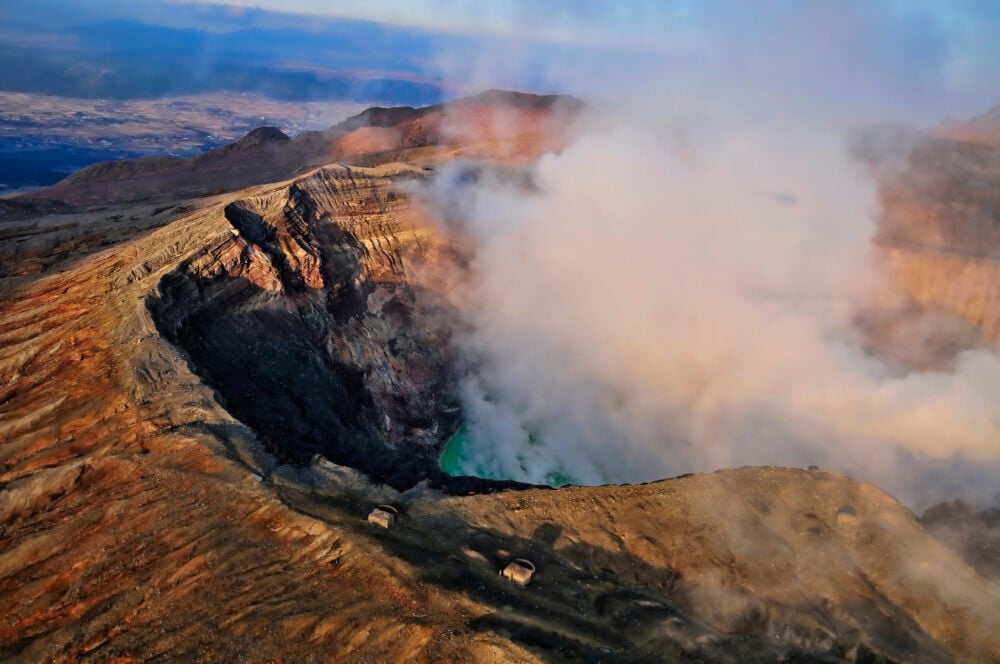
Supervolcanoes represent some of the most powerful natural phenomena on Earth, capable of producing eruptions far larger than ordinary volcanoes. These immense geological features lie beneath huge calderas and involve vast magma chambers that fuel explosive activity. Understanding their nature, potential hazards, and the science behind their monitoring helps us appreciate both their risks and their significant role in shaping our planet’s history.
Read more

When the Ocean Explodes: What an Underwater Volcano Could Unleash

Hidden beneath the waves, volcanic blasts could reshape coastlines and threaten millions.

©Image license via Freerange Stock

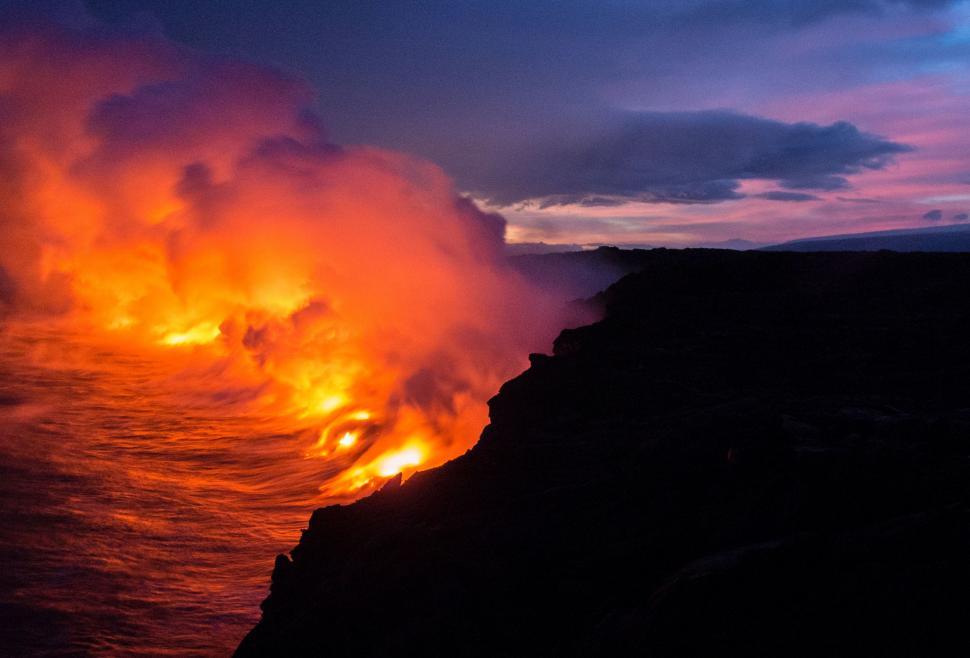
Underwater volcanic eruptions, though hidden beneath the ocean’s surface, have profound effects on marine environments and geological structures. They release various gases, alter water chemistry, and reshape the seafloor, impacting marine life and ecosystems. These eruptions can also trigger tsunamis and disrupt navigation, making them significant not only for natural history but also for human activities. Insight from agencies like USGS and NOAA helps clarify these complex processes.

Read more

World’s Oldest Mummies Unearthed in Southeast Asia Rewrite Human History

Scientists say the discovery predates Egypt’s famous mummies by thousands of years.

©Image license via Canva

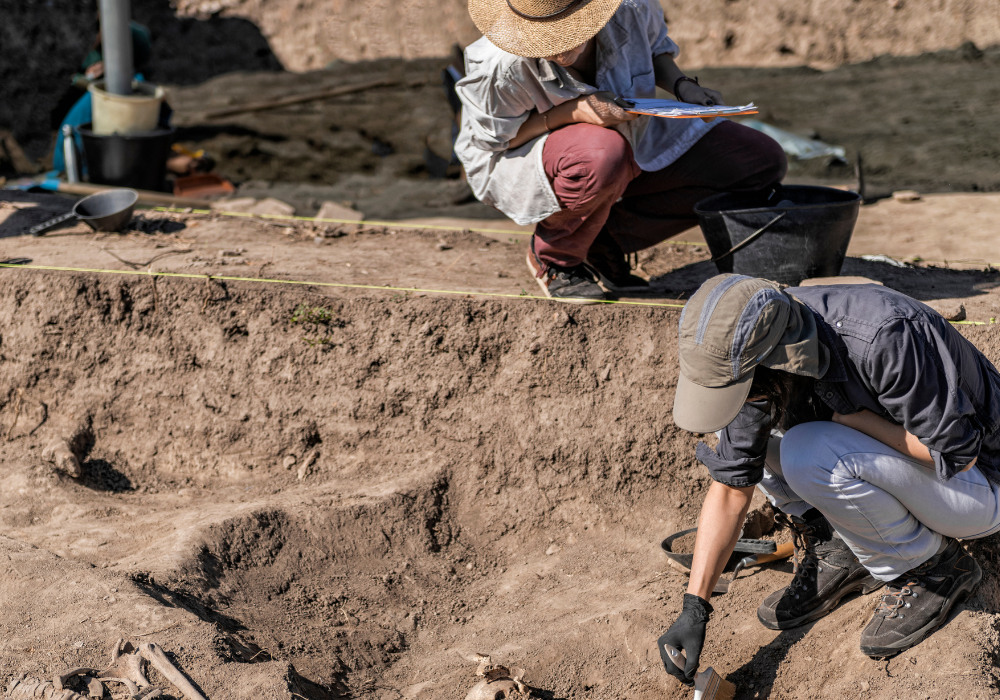
Archaeologists have uncovered the world’s oldest known mummies in Southeast Asia, a discovery that predates Egypt’s famous examples by thousands of years. The remains, carefully preserved, offer a rare glimpse into ancient burial practices that challenge long-held assumptions about where and when mummification began. Scientists say this breakthrough not only rewrites part of human history but also provides invaluable insight into the cultural traditions of early civilizations in the region.

Read more

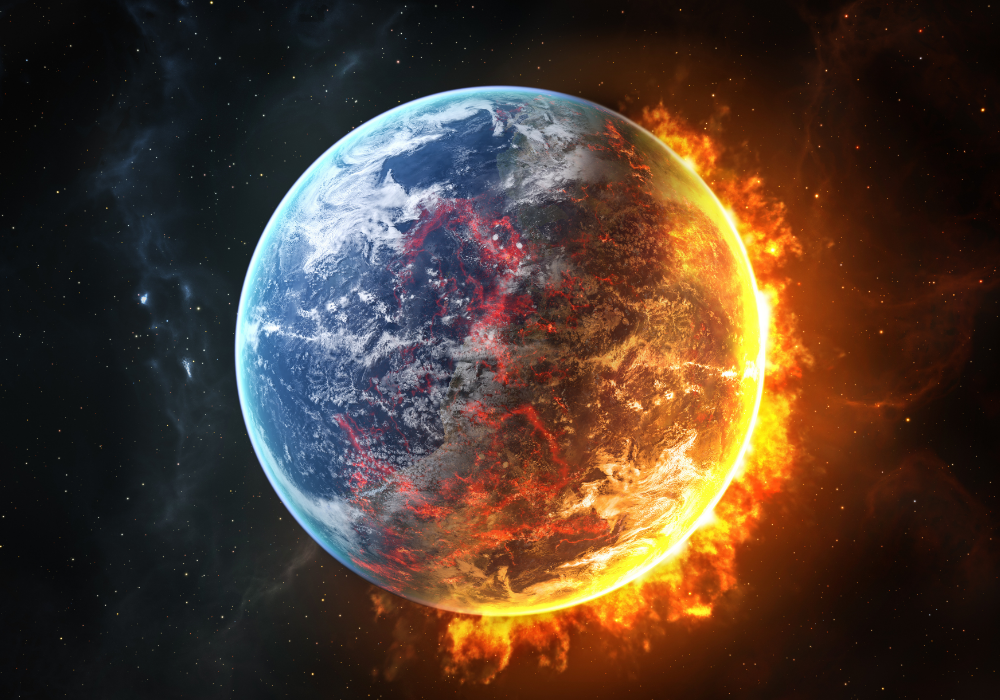
How Hot Can Earth Really Get? 12 Lessons from Climate History

Earth’s temperature extremes through history reveal patterns that inform our climate future.

Space, half-Earth oceans and clouds, half fire and cracks, split composition, neutral lighting, editorial travel photo, no people.
©Image license via Canva

Earth’s climate has experienced wide temperature swings over millions of years, from blistering heat in periods like the Eocene to intense cold during ice ages. These natural fluctuations, driven by factors such as greenhouse gases, volcanic activity, and ocean currents, provide crucial insights into the mechanisms behind climate change. By examining this history, scientists can better understand current warming trends and their potential impacts on ecosystems and human society.

Read more

NASA’s Webb Telescope Found a New Moon Around Uranus

The discovery adds to the 27 moons already orbiting the distant ice giant.

©Image license via Canva

NASA’s Webb Telescope has identified a new moon orbiting Uranus, expanding our understanding of the planet’s extensive satellite system. This discovery, enabled by Webb’s advanced imaging technology, highlights the telescope’s ability to detect faint and distant celestial objects. Studying this small moon adds valuable data about Uranus’s gravitational environment and offers fresh insights into the evolution of the outer solar system.

Read more

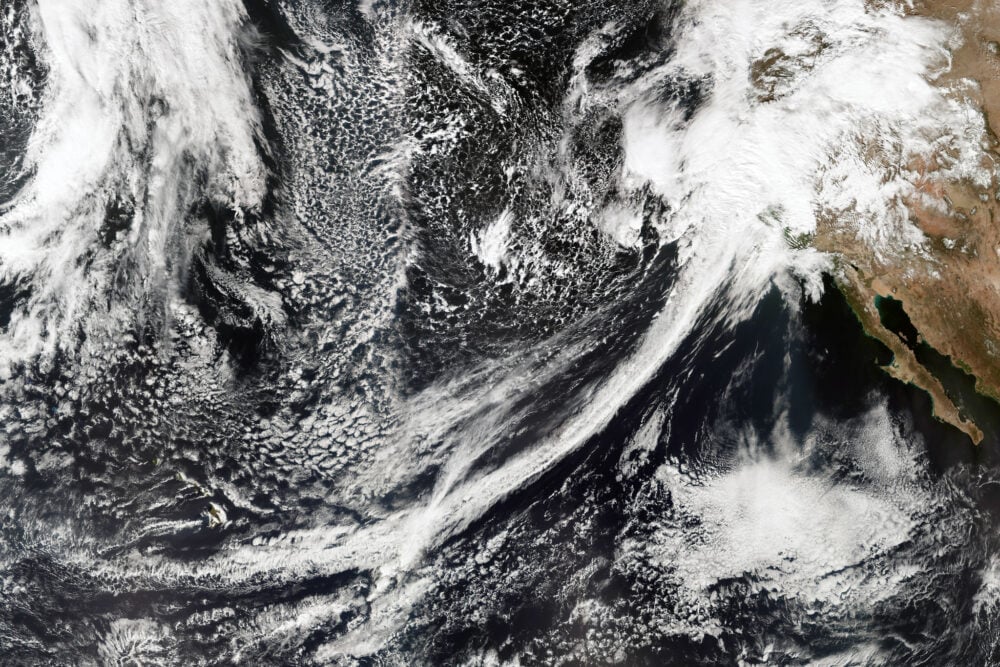
What Is the Pineapple Express—and Why It Can Be So Deadly

A river in the sky funnels storms from the tropics, sometimes with devastating results.

©Image license via Canva

It may sound tropical and harmless, but the “Pineapple Express” is anything but lighthearted. This atmospheric river channels huge amounts of moisture from near Hawaii all the way to the U.S. West Coast, where it can unleash days of relentless rain and heavy snow. According to the National Weather Service, these events can trigger flash floods, landslides, and widespread damage when conditions align. While the phenomenon is natural, a warming climate is expected to intensify its impacts, making the Pineapple Express a storm pipeline worth watching closely.

Read more

Stephen Hawking’s Chilling Predictions About How the World Could End

From AI to climate change, the physicist warned of dangers humanity may face.

©Image license via Wikimedia Commons

Stephen Hawking was one of the most brilliant minds of our time, but he didn’t just study black holes and the universe—he also warned about humanity’s future. In interviews and lectures, he highlighted real threats that could one day end life on Earth. From artificial intelligence surpassing human control to nuclear conflict and climate change, Hawking believed our survival depends on how we respond to these dangers. He urged scientists, leaders, and everyday people to take action, reminding us that the fate of humanity may rest in our own hands.

Read more

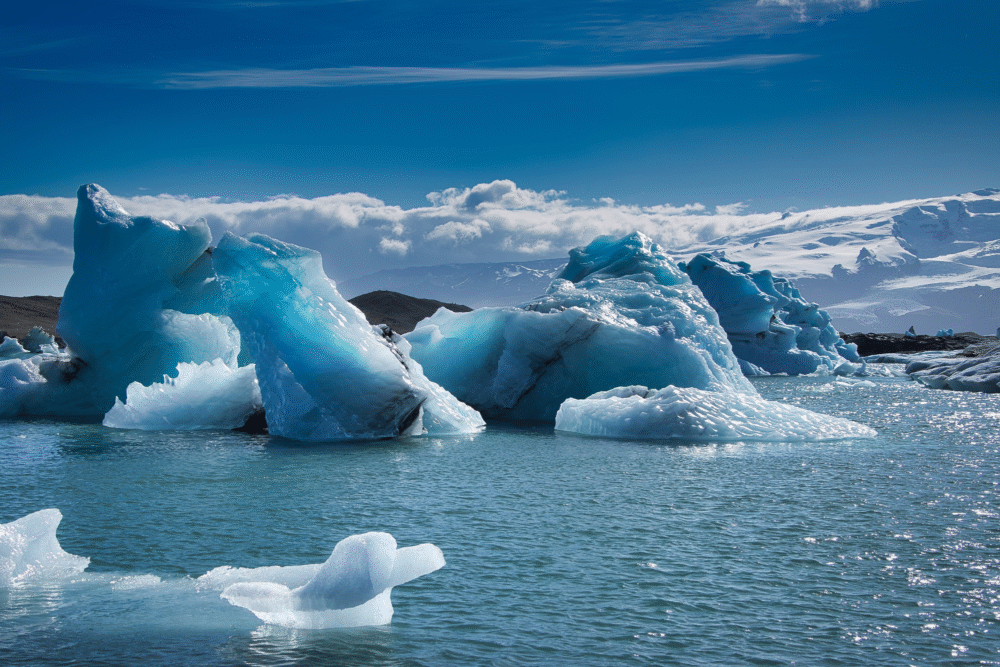
If Antarctica Melts Faster Than Expected, the World Could Change Forever

Experts say faster Antarctic melt could reshape coastlines and displace millions.”

Glacial lake, massive blue-white icebergs, wide view, soft daylight, editorial travel photo, no people.
©Image license via Canva

Antarctic ice melt affects more than just the polar region; it has far-reaching consequences worldwide. Rising sea levels from melting ice threaten coastal cities, disrupt ecosystems, and alter ocean circulation patterns. These changes intensify extreme weather, affect freshwater supplies, and challenge biodiversity. Monitoring and understanding these impacts are crucial to managing climate change risks and protecting both natural and human systems.

Read more

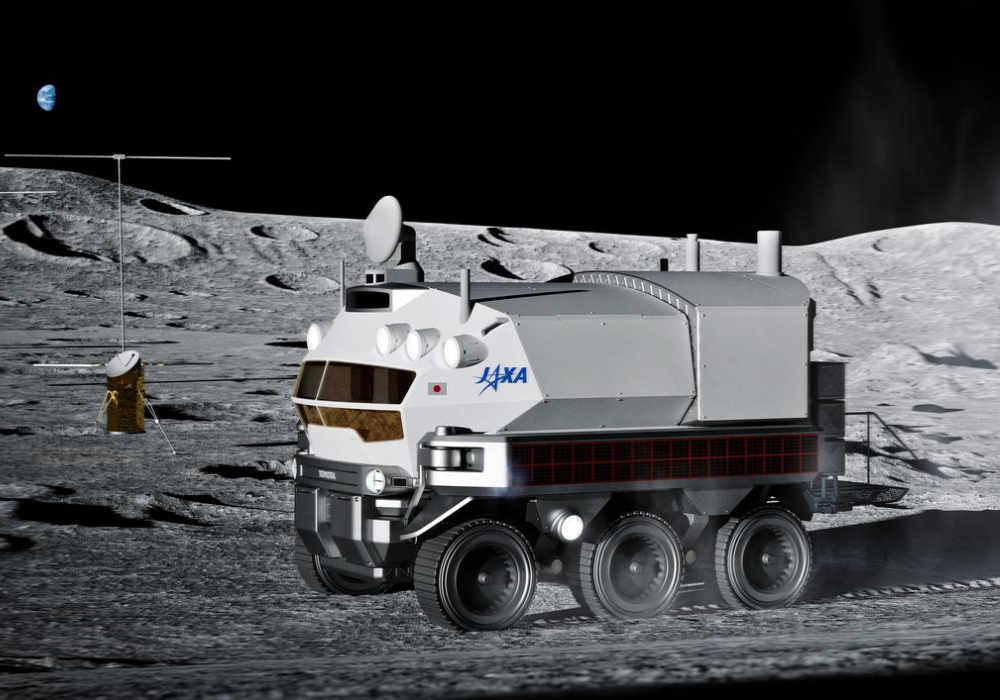
10 Things You Didn’t Know NASA’s Moon Rovers Could Do

NASA’s high-tech rovers hide features designed for the Moon’s toughest challenges.

©Image license via NASA

NASA’s moon rovers showcase remarkable design and technology tailored for lunar exploration. These robotic explorers navigate harsh terrains, operate scientific instruments, and transmit valuable data back to Earth. Each rover integrates advanced mobility systems, autonomous navigation, and durable materials to withstand extreme conditions on the moon. Understanding their unique features reveals the complex engineering and scientific ingenuity behind successful space missions.

Read more

Lost Maya Cities Found Deep in the Jungle After 3,000 Years

Archaeologists uncover sprawling Maya settlements hidden beneath dense jungle.

©Image license via The Archaeoligst

In the past few years, archaeologists have uncovered several lost Maya cities hidden deep in the jungles of southern Mexico. Among the most striking are Valeriana, a sprawling settlement mapped in Campeche with thousands of structures, and Ocomtún, revealed in 2023 with pyramids, plazas, and a large ceremonial center. These discoveries were made possible through LiDAR scanning, which cuts through dense vegetation to expose ruins long invisible to the human eye. Together, they are transforming our understanding of how vast and complex Maya civilization truly was.

Read more