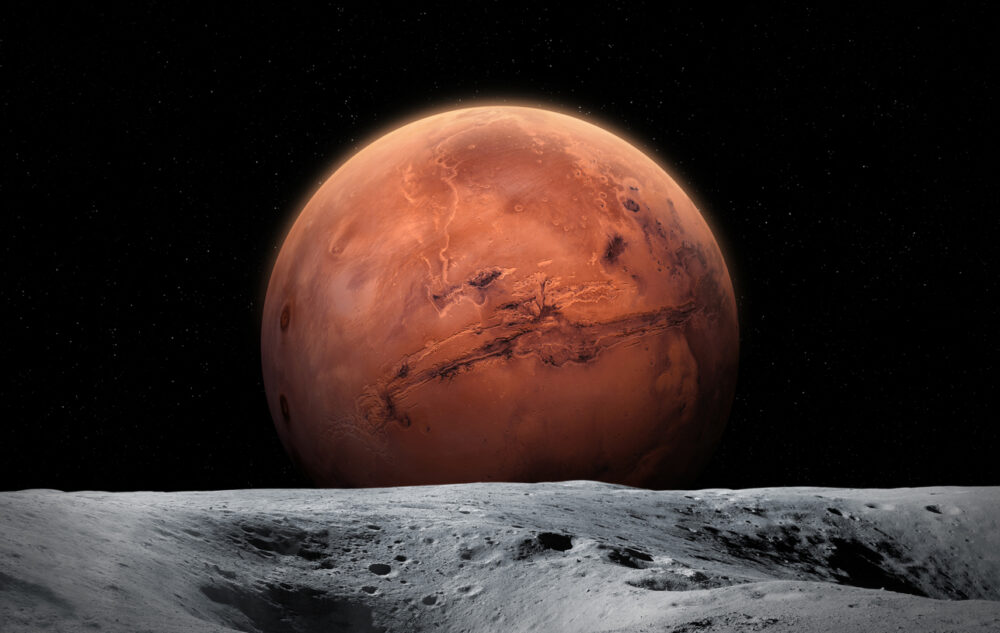
“Planet Y” Theory Suggests a Hidden, Earth-Sized World Might Be Closer Than We Thought

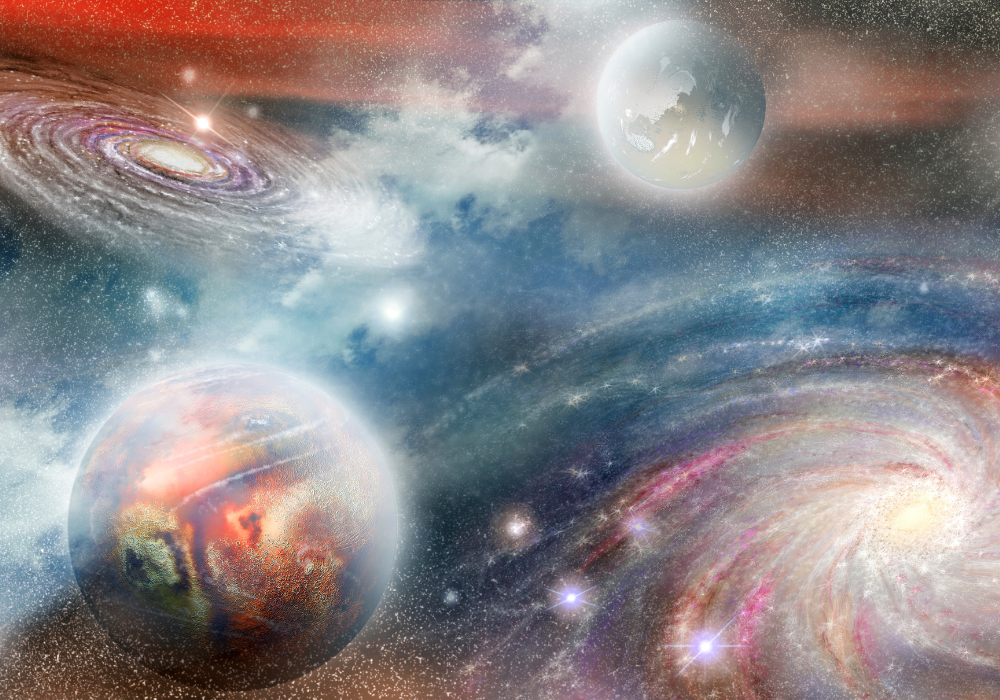
Astronomers say new evidence hints at a mysterious planet hiding beyond Neptune—closer than the long-hypothesized Planet Nine.
©Image license via Canva

Astronomers have proposed a new hypothesis called “Planet Y” to explain the strange tilt of distant objects orbiting beyond Neptune. This theory suggests that a hidden, Earth-sized planet may exist much closer to the Sun than the long-hypothesized Planet Nine. If true, it could reshape how scientists understand the outer reaches of our solar system and the forces shaping it. While the idea is intriguing, researchers emphasize that Planet Y remains unconfirmed—and so far, unseen.
Read more

Astronomers Detect the Most Powerful, Most Distant “Odd Radio Circle” Ever Found

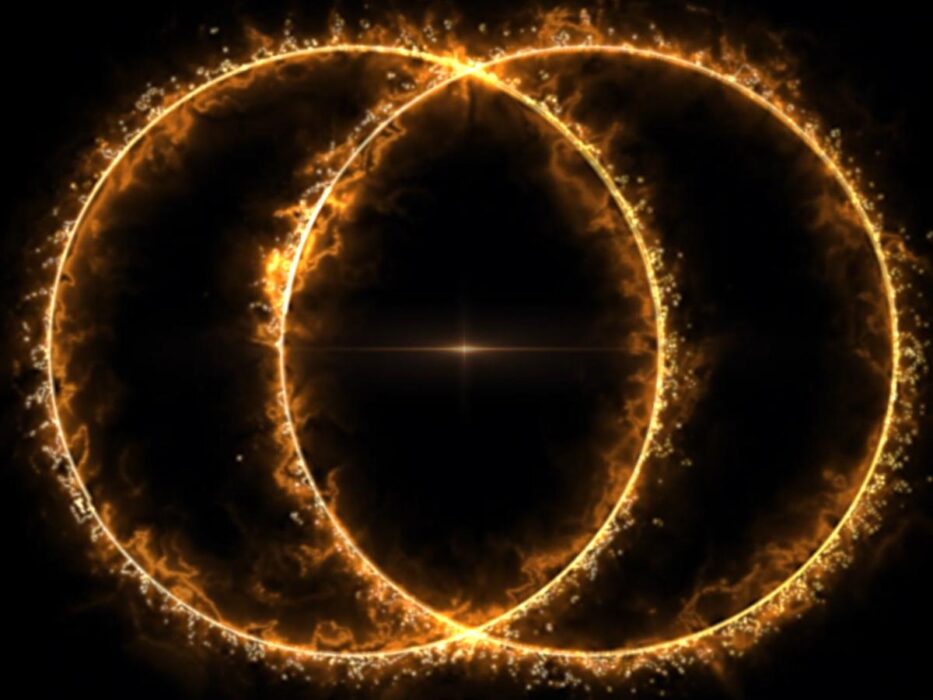
A newly found cosmic radio ring is the most powerful and distant “ORC” yet—and it’s made of two interlocked circles unlike anything seen before.

©Image license via NewsInfo.ru

Astronomers have unveiled the most powerful and distant “odd radio circle” (ORC) yet, spotted as two interlocking rings around a distant galaxy. This newly discovered structure—dubbed RAD J131346.9+500320—emits intense radio waves and challenges current models of how these cosmic rings form. Citizen scientists first flagged it, and follow-up observation using the LOFAR telescope confirmed its scale and energy. With only a handful of ORCs known so far, this discovery offers fresh clues about galaxy formation, black holes, and the turbulent forces shaping deep space.

Read more

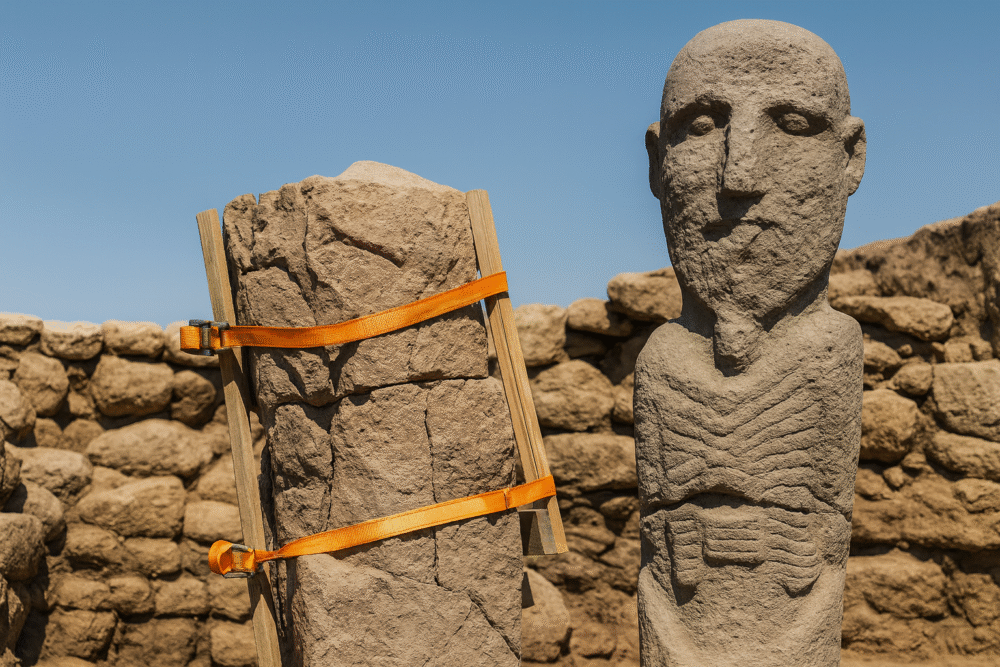
A 12,000-Year-Old Statue From Göbekli Tepe May Be the Earliest Life-Sized Human Sculpture Ever Found

Archaeologists say the detailed statue predates Stonehenge and offers new clues about early human culture.

©Image license via Chat GPT

Archaeologists in southeastern Turkey have unearthed a 12,000-year-old life-sized human statue at Göbekli Tepe—one of the oldest known temple complexes in the world. The carved figure, discovered during excavations led by the Şanlıurfa Archaeology Museum and the German Archaeological Institute, is believed to date to around 9400 BCE, during the Pre-Pottery Neolithic period. Measuring roughly 7.5 feet tall, the statue is strikingly detailed, featuring a rib cage, hands, and realistic facial features. Researchers say it could be the earliest known life-sized human sculpture ever discovered, offering rare insight into the symbolic art and spiritual life of early societies.

Read more

Methane Is Leaking From the Antarctic Seafloor, and Scientists Are Alarmed

A hidden methane leak beneath the ice may be the start of a runaway climate chain reaction.

©Image license via Chat GPT

Deep beneath Antarctica’s frozen waters, scientists have discovered methane—one of the most potent greenhouse gases on Earth—leaking from cracks in the seafloor. The finding, first documented by marine ecologists and geochemists from Oregon State University and published in Proceedings of the Royal Society B, marks the first observed methane seep ever recorded in Antarctic waters. The discovery has alarmed researchers because it suggests the planet’s coldest region, long thought to trap greenhouse gases securely under ice, may be starting to release them. If such leaks expand, they could accelerate global warming in ways humanity has never experienced.

Read more

The Gulf Stream May Be Approaching a Crisis Point That Could Reshape the Planet’s Climate

Researchers say the Atlantic’s “climate engine” is showing signs of breakdown faster than predicted.

©Image license via Wikimedia Commons

The Gulf Stream—a powerful ocean current that helps regulate Earth’s climate—may be approaching a critical tipping point. According to recent studies published in Nature Communications and Science Advances, the Atlantic Meridional Overturning Circulation (AMOC)—the larger system of currents that includes the Gulf Stream—is weakening faster than expected due to melting ice and warming oceans. Scientists warn that if the AMOC collapses, it could drastically alter weather patterns, disrupt food production, and accelerate climate instability worldwide. While a total shutdown isn’t certain, new data suggest the risk is more immediate than previously thought.

Read more

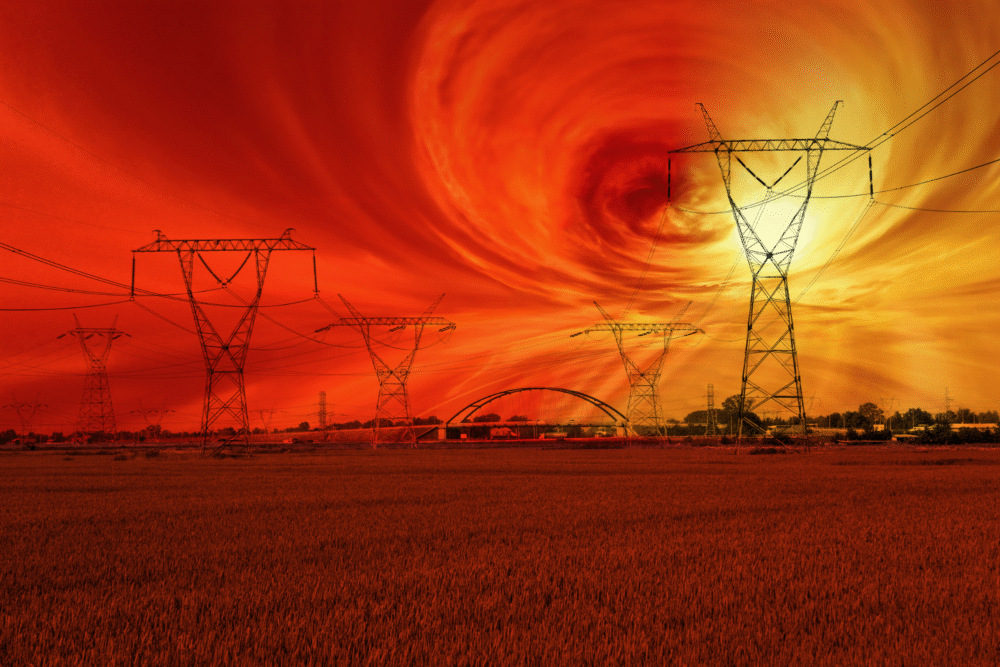
Inside the Solar Storm Scenario That Could Black Out the Planet

A powerful solar event like the 1859 Carrington flare could plunge modern civilization into darkness.

©Image license via Canva

Scientists have long warned that a powerful solar storm could temporarily disable much of the world’s electrical and communications infrastructure. Known as a “Carrington-class event,” after the massive 1859 solar flare that lit telegraph wires on fire, such a storm today could disrupt satellites, GPS networks, and power grids worldwide. NASA, NOAA, and the European Space Agency closely monitor solar activity to detect these threats in advance, but even a few hours’ warning might not be enough. Here’s what would likely happen if a severe geomagnetic storm struck Earth and how experts say we could prepare for it.

Read more

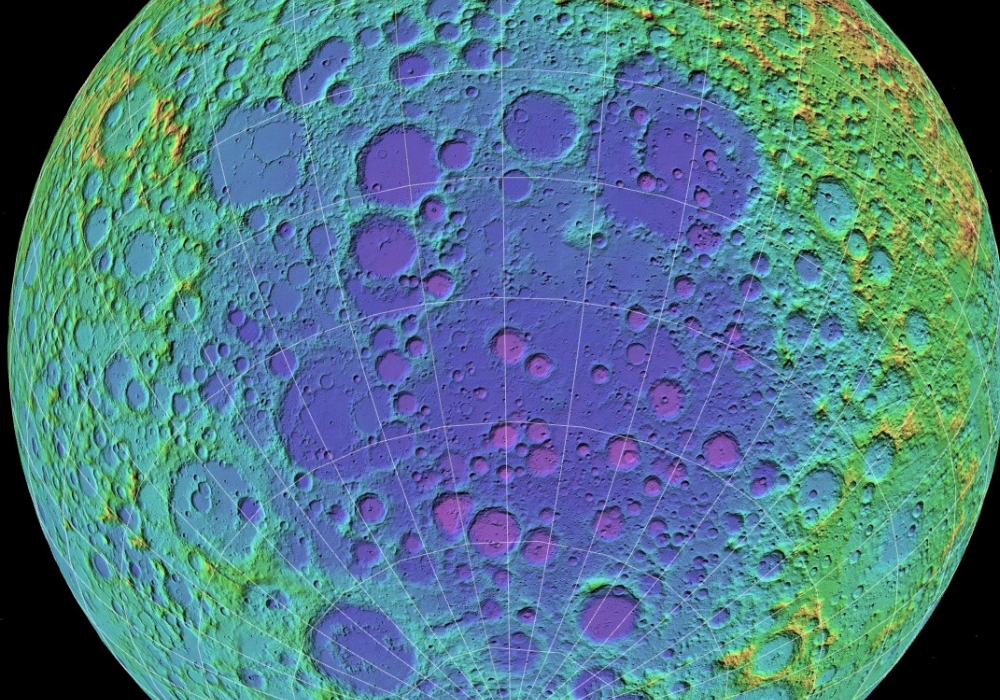
NASA Astronauts Set to Visit the Moon’s Most Mysterious Crater, and Scientists Are Baffled by What’s Beneath It

Scientists detected a dense metallic anomaly miles below the lunar surface, and no one knows what it is.

©Image license via Flickr

NASA’s upcoming Artemis missions will return astronauts to the Moon for the first time in over fifty years—and their destination sits near one of the most mysterious places in the solar system. Deep beneath the Moon’s largest crater, known as the South Pole–Aitken Basin, scientists have detected something massive buried far below the surface. Using data from NASA’s GRAIL (Gravity Recovery and Interior Laboratory) spacecraft, researchers discovered an unexplained metallic anomaly that defies simple explanation. The find could unlock secrets about how the Moon—and perhaps the early solar system itself—was formed.

Read more

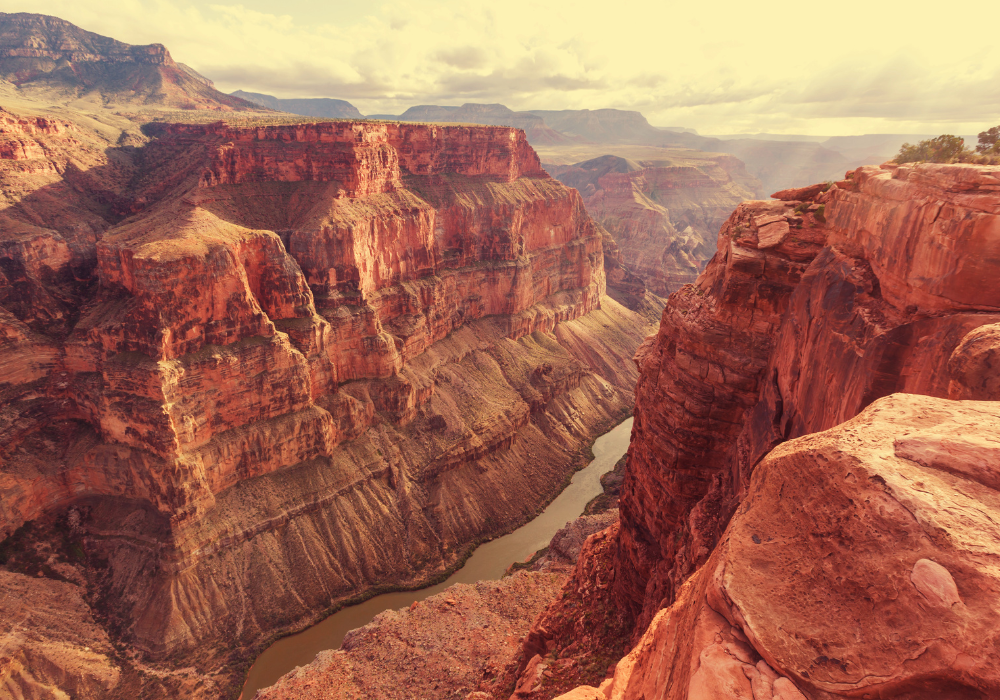
What Earth’s Layered Rocks Really Tell Us About Our Planet’s Turbulent Past

The stripes in canyon walls reveal Earth’s violent climate shifts and evolving life.

©Image license via Canva

At first glance, the striped cliffs and layered stones that shape Earth’s landscapes seem quiet and unremarkable. But to geologists, they’re vivid records of chaos—snapshots of a planet in constant upheaval. Each layer captures ancient oceans, volcanic eruptions, asteroid impacts, and the rise and fall of entire species. These “boring” rocks are, in truth, Earth’s autobiography—written over billions of years in sand, mud, and ash. Reading them reveals just how restless and remarkable our planet has always been.

Read more

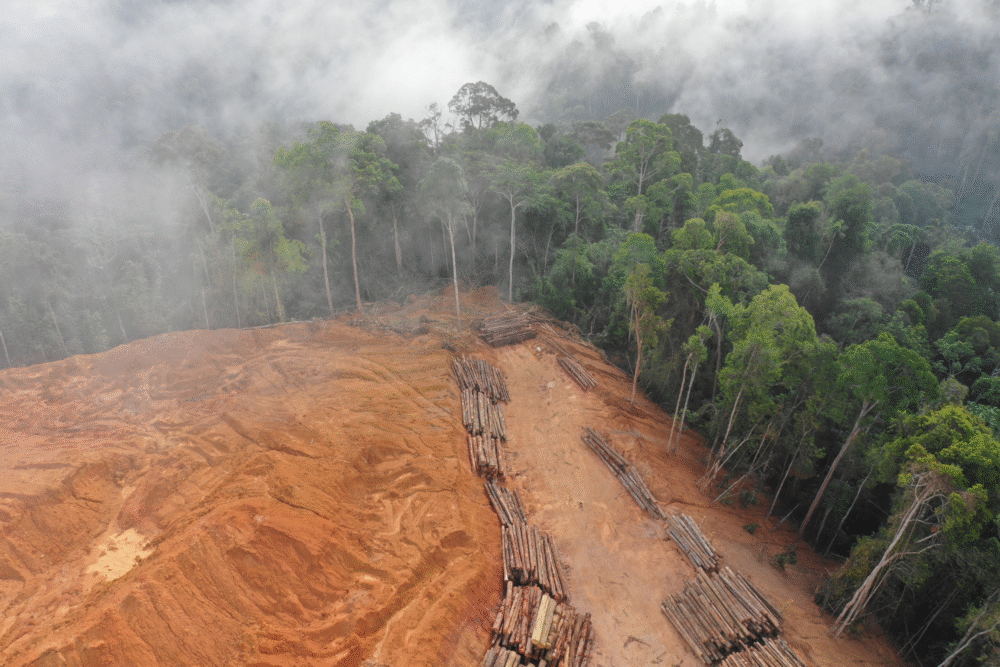
Amazon Deforestation Is Fueling Chaos: Stronger Storms, Hotter Heat, and Fiercer Winds

New research shows deforestation is amplifying extreme weather far beyond the Amazon.

©Image license via Canva

The destruction of the Amazon rainforest isn’t just erasing trees—it’s rewriting weather patterns across an entire continent. A new study published in Nature Communications Earth & Environment reveals that large-scale deforestation is driving more intense rainfall, hotter temperatures, and stronger winds in South America and beyond. By disrupting the Amazon’s natural water cycle, humans are destabilizing one of Earth’s key climate regulators. Scientists say the consequences of this imbalance could intensify storms, droughts, and heatwaves around the world.

Read more

Why Mars Died: Scientists Uncover the Forces That Made It a Frozen Desert

New research reveals how Mars lost its magnetic field, atmosphere, and water.

Gray rocky moon foreground, Mars looming above, centered wide shot, deep space night, editorial travel photo, no people.
©Image license via NASA

Billions of years ago, Mars looked far more like Earth—warm, wet, and possibly capable of supporting life. But something went catastrophically wrong. New research combining data from NASA’s MAVEN mission and geological studies has helped scientists piece together how Mars lost its water, atmosphere, and habitability. The culprit appears to be the planet’s cooling core and the collapse of its magnetic field. Once that protective shield vanished, the solar wind stripped Mars bare, transforming it into the frozen desert we see today.

Read more