Winemaker Finds 40,000-Year-Old Mammoth Bones Hidden in His Wine Cellar

An Austrian wine cellar renovation uncovers a trove of prehistoric mammoth remains dating back 30–40 k years.
©Image license via Chat GPT

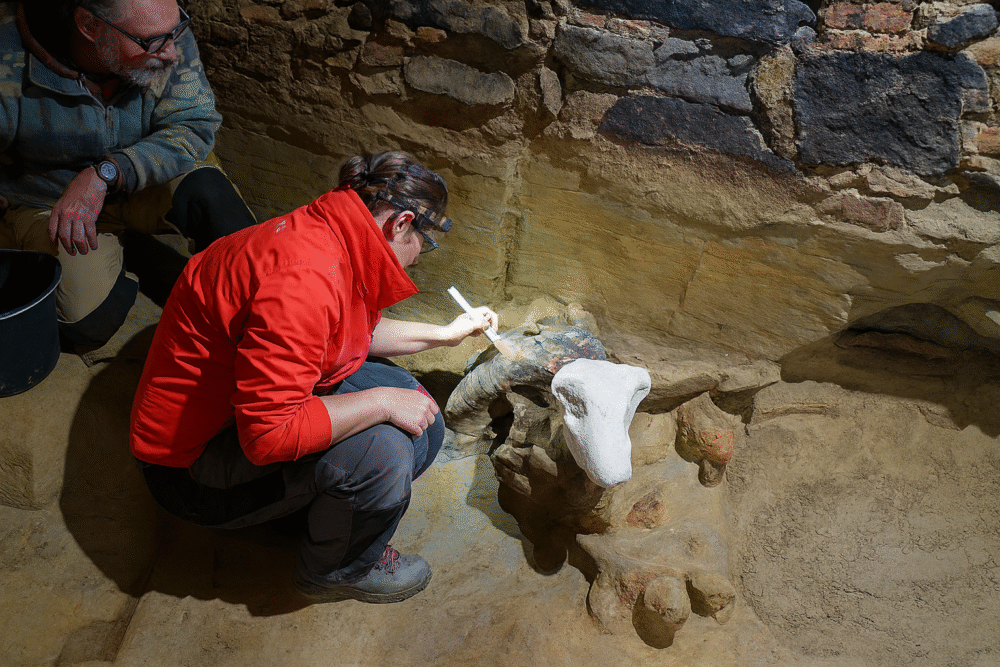
In the Austrian village of Gobelsburg, a simple wine-cellar renovation took an extraordinary turn. Winemaker Andreas Pernerstorfer uncovered massive bones beneath his cellar floor that turned out to belong to at least three mammoths, dated between 30,000 and 40,000 years old. Archaeologists describe the site as an “archaeological sensation,” highlighting the rare density of remains and potential clues about Ice-Age human hunting methods. The discovery is now being carefully excavated, with the finds set to undergo restoration at Vienna’s Natural History Museum.
Read more

Earth Is Splitting Open Beneath the Pacific Northwest — Scientists Are Watching Closely

Geologists say a growing rift deep underground could reshape part of North America’s Pacific edge.

©Image license via Chat GPT

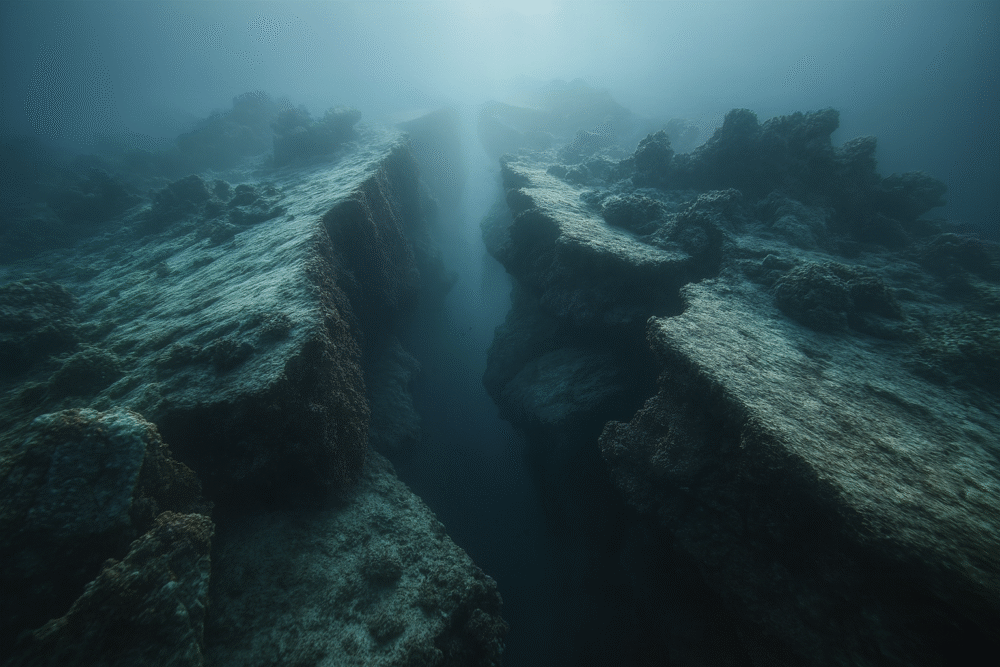
Far beneath the forests and coastlines of the Pacific Northwest, scientists have discovered that Earth’s crust is slowly tearing apart. Using satellite and seismic data, researchers detected a widening rift zone deep underground — a process that could one day alter the region’s landscape. While the movement is unfolding over millions of years, it offers rare insight into how continents evolve and separate. For geologists, it’s a living snapshot of Earth’s restless, ever-changing interior.

Read more

If Global Warming Passes 2°C, These 10 Places Could Vanish Forever

Scientists warn that a 2°C rise could push entire regions past the point of survival.

Outdoor scene, thermometer at 40°C, golden sky with sun and clouds, afternoon light, editorial travel photo, no people.
©Image license via iStock

It’s the number climate scientists fear most: 2 degrees Celsius. Crossing that threshold could trigger irreversible damage to ecosystems, coastlines, and entire nations. From sinking island chains to regions turning uninhabitable from heat or drought, the world’s geography could change within a lifetime. The latest research warns that some of Earth’s most recognizable places—cultural landmarks, forests, and even countries—might not survive the century if global warming continues unchecked.

Read more

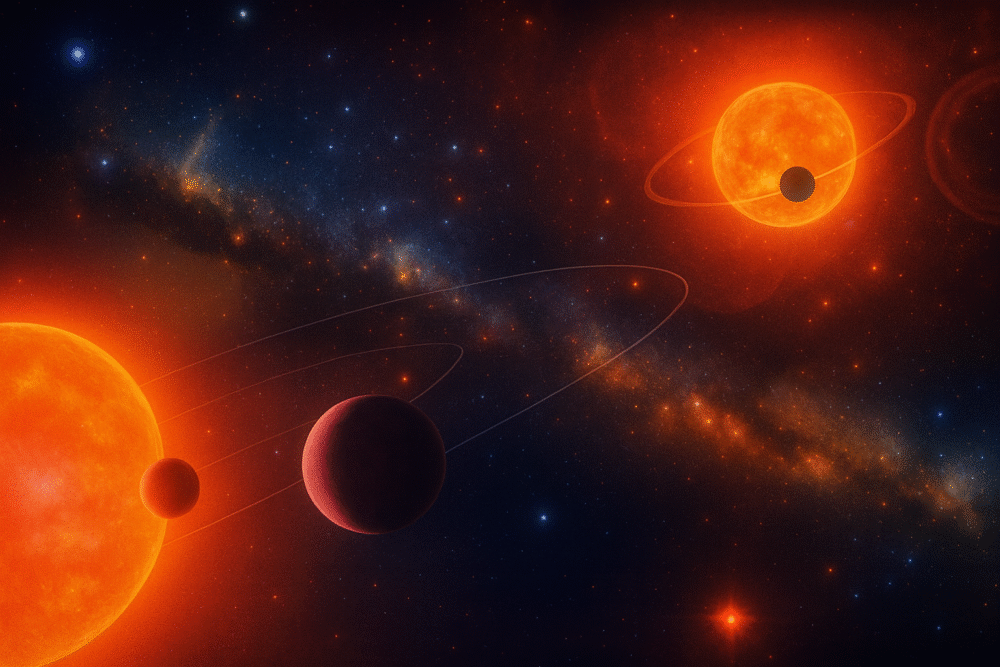
Astronomers Spot Three Earth-Sized Worlds Orbiting a Binary Star System

Three Earth-sized planets have been found orbiting twin stars—challenging what we thought we knew about planet formation.

©Image license via Chat GPT

An international team of astronomers has discovered three Earth-sized planets orbiting a binary star system named TOI-2267, located approximately 190 light-years away. In a first for exoplanet research, two of the planets orbit one of the stars while the third orbits its companion—making this the first known system where planets transit both stars. The existence of rocky worlds in such a compact, gravitationally complex environment upends prevailing theories about how and where planets can form, opening new frontiers in the search for habitable worlds.

Read more

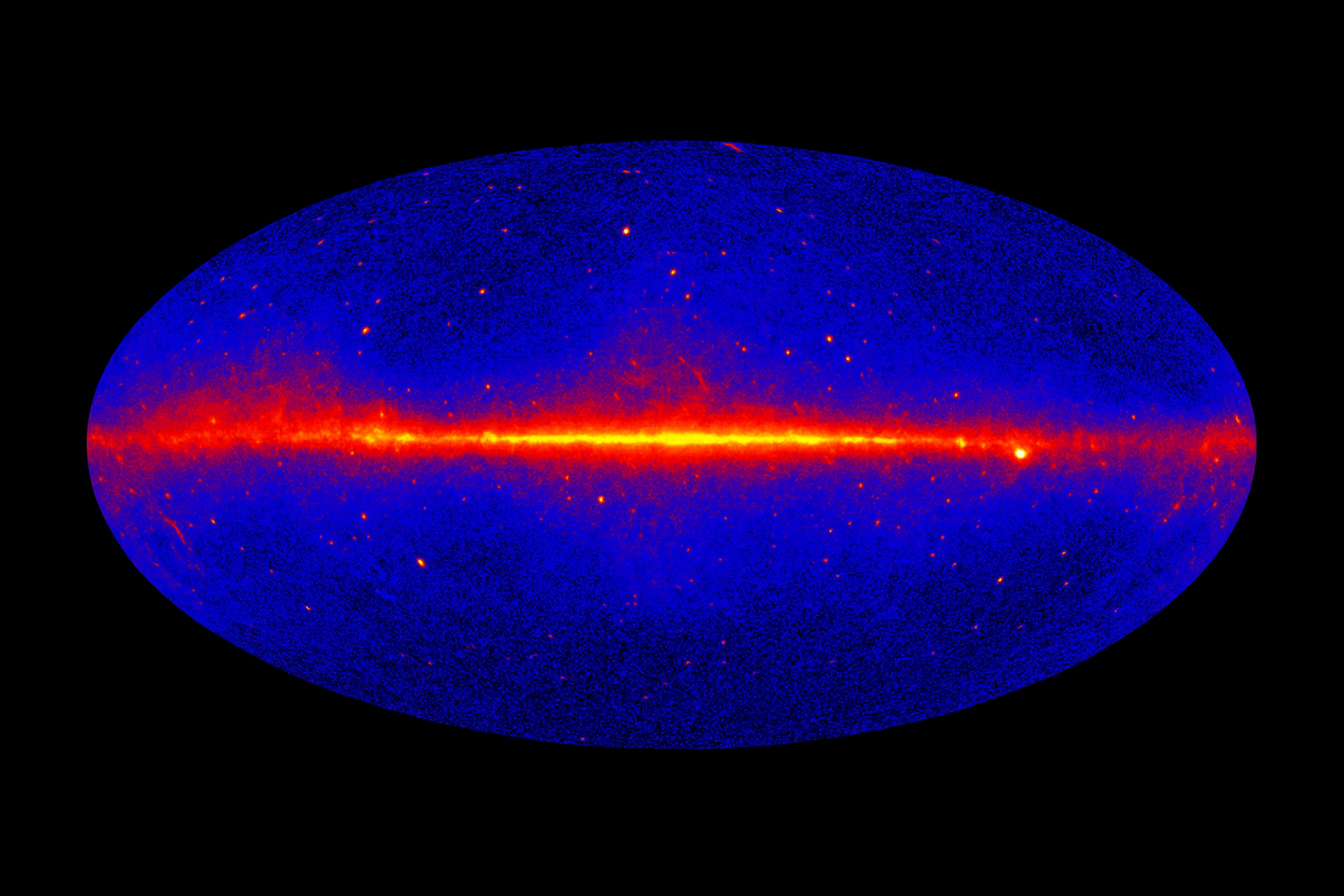
Astronomers Zero In on Mysterious Glow in the Milky Way — Could It Be Dark Matter?

A strange gamma-ray glow near the Milky Way’s center may offer the first real evidence of dark matter.

©Image license via Chat GPT

Astronomers are investigating a mysterious gamma-ray glow at the heart of the Milky Way that could be linked to dark matter — the invisible substance thought to make up most of the universe. Using new data and computer models, researchers found signals that match long-standing predictions for dark matter particle interactions. While other explanations, such as pulsars, remain possible, scientists say the findings bring them closer than ever to confirming one of physics’ greatest cosmic mysteries.

Read more

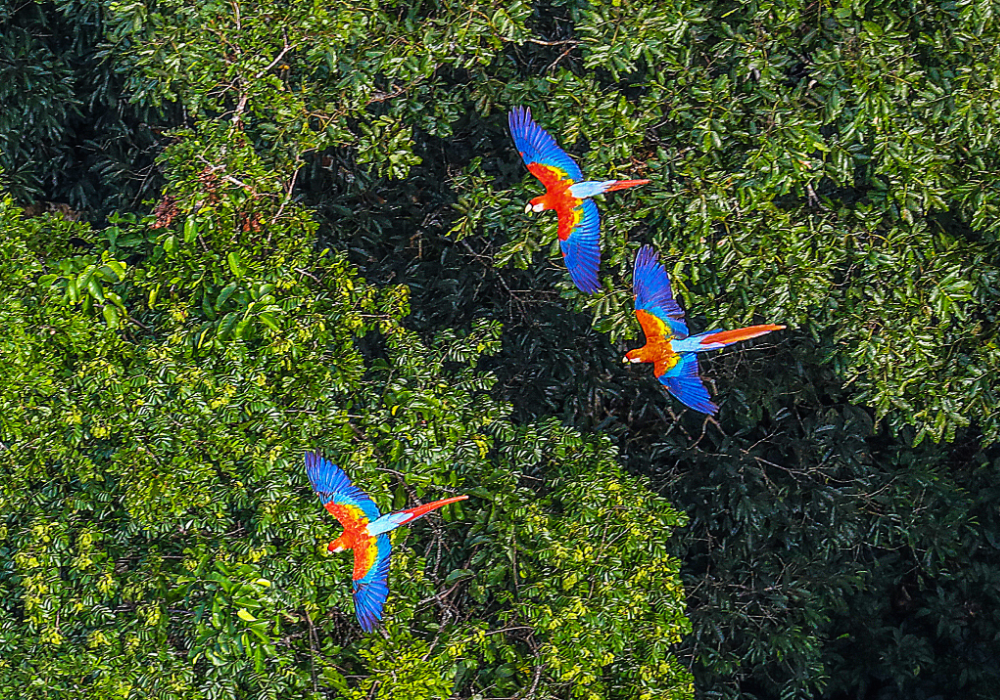
Scientists Warn the Amazon Could Turn Into a Dry, Open Savanna by 2070

New research warns the Amazon is nearing an irreversible tipping point as deforestation and climate change push it toward collapse.

©Image license via Canva

Scientists say the Amazon Rainforest—the planet’s largest and most vital ecosystem—may be closer to collapse than previously thought. New climate models show that continued deforestation, rising temperatures, and declining rainfall could push vast regions of the forest past a critical tipping point by 2070. Once that threshold is crossed, much of the lush rainforest could transform into dry grassland or savanna, threatening millions of species, disrupting rainfall patterns, and accelerating global climate change.

Read more

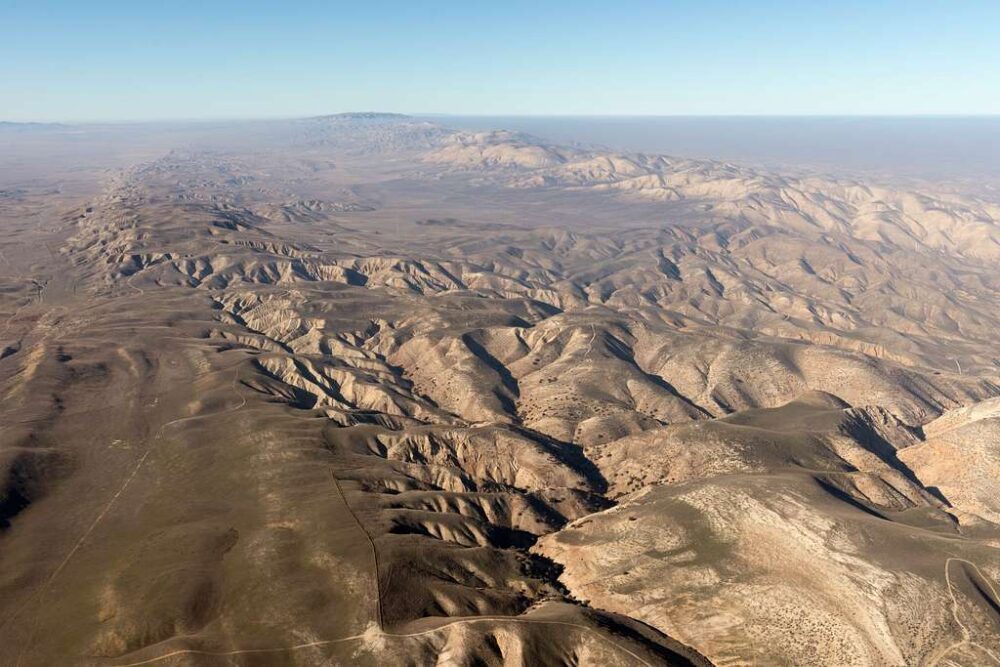
Two Fault Lines Are Moving Together—Here’s Why Scientists Are Worried

New research shows the San Andreas Fault and Cascadia Subduction Zone may be connected—raising earthquake risks along the U.S. West Coast.

©Image license via Picryl

Scientists have uncovered compelling geological evidence that two of North America’s major fault lines—the San Andreas Fault in California and the Cascadia Subduction Zone off the Pacific Northwest—may sometimes move in tandem. Sediment cores from offshore off northern California show “doublets” of underwater landslides caused by seismic shaking in both fault systems within minutes to hours of each other. Although this doesn’t mean an earthquake is imminent, researchers say the link could amplify risks for millions living along the coast.

Read more

The Great Pacific Garbage Patch Is No Longer Just Trash—It’s Alive

Marine biologists say plastic debris in the Pacific has become home to thriving colonies of coastal species, forming a new—and uncontrollable—ocean ecosystem.

©Image license via Chat GPT

What began as a swirling mass of floating trash in the Pacific Ocean has evolved into something entirely unexpected: a living ecosystem. Recent studies show that the Great Pacific Garbage Patch, now spanning more than 600,000 square miles, is hosting thriving communities of coastal organisms clinging to drifting plastic. Scientists warn this “neopelagic” ecosystem—where land-based species survive far from shore—could disrupt natural ocean food webs, spread invasive life forms, and permanently alter marine environments worldwide.

Read more

If an Asteroid Strikes Earth, These Impact Zones Would Take the First Hit

New simulations reveal the regions most vulnerable to an asteroid strike—and how shockwaves could ripple across the planet.

©Image license via Canva

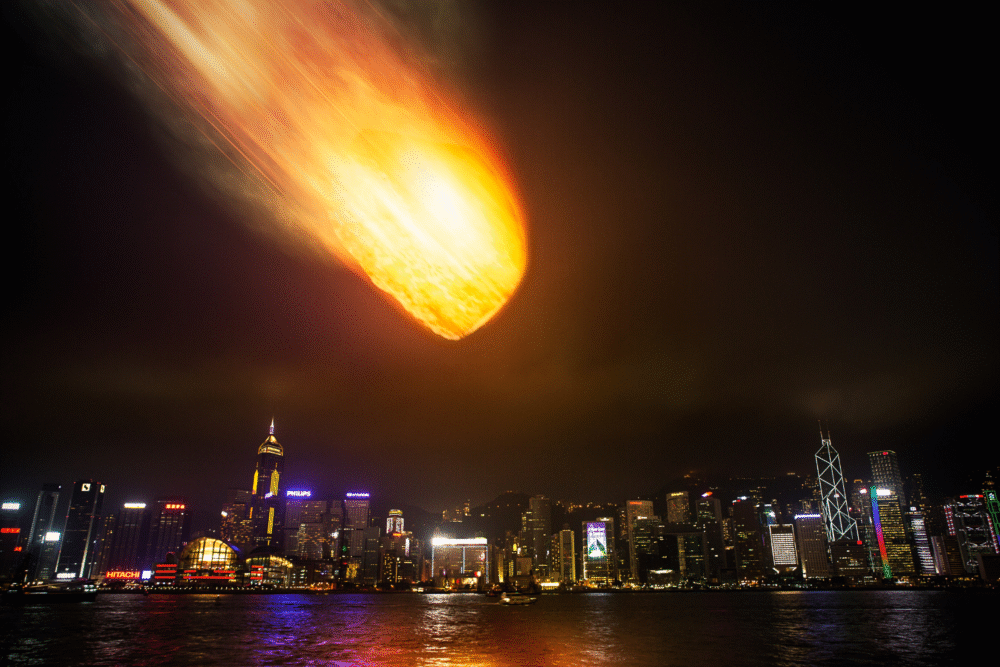
Scientists are using advanced simulations and global mapping data to determine which regions would take the first hit if a large asteroid struck Earth. Although the odds of a catastrophic impact are extremely low, experts say preparation is essential. Using models that factor in speed, size, and entry angle, researchers can estimate where an asteroid would most likely land—and how shockwaves, tsunamis, and debris fallout would spread. The findings reveal how geography and ocean depth could shape global consequences.

Read more

What Would Happen if Earth’s Core Cooled—and Why It’s Not Just Science Fiction

Geophysicists warn that a cooling core could disrupt the shield protecting Earth from deadly radiation.

Outer space, sliced Earth with glowing core, continent details, dark cosmic backdrop, editorial travel photo style, no people.
©Image license via Canva

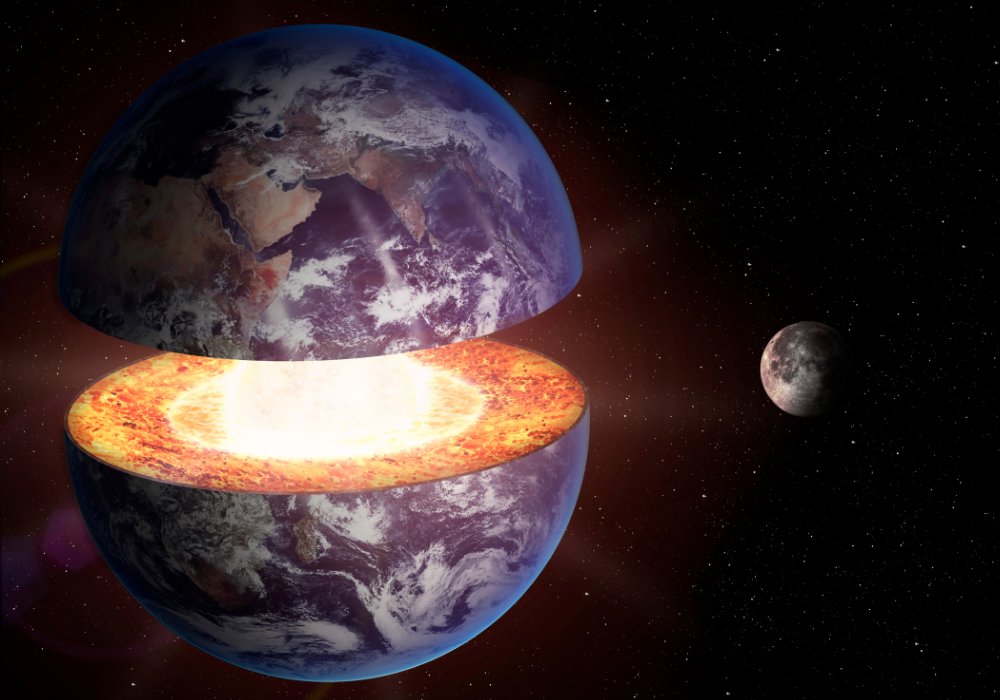
Deep beneath our feet lies a vast molten engine—the Earth’s core—that powers the planet’s magnetic field, drives plate tectonics, and helps sustain life as we know it. But what if that inner engine began to cool faster than scientists expected? While a total shutdown isn’t imminent, new studies suggest the core is losing heat at a measurable rate. If it were ever to cool completely, the consequences would reach far beyond geology. From collapsing magnetic fields to atmospheric chaos, here’s what scientists say could happen if Earth’s core began to go cold.

Read more