Could You Live Off the Land? 10 Essential Plants Every Forager Should Know

Nature provides more than you think—if you know what to look for.

©Image license via Canva

Foraging isn’t just a survival skill—it’s a way to reconnect with nature, eat seasonally, and tap into a food source that’s been around since the beginning of human history. While grocery stores make it easy to forget, the wild is full of edible, medicinal, and nutrient-packed plants that have sustained people for centuries. The trick? Knowing which ones to pick and which ones to avoid.

Some wild plants can replace your greens at dinner, provide natural remedies, or even keep you hydrated in a pinch. Others, however, are toxic lookalikes waiting to fool the untrained eye. Whether you’re interested in self-sufficiency or just want to add some wild flavor to your plate, these ten plants are the foundation of any forager’s knowledge. Learn them well, and the land might just take care of you.


Read more

10 Ways You Can Turn Ordinary Meals Into Meditation Without Looking Strange

Eat with intention, find your calm, and make every meal a moment of Zen.

©Image license via Canva

Most meals feel like a race against time. Food gets scarfed down between meetings, scrolled past on screens, or inhaled so quickly that flavors barely register. Eating on autopilot might be efficient, but it robs the body and mind of a powerful opportunity to reset, recharge, and relax. Stress levels drop when food is enjoyed with awareness. Digestion improves, cravings lessen, and meals become more satisfying when the act of eating slows down.

Mindfulness doesn’t require a meditation cushion or chanting over your plate. Small, barely noticeable habits can turn an ordinary meal into a calming ritual without making anyone at the table raise an eyebrow. The trick is to stay present in subtle ways—paying attention to flavors, chewing more intentionally, or taking a deep breath before diving in. These effortless techniques bring peace to every bite, transforming routine meals into moments of mindfulness without looking strange.

Read more

How Your Gut Controls Your Mood – 12 Breakthroughs Connecting Digestion And Happiness

Feeling anxious or depressed? Your gut could be the real culprit.

©Image license via Canva

Mood swings, stress, and emotional crashes often start in the gut before they ever reach the brain. The gut microbiome, home to trillions of bacteria, plays a critical role in producing neurotransmitters like serotonin and dopamine that regulate mood, energy, and stress levels. An imbalanced gut can lead to brain fog, irritability, and even symptoms of anxiety and depression.

Around 90% of serotonin is produced in the gut, making digestion a key player in mental well-being. When gut bacteria are thriving, they help maintain emotional stability, reduce inflammation, and improve resilience to stress. Processed foods, poor sleep, and chronic stress disrupt this delicate balance, leading to digestive issues that directly impact mood.

Science is proving that gut health is the missing piece in mental wellness. Restoring balance in the digestive system can lead to lasting improvements in mood, energy, and overall emotional resilience.

Read more

Planetary Health Is Trending—Here’s Why Your Life Depends on These 10 New Ideas

Your survival depends on rethinking how we treat the Earth.

©Image license via Canva

The planet is in rough shape, and so are we. Toxic air is wrecking our lungs, heatwaves are breaking records, and food shortages are becoming a real threat. Climate change is no longer a problem for the future—it is already hitting home, affecting everything from the water we drink to the diseases we face. If the Earth is sick, so are we.

But here’s the good news: a wave of groundbreaking ideas is proving that healing the planet and protecting human health go hand in hand. Cities are being redesigned to withstand climate chaos, food is being grown in ways that restore nature, and entire industries are shifting to eliminate waste. These are not just environmental solutions—they are survival strategies.

The way forward is clear. Taking care of the Earth is no longer optional if we want to live longer, healthier lives.

Read more

Stop the Scroll—12 Hacks to Undo Years of Phone-Induced Neck Damage

Your phone is wrecking your posture, but you don’t have to live with the pain.

©Image license via Canva

Scrolling, texting, binge-watching—it’s all adding up. That nagging stiffness in your neck? The tension creeping into your shoulders? That’s not just stress. It’s “tech neck,” and it’s what happens when hours of staring down at a screen strain your muscles, compress your spine, and mess with your posture.

Over time, this constant forward-leaning position can cause chronic pain, tension headaches, and even permanent misalignment in your spine. The more you ignore it, the worse it gets. Slouching becomes second nature, mobility decreases, and before you know it, simple movements like turning your head feel stiff and uncomfortable.

Reversing the damage doesn’t require extreme lifestyle changes or expensive treatments. A few small tweaks to your daily habits can loosen tight muscles, improve posture, and prevent further strain. These 12 simple hacks will help undo years of phone-induced neck damage—before it becomes a lifelong problem.

Read more

13 Bizarre but Brilliant Ways to Stop Pollen From Ruining Your Life

Allergy season doesn’t stand a chance if these unexpected tricks are put to the test.

©Image license via Canva

Spring should be about blooming flowers and warm weather, not endless sneezing fits and itchy eyes. Yet for millions of people, pollen turns every outdoor adventure into a battle against congestion, headaches, and a nose that won’t stop running. And it’s not just a minor inconvenience—pollen allergies can wreck sleep, tank energy levels, and make stepping outside feel like entering a war zone.

Over-the-counter allergy meds can help, but they don’t work for everyone, and relying on them daily isn’t ideal. Fortunately, there are plenty of lesser-known (and sometimes downright bizarre) ways to fight back against pollen. Some may seem unusual, but allergy sufferers swear by them, and science backs up more than a few. From surprising home hacks to weird but effective lifestyle changes, these 13 tricks will help allergy sufferers take control—without spending the entire season stuck indoors.

Read more

Eating Pistachios Might Be the Healthiest Trend You’ll Try This Year—Here Are 13 Reasons

Unlock the powerful health benefits hidden in this tasty little nut.

©Image license via Canva

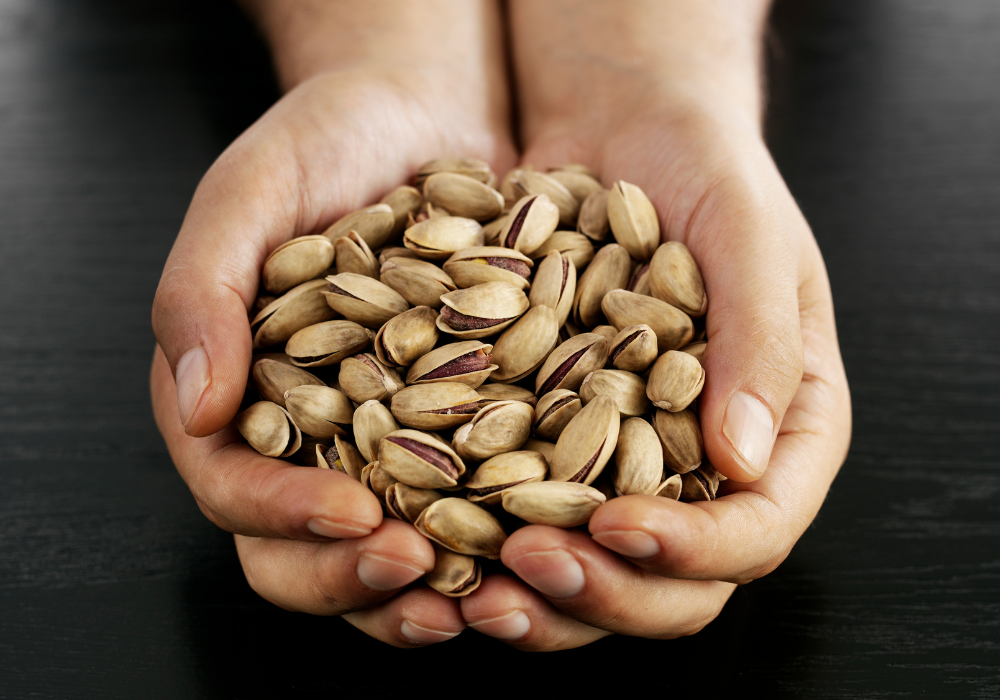
Trendy health foods come and go (looking at you, celery juice), but pistachios? They’ve been quietly crushing the nutrition game for centuries. Packed with protein, loaded with healthy fats, and rich in antioxidants, these tiny green wonders might just be the easiest and most delicious way to boost your well-being this year. Unlike most superfoods that require fancy recipes or a strong tolerance for bland flavors, pistachios are the kind of health hack you’ll actually enjoy.

What makes them even better? They’re versatile, portable, and scientifically proven to support everything from heart health to better sleep. Plus, they’re one of the few snacks that actually force you to slow down—thanks to those little shells, you can’t just inhale a whole bag in seconds (looking at you, potato chips). Whether you eat them straight up, blend them into smoothies, or sprinkle them on salads, pistachios are about to become your new favorite obsession.

Read more

Who Needs Fish Oil? These 11 Plant-Based Omegas Pack the Same Power (Without the Smell)

Skip the fishy aftertaste—these plant-based omega sources deliver all the benefits, minus the catch.

©Image license via Canva

If you’ve ever taken fish oil, you probably remember the experience—not in a good way. That fishy aftertaste lingers, and let’s not even talk about the burps. But for years, it’s been treated as the holy grail of omega-3s, like there’s no other way to get those essential fats. Spoiler: there absolutely is.

Fish don’t magically produce omega-3s; they get them from plants. Which means you can skip the middleman (or middle-fish) and go straight to the source. Whether you’re plant-based, hate seafood, or just want to avoid smelling like a fish market, there are plenty of other ways to load up on brain-boosting, heart-loving omegas. Seeds, nuts, algae—it’s all on the table. No sketchy aftertaste, no fishing boats involved. These 11 plant-based sources pack just as much power as fish oil, and they taste way better doing it.

Read more

Doctors Finally Recognize You’re More Than Your Symptoms With These 10 Approaches

Turns out, the best healthcare upgrade isn’t technology—it’s genuine human connection.

©Image license via Canva

You know the drill—you shuffle into the doctor’s office, mentally rehearsing symptoms like you’re preparing for a high-stakes quiz, only to find yourself hustled through an assembly line of quick questions and quicker prescriptions. But here’s the good news: medicine is finally catching up to the reality that you’re not just a walking list of symptoms—you’re a complex human being with emotions, stressors, and yes, a binge-watching habit that occasionally interferes with your sleep. Doctors are increasingly recognizing that your health puzzle includes mental, emotional, and lifestyle pieces, not just physical aches and pains.

This refreshing change isn’t just trendy medical buzz—it’s backed by solid research and a chorus of patient voices demanding better care. So, if you’ve ever felt like a number rather than a person in a doctor’s office, it’s time to breathe a sigh of relief. From empathy training to treating anxiety with the same seriousness as allergies, here’s how modern medicine is finally catching up and seeing the whole you.

Read more

10 Transformative Grounding Practices to Reconnect with the Earth and Restore Your Energy

Recharging starts from the ground up—literally.

©Image license via Canva

Modern life pulls us away from the natural world, leaving us overstimulated, disconnected, and exhausted. Between endless screen time, artificial environments, and the demands of a fast-paced society, it’s easy to forget that the earth itself is one of the greatest sources of healing energy. Grounding—also known as earthing—is the practice of physically and energetically reconnecting with nature to restore balance, calm the nervous system, and regain a sense of wholeness.

These practices go beyond simple mindfulness. By physically interacting with the natural world, you can reduce stress, stabilize emotions, and recharge your body’s energy. Whether you live in the city or the countryside, grounding is accessible to everyone. These 10 powerful grounding techniques will help you reconnect with the earth and find a renewed sense of clarity and vitality.

Read more