Your brain was learning fast, but it wasn’t built to store memories the way it does now.
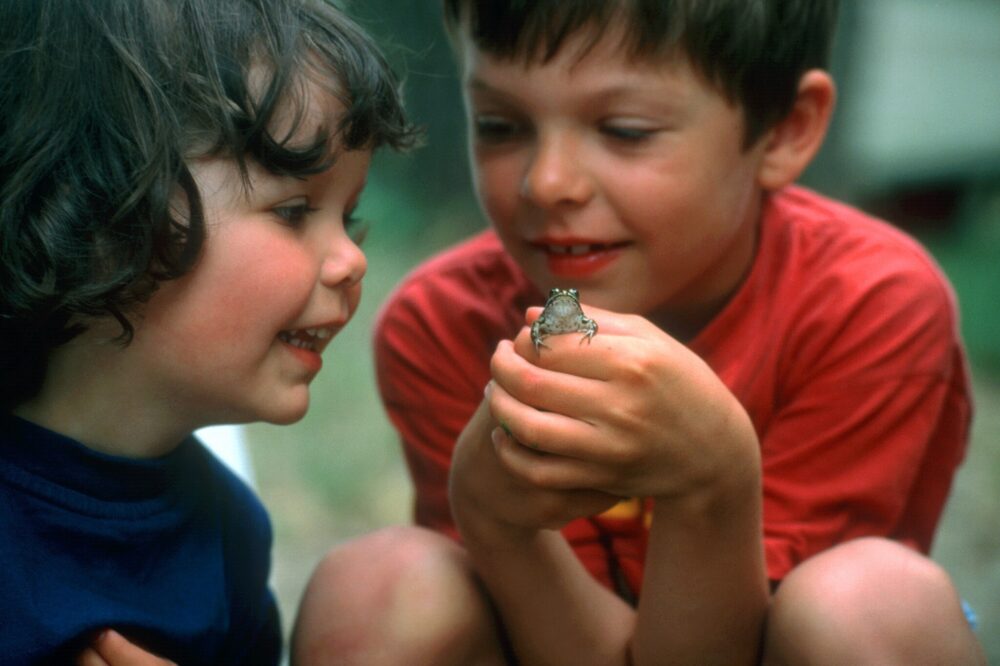
Most adults struggle to remember much from their earliest years, even though childhood is filled with intense learning, emotion, and first-time experiences. This gap in memory isn’t unusual or personal — it’s a well-documented feature of human development known as childhood amnesia.
Researchers in neuroscience and developmental psychology have shown that young children do form memories, but their brains store and organize them very differently than adult brains do.
As the brain matures, systems tied to language, identity, and long-term recall undergo major restructuring. That reshaping helps explain why early memories fade, even though they once existed and mattered.
Click through to learn why most of us can’t remember anything before age three.