They Called It a Disorder—But These 10 ‘Symptoms’ Are Also Strengths

What you’ve been told to hide might be exactly what sets you apart.
©Image license via Canva

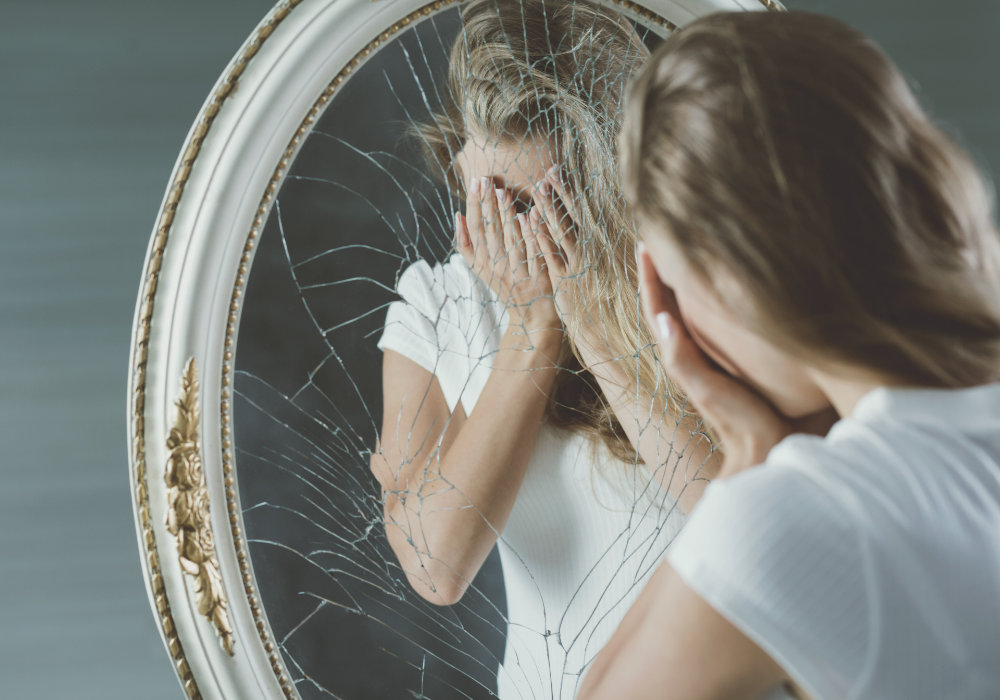
For too long, certain traits have been boxed in as flaws. They’ve been measured, labeled, and handed back to people like proof they’re broken. But the reality is far more complicated. What gets framed as dysfunction is often just difference—sometimes a difference the world doesn’t know how to handle, or refuses to understand. Those fast-moving thoughts, restless energy, or deep emotional intensity? They’re not weaknesses by default.

When you look closer, you start to see the flip side. The very traits criticized in clinical checklists can fuel creativity, resilience, and perspective that others miss. It’s not about ignoring the real challenges, but about recognizing that those same patterns carry power too. Once you stop seeing these traits as liabilities, you can finally start using them as tools. The parts of you that felt like burdens might just turn out to be your sharpest advantages.

Read more

You’re Playing a Rigged Game—11 Ways the Economy Sets You Up to Fail

You were never meant to win under rules written against you.

©Image license via Canva

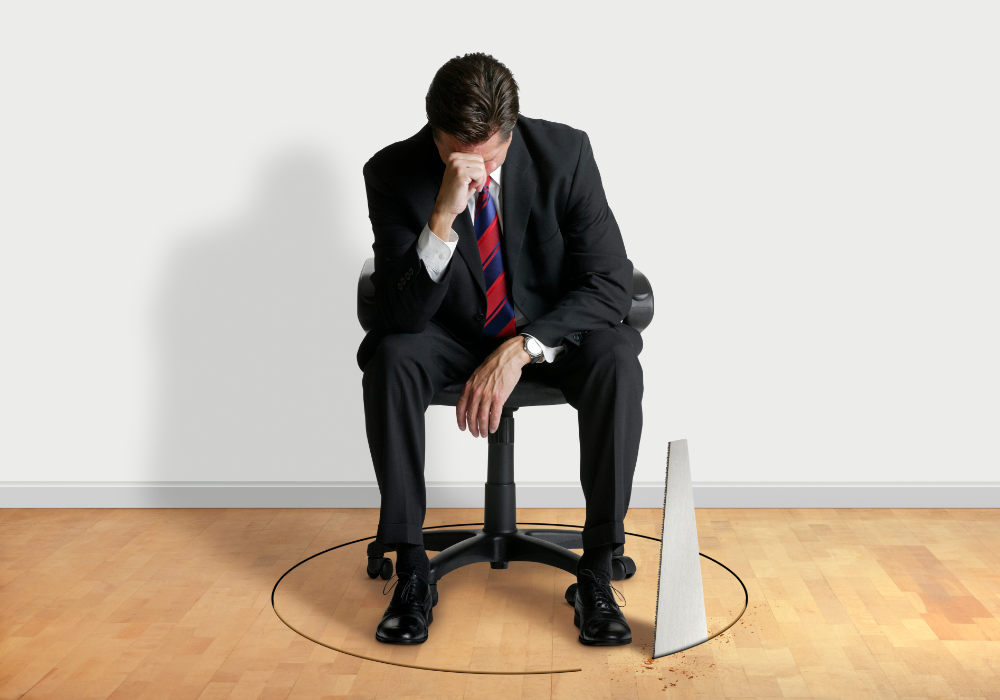
Most of us are taught that success comes down to effort. Work hard, stay focused, and things will eventually fall into place. But the deeper you go, the clearer it becomes: this isn’t a fair fight. Wages have stalled while prices soar, wealth pools at the top while everyday people scramble, and somehow, you’re expected to believe it’s all personal failure.

It’s not. The system is built to exhaust you while keeping you hooked on the promise of eventual payoff. What looks like bad luck is often baked into the very structure of how things work. And if you’ve felt like no matter how hard you push, you’re still falling behind, you’re not imagining it. These 11 realities expose just how deeply the odds have been stacked—and why it’s not you that’s broken, it’s the game itself.

Read more

Holding On Until It Hurts? 13 Signs It’s Time to Let Go of the Friendship

When holding on costs you more than walking away, it’s time to listen.

©Image license via Canva

Friendship is supposed to feel like home. But sometimes, the people we trust most stop feeling like safe places. Letting go of a friendship feels like breaking an invisible promise—one you never imagined you’d question. So you hang on longer than you should, telling yourself it’s just a rough patch, just a misunderstanding, just a phase.

Deep down, there’s a quiet knowing that things have shifted. Maybe you’ve grown in different directions, or maybe the connection now feels more draining than energizing. The signs start small, but they add up fast. And when they do, it’s not selfish to let go—it’s survival. These 13 signs will help you see the truth that’s been tugging at you all along, and remind you: walking away from what weighs you down is one of the most freeing choices you can make.

Read more

Online Youth Culture Is Fueling a New Moral Panic—Here Are 12 Reasons Why

The rules young people are writing are leading straight to repression.

©Image license via Canva

The internet was supposed to be freedom’s playground—a place to explore, push limits, and leave old rules behind. For a while, it was. But when fear creeps in, America always races back to control. Prohibition turned panic into policy, banning alcohol in the name of public good but creating chaos instead. The Hays Code gutted Hollywood films for decades, silencing anything too daring or complex. These crackdowns follow a pattern, and we’re back in it now.

Once again, the lines are tightening. Fear of getting it wrong is everywhere, and the list of forbidden ideas keeps growing. Rules meant to protect are choking out freedom instead. The scariest part? We’ve seen this before, and we know how it ends. If we don’t call it out while there’s still time, we’ll find ourselves trapped in the same cycle—only this time, there might be no way back.

Read more

Make It. Burn It. These 12 Artistic Rituals Were Meant to Be Seen By You—And Only You

Meaning lives in the making, not the masterpiece.

©Image license via Canva

There’s something freeing about creating art that’s never meant to last. No pressure to perfect it, no audience to impress, no expectations hanging over your head. It’s just you, your materials, and the moment. That’s where the real magic happens. Art like this becomes a conversation with yourself, not a performance for the world. It shifts the focus away from outcomes and back toward feeling, expression, and release.

When you let go of permanence, you make space for honesty. The act of creating—and sometimes destroying—helps process emotions that words can’t always reach. It’s catharsis in motion. These rituals aren’t about keeping evidence of your effort. They’re about feeling the full weight of the process, even if the result vanishes. What stays with you isn’t the final product. It’s the clarity, the calm, and the quiet transformation you carry long after it’s gone.

Read more

11 Game-Changing Meditation Practices to Quiet Your Busy Brain

Meditation isn’t just for monks—it’s for anyone who’s mentally exhausted.

©Image license via Canva

Trying to meditate with a mind that won’t shut up feels like trying to nap in a hurricane. You sit still, close your eyes, and your brain immediately starts scrolling through every embarrassing thing you’ve ever said. Sound familiar? That’s because most people don’t have the luxury of a calm inner world. Life is noisy, and your brain didn’t get the “quiet down” memo.

But meditation doesn’t have to mean perfect stillness or an empty mind. It just means pausing long enough to notice what’s going on in there—and learning how to ride it out without spiraling. These practices are for real people with real stress and way too many tabs open, mentally and emotionally. You don’t need incense or an hour of silence. You just need a few minutes, a little curiosity, and the willingness to try something that might actually help.

Read more

Life Doesn’t Let Up—But These 13 Tools Will Strengthen Your Emotional Resilience

You can’t stop the chaos, but you can change how you carry it.

©Image license via Canva

Resilience doesn’t mean pretending you’re okay all the time. It’s not about being tough or unaffected—it’s about learning how to move through life’s hard moments without losing yourself. And in a world that rarely slows down, building emotional resilience isn’t just helpful. It’s essential.

You don’t need to be naturally calm, endlessly patient, or wired for optimism to become more resilient. These tools are learnable. They’re practical. And they meet you exactly where you are—even if that place is exhausted, scattered, or on the edge of burnout. They won’t make life easy, but they can make you sturdier. They can help you feel less like you’re bracing for the next hit and more like you can handle what’s coming. If the chaos isn’t going anywhere, it matters how you carry it.

Read more

The ‘Scary Mental Illness’ Stereotype Needs to Die—11 Steps Toward Real Care and Understanding

When fear replaces empathy, stigma does more damage than the illness.

©Image license via Canva

We’ve all seen the headlines: violent crime, mass chaos, and a vague mention of “mental illness” tacked on like an explanation. But real mental health struggles rarely look like the stories we’re fed. Most people with diagnoses like schizophrenia, bipolar disorder, or borderline personality disorder aren’t dangerous. They’re exhausted. Misunderstood. Isolated. The scary stereotype doesn’t just miss the mark—it actively harms the people it claims to describe.

When the world treats you like a threat, you stop feeling safe asking for help. Hospitals get replaced with handcuffs. Support turns into suspicion. And the more fear takes up space, the harder it becomes to offer real care. This list isn’t about fixing everything overnight—it’s about naming the harm, undoing the myths, and creating a culture where people don’t have to choose between hiding their symptoms or being treated like a monster.

Read more

From Aries to Pisces: How the 12 Signs Cope with Stress and Anxiety

The way you cope might be written in your birth chart, not your personality.

©Image license via Canva

Everyone handles stress differently, and astrology might hold the answers. Your zodiac sign shapes your emotional habits, influencing how you respond when life gets overwhelming. Aries leaps into action, Taurus doubles down on routine, and Gemini starts chatting a mile a minute. Each sign’s approach makes sense through the lens of astrology, providing valuable insights into managing stress better.

The key is understanding these patterns clearly. By recognizing how each sign naturally deals with anxiety, it becomes easier to channel that energy into healthier outlets. Instead of getting caught in cycles of panic or burnout, learning the unique ways your sign copes with stress can lead to greater balance and clarity. Astrology doesn’t just predict behavior—it explains the underlying reasons, helping everyone better understand their stress triggers and uncover healthier ways of navigating life’s pressures.

Read more

These 14 Journal Prompts Help You Stop Sabotaging the Life You Actually Want

Change starts when you get honest with the part of you that’s scared.

©Image license via Canva

Self-sabotage isn’t always loud. Sometimes it looks like procrastinating the things you care about, ghosting opportunities that feel too good, picking fights when things finally feel safe, or freezing just as you’re about to make progress. It’s easy to call that laziness or weakness, but it’s usually something more complicated. Often, some part of you has learned that success, intimacy, or visibility isn’t safe—and that part is trying to protect you, even if it’s doing a terrible job at it.

Journaling can help untangle what’s underneath. It’s not about forcing insight or writing your way into productivity. It’s about getting honest with yourself about what you’re afraid of, what you’re avoiding, and what stories are still running your life. These prompts aren’t quick fixes. But they can offer clarity, release, and a quieter space to meet the parts of you that are scared of wanting more. And that’s where real change begins.

Read more