11 Ways Gen Z Is Inheriting the Climate Fallout—and Cleaning Up the Mess

Gen Z faces complex inherited challenges while actively creating solutions in social and environmental realms.

©Image license via Canva

Gen Z stands at a crossroads, inheriting a world shaped by social inequality, climate change, and economic uncertainty. This generation’s approach goes beyond acknowledgment, as they develop innovative strategies to tackle these inherited issues head-on.

According to insights from sociologists at the Pew Research Center, understanding generational trends highlights how Gen Z balances activism, technology, and sustainability. Their proactive responses include advocating for social justice, embracing mental wellness, and pioneering economic resilience, marking a distinct path forward in a challenging landscape.

Read more

11 Places People Are Already Being Forced to Leave Because of Climate Change

From sinking islands to scorched towns, these places show how climate change is already displacing people.

©Image license via Canva

Climate migration refers to the movement of people caused by environmental changes such as sea level rise, extreme weather events, drought, and flooding. These changes disrupt livelihoods and force vulnerable populations to relocate, often permanently. Understanding climate migration involves considering environmental displacement in both urban and rural settings, influenced by complex social, economic, and political factors.

Recognizing hotspots where climate migration is occurring or expected to increase can help individuals and policymakers prepare and respond effectively. Long-term resilience and adaptation strategies in these regions are critical to supporting affected communities and managing migration patterns sustainably.

Read more

The Hidden Price Tag of Climate Change Is About to Shock Your Wallet

From food to housing, the rising cost of survival could soon push everyday life out of reach.

©Image license via Canva

Climate change isn’t just reshaping the planet—it’s reshaping your wallet. The price of basics like food, water, and energy is climbing faster than most households can keep up with. What once felt stable and affordable is now unpredictable, as extreme weather, droughts, and rising demand strain the systems we rely on every day.

For millions, the cost of survival is no longer a background worry but a growing threat to daily life. The reality is stark: in a warming world, even the essentials may soon feel out of reach.

Read more

The Unexpected Perks of Living With Just One Car

Living with just one car can simplify your life, cut costs, and open up more freedom than you’d expect.

©Image license via Canva

Most families think they absolutely need two cars to function in modern society, but what if that second vehicle is actually making your life more complicated rather than easier? The average American household spends about $9,600 per year on each car they own, between payments, insurance, gas, and maintenance. That’s nearly $20,000 annually for two vehicles—money that could go toward vacations, retirement, or paying off debt faster.

But the benefits of downsizing to one car go far beyond just saving money. Couples who make this choice often discover that sharing a vehicle strengthens their relationship, simplifies their daily routines, and opens up lifestyle possibilities they never considered. Sometimes having less really does give you more.

Read more

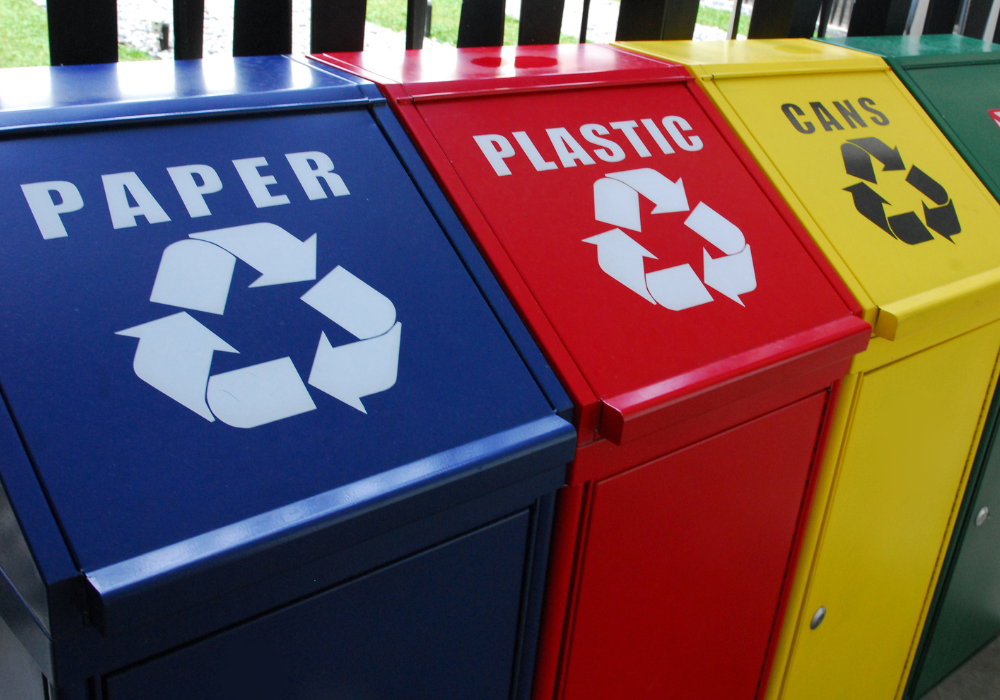
10 Items You’re Putting in the Recycling Bin That Are Just Making Things Worse

Common household items that contaminate recycling streams and end up in landfills anyway.

©Image license via Canva

You diligently rinse out that peanut butter jar, toss it in the recycling bin, and feel good about saving the planet. But what if that noble gesture is actually making things worse? Turns out, recycling is way more complicated than the little triangle symbols suggest, and some items that seem obviously recyclable are actually recycling facility nightmares.

These well-meaning mistakes can jam sorting machines, contaminate entire batches of good recyclables, and cost taxpayers millions in cleanup and repairs. The dirty secret of the recycling industry is that “wishcycling”—throwing questionable items in the bin and hoping for the best—causes more environmental damage than just putting them in the trash.

Read more

Want to Fight Climate Change? Start With These 12 Diet Tweaks

Your meals matter more than you think—these 12 diet tweaks can cut emissions and fight climate change.

©Image license via Canva

You’ve probably switched to LED bulbs and considered buying an electric car, but there’s a powerful climate action sitting right in your kitchen that you might be overlooking. Your daily food choices have a massive environmental impact—sometimes bigger than your transportation decisions.

The average American diet generates about 4 tons of CO2 annually, but small changes in what you eat and how you shop can cut that number dramatically without requiring you to become a full-time vegan or grow your own vegetables. The beautiful thing about climate-friendly eating is that most changes also happen to be healthier, cheaper, or more delicious than the alternatives.

Read more

What Today’s 5-Year-Olds Will Face as Adults: Climate Reality Check

From rising seas to extreme weather, here’s how climate change will reshape the world your child grows up in.

©Image license via Canva

Picture your child at their high school graduation in 2037. The world they’re stepping into will look dramatically different from the one you grew up in. While children today play outside and dream about their futures, climate scientists are mapping out a planet that will challenge every assumption about normal life.

Rising temperatures aren’t just numbers on a chart—they’re reshaping everything from the foods we eat to the places we can live. The kids building sandcastles today will inherit coastlines that may no longer exist, seasons that arrive at unexpected times, and weather patterns that would seem extreme to us now.

Read more

Millennials Are Abandoning Traditional Retirement Plans Because of Climate Change

Rising climate costs, extreme weather, and economic uncertainty are forcing young adults to abandon traditional financial planning.

©Image license via Canva

Financial advisors are noticing something different about their millennial clients—many are questioning whether traditional retirement planning makes sense in a world facing climate change.

While previous generations focused on maximizing 401(k) contributions and buying homes, today’s young adults are grappling with questions their parents never had to consider: Will my coastal property be underwater in 30 years? Should I invest in companies that contribute to climate problems? How do I plan for retirement when I’m not sure what the world will look like?

This shift in thinking is leading to new approaches to financial planning that factor in environmental concerns alongside traditional investment goals.

Read more

Cities Will Be Unrecognizable in 25 Years—Here’s What You’ll See Instead

Climate adaptation will transform urban landscapes with floating buildings, underground districts, and vertical farms everywhere.

©Image license via Canva

If you could travel forward to 2050 and walk through any major city, you’d barely recognize the place. The familiar urban landscape of concrete sidewalks, glass skyscrapers, and asphalt streets will have been completely reimagined to survive in a world of extreme heat, rising seas, and catastrophic storms.

What’s coming isn’t science fiction — it’s survival architecture being designed right now by urban planners who know that cities must fundamentally transform or face complete collapse. Urban resilience expert Dr. Kristina Hill from UC Berkeley has been working with cities worldwide to prepare for climate impacts, and her research shows that successful cities will look more like floating villages and underground forests than anything we recognize today.

Read more

Why Your Electric Bill Could Double Thanks to the AI Boom

AI data centers consume massive amounts of electricity, forcing utilities to raise rates and strain power grids nationwide.

©Image license via Canva

Your monthly electric bill is about to get a lot more expensive, and the culprit isn’t your air conditioner or old appliances — it’s artificial intelligence. Industry analysts predict that AI’s massive electricity demands could increase the average American household’s electric bill by 20-30% over the next five years as utilities scramble to build the infrastructure needed to power the AI revolution.

The AI transformation of everything from search engines to smartphones requires massive amounts of electricity to power the data centers where all that computing happens. What most people don’t realize is that training a single AI model can consume as much electricity as hundreds of homes use in an entire year.

Read more