13 Promises Boomers Got That Vanished Before Millennials Came of Age

What once felt solid turned out to be smoke and mirrors.

©Image license via Canva

Millennials were raised on stories of stability. Work hard, follow the rules, and the rewards would follow: secure jobs, affordable homes, a comfortable retirement. These weren’t far-fetched dreams—they were presented as givens, as natural milestones on the path to adulthood. But by the time millennials were old enough to chase those promises, the ground beneath them had already shifted.

What looked like a clear map forward turned into a dead end. Jobs lost their security, homes soared out of reach, and the safety nets that once caught a struggling generation were quietly dismantled. None of this happened overnight. Piece by piece, what once felt solid dissolved, leaving an entire generation navigating instability they never signed up for. These 13 broken promises tell the story of how an economy, a culture, and a future slowly slipped through their fingers.

Read more

Beyond the Buzz—11 Legit Reasons Cannabis Matters More Than You Think

The stigma hides real health and social benefits beneath the hype.

©Image license via Canva

Cannabis might be everywhere these days, but the conversation around it often stays frustratingly shallow. Edibles, CBD oils, or jokes about getting high overshadow genuine breakthroughs in health, social justice, and sustainability. When cannabis is discussed seriously, it’s usually narrowed to either medicinal value or economic potential—both important, but only part of the full picture. There’s so much more going on beneath the surface.

Beyond stereotypes and trends, cannabis is quietly making strides that genuinely affect people’s lives. From reducing chronic pain and anxiety to challenging outdated drug laws, the plant’s impact stretches across health care, environmental solutions, and even economic empowerment. Cannabis isn’t just a trendy product—it’s becoming a force for real change. These 11 reasons make it clear why the plant deserves a deeper look, beyond the buzz and into the realities of everyday life.

Read more

Aging Without the Fear—13 Ways Millennials Are Changing the Conversation

Getting older feels different when you refuse to follow old rules.

©Image license via Canva

For a generation raised on mixed messages about youth, success, and survival, it’s no surprise that aging comes with complicated feelings. On one hand, there’s the fear drilled in from every angle: that growing older means losing relevance, beauty, or opportunity. On the other hand, there’s something more defiant taking shape—a quiet refusal to accept that getting older automatically means getting worse. Instead of clinging to youth, people are reshaping what it means to grow up on their own terms.

This shift isn’t about pretending aging doesn’t happen. It’s about rejecting the shame that’s long been tied to it. Whether it’s embracing new kinds of milestones, caring less about outdated timelines, or rethinking how to take care of mind and body, people are finding freedom in the years ahead.

Read more

Work Until You Drop? 11 Reasons the American Lifestyle Shortens Lives

From burnout to pollution, daily life in the US is wearing us down too fast.

©Image license via Canva

The warning signs are everywhere, but we’ve been trained not to see them. Early heart attacks, rising stress disorders, chronic sleep deprivation—it’s all baked into the rhythm of daily life in the US. The culture pushes people to sprint through each day like their worth depends on it. Fast food replaces real meals. Hustle replaces rest. Healthcare gets priced out of reach, and even our environments turn toxic while we’re too busy keeping up to notice.

This isn’t just about overwork, though that’s a big piece of it. It’s the whole ecosystem of pressure: financial strain, environmental hazards, broken health systems, and social isolation all feeding off each other. Every part of the lifestyle keeps people running on empty. And while the system profits, our health quietly pays the price. These 11 forces are stealing years off our lives—and no one’s coming to fix it for us.

Read more

Stolen Culture, Sold as Self-Care—13 Wellness Trends That Got Whitewashed

Ancestral practices are being sold back to us, stripped of meaning.

©Image license via Canva

Wellness was never supposed to look like this. What began as deeply rooted, culturally significant practices has been twisted into a global market of convenience products and watered-down rituals. Traditions carried for generations, often created out of survival and community care, have been scooped up by brands and influencers chasing profit. Instead of respect, there’s repackaging. Instead of cultural exchange, there’s exploitation.

What makes it worse is how easily these practices are stripped of their original context. Spiritual tools become décor. Communal healing becomes a solo self-improvement project. The deeper meaning behind these traditions gets lost, leaving behind an empty shell marketed as “mindful” or “natural.” These 13 trends reveal how the wellness industry keeps extracting what it wants while ignoring where it came from—and why that theft cuts deeper than a passing fad.

Read more

10 Times Astrology and Politics Collided in History—And What It Warns About Our Future

The sky has been a political map longer than most people realize.

©Image license via Canva

Long before poll numbers and pundits, leaders watched the stars for signs of what lay ahead. Astrology wasn’t a side hobby—it was stitched into the fabric of political power. Kings had court astrologers. Revolutions were timed to cosmic alignments. Even now, when astrology is often written off as frivolous, it quietly shapes public moods and political momentum more than people admit.

Cycles repeat. What once guided emperors still sparks conversations today, from Saturn returns in election years to eclipses landing right on moments of upheaval. These historic intersections between astrology and politics aren’t just fascinating stories—they’re reminders that humanity has always searched for meaning in chaos. The patterns don’t control us, but they reflect us, illuminating fears, hopes, and power struggles that never really go away. These ten moments reveal just how often the sky and power have moved in tandem.

Read more

14 Parallels Between the 70s and Now That Explain the Rise of Modern Mysticism

The last time people lost faith in institutions, they turned to the stars instead.

©Image license via Canva

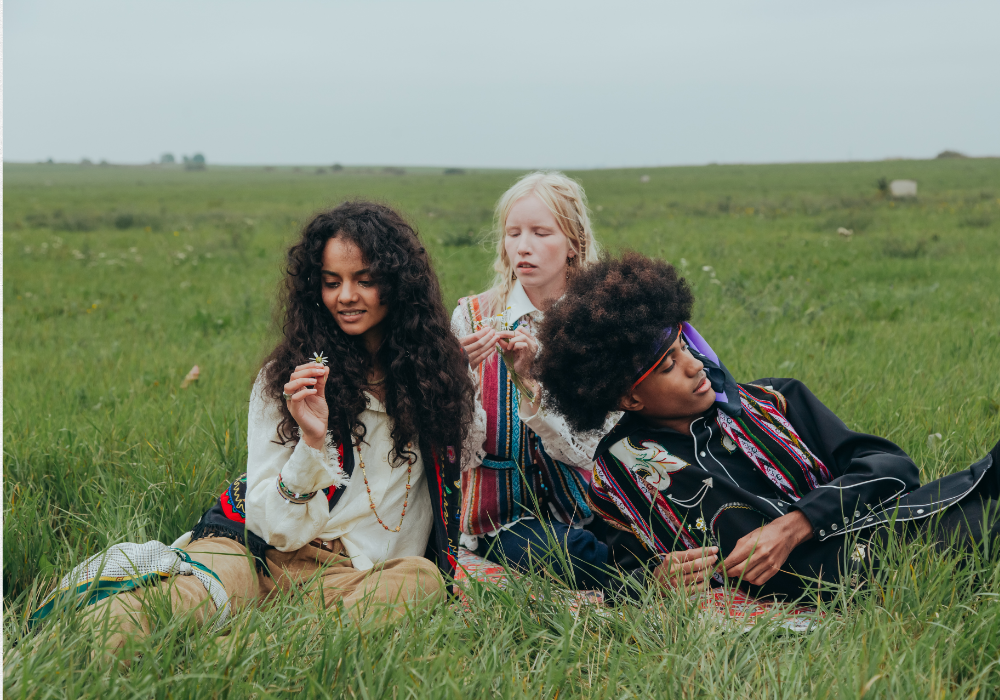
The rise of astrology, tarot, spiritual self-help, and cosmic language isn’t new—it’s cyclical. And we’ve seen this particular cycle before. The 1970s weren’t just disco and bell bottoms. That decade was shaped by economic uncertainty, political collapse, environmental anxiety, and a deep cultural craving for something that felt real. Sound familiar?

We’re living through another era where institutions feel hollow, capitalism feels rigged, and traditional paths don’t offer the answers they used to. So people are turning inward, outward, and upward—looking for guidance in birth charts, rituals, energy work, and alternative beliefs that don’t ask for permission. These 14 parallels between then and now don’t just explain why mysticism is back—they show that it never really left.

Read more

Before You Yank Them Out—Meet These 12 Eco-Friendly Weeds Saving the Planet

These so-called “weeds” are actually doing nature’s dirty work for free.

©Image license via Canva

We’ve been trained to see weeds as the enemy—invaders that choke gardens, ruin lawns, and make landscapes look unkempt. But what if the plants we fight so hard to remove are actually doing something valuable? Many so-called weeds are secret powerhouses, enriching the soil, feeding pollinators, and even providing natural medicine.

Nature doesn’t grow things randomly. Weeds pop up for a reason, often repairing damaged soil, preventing erosion, or creating food for wildlife. Some even work as natural fertilizers, replacing the need for chemical-laden lawn treatments. And a few? They’re straight-up edible superfoods hiding in plain sight. Before you reach for the weed killer, take a closer look.

Some of the plants growing wild in your yard might be improving biodiversity and helping other plants thrive. These eco-friendly rebels don’t just deserve a second chance—they deserve some appreciation.

Read more