These 12 “Time-Saving” Products Actually Create More Work for You

You bought them to save time—but now you’re doing more than ever.

©Image license via iStock

It sounded perfect at first. This thing would streamline your routine. Eliminate stress. Free up your schedule. Just tap, click, set it, forget it. That’s the promise—until reality hits. Instead of saving time, it creates new tasks. Instead of simplifying your life, it adds another step. Another setting. Another update. Another thing to clean, charge, or troubleshoot.

The myth of the modern convenience product is that it removes effort. But what it often removes is autonomy. You become tech support. Or a scheduler. Or someone Googling error codes at 11 PM. Sure, some tools genuinely help—but a surprising number of them just make you busier in disguise. They shift labor instead of eliminating it. And in the name of efficiency, they quietly drain your time, energy, and patience. These 12 so-called shortcuts prove that convenience isn’t always convenient.


Read more

Three Generations, One Shared Struggle—12 Signs None of Us Handle Conflict Well

Every generation passed down the discomfort but not the tools to deal with it.

©Image license via Canva

Conflict runs in the family—not just in the arguments, but in how we avoid them. Boomers often held everything in, mistaking silence for peace. Gen X got good at detaching, keeping things surface-level to stay safe. Millennials tried to fix it all through over-explaining and emotional labor. Gen Z sees the mess and names it, but even that clarity doesn’t always lead to resolution. Each generation found its own way to deal with tension, and none of them quite learned how to work through it without breaking down or shutting off.

We’ve all picked up habits that protect us in the moment but keep us disconnected in the long run. From emotional stonewalling to spiritual bypassing to performative boundaries, conflict has become something we fear, not something we learn to navigate. These 12 patterns show up across generations—different styles, same avoidance. And they all leave the same message behind: we were never taught how to stay in the room when things get hard.

Read more

Thought It Was Your Choice? These 11 Clicks Were Programmed Long Before You Made Them

Every tap, swipe, and scroll was shaped by someone else’s agenda.

©Image license via iStock

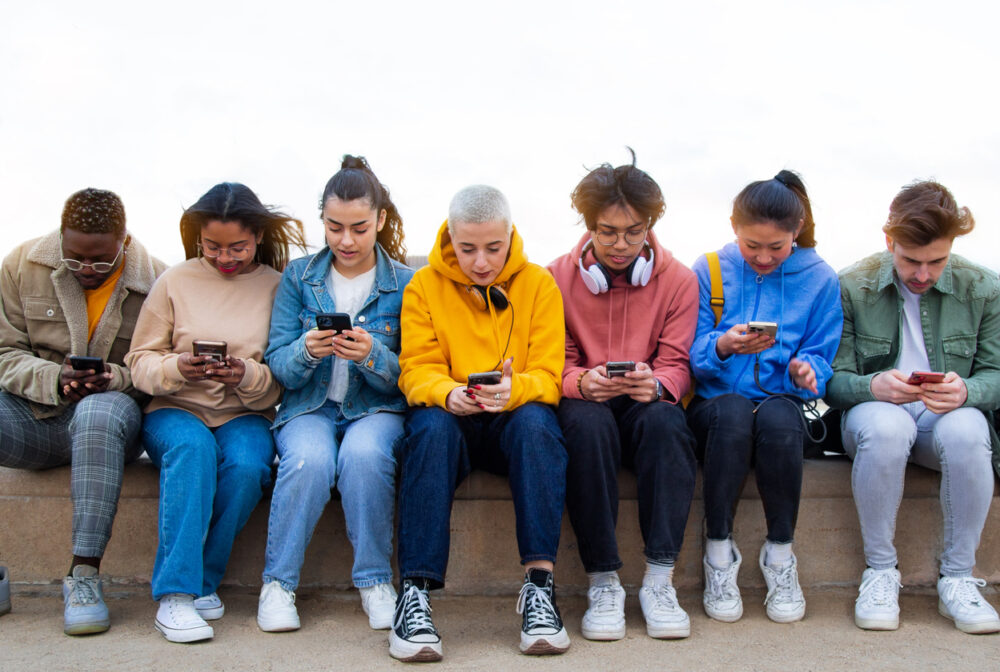
It feels like you’re in control. You choose what to watch, what to buy, who to follow. You decide when to click, when to stop, when to scroll past. But that sense of agency is mostly an illusion. The internet wasn’t built for freedom—it was built for influence. Every platform you use, every ad you see, every suggestion in your feed is the result of careful engineering designed to nudge you somewhere specific. Usually toward profit. Sometimes toward ideology. Always toward more.

This isn’t about conspiracy—it’s about design. Algorithms shape your curiosity. UX decisions steer your attention. Behavioral science is used to make you click before you’ve even decided to. And the more data you generate, the more precise the manipulation becomes. These 11 seemingly innocent actions feel like your own—but they’ve been rehearsed, tested, and optimized long before your finger hit the screen.

Read more

Who Said Fat Was a Bad Thing? 10 Reasons Your Body Was Never the Problem

Your curves are powerful and they always have been.

©Image license via iStock

Before you learned to pick yourself apart, your body was just your body. It moved. It played. It laughed. It held you through everything. But somewhere along the way, other people’s opinions started talking louder than your own. Ads, weigh-ins, side comments from relatives, health classes that framed fat as failure. You were taught to measure your worth by the space you took up—and then told to make that space smaller.

But what if the problem was never your body at all? What if it was a culture so obsessed with control that it mistook softness for weakness and power for threat? Fat isn’t dangerous. Fat isn’t shameful. Fat is texture, history, protection, rebellion, expression. This isn’t about settling or giving up—it’s about reclaiming the truth you were never given. Your body has always carried power. These are just ten reasons to start believing it again.

Read more

10 Products You Don’t Actually Need (But Capitalism Made You Buy Anyway)

They’re flashy, unnecessary, and designed to make you feel incomplete without them.

©Image license via Canva

We’ve all been there. You scroll past an ad, see a “must-have” product with glowing reviews and aesthetic packaging, and suddenly it feels like something’s missing from your life. Before you know it, it’s at your door, promising to make you happier, healthier, hotter, or more productive. But give it a few weeks—and it ends up in the back of a drawer with all the other regret purchases. This isn’t just bad luck. It’s strategy. Capitalism is built on the idea that you’re not enough without just one more thing.

These products aren’t evil. But they’re designed to solve problems you didn’t actually have—until marketing convinced you otherwise. The goal isn’t satisfaction. It’s endless desire. Once you spot the pattern, it’s easier to break the spell. You might be surprised how many of your purchases were never really your idea to begin with.

Read more

The Internet Stole Boredom—11 Quiet Pleasures That Disappeared With It

Idle moments made space for wonder, but the scroll took those too.

©Image license via iStock

There used to be entire pockets of the day when nothing happened—and they weren’t something to dread. They were where imagination lived. You stared out the car window and made up stories. You let your mind drift while waiting in line. You sat on the porch with no agenda, just air and time. But those little spaces got filled. Notifications, videos, endless feeds. The quiet gaps were replaced with noise, distraction, and algorithms that never sleep.

It wasn’t just boredom we lost—it was the gentle rhythm that came with it. The space to think a thought all the way through. The slow build of anticipation. The way rest used to feel like rest instead of guilt. Now, we reach for stimulation without even noticing. The phone’s already in our hand. The scroll starts before we realize we’re searching for something. These lost pleasures didn’t vanish all at once. They faded out quietly—one tap at a time.

Read more

Stop Following These 12 Budget Tips—They’re Tricking You Into Staying Broke

These hacks promise to help, but they’re really teaching you how to settle for less.

©Image license via iStock

Every time you scroll past a “money-saving hack,” it feels like someone’s handing you a flashlight in a blackout. But then you try it—and somehow, you’re still in the dark. A lot of popular budget advice sounds smart on the surface. Cook at home. Cut subscriptions. Freeze your credit cards in a block of ice. What gets lost in the glow of these hacks is that most of them aren’t built for real economic survival. They’re designed to distract you from how rigged the system actually is.

These tips weren’t made for an era of skyrocketing rents, cratered wages, and impossible medical bills. They’re relics of a world where cutting back felt empowering instead of humiliating. And they work best when your only goal is to survive, not thrive. It’s time to stop mistaking deprivation for discipline—and start questioning who benefits when you’re told to settle for less.

Read more

Think AI Doesn’t Affect You? 12 Urgent Realities That Should Be Your Wake-Up Call

You may feel safe now, but AI is changing everything behind the scenes.

©Image license via iStock

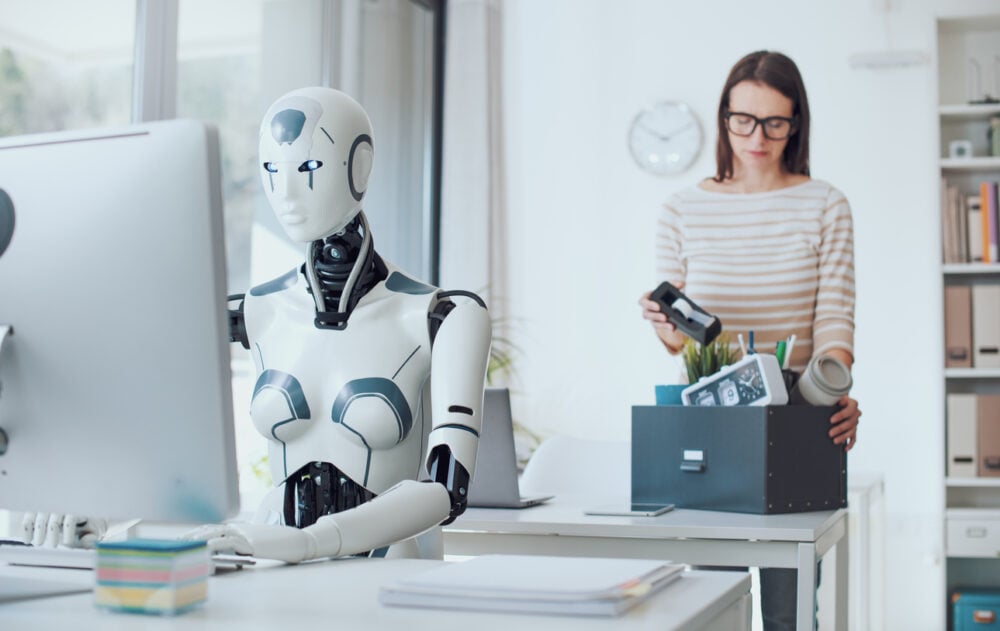
You might think AI is just some tech buzzword that doesn’t really touch your life—but it already does, in ways you probably don’t even realize. It’s not something creeping up on us slowly. It’s here, baked into daily routines, decisions, and opportunities without most people even noticing. Every scroll, every search, every recommendation feels normal, but behind the scenes, algorithms are shaping what you see, what you believe, and sometimes even what you choose. AI isn’t just about robots taking jobs or weird experiments in labs.

It’s quietly changing industries, economies, and even relationships in ways that are impossible to ignore once you see it. The scary thing? Most of the biggest changes are happening faster than laws, ethics, or common sense can keep up. If you’re still thinking AI is someone else’s problem, it’s time for a serious wake-up call—because it’s already rewriting the world you’re living in.

Read more

11 Ancient Lessons From World Religions That Calm the Mind and Soothe the Soul

These spiritual truths outlasted empires for a reason.

©Image license via Canva

Inner peace sounds like something you’re supposed to find on a yoga mat or during a weekend retreat. But long before self-help books and mindfulness apps, people were turning to spiritual teachings to understand the chaos inside them. Every major religion—whether you believe in it or not—offers practices and ideas designed to help the soul breathe easier. And most of them aren’t about being perfect. They’re about being present, grounded, and human.

You don’t need to adopt a belief system to learn from it. These lessons aren’t here to convert you—they’re here to remind you that peace isn’t new. It’s ancient. It’s been passed down for centuries in different words, rituals, and philosophies. And when you strip away the dogma, what’s left is surprisingly universal. If you’ve been craving stillness, clarity, or just a little more room to breathe, these teachings still hold the blueprint.

Read more

12 Skills That Stay Useful No Matter How the World Changes

Trends fade, industries collapse, but these skills always hold their value.

©Image license via Canva

Careers shift, apps update, whole industries rise and fall overnight. What seemed essential ten years ago might already be outdated. But some skills? They’re forever. They hold up in a crisis, during a career pivot, or when everything around you starts to feel uncertain. These aren’t just “good to have”—they’re the kind of strengths that quietly carry people through chaos and come out stronger on the other side.

We’ve been trained to chase the next big thing—new tools, new platforms, new ways to hustle. But when the dust settles, it’s the human stuff that sticks. The ability to think clearly, adapt quickly, and build real connections doesn’t expire. It doesn’t rely on tech trends or job titles. Whether the world speeds up, breaks down, or just keeps getting weirder, these 12 skills are the kind that always find a way to matter.

Read more