Your Horoscope Might Explain Your Health Habits—12 Surprising Links

The stars might know why you skip workouts or crave midnight snacks.
©Image license via Canva

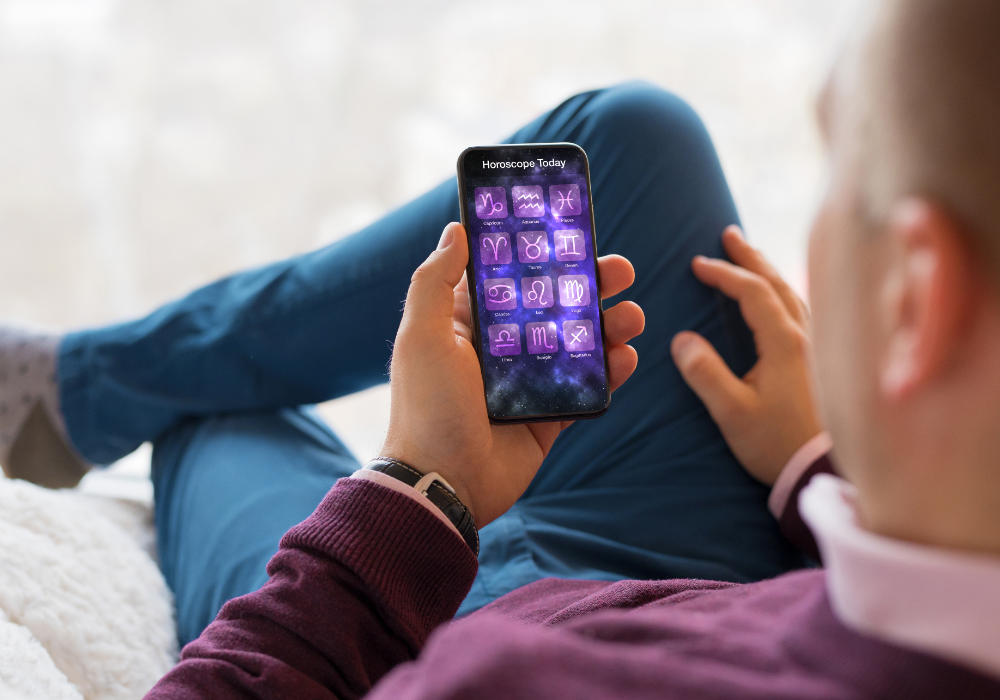
Ever wonder why some people wake up at 6 a.m. for yoga while others eat cereal in bed at midnight and call it self-care? Sure, habits can be chalked up to personality or routine—but your zodiac sign might have more to do with it than you think. Astrology isn’t a replacement for science, but it is strangely good at picking up on patterns. Especially the ones we repeat over and over, like skipping meals, overcommitting, or procrastinating bedtime like it’s a sport.

Your sign can reveal a lot about your natural rhythms, energy levels, and even how you respond to stress or motivation. And once you start noticing these connections, your habits make a whole lot more sense. Whether you’re a wellness warrior or a nap enthusiast, the stars may already have your number. You don’t have to believe in astrology to admit—it’s weirdly accurate sometimes.
Read more

Social Media Promised Connection—But These 11 Patterns Say It’s About Control

You’re not scrolling by choice—you’re reacting by design.

©Image license via Canva

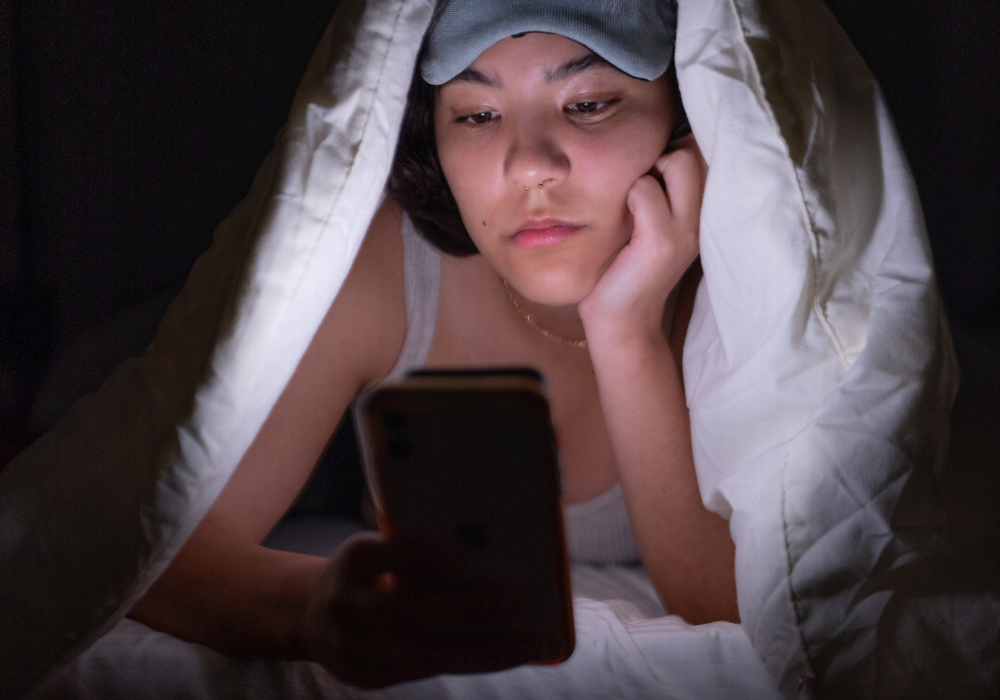
You probably joined social media to stay in touch, share your life, and feel more connected. That’s the story we were all sold. But somewhere along the way, it stopped being about community and started feeling more like a trap. The likes, the alerts, the endless scroll—it’s all designed to keep you hooked, not happy. What looks like freedom is often just cleverly disguised manipulation.

Algorithms curate your worldview. Notifications hijack your focus. And every “like” trains your brain to want more, even when it leaves you feeling emptier. This isn’t about staying in touch—it’s about staying online. Social media platforms don’t make money when you feel good. They profit when you stay stuck. If something about your feed feels off lately, you’re not imagining it. These patterns show how connection became control—and why escaping it might take more than just deleting an app.

Read more

Everyone Wants to Live to 100—Until They Learn These 12 Creepy Truths

Living to 100 isn’t the dream you think it is once you hear these disturbing facts.

©Image license via Canva

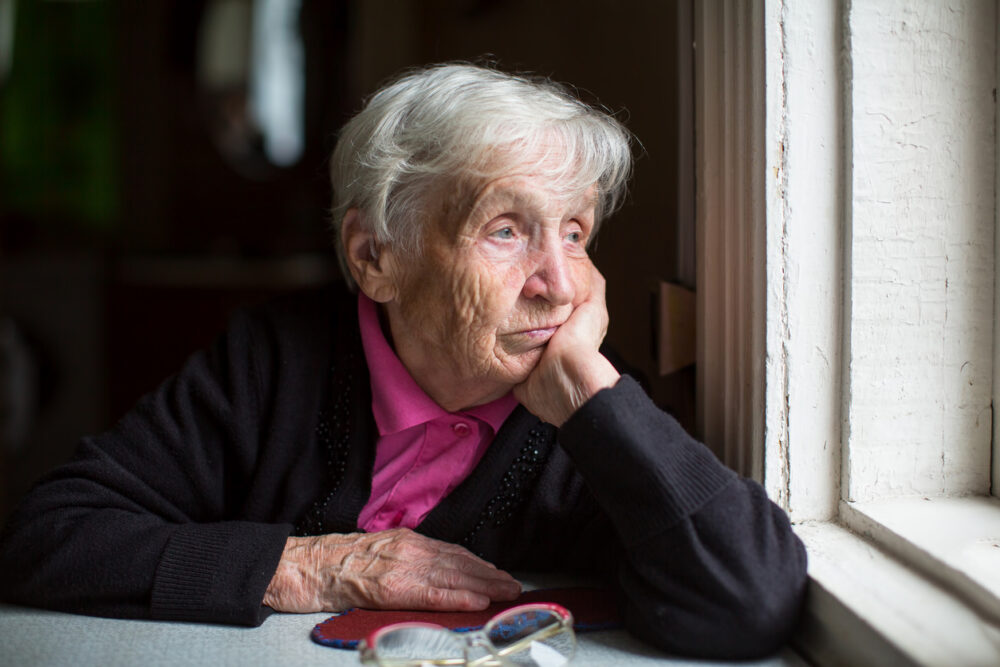
So, you think you want to live to 100? You might want to sit down for this. Sure, the idea sounds magical—more birthdays, more memories, more time to check off that bucket list. But what no one really talks about is what it actually means to hang around that long. It’s easy to romanticize old age when you’re still relatively young, spry, and dreaming about centenarian bragging rights. But once you peek behind the curtain, the shiny appeal starts to fade fast. You assume it’ll just be you, wiser and wrinklier, still enjoying life—but the reality might be a whole different story.

Don’t worry, this isn’t some gloom-and-doom lecture. It’s more of a heads-up. If you’ve ever said, “I hope I live to be 100,” you’re not alone. But by the time you reach the end of this article, you might be rethinking that wish entirely.

Read more

10 Ways to Talk to Young Kids About Climate Change Without Creating Fear or Guilt

These simple strategies will teach your child about the planet—and still let them sleep at night.

©Image license via iStock

You could accidentally traumatize your kid just by trying to save the planet. Sounds dramatic, but it’s true—and it’s way more common than you think. You want to raise a thoughtful, eco-conscious child, not one who’s lying awake at night panicking about melting ice caps or thinking the world is ending. The problem is, climate change is heavy stuff, and most kids aren’t equipped to handle all the scary details.

But avoiding the topic altogether isn’t the answer either. You’ve probably wondered how to strike the right balance—how to talk about the reality of what’s happening without dumping the weight of the world on their tiny shoulders. The good news is you can have this conversation in a way that’s honest, hopeful, and even inspiring. It just takes a little finesse, a lot of empathy, and the right mindset. You don’t have to be an expert—just a present, thoughtful parent.

Read more

Still Proud to Be an American? These 12 Trends Might Make You Think Twice

These unsettling and embarrassing realities aren’t exactly something to wave a flag over.

©Image license via Canva

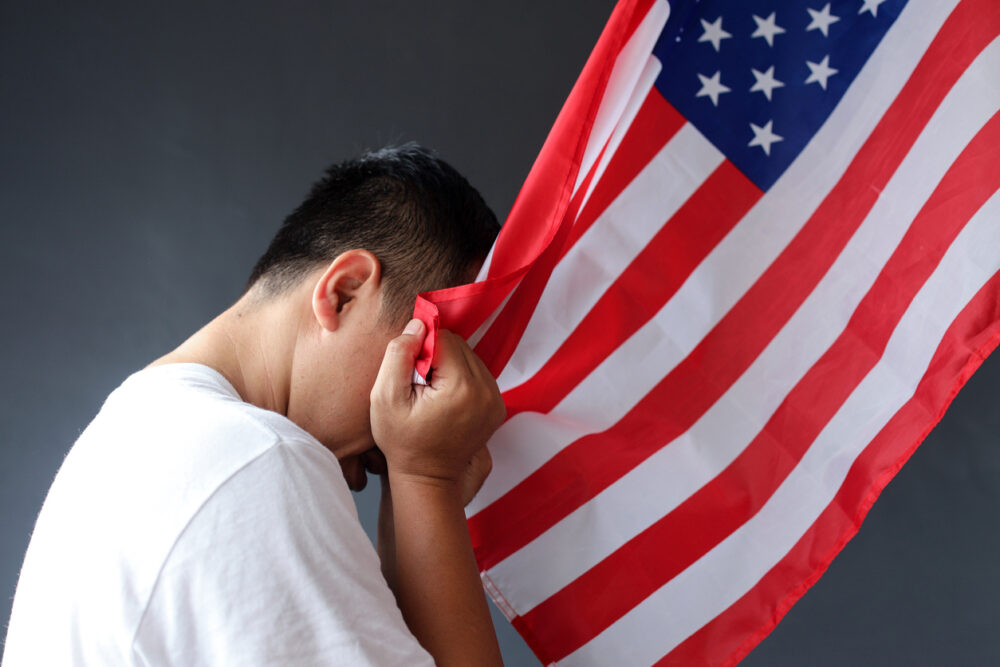
You might still get a lump in your throat during the national anthem—but deep down, something feels off. Maybe it’s the headlines, the conversations you overhear, or that gnawing sense that the country you once felt proud of is slowly morphing into something you barely recognize. You’re not imagining it. There’s a growing list of things happening across America that make you stop and ask, What are we even doing? It’s uncomfortable to admit, especially if you’ve always considered yourself patriotic. But pride doesn’t mean turning a blind eye.

In fact, questioning what’s going on might be the most American thing you can do. You can love your country and still be deeply concerned about the direction it’s heading. And if you’ve been trying to ignore that uneasy feeling for a while, now might be the time to face it head-on. Because once you notice what’s shifting, it’s impossible to unsee.

Read more

The Handmaid’s Tale Predicted More Than You Think—12 Terrifying Parallels

What seemed like fiction is now eerily unfolding around us.

©Image license via Flickr

You probably thought The Handmaid’s Tale was just an unsettling story meant to shock and entertain—until the headlines started feeling like scenes ripped straight from Gilead. If you’ve ever watched the show or read the book and thought, “Well, that could never happen here,” you might be questioning that confidence now. You don’t have to be a conspiracy theorist to feel the unease creeping in when real-world events start echoing the darkest parts of dystopian fiction.

It’s that uncomfortable sense that the line between imagination and reality isn’t as solid as you once believed. You might find yourself thinking, Wait a minute—isn’t this exactly what happened in the story? And you’d be right to ask. The more you look, the more you start noticing the disturbing similarities. It’s enough to make anyone uneasy. Once you see the parallels, you can’t unsee them—and you start wondering how close we really are.

Read more

The Hidden History of Everyday Foods—12 Origins That Might Surprise You

These familiar foods have more fascinating backstories than you’d ever guess.

©Image license via Canva

Most of us never stop to wonder where our everyday foods actually came from. If it’s something you grew up eating—like ketchup, bananas, or instant noodles—it probably feels like it’s always been around. But a lot of the foods in your fridge or pantry have long, unexpected histories. Some were invented during times of crisis. Others were borrowed, rebranded, or completely changed to suit modern tastes. And the version you know today might be very different from how it started.

Some foods were created by mistake. Others were inspired by older traditions and then marketed under a new name. There are ingredients that traveled across continents, were reshaped by colonization, or became popular only after a company figured out how to sell them at scale. These stories aren’t always simple—but they explain how much can get lost, forgotten, or rewritten along the way. Once you start looking into the past, it’s clear: the foods we think of as “normal” are often anything but.

Read more

12 So-Called Solutions That Just Gave You a New Chore

They promised convenience, but now you need a spreadsheet to manage them.

©Image license via Canva

You know those “life hacks” that are supposed to make home life easier? The smart devices, the storage bins, the daily systems that influencers swear changed everything? Yeah—most of them just gave you something new to clean, charge, label, or reset. What looked like a brilliant shortcut turned out to be one more thing to manage on your already-maxed-out to-do list. If your home is filled with little gadgets and systems that promise peace but deliver panic, you’re not alone.

We’ve been sold the idea that every inconvenience can be hacked. But not all hacks are helpful—and some are just clutter with a fancy label. It’s not that these ideas were evil. They just forgot one key step: making your life actually easier. So before you buy another label maker or color-coded calendar, here are 12 “solutions” that might be quietly turning your home into a full-time job.

Read more

12 Signs You’re Aging Just Fine—But the Algorithm Wants You to Think Otherwise

Aging isn’t the problem—constant comparison is.

©Image license via Canva

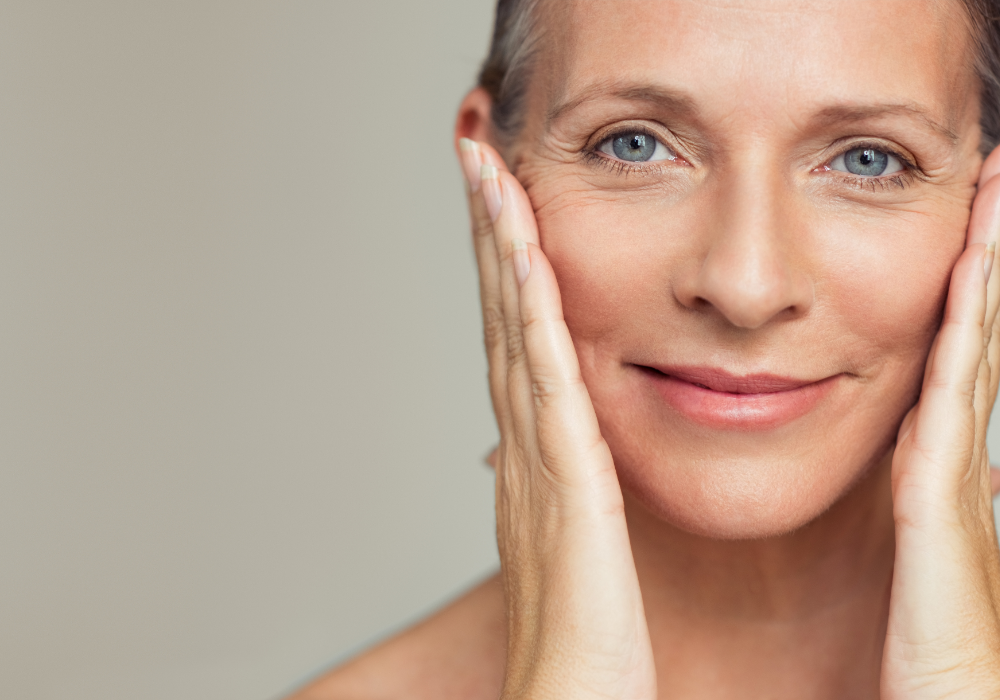
It’s not you—it’s the feed. Somewhere along the line, aging became a problem to fix instead of a process to respect. But here’s the catch: that panic you’re feeling about crow’s feet, smile lines, or not looking “refreshed” enough? It’s being fed to you—filtered, cropped, and curated for maximum self-doubt. We’re being taught to fear what’s completely normal because fear clicks. And clicks sell things.

You’re not aging wrong. You’re just not aging for Instagram. And the algorithm doesn’t reward reality. It rewards illusion: 22-year-olds with filler, influencers using face filters while selling you skincare, and ads that tell you to “fix” what’s not broken. But step back, unplug, and talk to literally any real person? You’ll find that your laugh lines aren’t a crisis. They’re a receipt for a life actually lived.

Read more

11 Lies About Love That Keep You Miserable and Scared to Leave

These beliefs don’t protect your heart—they just keep you stuck.

©Image license via iStock

Love is supposed to feel safe. Supportive. Like something you can grow inside. But when you’ve been fed the wrong beliefs about what love looks like—or what it’s supposed to cost—you start to confuse suffering with commitment. You stay when you’re unhappy. You rationalize behavior that hurts you. You tell yourself it’s normal, or that things will get better, or that it’s just what love is.

These lies aren’t just passed down by accident. They show up in movies, in families, in the quiet rules people follow without question. They turn pain into proof that you’re doing something right. They make you doubt your gut, ignore your needs, and accept way less than you deserve. And the worst part? They sound wise. Protective. Even romantic. But really, they’re just traps. If love is leaving you anxious, invisible, or constantly scared to walk away, it might not be love—it might be the lie you learned to call love.

Read more