10 Things You Pay For Because Corporations Won the War on Public Life

You’re not paying for extras—you’re paying for what used to be free.

©Image license via Canva

Once, the basics of life were part of a shared agreement. Public benches. Water fountains. Clean parks. Buses that showed up on time. Schools stocked with what kids needed. You didn’t have to buy your way into comfort, safety, or connection—because the infrastructure existed for everyone. But that version of public life has been quietly dismantled, piece by piece, until what was once free now comes with a monthly fee or a brand name.

Corporations didn’t just fill in the gaps—they created them. As public funding shrank and services faltered, private companies stepped in to offer “solutions” that were really subscriptions. The more public systems fail, the more you’re told to rely on personal spending to meet your needs. What feels like convenience or innovation is often just privatization in disguise. If you’ve ever wondered why everything suddenly costs more, the answer might be hiding in plain sight.


Read more

Fathers Are Asking Different Questions Now—Here Are 12 That Truly Matter

It’s not about being the provider anymore—it’s about being present.

©Image license via iStock

The idea of a good dad used to be simple: bring home a paycheck, show up to the big games, maybe teach your kid how to ride a bike or fix a tire. That was enough. Or at least, it was supposed to be. But something’s shifted. Today’s fathers aren’t just following inherited scripts—they’re rewriting them. They’re questioning what it means to raise a whole human, not just support one. They’re asking how to nurture, not just provide.

It’s not always easy. Many were raised in households where emotions were private, discipline was rigid, and vulnerability wasn’t modeled—let alone accepted. But a new kind of fatherhood is emerging, shaped less by tradition and more by intention. The questions dads are asking now go deeper than logistics or discipline. They’re about identity, healing, connection, and legacy. And the answers are reshaping what fatherhood looks like—for good.

Read more

You Don’t Need to Retreat to the Woods—These 11 Lifestyle Shifts Work Anywhere

Nature isn’t a destination—it’s a mindset you can bring home.

©Image license via Canva

There’s a romantic fantasy about escape. You picture yourself in a remote cabin, growing your own food, living slowly, breathing deeply—finally free from the noise. But most people can’t drop everything and move to the forest. Rent is due. Kids have school. The real world doesn’t come with a wood-burning stove and a sunrise over the pines. That doesn’t mean you can’t live differently.

You don’t have to disappear into the wilderness to live more consciously. You can start right where you are—apartment, suburb, city block—and build a life that feels less extractive and more grounded. It’s not about being perfect. It’s about shifting how you relate to time, food, energy, and attention. These aren’t aesthetic tweaks. They’re real choices that move you closer to balance, even if there’s a highway outside your window.

Read more

What Will Humans Look Like in 500 Years? These 12 Predictions Are Wild

Scientists say your great-great-great-grandkids might not even recognize your face.

©Image license via Canva

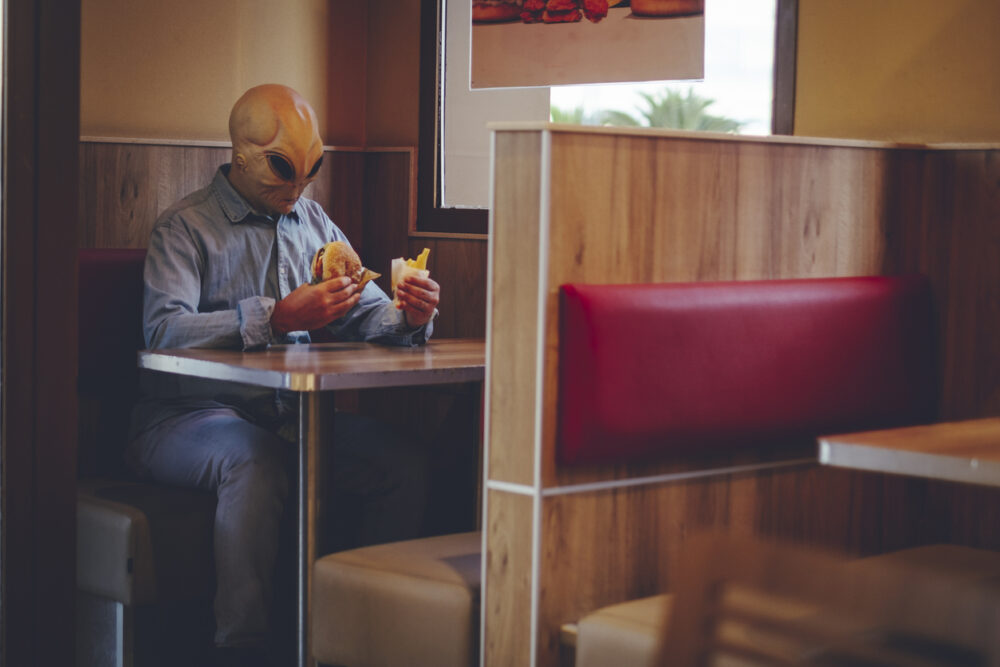
You might want to take a good, long look in the mirror—because your descendants probably won’t look anything like you. The way we’re living now, with our tech habits, diets, climate, and even the way we socialize, is slowly sculpting the human body into something… different. And it’s not just a little wrinkle here or a new trend in height. We’re talking real, jaw-dropping changes to how we might see, move, think, and function in the next 500 years.

It’s kind of wild to think about, right? That everything from your daily screen time to what you snack on could ripple into the distant future and shape what humanity becomes. Of course, none of us will be around to confirm it, but science, history, and evolution all point to some pretty fascinating outcomes. Some are exciting. Others? A little creepy. Either way, imagining the human of the future isn’t just a thought experiment—it’s a peek into where we might be headed if we don’t hit the brakes or change direction.

Read more

The Wellness Industry Says It’s About Health—10 Ways It’s Actually About Profit

These trends are designed to empty your wallet, not fix your body.

©Image license via Canva

The wellness industry looks like self-love. It shows up in eucalyptus-scented yoga studios, adaptogenic lattes, and influencers whispering about alignment and energy flow. It tells you it’s here to heal you—soft, slow, and soulful. But the truth? It’s a capitalist powerhouse that thrives on your doubt. Not enough energy? There’s a powder for that. Skin not glowing? Try a $90 serum. It keeps you buying because it keeps you believing you’re broken.

To be clear, caring about your health is not the problem. But when wellness becomes a full-time project with a credit card minimum, it stops being about healing and starts becoming another hustle. Behind the “treat yourself” language is a system that profits from your exhaustion, insecurity, and endless striving. These ten wellness trends might look like self-care—but they’re really just well-marketed ways to keep you spending.

Read more

The Algorithm Isn’t Just Watching—11 Ways It Alters Your Identity

Personalization sounds helpful, until it starts warping your reality.

©Image license via Canva

You’re not imagining it—your online world feels eerily tailored. Every ad, every video, every suggested post feels like it knows you. That’s not by accident. Algorithms are designed to capture your attention, but they don’t stop there. They reshape how you see yourself, what you care about, and who you believe you are. It’s more than surveillance—it’s subtle self-reinvention through constant digital nudging.

What started as convenience became conditioning. You click, scroll, like, and engage, and the algorithm builds a version of “you” it thinks you’ll respond to. Then it feeds you more of that version—again and again—until other parts of you fade. Your opinions narrow, your habits shift, and your sense of self starts bending toward whatever keeps you on the platform. This isn’t just about data privacy. It’s about identity, autonomy, and the invisible ways you’re being edited in real time.

Read more

The Hustle Started in High School—11 Signs It Never Stopped

You thought you’d slow down after college, but you only picked up speed.

©Image license via Canva

Some people left the grind behind after finals week. Others slowed down after their first real job. But for those who started hustling way too early, it’s like something got wired into your brain that never shut off. You were juggling extracurriculars, part-time jobs, late-night studying, and a social life all before you even had a diploma. And once that switch flipped, it never really turned off.

Now you might be the person who answers emails at midnight, picks up extra shifts “just in case,” or adds another side project to your already overloaded calendar. Slowing down sounds great in theory—but your nervous system never got the memo. Even when you’re resting, your brain is running laps. If you’ve ever wondered why you can’t relax like other people or why free time makes you anxious, this might be why. The hustle didn’t end after high school. It just shape-shifted.

Read more

You’re Not “Spoiling” Yourself—These 12 Indulgences Actually Make Life Easier

Survival doesn’t have to be stripped-down and joyless.

©Image license via Canva

Indulgence gets a bad reputation, especially when it’s tied to anything soft, pretty, or quiet. You hear it all the time—self-care framed as a treat, a reward, a break from “real” life. But what if the things that feel luxurious are actually what keep you grounded? When the world runs on burnout, overstimulation, and constant discomfort, building little oases of ease isn’t excess. It’s protection.

There’s nothing frivolous about soft towels, cold drinks, or clean sheets. Comfort is a strategy—one that helps you recover, focus, and face whatever’s next. These aren’t guilty pleasures. They’re tools. Whether it’s a heated blanket or noise-canceling headphones, some of the best so-called “indulgences” are the ones that make everything else more manageable.

Read more

What If the Planets Knew First? 11 Times Astrology Predicted Political Upheaval

Long before headlines broke, the stars were already shifting.

©Image license via Canva

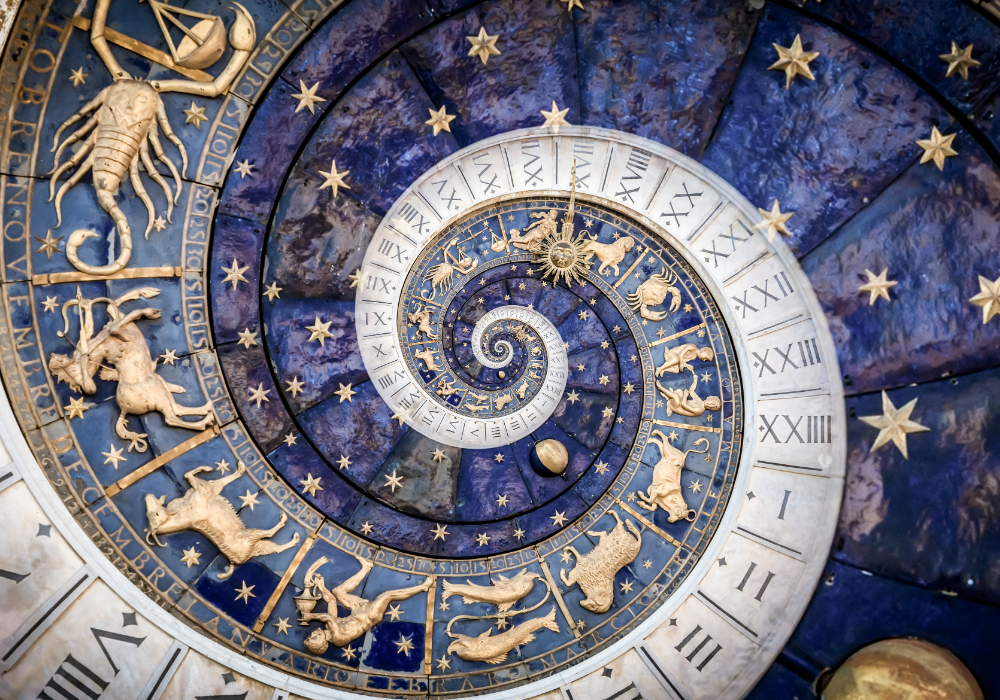
You don’t have to be an astrology die-hard to admit something eerie happens when the planets line up just right and the world goes sideways. Sometimes, it feels like the cosmos knows before we do. While pundits and pollsters scramble to explain the latest political upheaval, astrologers are often pointing to eclipses, retrogrades, and rare planetary pileups saying, “Yep, saw that coming.” And weirdly, they’re not always wrong.

Astrology isn’t about predicting the exact headline—it’s about reading the energy. And some of history’s biggest shakeups didn’t just happen in a vacuum. They landed during astrological transits known for chaos, revolution, or deep transformation. Whether you call it a cosmic coincidence or something more mystical, these 11 moments make you wonder if the stars were trying to warn us. Because sometimes, while we were refreshing Twitter, the planets were already screaming.

Read more

History Always Repeats Itself—12 Lessons We Should Have Learned By Now

It turns out we didn’t learn from the past after all.

©Image license via Picryl

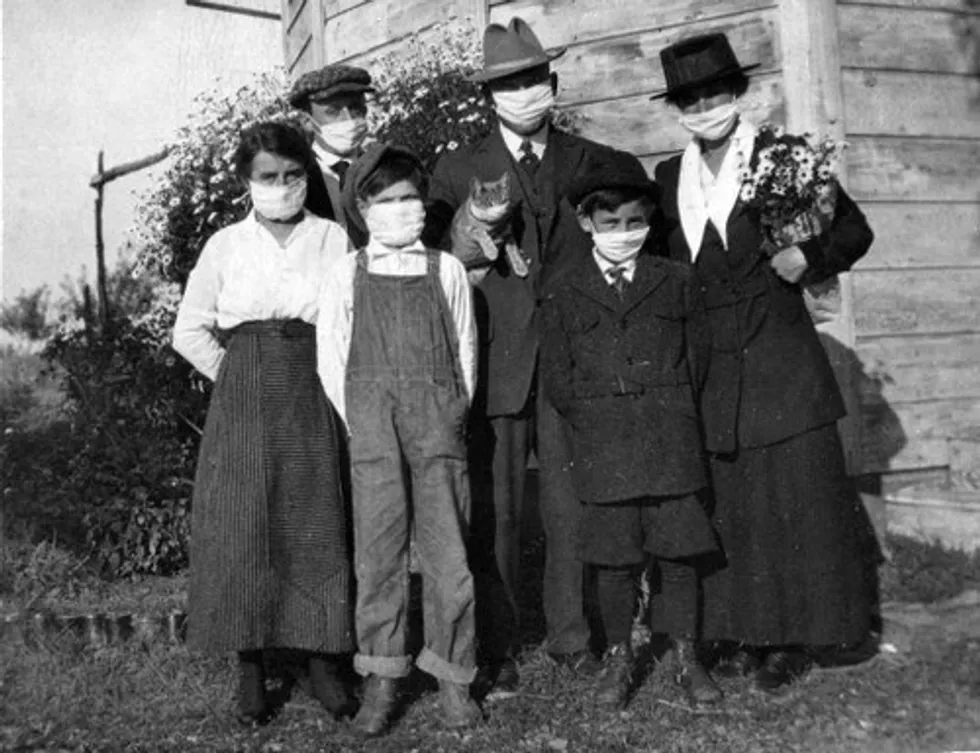
History is filled with warnings. Entire civilizations collapsed under the weight of greed, hubris, or short-sighted decisions—and yet here we are, echoing so many of those same patterns. It’s not that we don’t have access to the past. We’ve studied it, documented it, taught it in schools. But when the lessons hit too close to home, we tend to act like they don’t apply to us.

That’s part of what makes this so maddening. These aren’t obscure warnings buried in dusty textbooks. They’re big, glaring reminders of what happens when we ignore limits, silence dissent, or mistake temporary power for permanent security. We had the chance to do things differently. In many cases, we still do. But whether out of denial, arrogance, or plain old fatigue, we keep walking into the same disasters with our eyes wide open. The first six lessons on this list aren’t just about what happened—they’re about what keeps happening, again and again.

Read more