What Changed Between the ’90s and Now? These 12 Consumer Traps for Starters

The things you buy today aren’t as innocent as they looked back then.

©Image license via Canva

Remember when shopping in the ’90s meant wandering the mall with friends, flipping through CDs, or picking up a single lotion from Bath & Body Works? It felt simpler—fewer pop-ups, less pressure, and definitely fewer sneaky algorithms tracking your every move. Fast forward to today, and consumer culture has become a slick, digital labyrinth designed to keep you spending without even realizing it.

Companies now use psychological tricks, curated FOMO, and endless “limited edition” hype to turn every scroll into a purchase. What used to be an occasional treat is now a daily dopamine hit designed to feel like self-care. If you feel like you’re constantly playing catch-up with trends and deals, you’re not imagining it. Here’s a breakdown of 12 sneaky traps that didn’t exist—or were way milder—back in our butterfly-clip-wearing, dial-up days.
Read more

How Do You Recycle a Refrigerator? These 10 Free Recycling Programs Can Help

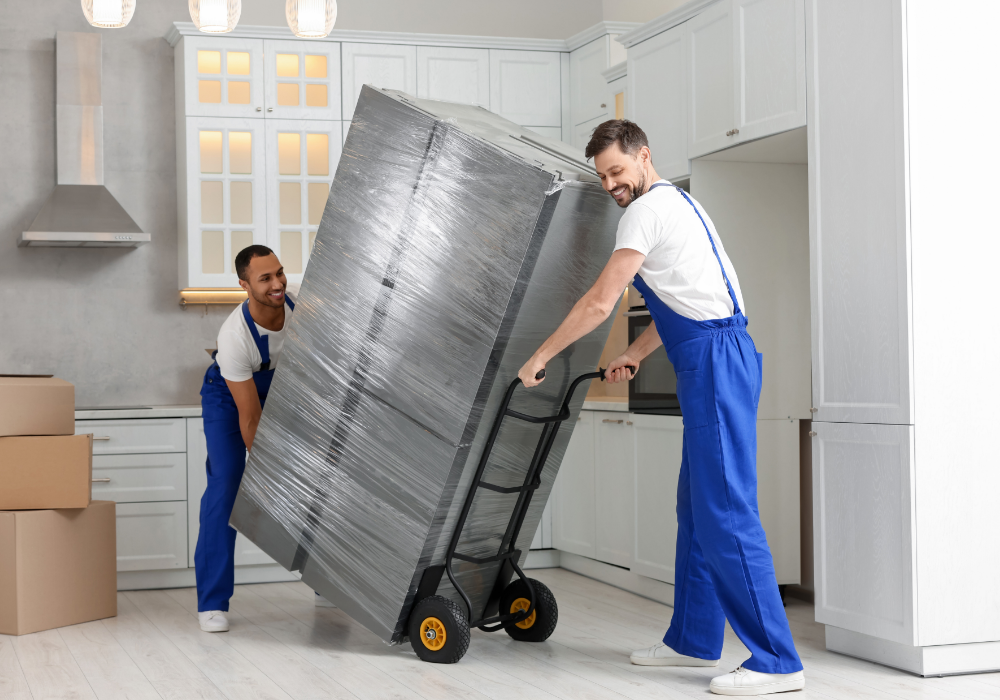
You could get rid of that bulky fridge without lifting a finger—or spending a dime.

©Image license via Canva

Getting rid of an old refrigerator can feel like an expensive, back-breaking headache—but it doesn’t have to be. That clunky appliance sitting in your garage or humming away in the basement might actually qualify for free pickup and proper recycling. You just need to know where to look. Tossing a fridge in the landfill isn’t just bad for the environment—it’s also illegal in many places. These machines are packed with chemicals, metals, and materials that need to be handled the right way.

Luckily, a surprising number of programs across the U.S. will take it off your hands at no cost. If you’ve been putting it off because you don’t want the hassle, these free solutions are about to make your life a whole lot easier.

Read more

If the Internet Vanished Tomorrow, These 11 Habits Would Go With It

Most of your daily routine depends on something you can’t see and don’t own.

©Image license via iStock

It’s woven into your routines so tightly that you barely notice it—until you try to go without it. The internet isn’t just a tool anymore. It’s a backdrop, a scheduler, a middleman, and a reward system. From the moment you wake up to the second you fall asleep, it holds your attention, fills your calendar, and filters your social life. And if it vanished overnight? The ripple effects would be stranger than most people expect.

Some shifts would feel liberating. Others would leave you disoriented. Because so many everyday habits, from shopping to socializing to relaxing, weren’t shaped around your needs—they were shaped around what the internet makes convenient. It’s not just about losing Google or TikTok. It’s about realizing how much of your behavior only exists because the internet did.

Read more

The 13 Things People Keep That Secretly Symbolize Regret

These “keepsakes” aren’t comforting—they’re quiet reminders of what you lost.

©Image license via Canva

We all hang on to stuff—an old T-shirt, a dusty box of letters, that gift you never really liked. It’s easy to convince yourself these things are harmless or “just sentimental,” but sometimes they’re really holding onto something deeper: regret. Whether it’s about a lost relationship, a missed opportunity, or a path not taken, these hidden symbols quietly whisper stories we’d rather not face.

The problem is, these items can trap us in the past and keep old wounds alive. You think you’re preserving a memory, but you’re often feeding a cycle of “what if” and “I should have.” Recognizing these objects for what they really are can feel tough—but it’s also the first step toward finally letting go and moving forward. Here are 13 surprising things that might be holding you back more than you realize.

Read more

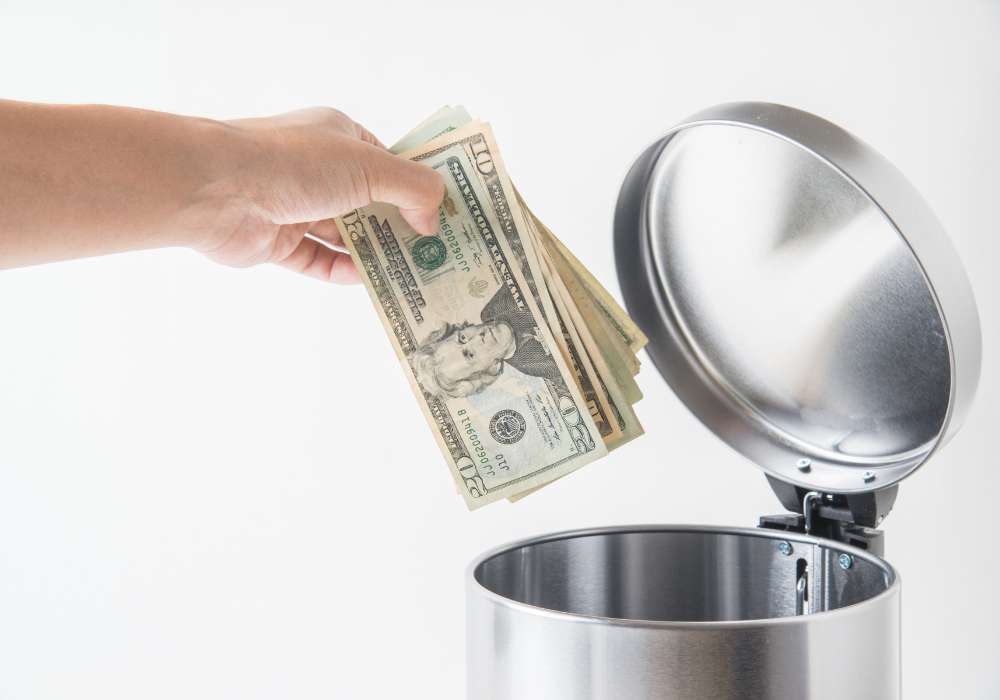
11 Things You’ve Thrown Away That Were Secretly Worth Money

That last decluttering spree might have cost you more than you think.

©Image license via Canva

There’s something deeply satisfying about a good decluttering spree—tossing out forgotten junk, clearing closet space, and finally feeling like your home can breathe again. But in the rush to simplify, many of us unknowingly toss items that could have put real cash back in our pockets. From outdated gadgets to weird vintage trinkets, your “trash” might actually be someone else’s treasure—and a surprisingly valuable one at that.

The truth is, resale markets thrive on things most people think are worthless. Whether you’re sitting on a box of childhood toys or that random stack of old books, you could be missing easy money without even realizing it. Before you drag your next donation bag to the curb or haul everything to the thrift store, check this list first. You might discover that your last big purge didn’t just lighten your shelves—it accidentally sent potential dollars straight into the trash.

Read more

10 Reasons Your Trash Pickup Isn’t the Final Step You Think It Is

Your garbage doesn’t disappear—it just becomes someone else’s problem.

©Image license via Canva

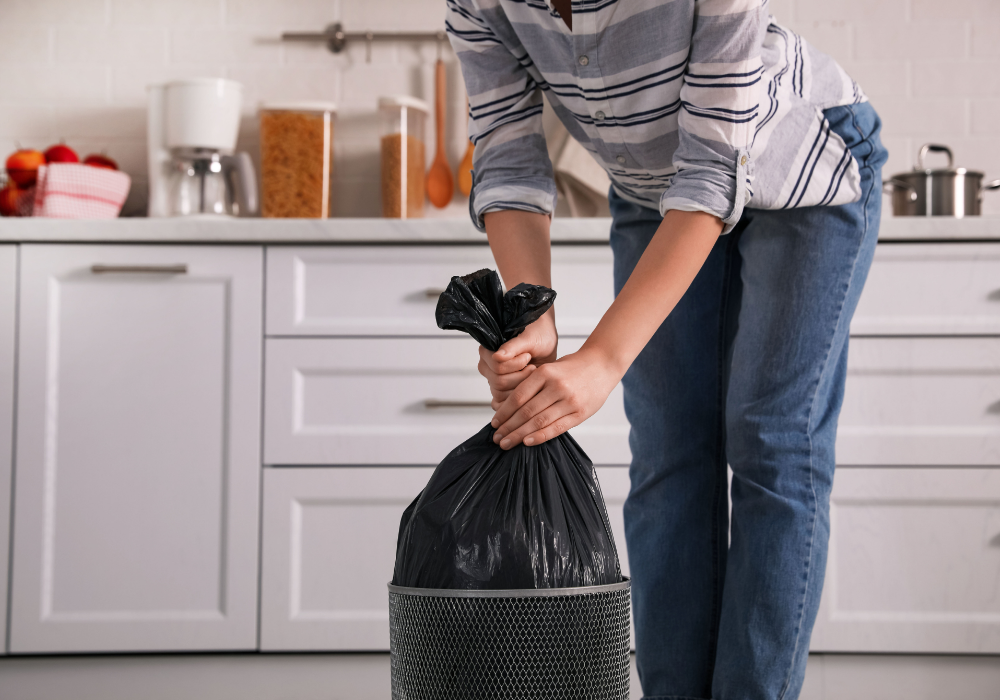
Toss it, wheel it to the curb, and forget about it—trash day feels like a clean slate. But that magical “out of sight, out of mind” moment is an illusion. The second the truck drives off, your garbage starts a messy, complicated journey that’s anything but finished. Landfills, incinerators, illegal dumping, toxic leaks—these are the hidden chapters of your waste’s story that no one wants to talk about.

Most of us were taught that once it’s in the bin, it’s gone. But the truth is, your trash doesn’t vanish; it transforms and travels, often harming people and places far from your neighborhood. If you think your responsibility ends at the curb, think again. Understanding where your garbage actually goes is the first step to breaking the cycle—and realizing how powerful small changes at home can be.

Read more

What You Feed Your Dog Could Be Worsening the Climate—11 Better Options

Your pet’s dinner might be leaving a bigger footprint than yours.

©Image license via Canva

We love our dogs like family—but their diets can come with a hidden cost. The pet food industry is massive, and a surprising amount of it runs on the same unsustainable systems as industrial agriculture. From factory-farmed meat to overfished oceans, the kibble and canned food stacked in your pantry often has a larger environmental footprint than your own meals. And because dogs are such loyal omnivores, they’re caught in a system that prioritizes profit, not sustainability.

That doesn’t mean you have to start feeding your pup salad. But it does mean we should think more critically about what’s in that scoop of kibble. Many dog foods are loaded with low-quality animal byproducts, carbon-heavy ingredients, and unnecessary packaging. There are better ways to keep your dog healthy without feeding into destructive systems. A few small changes can lower your dog’s impact—and maybe even improve their health at the same time.

Read more

More Mask Than Mirror—10 Reasons You Feel Disconnected From Your Digital Self

Your online presence was supposed to reflect you, but it’s starting to replace you.

©Image license via Canva

Online life was once about connection. People found pieces of themselves in blogs, forums, and DMs. For many, it became a space to feel more seen than in their own homes. But somewhere along the way, what once felt expressive became performative. It wasn’t just about sharing anymore—it became about curating, optimizing, and feeding an algorithm. The result? A digital self that looks vibrant from the outside but feels hollow inside.

This isn’t simply about tech overload or screen time. It’s about identity erosion. The slow drift between who someone is and who they’re expected to be online leaves a quiet ache behind. Posts are polished. Replies are fast. And still, there’s a strange numbness in the quiet moments when the screen goes dark. When digital life begins to define real life, it becomes harder to tell which version is actually in charge.

Read more

The Sacred Isn’t Always Shiny—These 11 Everyday Things Were Once Holy

Objects we overlook today once carried prayers, rituals, and power.

©Image license via Canva

It’s easy to forget how much meaning an object can hold when we’re surrounded by mass production and endless duplicates. But throughout history, the most ordinary tools and materials weren’t just functional—they were sacred. Their shapes, uses, or origins linked them to something larger: cycles of nature, stories of creation, ancestral memory. These weren’t just symbols; they were living parts of ritual and reverence.

Over time, as belief systems shifted and modern life sped up, much of that symbolism faded. What once carried protection, fertility, or divine connection now fills junk drawers or sits on shelves unnoticed. Yet in old stories, regional traditions, and archaeological finds, those meanings still flicker. From salt to mirrors to thread, the sacred has long lived in places we now ignore. Rediscovering that history doesn’t mean we have to return to the past—but it can shift how we see the things we touch every day.

Read more

You Thought Going Off-Grid Was Eco-Friendly—These 12 Choices Say Otherwise

Some off-grid solutions quietly cause more harm than staying connected ever would.

©Image license via Canva

The fantasy is everywhere: unplugging from the system, living in harmony with nature, shrinking your footprint by walking away from the grid entirely. And sure, parts of it sound great. But the off-grid dream isn’t always as eco-friendly as it’s marketed. In fact, a lot of people trying to “escape” modern life accidentally create bigger environmental messes than they ever faced while living conventionally.

Cutting ties with public utilities means taking full responsibility for every resource you use—and many solutions end up trading one set of problems for another. Clearing land, burning fuel, overconsuming natural materials, and relying on unsustainable hacks quickly add up. What looks like green living on the surface sometimes hides serious damage underneath. The truth is, living sustainably isn’t about disappearing into the woods. It’s about choices—and some off-grid choices are anything but green.

Read more