12 Theories That Tried to Explain Consciousness—and Still Left Us Wondering

Scientists call it “the hard problem of consciousness.” These theories still don’t crack it.
©Image license via Canva

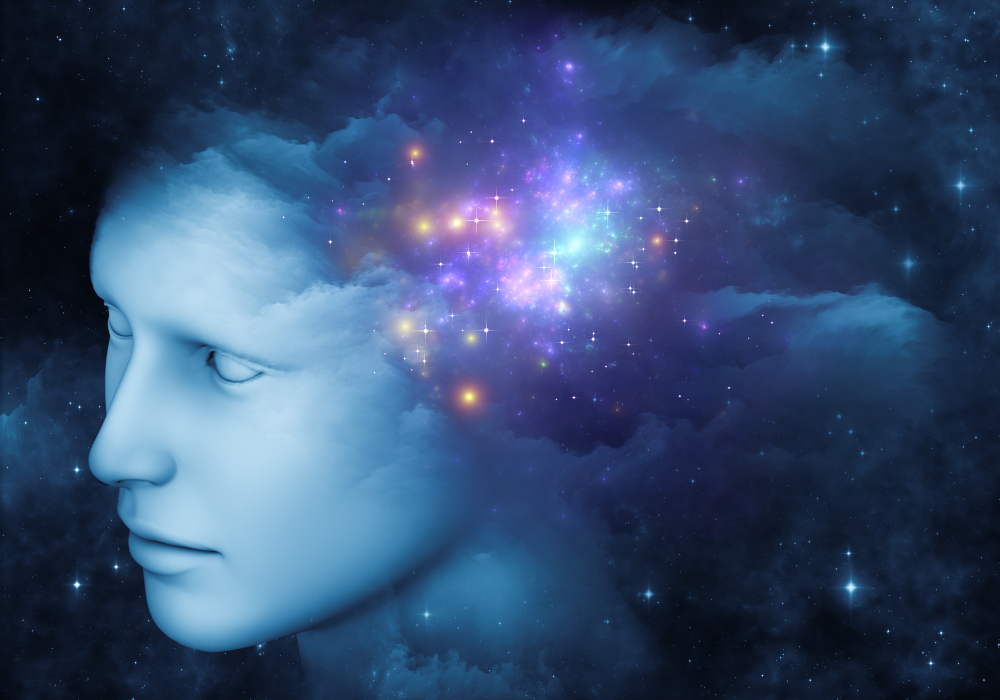
Consciousness is the most intimate experience we have—yet it remains one of science’s most persistent mysteries. What allows us to think, feel, and be aware of ourselves? For centuries, philosophers, neuroscientists, and mystics have tried to crack the code, proposing bold theories to explain this elusive force behind our thoughts.

Some place consciousness in the brain’s wiring. Others look to quantum mechanics or even the universe itself. Yet none have delivered a definitive answer. These 12 fascinating theories have shaped how we understand the mind, but each leaves us with more questions than certainty.

Read more

The American Dream Didn’t Die on Its Own—These 12 Decisions Killed It

Policies that claimed to help the middle class quietly pulled the rug out from under it.

©Image license via Canva

The American Dream was never perfect—but it once stood for something powerful: the belief that with hard work, anyone could achieve a stable, meaningful life. A home. A good job. A decent education. A shot at upward mobility. But that dream didn’t just quietly vanish—it was systematically dismantled. Over decades, a series of policy decisions, corporate strategies, and cultural shifts pulled the ladder up from the middle and working classes, leaving many Americans stuck, exhausted, and disillusioned.

These weren’t isolated mistakes. They were deliberate choices made in boardrooms and backrooms—often justified in the name of “growth” or “freedom.” Today, millions feel the dream slipping out of reach not because of personal failure, but because the system was rigged against them.

Read more

Think AI’s Not for You? These 13 Eye-Openers Will Change Your Mind

Ignoring AI could mean missing out on the biggest personal and professional shift of our time.

©Image license via Canva

You might think artificial intelligence is just for coders, big tech companies, or sci-fi fans—but AI is already woven into your daily life in ways you’ve probably overlooked. From how you shop and travel to how you learn, create, and communicate, AI is quietly shaping your world behind the scenes. And it’s not slowing down. The truth is, you don’t have to be a tech expert to benefit from AI—you just need to know where it’s showing up and how it can work for you. These 13 eye-opening examples might just change your mind—and show you AI is more personal than you think.

Read more

10 Things You Forgot You Liked Because the Algorithm Stopped Feeding Them to You

These forgotten gems show how easily digital trends erase your interests.

©Image license via Canva

Remember when you loved quirky indie films, deep-dive blogs, or lo-fi music that made you feel something? Chances are, you didn’t outgrow those things—the algorithm just stopped showing them to you. As platforms like YouTube, TikTok, Instagram, and even Spotify refine what they think you want, they quietly erase what doesn’t “perform.” That doesn’t mean your tastes changed—it means your feed did. Our digital lives are increasingly curated for engagement, not nostalgia or nuance. If you’ve felt disconnected from your former favorites, you’re not alone.

Read more

Experts Warn Not to Burn These 9 Things in Your Fireplace or Fire Pit—Most People Do

Think twice before tossing these things in the fire—they could poison your air and damage your lungs.

Friends sitting around fire pit. ©Image license via Canva

Lighting up a fireplace or backyard fire pit feels like pure comfort—until you realize what’s actually going up in flames. Most people think if it burns, it’s fair game. But experts are waving red flags over what we’re casually tossing into the fire. From old magazines to pressure-treated wood, the smoke you’re breathing in could be laced with toxins you’d never knowingly inhale. It’s not just bad for your health—it’s rough on your chimney, bad for the environment, and dangerous for kids and pets nearby.

Read more

From Sleepmaxxing to Cognitive Shuffling—These Are 2025’s Top Self-Care Hacks

These trending self-care hacks sound wild, but science says they might actually work.

Woman drawing heart on mirror. ©Image license via Shutterstock

Self-care in 2025 has officially left the realm of scented candles and cucumber eye masks. These days, it’s all about optimization—sleepmaxxing, dopamine cycling, even cognitive shuffling. What sounds like sci-fi or internet slang is actually grounded in real science and wildly popular among younger generations, especially Gen Z and Millennials. They’re not just managing stress; they’re reverse-engineering it. The new wave of wellness isn’t just about feeling good—it’s about being sharper, faster, calmer, and more resilient in a chaotic world.

Read more

How to Make Your Family Plastic-Free in a Week

Ditching plastic in seven days is totally doable—and we’ll prove it step by step.

Woman shopping with reusable bag. ©Image license via Canva

You think you’re doing okay with plastic—maybe you bring your own bags or skip the bottled water now and then. But try going a full week without using any, and you’ll quickly realize just how sneaky and overwhelming plastic has become in everyday life. It’s in your food packaging, your kids’ snacks, your bathroom, even your laundry routine. Going plastic-free sounds noble, but for a family? It can feel impossible.

The truth is, it’s totally doable if you break it down day by day—and commit to progress, not perfection. You don’t need to overhaul your whole lifestyle overnight. You just need to learn where the plastic’s hiding, swap it out smartly, and get everyone on board. This one-week plan will show you how to ditch the waste without losing your mind (or your family’s cooperation) along the way.

Read more

This Is What Happens When You Toss a Lithium Battery in the Trash

It looks harmless, but tossing that battery could spark a disaster.

Woman putting batteries in the trash. ©Image license via Canva

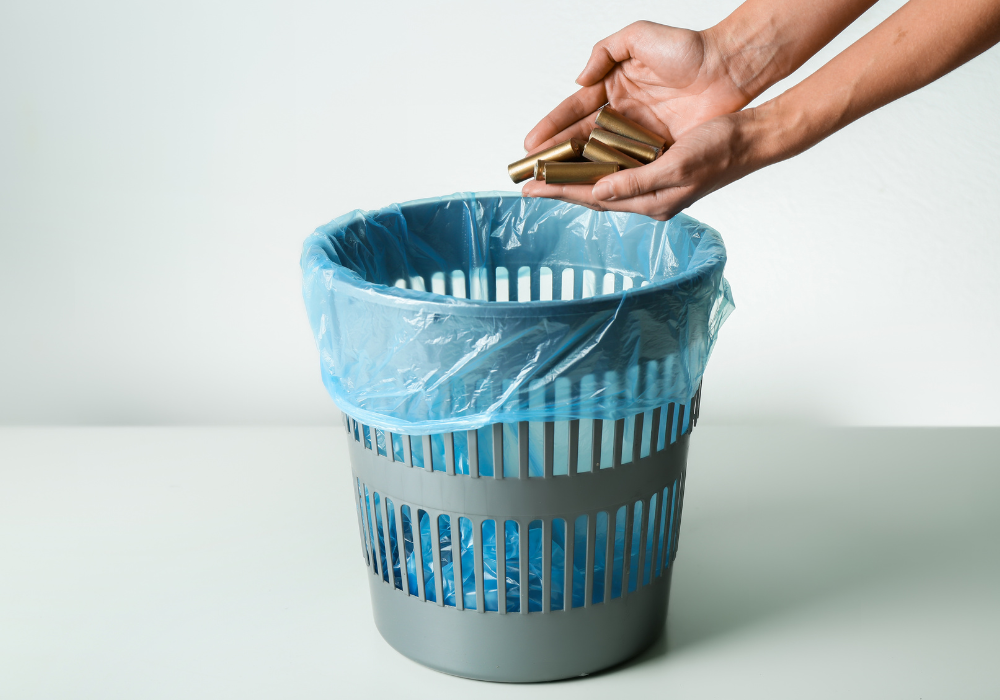
Tossing a lithium battery in the trash might not feel like a big deal—but it absolutely is. That little power pack in your old phone, vape pen, or electric toothbrush can turn into a fire-starting, toxin-leaking nightmare once it hits a landfill or garbage truck. These batteries are packed with flammable materials and reactive metals that don’t play nice with heat, pressure, or moisture.

And once they’re crushed, punctured, or overheated? Boom—fires, toxic fumes, and environmental damage that lingers for decades. It’s not just bad recycling—it’s a real hazard. If you’ve ever tossed one without a second thought, you’re not alone.

But once you know what really happens next, you’ll never look at that “harmless” little battery the same way again.

Read more

People Who Are Calm and Centered Do These 12 Things Before 9 A.M.

If you’re feeling scattered, adopting these simple routines could change everything.

Calm woman reading a book. ©Image license via Canva

Some people wake up and just seem… unshakable. While the rest of us are spilling coffee, checking emails in a panic, and wondering what day it is, calm and centered people are already setting the tone for a balanced day. It’s not magic or some rare personality trait—it’s what they do before the chaos begins.

Their mornings aren’t rushed or reactive—they’re intentional, grounding, and quietly powerful. These people don’t wait for peace to find them—they create it before most of the world even hits snooze. If your mornings feel like a mess of stress and distraction, it might be time to rethink your routine. Because what you do before 9 a.m. can shape everything that comes after.

Read more

13 Things in Your Bathroom That Should Never Go Down the Drain

Flushing these things won’t make them disappear—it only makes things worse.

©Image license via Canva

There’s something weirdly satisfying about watching water carry waste away. It feels clean, quick, and convenient—like a problem instantly solved. But the illusion doesn’t last. What vanishes down the drain in seconds often ends up somewhere it shouldn’t, from clogged pipes in your home to polluted waterways downstream. And while a few culprits are obvious, others might seem harmless until they build up in plumbing systems or leach toxins into soil and water.

The bathroom is one of the biggest problem zones for hidden waste. Personal care routines, cleaning habits, and daily hygiene often involve rinsing, flushing, or washing things away without a second thought. Unfortunately, many of those things don’t break down properly—or at all. Some gum up wastewater equipment, others kill helpful bacteria in septic systems, and several contribute to microplastic pollution or chemical contamination. A little more awareness here can make a huge difference.

Read more