13 Cities That Will Win Big in the Great Climate Migration

Climate refugees fleeing heat, drought, and rising seas will transform these northern cities into America’s next boom towns.

©Image license via Canva

America is about to experience the largest population shift since the Great Depression, but this time it’s not economics driving people to pack up and move — it’s survival. As temperatures soar, seas rise, and extreme weather becomes the norm, millions of Americans are quietly planning their escape from climate danger zones.

The result will be a complete reshuffling of where people live, creating instant boom towns in places that have been losing population for decades. Climate migration researcher Dr. Jesse Keenan from Tulane University has been tracking these population flows, and his data shows that certain cities are positioned to gain hundreds of thousands of new residents within the next two decades.

Read more

Stay or Go? Life on the Edge of a Disappearing Coast

Coastal towns face a tough choice: rebuild after every storm or retreat to safety—both options have steep costs.

©Image license via Canva

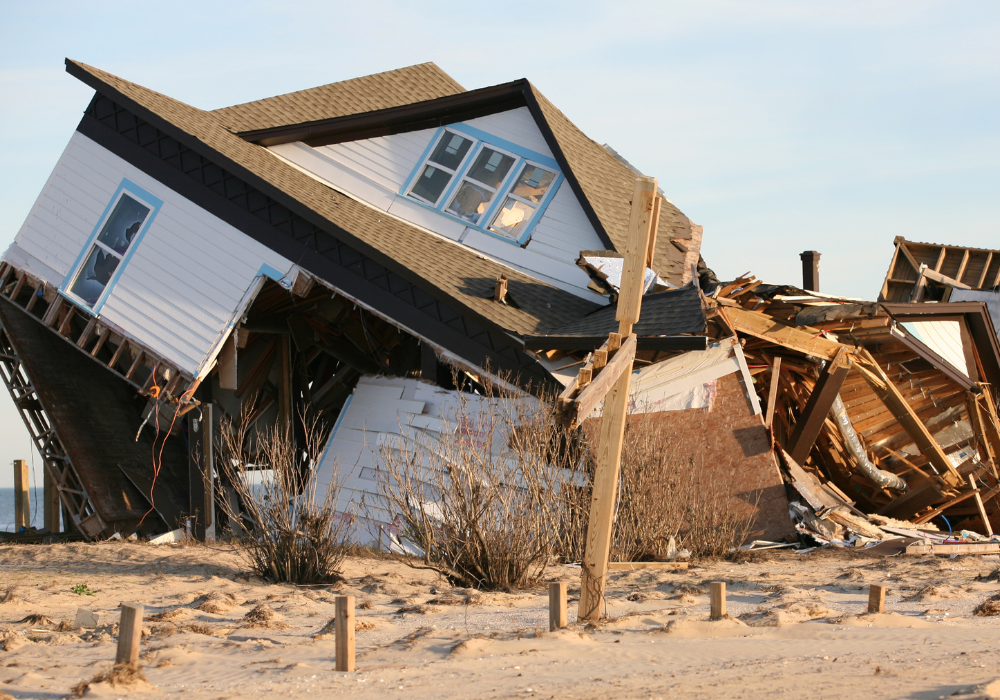
Flooded roads, failing septic systems, and swamped neighborhoods are becoming a regular scene along barrier islands and low-lying estuaries. After every big storm, towns face the same question: do we raise and reinforce—or pack up and move? Managed retreat isn’t waving a white flag; it’s a strategy to get people out of high-risk zones before the next hit.

Rebuilding isn’t easy either. As risk rises, so do costs—and insurance, FEMA maps, and lending rules keep shifting. The smartest approach blends tougher building codes, nature-based defenses, and strategic buyouts, giving people, budgets, and communities a real shot at thriving for the next decade, not just surviving the next storm.

Read more

Why Rich People’s Lawns Are a Climate Disaster

Wealthy neighborhoods consume massive water resources and chemicals while contributing more to climate change than you think.

©Image license via Canva

Drive through any wealthy neighborhood and you’ll see them everywhere: perfect, emerald-green lawns that look like they belong on a golf course. These pristine patches of grass might seem harmless, but they’re actually environmental disasters hiding in plain sight. The resources required to maintain these perfect lawns are staggering, and the environmental cost is something most people never think about.

Dr. Paul Robbins, author of “Lawn People” and professor at the University of Wisconsin-Madison, says that American lawns consume more water, fertilizer, and pesticides than most agricultural crops, while providing zero food value. The obsession with perfect grass in affluent communities represents one of the most wasteful uses of natural resources in modern society.

Read more

How Indigenous Wisdom Could Be the Key to Beating Climate Change

Science is catching up to what Indigenous communities have known all along about living in balance with nature.

©Image license via Canva

We’ve spent decades chasing high-tech fixes for the climate crisis—carbon capture, geoengineering, electric everything. But maybe the real solution isn’t new at all. Indigenous communities around the world have lived in harmony with nature for thousands of years, managing land, water, and wildlife with a wisdom rooted in observation, respect, and reciprocity.

Governments debate and corporations delay, but these time-tested practices are quietly proving their worth. We dismissed their knowledge as primitive—now it might be our best chance at survival. If we want a livable future, it’s time to stop overlooking Indigenous voices and start learning from them.

Read more

The 9-to-5 Grind Isn’t Just Killing Your Joy—It’s Killing the Earth

Burnout isn’t the only consequence of modern work—planetary damage is part of the deal.

©Image license via Canva

You wake up already tired. The day hasn’t started, but your brain’s racing, your shoulders are tense, and your inbox is quietly mocking you. You grab a coffee, brace for traffic, and wonder if this is just how life is now.

Meanwhile, outside your bubble of meetings and deadlines, the planet is heating up, ecosystems are collapsing, and resources are disappearing faster than we can count them. The connection between your daily grind and environmental breakdown might not be obvious—but it’s real. The way we work isn’t just exhausting us. It’s exhausting the Earth too.

Read more

12 Lessons from 12 Civilizations That Collapsed (And Why We Could Be #13)

Uncover the Warning Signs, Causes, and Patterns Behind History’s Greatest Societal Collapses—And What They Mean for Us Today

©Image license via Pixabay

History doesn’t just repeat—it warns. From the Maya to the Romans, once-mighty civilizations collapsed under the weight of their own decisions. While natural disasters and invasions played a role, many of these societies triggered their own downfall through what experts call self-termination. Whether it was environmental destruction, political gridlock, or social inequality, their mistakes weren’t accidents—they were patterns.

Today, the signs are unsettlingly familiar. As we face climate change, widening economic gaps, and broken political systems, historians and scientists are sounding the alarm. The stories of ancient civilizations aren’t just about the past—they’re flashing red lights for our future.

Read more

Millions of Teens Report They Won’t Ever Have Kids Due to Climate Change—Here’s Why

A new global study reveals how climate fears are reshaping teenagers’ views of parenthood.

©Image license via Canva

The future is feeling less certain for the next generation—and they’re making life-altering decisions because of it. In a 2022 Harris Poll, 1 in 4 U.S. teens said they may never have children due to fears about climate change. That’s not just hesitation—it’s a profound shift in how young people view their place in the world.

For many, the decision isn’t just personal; it’s ethical, practical, and emotional. They’re weighing the risks of bringing children into a world of rising seas, burning forests, and extreme weather. It’s a form of protest, but also of heartbreak. And while some dismiss it as dramatic, these choices are rooted in real data, deep anxiety, and moral reckoning.

Read more

Are Your Fur Babies Secretly Fueling Climate Change? 11 Eye-Opening Facts

How your pet’s daily routine might be leaving a bigger carbon pawprint than you realized.

©Image license via Canva

We love our pets like family—sometimes even more than our human relatives. But while you’re tossing them a treat or scooping kibble into their bowl, have you ever wondered what their carbon pawprint looks like?

As climate change becomes harder to ignore, every aspect of our lifestyle—yes, even pet ownership—is coming under scrutiny. From their food to their waste to their toys and accessories, our four-legged companions may be contributing more to global warming than you’d think. That doesn’t mean giving up your beloved furball, but it does mean becoming more aware.

These facts might make you rethink how you shop, feed, and care for your pet—and they’ll arm you with the knowledge to be a more eco-conscious pet parent. Ready to find out if your fur baby is part of the problem—or the solution?

Read more

10 Everyday Habits That Drastically Cut Your Carbon Footprint

Small lifestyle shifts can make a real impact on the planet—discover how to start reducing your emissions today.

©Image license via Canva

Explore how climate change and everyday choices are linked—small lifestyle shifts can make a real difference for the planet and your future. Ready to see how easy it is to shrink your carbon footprint? Dive into these high-impact habits and discover your power to help fight climate change, one step at a time.

Read more

13 Core Values Every Generation Needs to Carry Forward

Timeless principles will guide future generations through an uncertain world.

©Image license via Canva

In an age of rapid change, it’s tempting to throw out everything old in favor of what’s new. But some values are timeless—and abandoning them risks unraveling the fabric that holds communities, families, and individuals together. While each generation must navigate its own challenges, certain foundational beliefs have proven essential to human progress and emotional well-being.

They’re not about clinging to outdated traditions—they’re about honoring the best of what’s come before while adapting to what’s ahead. These 13 core values deserve to endure across generations, shaping a more compassionate, resilient, and thoughtful future for everyone.

Read more