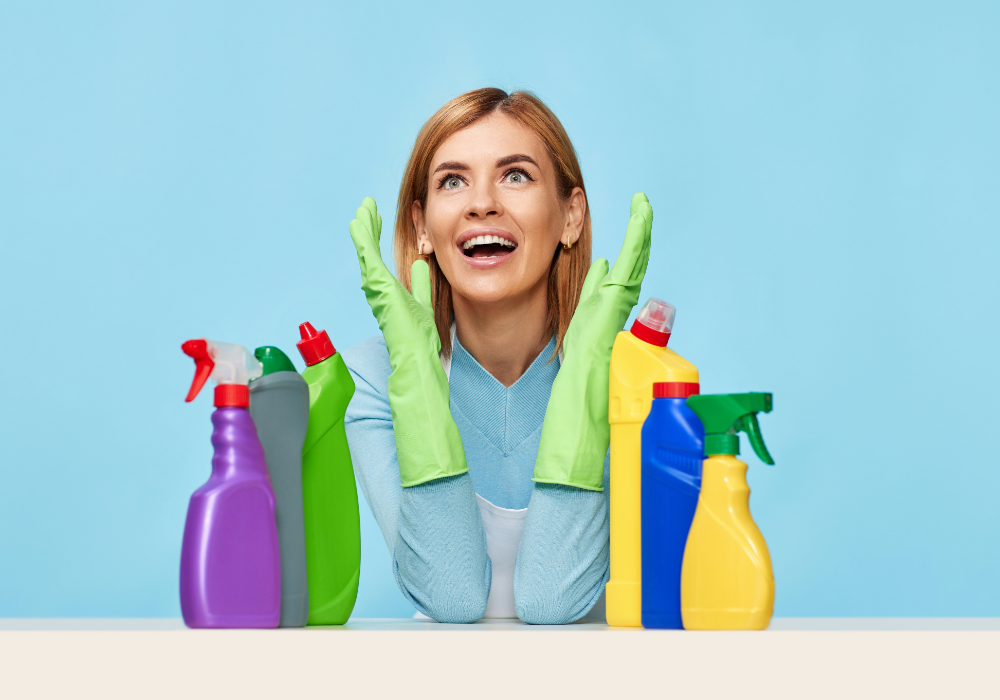
How to Spot Greenwashing Before You Buy Anything Green

Learn the warning signs and deceptive marketing tactics companies use to make products seem eco-friendly when they’re not.

©Image license via Canva

Walk down any grocery store aisle and you’ll be bombarded with products claiming to be “natural,” “eco-friendly,” and “sustainable.” Green leaves on packaging, earthy colors, and promises to save the planet — it all looks so convincing. But here’s the problem: most of it is complete nonsense designed to trick you into paying more for products that aren’t actually better for the environment. This deceptive practice is called greenwashing, and companies spend billions perfecting it.

Environmental marketing expert Dr. Catherine Tucker from MIT Sloan School of Management estimates that over 95% of products marketed as “green” fail to meet basic environmental standards. Learning to spot these tricks isn’t just about saving money — it’s about making choices that actually help the planet instead of just making you feel good about your purchases.

Read more

12 Ways Today’s Prefab Homes Prove Sustainable Can Be Stylish

Forget the boxy look—modern prefabs blend green living with gorgeous design.

©Image license via Canva


Prefab homes have come a long way from their humble, boxy beginnings. Once dismissed as cookie-cutter or temporary, today’s prefab designs are changing perceptions by marrying style with sustainability.

Thanks to cutting-edge materials, energy-efficient systems, and an emphasis on reducing waste, these homes are proving that going green doesn’t mean sacrificing aesthetics. And with climate concerns on the rise, the demand for eco-conscious housing solutions is growing fast.

From minimalist retreats in the woods to sleek urban dwellings, modern prefab homes now offer high-end finishes, smart technology, and architectural elegance—all while leaving a lighter footprint on the planet. Whether you’re eco-curious or a full-on environmentalist, these dwellings might just inspire your next dream home.

Read more

A New Plastic That Disappears Could Help You Protect the Oceans Without Lifting a Finger

Scientists develop a breakthrough material that dissolves deep at sea—no cleanup crews required.

©Image license via Canva

Plastic pollution is strangling our oceans—literally. Every year, millions of tons of plastic end up in waterways, breaking down into toxic microplastics that harm sea life and end up in our food. But what if plastic didn’t stick around for centuries? Enter disappearing plastic—also known as biodegradable or compostable plastic alternatives.

These innovative materials are designed to vanish after use, sparing the planet from long-term damage. You don’t have to change much about your lifestyle to make a big difference. From food packaging to clothing fibers, these plastics are infiltrating industries in a way that could transform everything we thought we knew about waste.

Here’s how these futuristic materials could quietly revolutionize your relationship with the environment—without you even noticing.

Read more

13 Things That Were Marketed as “Reusable” But Rarely Survive the Month

You bought them to save money and waste—now they’re cluttering your trash can.

©Image license via Canva

You jumped on the reusable bandwagon—shopping with good intentions and a hopeful heart. Save money? Help the planet? It sounded like a no-brainer. But now your kitchen drawer is stuffed with warped silicone lids, broken “eco” scrubbers, and mystery lids that no longer fit anything. The truth is, not all reusable products are created equal. Some of them are just overhyped plastic with a green label slapped on. Others sound genius in theory but fail miserably in real life. If you’ve ever wondered why your sustainable stash seems short-lived, you’re not alone. Here are the worst offenders that rarely go the distance.

Read more

Your Candle Might Be Polluting More Than Your Car—10 Surprising Sources of Indoor Smog

The air inside your home isn’t as innocent as it smells.

©Image license via Canva

Most people assume air pollution is something that happens outside—smog over the city, exhaust on the highway, smoke from a wildfire. But the air in your living room could be worse. Indoor air doesn’t just come from outside; it builds up from everything you do inside. Cooking, cleaning, lighting candles, spraying air fresheners—it all leaves traces behind. And unlike outdoor air, there’s no breeze to carry it away.

The problem is, many of the worst offenders are things we associate with comfort and cleanliness. That lavender candle. The citrusy multi-surface spray. Even your new couch. It’s not just one thing, either. When all these pollutants combine and stay trapped indoors, they can form a toxic soup that’s harder on your lungs than city traffic. If you’ve ever cracked a window just to “freshen things up,” you were onto something. Your air might be cozier than the freeway—but it’s not necessarily cleaner.

Read more

What’s in Your Mattress Isn’t Just Foam—It’s a Mix of 10 Materials That Don’t Break Down

Underneath the sheets, your mattress hides a whole lot of forever waste.

©Image license via Canva

If you’ve ever dragged an old mattress to the curb, you know they’re heavy, awkward, and weirdly dense. What most people don’t realize is that those things are built like tanks—layered with materials that were never meant to decompose. They’re cozy for a while, sure, but once they’re tossed, they sit in landfills for decades. Sometimes centuries. It’s not just the foam you can blame, either. The modern mattress is a Frankenstein blend of synthetic fibers, chemical adhesives, petroleum products, and sneaky microplastics. Even the ones labeled “natural” or “eco-friendly” often come packed with hidden materials that are tough to recycle and impossible to break down.

The truth is, most mattresses are designed for comfort, not sustainability. And while we’ve become more conscious about fast fashion and plastic packaging, mattresses somehow fly under the radar. It’s time to pull back the covers and take a closer look at what we’re actually sleeping on—because the materials inside your bed aren’t just temporary. They’re forever.

Read more

There’s Nothing Ethical About These 10 Everyday Essentials You Probably Use

These items hide behind convenience—but the cost is everything.

©Image license via Canva

They’re sitting in your bathroom, your kitchen, your tote bag. They’re part of your routine. And they seem harmless—basic, even. But a closer look at how they’re made, who’s exploited to produce them, and how long they stick around after you toss them paints a different picture. These so-called essentials come with a hidden cost that rarely shows up on a receipt.

That’s the trap of convenience. It hides the truth in plain sight. You don’t see the sweatshop, the chemical runoff, the animal testing, or the plastic island forming in the ocean. You just see something that works. But everyday harm adds up—quietly, consistently, globally. This isn’t about guilt-tripping your routine. It’s about seeing it clearly. Because when products are built on suffering or destruction, calling them “essentials” just makes the damage feel inevitable. And it isn’t.

Read more

12 “Eco” Swaps That Don’t Actually Help the Planet at All

Eco-friendly isn’t always earth-friendly, and here’s the proof.

©Image license via Canva

It’s never been trendier to care about the planet—and that’s not a bad thing. But let’s be real: not everything with a green label is actually doing good. We’ve all been tempted by bamboo everything, swapped plastic for paper, or bought into whatever “eco” product the internet swears is the next sustainable miracle. But a lot of those swaps are more about looking the part than making a real difference. Companies know you want to help, and they’re more than happy to sell you the illusion of impact.

That’s the problem. These “planet-friendly” upgrades often come with hidden costs, messy realities, or just straight-up don’t work. You deserve to know which swaps are real and which are just another way to sell more stuff. Because if we’re going to fight climate change and reduce waste, we need more than trendy purchases—we need honest action. Here’s what’s not helping like it claims to.

Read more

Stop Wasting Money on “Natural” Cleaning Products—These 11 Everyday Items Work Even Better

Put your wallet away and just raid your own shelves.

©Image license via Canva

You don’t need a basket full of expensive, “non-toxic” sprays to clean sustainably. A lot of what you already own—maybe stuff collecting dust in a cabinet—can work just as well, without the mystery chemicals or plastic packaging. Whether it’s something from your pantry, medicine cabinet, or fridge, odds are you’ve got a few multi-tasking items that can tackle grime, cut grease, or disinfect naturally.

Eco-friendly cleaning doesn’t have to mean spending more—it can start with spending nothing. You’re not just saving money by using what you’ve already got; you’re keeping synthetic cleaners out of waterways, plastic out of landfills, and fumes out of your home. These first five items aren’t just clever hacks—they’re reminders that sustainability can be simple, practical, and surprisingly satisfying. If it’s sitting in your kitchen or bathroom already, it might be all you need to get started.

Read more

You Thought You Were Shopping Sustainably—But These 10 “Green” Brands Say Otherwise

They talk eco-friendly, but their supply chains tell a dirtier story.

©Image license via Canva

It’s easy to feel good when you toss something labeled “eco” into your cart. Compostable packaging, earthy color schemes, and vague claims like “made responsibly” are designed to make you feel like you’re saving the planet with every purchase. But dig a little deeper and you’ll find that a lot of these so-called green brands are just really good at marketing—not actual sustainability.

From fast fashion giants with “conscious collections” to cleaning products that hide toxins behind plant logos, the industry knows how to talk the talk without walking it. And while no one expects perfection, pretending to be ethical while cutting corners behind the scenes is its own kind of harm. If you’ve been trying to shop better, you deserve to know which companies are faking it. Greenwashing isn’t just misleading—it’s profitable. And some of your favorite brands are cashing in on your good intentions.

Read more