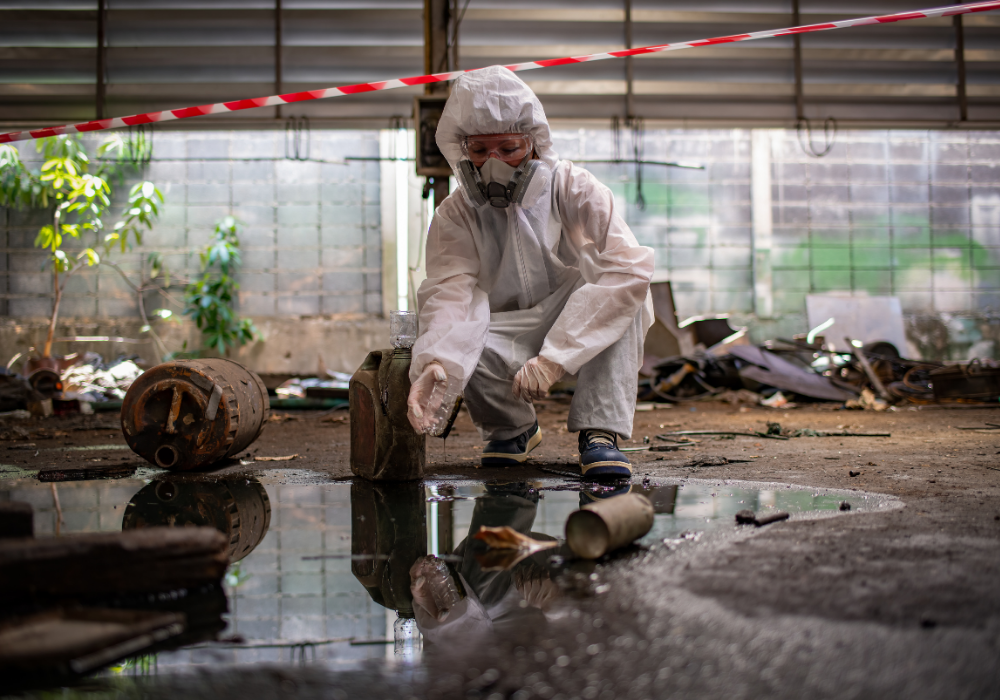
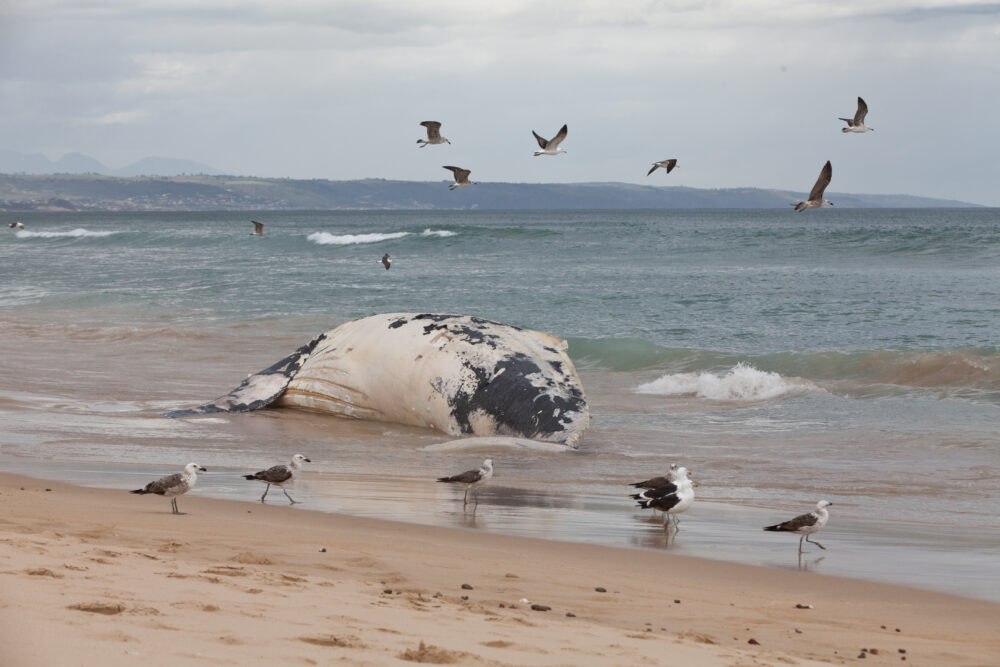
Why Sustainable Eating Is a Privilege for Millions—14 Hard Truths You Need to Know

Not everyone can afford to eat in a way that’s good for the planet. Here’s why that matters.

©Image license via Canva

Sustainable eating gets praised as the solution to everything from climate change to personal health. Eat organic, buy local, cook from scratch—it’s painted as the obvious choice for anyone who cares about the future. But what happens when that choice doesn’t actually exist?

For millions, food is about survival, not sustainability. They don’t have the luxury of picking the perfect produce at a farmers’ market or spending extra on ethically sourced groceries. Some live in food deserts, others work multiple jobs, and many simply can’t afford to prioritize the environment over getting enough to eat.

Blaming individuals for not eating sustainably ignores a much bigger issue—our entire food system is designed for convenience, profit, and inequality. Before pointing fingers at the people who can’t make “better choices,” it’s time to face the reality of why sustainable eating isn’t an option for everyone. These 14 hard truths explain why.


Read more

12 Climate Doomscrolling Habits That Are Paralyzing Your Ability to Act

Your phone addiction isn’t just killing your sleep—it’s freezing your climate action too.

©Image license via Canva

We’ve all been there: a quiet evening at home derailed by a casual thumb-swipe into the climate abyss. One minute you’re checking the weather, the next you’re frozen by headlines about record-breaking heatwaves, melting ice, and climate refugees. Three hours later, you’re still scrolling, now convinced we’re all doomed while you’ve done exactly nothing to help. Congratulations! You’ve fallen into the climate doomscrolling trap—modern environmentalism’s biggest irony where staying informed somehow makes you less effective at creating change.

This endless cycle of climate horror isn’t just wasting your time—it’s actively blocking your ability to take meaningful action. The constant flood of bad news creates the perfect brain storm that short-circuits your ability to respond in helpful ways. While knowing about climate challenges matters, there’s a tipping point where more information doesn’t help but actually freezes your response. Let’s look at the doomscrolling habits killing your climate action potential and how to break free.

Read more

14 Wasteful Things Your Parents Taught You That Are Secretly Killing The Planet

The wasteful habits your parents swore by are wrecking the planet.

©Image license via Canva

Your parents meant well. They really did. They taught you to say “please,” work hard, and never leave the house with wet hair. But for all their wisdom, they also passed down some habits that are, well… destroying the planet. It’s not entirely their fault—back in their day, sustainability wasn’t exactly top of mind. Plastic was a miracle invention, paper towels were the height of convenience, and leaving the car running “to warm it up” was just what people did. But now, those everyday habits are adding up to overflowing landfills, wasted energy, and a climate crisis that isn’t slowing down.

If you’ve inherited some of these wasteful traditions, don’t panic. You’re not doomed to repeat them. With a few small changes, you can break the cycle and do better than the generations before you. Here are the 14 things your parents taught you that are secretly killing the planet—and how to finally unlearn them.

Read more

10 Forgotten Celtic Eco-Wisdoms That the Modern World Desperately Needs

Ancient wisdom isn’t lost—it’s just waiting to be remembered.

©Image license via Canva

Long before sustainability became a buzzword, the Celts lived in deep harmony with nature. Their traditions weren’t about convenience or consumerism; they were built on respect, balance, and an understanding that the earth gives only as much as it receives. The modern world has strayed far from this mindset, but their eco-wisdom still holds power today.

Many of the Celts’ forgotten practices align perfectly with what environmentalists now urge us to do—conserve resources, live seasonally, and treat the land as a living entity. These weren’t just beliefs; they were survival strategies that kept communities thriving for generations. With the planet at a breaking point, it’s time to revisit these age-old principles. Here are 10 pieces of Celtic eco-wisdom that could transform the way we live, if only we’d listen.

Read more

12 Ways Your Convenience Products Become Someone Else’s Survival Nightmare

Convenience is quietly costing someone their future.

©Image license via Canva

Every convenience product promises ease, but there’s always a hidden cost lurking behind the scenes. Sure, those coffee pods and disposable wipes make life simpler, yet they also quietly dismantle ecosystems and upend communities in ways you’d probably rather ignore. That effortless grab-and-go snack, neatly wrapped in plastic, sets off a chain reaction that leads straight to someone else’s health nightmare or environmental catastrophe. While you’re blissfully upgrading phones or stocking up on bargain fashion, distant lands grapple with toxic waste mountains, poisoned rivers, and displaced families—each a direct result of your casual, everyday decisions.

Convenience might feel harmless, but it often comes packaged with consequences that echo painfully elsewhere. That plastic straw floating innocently in your iced coffee doesn’t vanish; it becomes a deadly trap. Your sleek new phone leaves behind toxic chemicals, poisoning lives quietly, miles away. Convenience feels like magic—but unfortunately, it’s a cruel illusion built on someone else’s misfortune.

Read more

When Boomers Meet Gen Z, These 13 Climate Conversations Turn Into Battlegrounds

Green intentions collide with generational experiences as dinner table debates turn explosive.

©Image license via Canva

Nothing spices up a family dinner quite like a heated climate change debate between Grandpa and his TikToking granddaughter. The climate crisis isn’t just melting ice caps—it’s melting down holiday gatherings across America. When different generations lock horns over environmental issues, it’s not just about carbon emissions; it’s an explosive collision of entirely different life experiences, media bubbles, and visions of the future.

Most everyone now agrees climate change is happening, but the moment someone suggests what to actually do about it? Duck and cover. The battlegrounds below represent those conversational land mines where intergenerational climate chats go from zero to nuclear faster than you can imagine. Plus, a few peace treaties that might just save your next family reunion.

Read more

If You Knew the Truth About These 10 Industries, You’d Never Support Them Again

They’re making billions while destroying the planet —and they’re hoping you’ll never notice.

©Image license via Canva

Most of the things we buy, eat, and use every day come from industries that barely cross our minds. They’re designed for convenience, affordability, and just enough feel-good marketing to keep us from asking too many questions. But once you start paying attention, it’s impossible to unsee the truth. The shiny packaging and clever slogans distract from what’s really happening behind the scenes.

Corporations are cutting corners, exploiting workers, and wrecking the environment—all while raking in massive profits. They’ve built billion-dollar empires by keeping consumers in the dark, counting on the fact that no one will dig too deep. Everything seems fine until the curtain gets pulled back. The truth is unsettling, but it’s also empowering. Once you know what’s really going on, it’s hard to keep playing along. And when enough people start seeing through the deception, those billion-dollar industries won’t be able to hide anymore.

Read more

11 Heroes That Sounded the Alarm on Climate Change Years Ago—But No One Took Them Seriously.

The world mocked them, denied their research, and ignored their warnings—until it was too late.

©Image license via Canva

Nobody woke up one day and suddenly realized the planet was on fire—people have been screaming about it for decades. Scientists, activists, and even politicians risked their reputations to warn us, only to be mocked, ignored, or dismissed as alarmists. Meanwhile, corporations raked in profits, governments stalled, and the world sleepwalked straight into disaster.

Now, the fires, floods, and record-breaking heat they predicted are here, and there’s no hitting rewind. Some saw it coming before climate change even had a name. Others were silenced despite overwhelming proof. Every single one of them was right. If the world had listened, maybe entire regions wouldn’t be drowning or burning. Maybe we wouldn’t be watching ecosystems collapse in real-time. It’s too late to undo decades of denial, but it’s not too late to stop ignoring the people who saw this coming. Because if we keep looking away, the worst is still ahead.

Read more

While Boomers Debated, Gen Z Created These 10 Revolutionary Environmental Demands

The planet is on fire, and young activists are done waiting for someone else to fix it.

©Image license via iStock

For years, older generations have argued over climate policies, economic trade-offs, and what’s realistic when it comes to saving the planet. Meanwhile, young people have watched the world get hotter, oceans rise, and corporations rake in profits while polluting the air we breathe. Now, they’re done with the talk and demanding action—on their terms.

These demands aren’t polite requests. They’re ultimatums. From punishing corporate polluters to forcing governments to cut ties with fossil fuels, today’s generation isn’t here to compromise. They know the science, they see the urgency, and they’re pushing for real, immediate change. Here’s what they want—and why they won’t take no for an answer.

Read more

You Never Hear About These 10 Alarming Ways American Military Operations Devastate Ecosystems

War doesn’t just destroy cities—it leaves behind lasting scars on the planet’s most fragile ecosystems.

©Image license via Shutterstock

Most of us never think about how military operations affect the environment. Sure, we know about the human costs of war, but what about the land, water, and animals left behind? The American military operates worldwide, and their activities leave lasting marks on nature that rarely make the news.

From training grounds to old war zones, military presence changes landscapes in ways that stick around long after soldiers leave. The damage spreads through water, soil, and wildlife – often close to where people live. These environmental costs aren’t talked about much, but they’re part of the real price of keeping a global military presence.

Read more