Toxic Tide Warning: 5,500 Hazardous Coastal Sites Could Flood by 2100

Scientists say rising oceans may turn industrial sites into sources of dangerous, widespread pollution.

©Image license via Raw Pixel

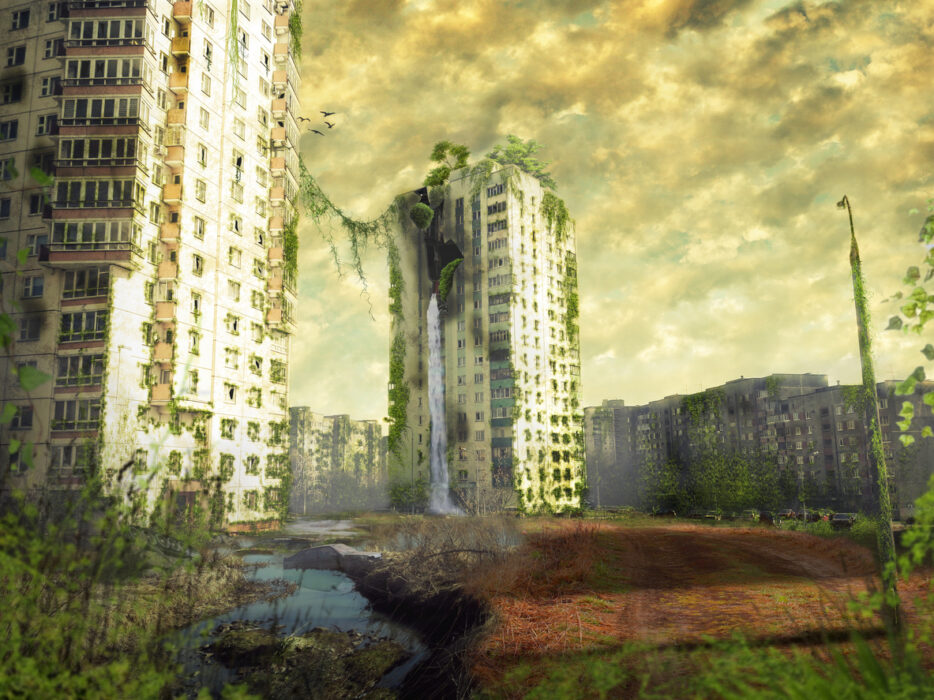
Rising seas aren’t just threatening coastal homes and beaches—they may also unleash toxic chemicals stored at thousands of industrial sites along U.S. shorelines. New analysis shows more than 5,500 coastal facilities sit in areas likely to be reached by sea-level rise or storm-driven flooding in the coming decades. These sites store hazardous materials that could leak into water, soil, and nearby neighborhoods if inundated. As climate-driven flooding becomes more common, millions of Americans may face environmental risks they never knew were there.

Read more

Brace for a Wild Winter: What the 2025–26 Forecast Means for Your Region

A shifting La Niña may bring snow, storms or record warmth — here’s what to expect this season.

©Image license via Canva

With a weak La Niña expected to linger into winter before shifting toward neutral conditions in early 2026, this season could bring a mix of mild spells, sudden chill, and uneven snowfall across the United States. Many regions are leaning warmer than average, while parts of the Upper Midwest and northern Plains have higher chances of colder weather. Rain and snow patterns are also expected to vary widely. Overall, winter 2025–26 looks like one filled with surprises — and here’s what different parts of the country can expect.

Read more

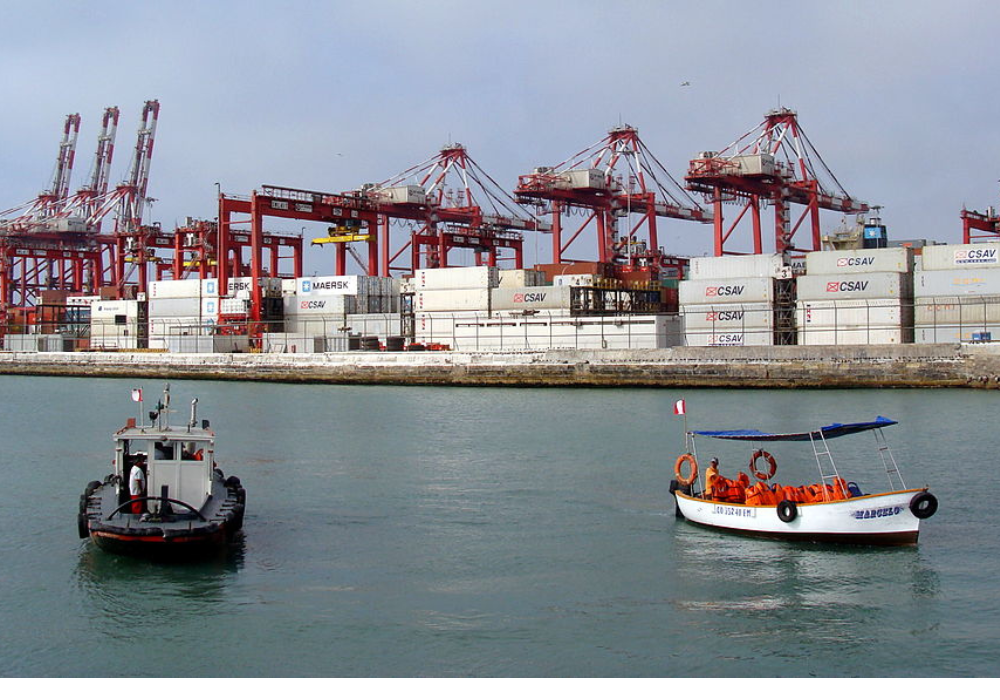
How a Port in Peru Could Spell Disaster for the World’s Most Critical Rainforest

Illegal logging, unchecked trade routes, and new road expansion could accelerate Amazon destruction, experts warn.

©Image license via Wikimedia Commons

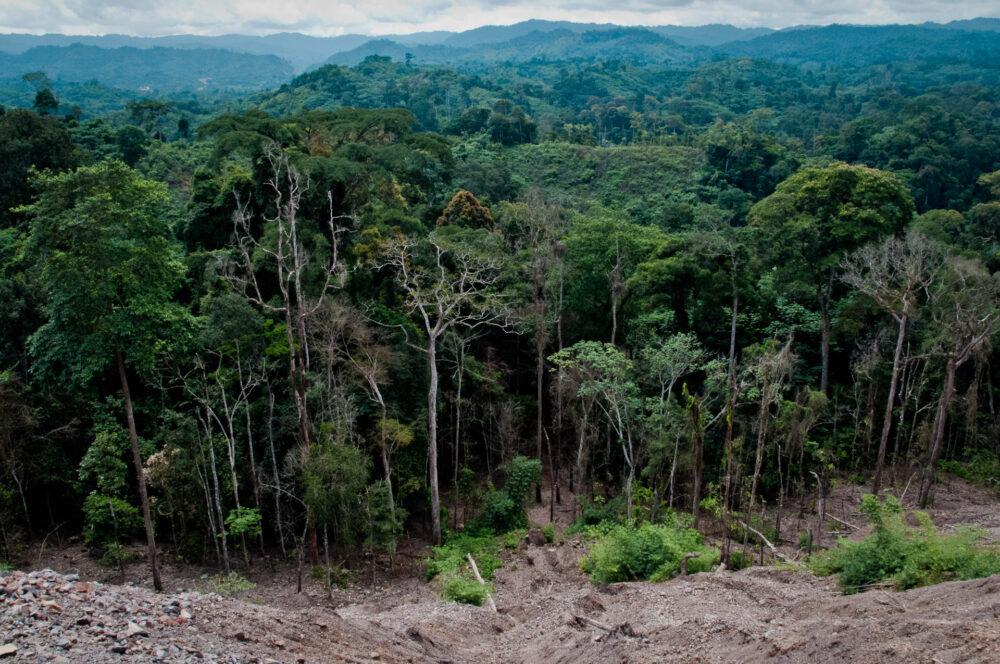
A massive new deep-water port rising on Peru’s Pacific coast is raising urgent alarms among environmental experts. The China-backed Chancay port is expected to reshape trade across South America, offering a faster route for shipping goods to Asia. But scientists say the project could also accelerate deforestation deep inside the Amazon. New roads, expanded transport corridors, and increased demand for timber and minerals may push development deeper into vulnerable rainforest regions already struggling with illegal logging.

Read more

Scientists Warn These 11 U.S. Regions Will Be Too Extreme For Human Life by 2070

These places have expiration dates: millions living where humans can’t survive by 2070.

©Image license via iStock

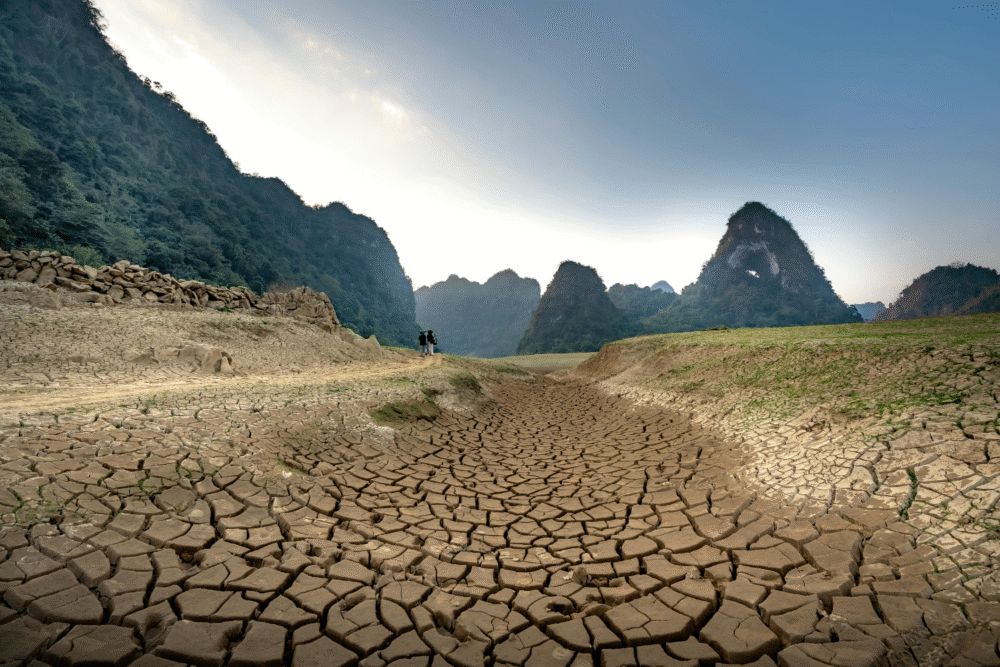
Climate change isn’t some distant problem anymore. Recent research paints a scary picture that hits much closer to home than most of us realize. We’re not talking about slightly warmer summers or a bit more rain – we’re looking at places across America that might become too dangerous for people to live in at all.

What’s truly alarming? These aren’t remote wilderness areas – they’re major cities and regions where millions of Americans currently have homes, jobs, and deep community ties. As heat waves, flooding, wildfires, and water shortages reach extreme levels, these places could force mass relocations that will reshape our entire country. Scientists are increasingly concerned that for some regions, it’s not a question of if people will need to leave, but when.

Read more

Africa’s Forests Are No Longer Saving the Planet — They’re Fueling Climate Change

New research shows key African forests are now emitting more CO₂ than they absorb, alarming climate scientists.

©Image license via Bohumil Cap

A major new study from the University of Leeds has uncovered a worrying trend in Africa’s forests: many are now giving off more carbon dioxide than they pull in. After tracking more than 100,000 trees across 10 countries, researchers found that years of intense heat, drought, and human pressure are weakening forests that once played a huge role in slowing climate change. Instead of absorbing carbon, some are now adding to the problem — a shift scientists say is a serious warning about how quickly environmental stress can change entire ecosystems.

Read more

Europe’s Hidden Water Supply Is Vanishing — And Nobody Did Enough to Prepare

Long-term satellite data shows Europe’s underground water reserves are shrinking fast.

©Image license via Canva

A sweeping new analysis suggests Europe’s groundwater reserves have been dropping for more than two decades, and scientists say the trend is tied directly to climate change. Using long-term satellite observations, researchers found that freshwater stored underground—from Spain and Italy to Germany and Eastern Europe—is steadily shrinking. This decline affects drinking water, farming, and river ecosystems across the continent. The findings raise concerns that Europe has underestimated how vulnerable its water supplies are, especially as droughts grow more frequent and demand keeps rising.

Read more

They Want to Drill Into a Potentially Explosive Volcano — Here’s the Surprising Reason

A bold geothermal experiment aims to turn Oregon’s Newberry Volcano into a powerful clean-energy source.

©Image license via Picryl

Scientists are launching a breakthrough geothermal project at Newberry Volcano in Oregon, one of the most closely monitored volcanic sites in the country. By drilling deep into super-hot rock, researchers hope to create an engineered geothermal system capable of producing carbon-free electricity. Newberry is considered a high-risk volcano, but its extreme heat also makes it one of the most promising renewable-energy targets in the United States. The project could help prove whether active volcanic regions can safely power homes, cities, and industries in a clean-energy future.

Read more

New York’s Worst-Case Flood Scenario Just Became Real

New modeling shows how a major hurricane could flood huge sections of New York City.

©Image license via Wikimedia Commons

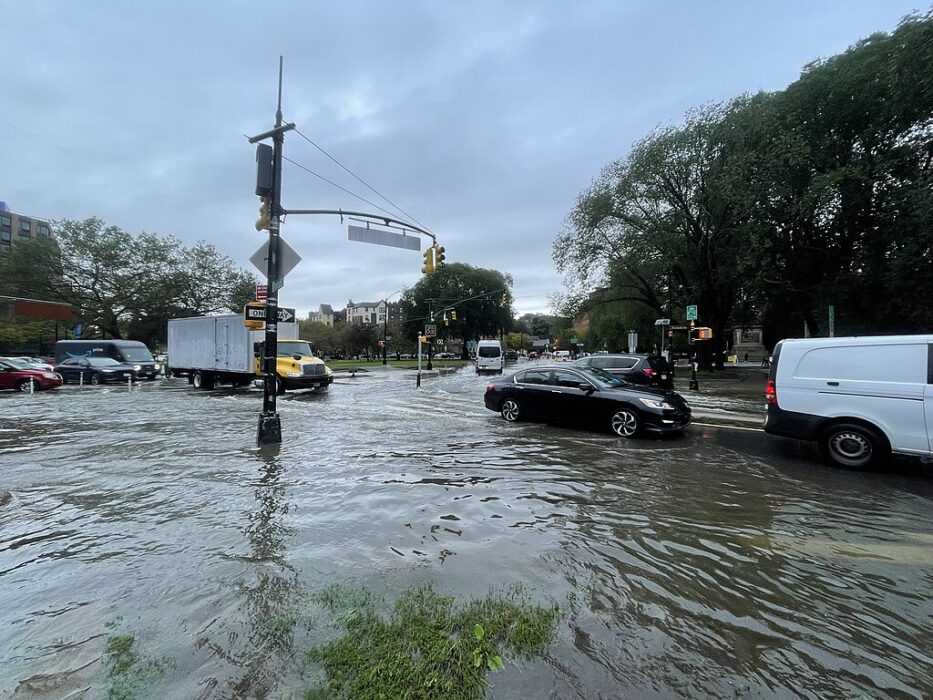
New data and storm-surge modeling reveal how a powerful hurricane could push devastating amounts of water into New York City, overwhelming neighborhoods far beyond current flood zones. The New York Times analysis shows that with the right storm track, winds, tides and rising seas, parts of Manhattan, Brooklyn, Queens and the Bronx could see deep, fast-moving floodwaters. These findings highlight areas where millions live and work, raising urgent questions about infrastructure, evacuation plans and how prepared the city truly is for a future climate-driven disaster.

Read more

What New Investigations Reveal About ExxonMobil’s Worldwide Environmental Impact

Recent reports and investigations shed new light on ExxonMobil’s global environmental footprint.

©Image license via Wikimedia Commons

Recent investigations and legal actions are drawing new attention to ExxonMobil’s global environmental impact. Several state attorneys general, including New York and Massachusetts, have brought high-profile cases examining whether the company misled investors about climate-related financial risks. California has filed a lawsuit alleging the company contributed to plastic pollution, while federal agencies continue reviewing emissions and environmental compliance at major facilities. These inquiries, along with academic analyses of historical internal documents, offer a clearer picture of how one of the world’s largest energy companies affects the environment.

Read more

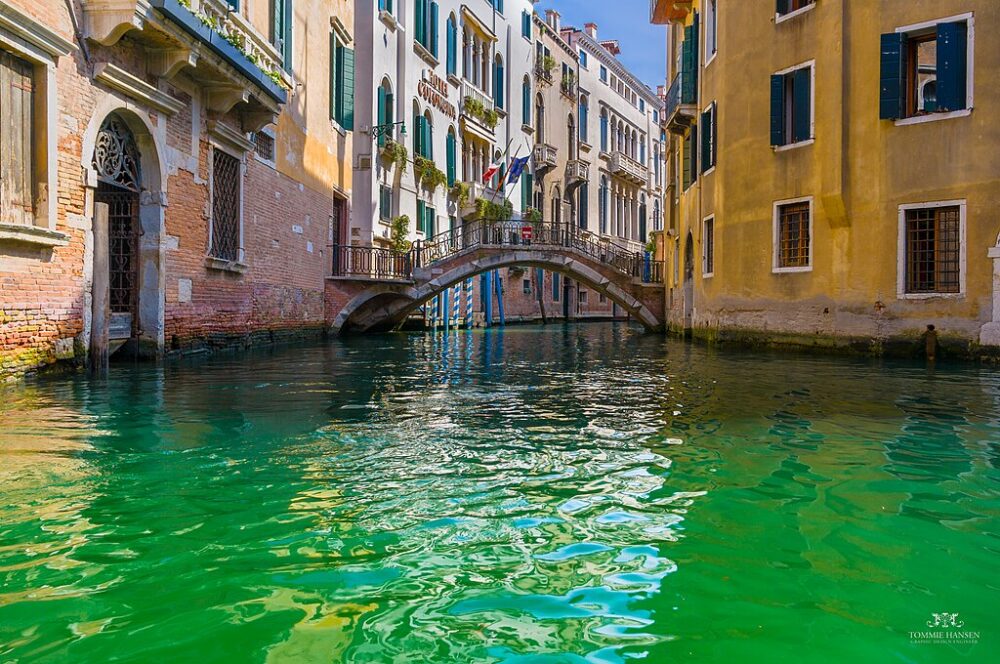
Greta Thunberg Banned From Venice After Activists Dye Grand Canal Bright Green

Venice officials bar Greta Thunberg after a dye-filled climate protest halted movement on the Grand Canal.

©Image license via Wikimedia Commons

Venice officials have banned climate activist Greta Thunberg from entering the city for three years after a high-profile demonstration turned the Grand Canal bright green. The protest, carried out by activists using a fluorescent, biodegradable dye, stopped boat traffic and prompted an immediate police response. Authorities say Thunberg helped organize the action, which they argue created public safety risks on one of the world’s busiest waterways. The ban has sparked debate across Italy over climate activism, public order, and how far cities can go to restrict disruptive protests.

Read more