
The ethical tightrope between welfare and preservation narrows daily.

Behind the cheerful family portraits at feeding time lies a complex ethical landscape most zoo visitors never contemplate. Modern zoos exist in a perpetual identity crisis – simultaneously functioning as entertainment venues, conservation centers, and arks for species teetering on extinction’s edge.
As habitat destruction accelerates, zoos transform from Victorian-era curiosity cabinets into something more urgent: genetic repositories for species that may soon have nowhere else to go.
1. Zoos have transformed from entertainment venues to conservation lifeboats.

The metamorphosis of zoos from iron-barred menageries to conservation centers represents one of the most dramatic institutional evolutions in modern history. Early zoos, as stated by the Atlanta Zoo, functioned primarily as living museums where colonial powers displayed exotic animals in cramped conditions designed for human viewing rather than animal welfare.
Today’s accredited facilities operate under radically different paradigms, with habitats designed through the lens of behavioral enrichment. This transformation didn’t happen organically but through decades of public pressure and evolving ethics. Contemporary zoo professionals speak a language of conservation genetics that would be utterly foreign to predecessors who primarily concerned themselves with keeping exotic specimens alive for display.
2. Breeding programs both rescue species and reveal genetic limitations.

The California condor’s rescue stands as perhaps the most celebrated zoo-based conservation success. When their population plummeted to just 22 individuals in 1987, every remaining wild condor was captured for emergency breeding. Today, over 300 of these magnificent birds soar in western skies – a testament to what captive breeding can achieve.
Yet these successes come with sobering genetic realities. Many rescued species pass through extreme population bottlenecks that dramatically reduce genetic diversity. Even more troubling are cases like the northern white rhino, where conservation breeding began too late, is functionally extinct, according to the International Rhino Foundation. These contrasting outcomes highlight both powers and limitations of captive breeding – they can save species from immediate extinction but rarely restore the genetic health that wild populations maintained.
3. Animal welfare now drives exhibit design rather than visitor convenience.
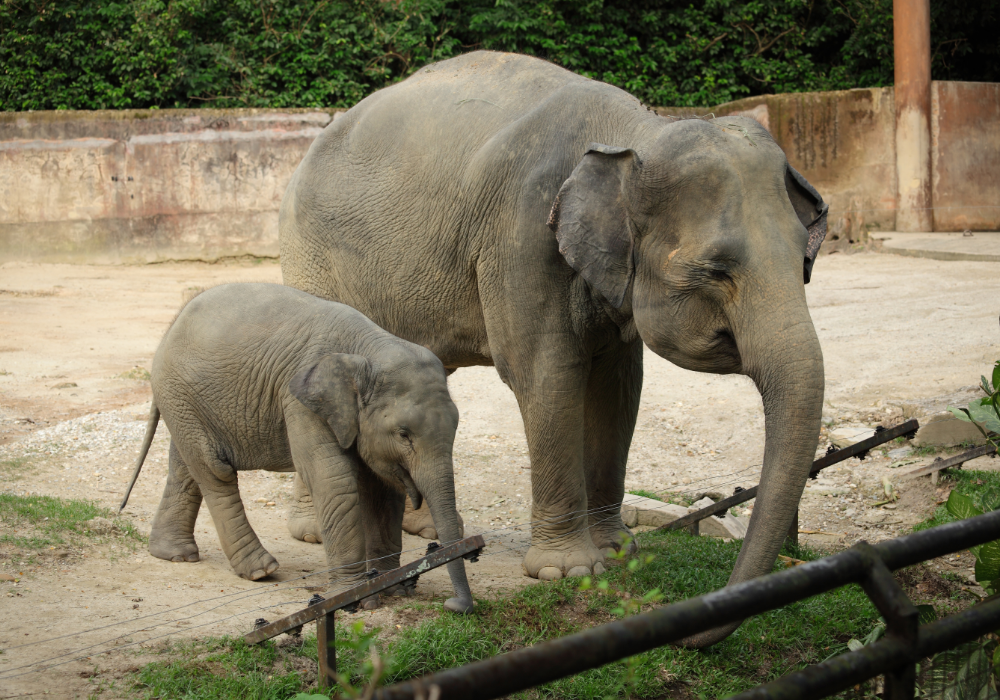
The sterile concrete enclosures that characterized 20th-century zoo design have largely vanished, replaced by immersive habitats that replicate crucial elements of natural environments. Modern elephant exhibits now feature multiple acres with varied terrain, mud wallows, and complex feeding mechanisms encouraging natural behaviors.
These improvements emerged in response to mounting evidence of zoochosis – stereotypic behaviors indicating psychological distress in captive animals, as detailed by Born Free, an international wildlife charity. Progressive zoos now incorporate elements giving animals meaningful choice and control – from allowing gorillas to decide when to access different habitat zones to providing elephants with self-activating shower systems. This shift represents a profound ethical evolution: recognizing animals as sentient beings with complex needs.
4. Educational impact remains fleeting despite institutional claims.

Despite universal claims about educational missions, the evidence for zoos’ effectiveness as conservation educators presents a mixed picture. Studies document the “visit effect” – temporary surges in conservation awareness immediately following a zoo visit. Yet follow-up research shows these attitudes often fade within weeks, with minimal impact on actual behavioral changes.
This educational shortfall stems partly from competing priorities. Conservation messaging frequently competes with entertainment elements and the joy of watching animal antics – visitors’ primary motivation for attendance. Progressive zoos are experimenting with immersive storytelling and mobile technology to create themed journeys connecting emotional experiences with concrete action opportunities.
5. Reintroduction faces the paradox of disappearing wild spaces.

The golden lion tamarin represents one of captive breeding’s hopeful narratives – these charismatic monkeys were rescued through zoo breeding, with hundreds successfully reintroduced to protected forest fragments. Yet for every success, numerous reintroduction attempts have ended in tragedy, with captive-bred animals failing to develop survival skills.
The fundamental challenge lies in the captivity paradox: the conditions making breeding programs successful – protection from predators, reliable food – undermine development of wild survival skills. The most sobering limitation often isn’t animals’ readiness but habitat availability. For species like Sumatran tigers, habitat loss proceeds so rapidly that there may soon be nowhere to reintroduce them.
6. Financial pressures prioritize popular species over conservation needs.

The economic model underpinning most zoo operations creates inherent tensions between conservation goals and financial sustainability. Dependency on visitor revenue influences collection decisions, with charismatic megafauna attracting visitors at rates endangered amphibians simply cannot match. The result is a system where resources flow disproportionately toward photogenic species rather than based on extinction risk.
This reality manifests in numerous compromises. Habitat renovations for visitor-favorite species take priority over less visible improvements. The most forward-thinking institutions address these conflicts by developing alternative revenue streams through conservation grants and endowment building. Others use popular species as “ambassadors” generating revenue directed toward less charismatic conservation priorities.
7. Intelligent species create the greatest ethical dilemmas for zoos.
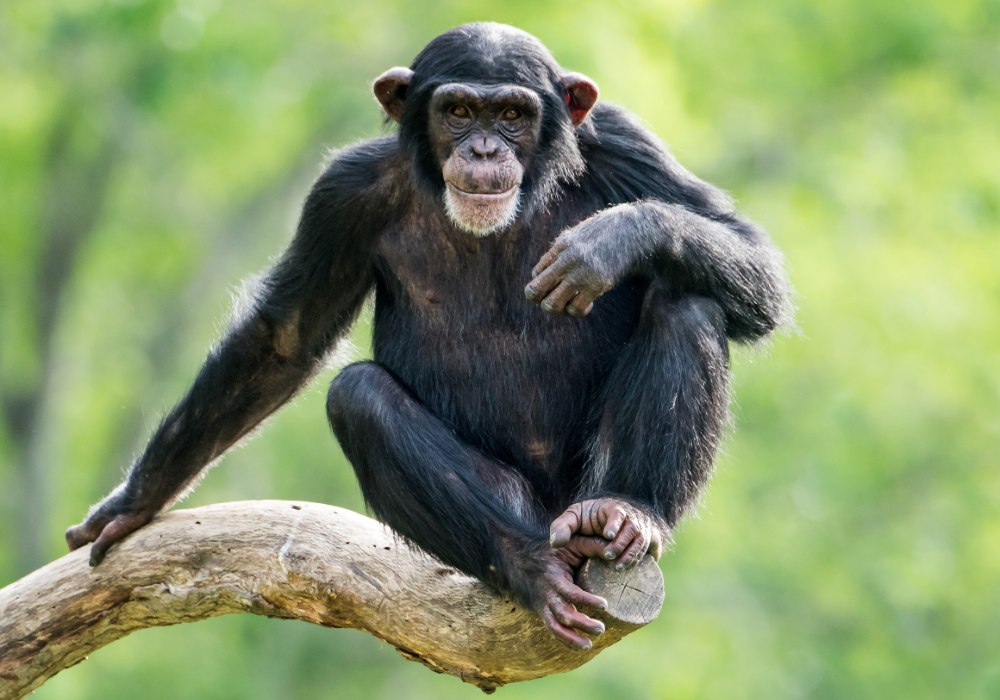
No species has forced more soul-searching within the zoo profession than elephants, whose intelligence, complex social structures, and immense home ranges present nearly insurmountable captive welfare challenges. Similar questions surround great apes and large carnivores, whose cognitive sophistication makes adequate captive welfare particularly challenging.
The ethical calculus grows more complex when extinction risk enters the equation. Is it justified keeping endangered individuals in suboptimal conditions if it represents their only chance of species survival? Progressive institutions have responded by dramatically increasing space allocations and incorporating complex enrichment. Others have specialized in taxonomic groups where they can provide excellent welfare rather than maintaining representative collections.
8. Conservation parks bridge the gap between captivity and wild habitats.
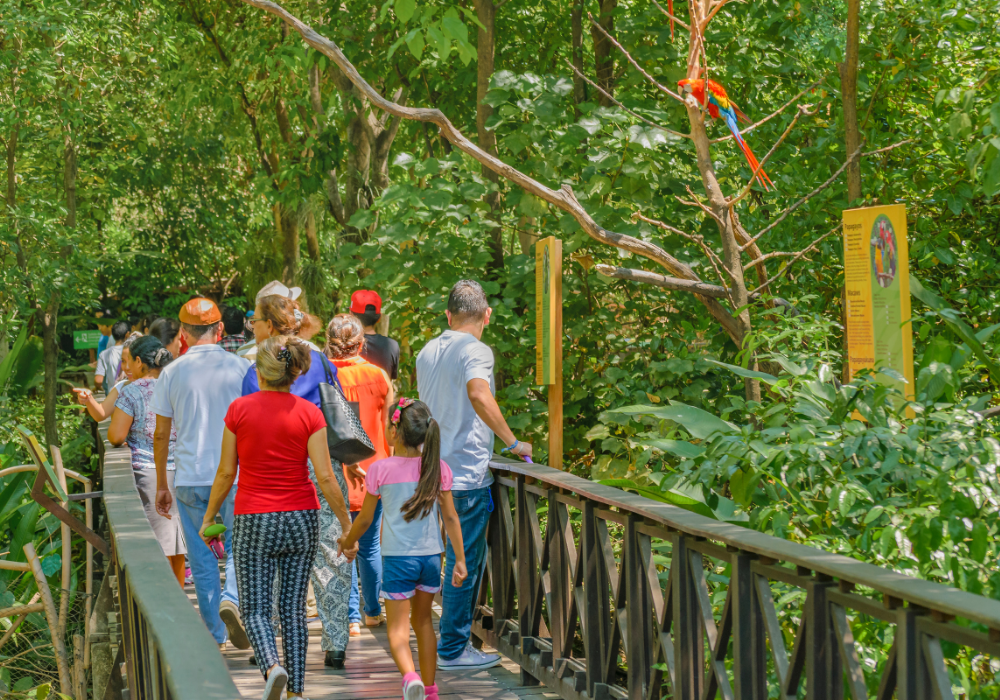
Forward-thinking institutions reimagine the zoo concept by developing hybrid models blurring boundaries between captive breeding and field conservation. Organizations like San Diego Zoo Wildlife Alliance now manage more land for in-situ conservation than for visitor-facing facilities, operating breeding centers adjacent to protected habitats.
This evolution reflects recognition that the traditional zoo model alone cannot address the extinction crisis scale. By integrating captive breeding with habitat protection, these conservation parks create continuums between ex-situ and in-situ approaches. The most innovative programs involve local communities as conservation partners, creating economic incentives for habitat protection through ecotourism.
9. Genomic technologies transform breeding from art to precise science.

The marriage of breeding programs with cutting-edge genomics has revolutionized conservation capabilities. Where previous generations relied on studbooks to avoid inbreeding, today’s conservation geneticists sequence entire genomes to identify specific variations worth preserving. Advanced reproductive technologies and cryopreservation now offer insurance policies against extinction.
These advances create both opportunities and ethical complexities. For black-footed ferrets, genetic material frozen decades ago can now boost diversity in current populations. Yet these technologies raise questions about playing “god species” – making humanity the permanent custodian of species that will never again exist independently. Recent proposals to use gene-editing to help species adapt to climate change represent an even more profound intervention.
10. Instagram-armed visitors demand more authentic animal experiences.
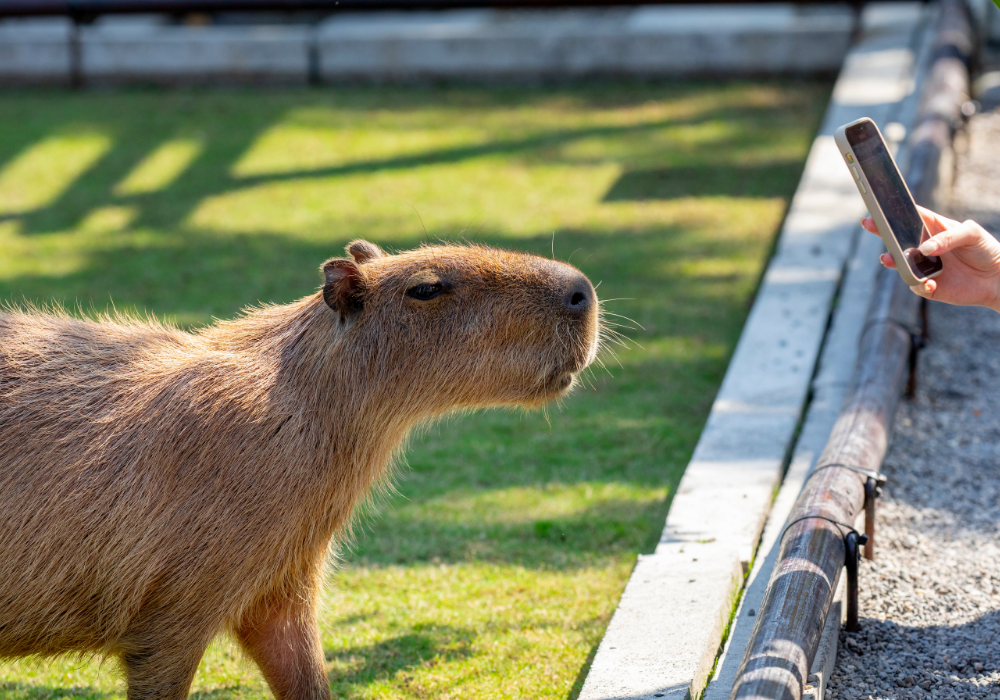
The Instagram generation visits zoos with different expectations, armed with smartphones that instantly compare any animal’s captive situation with National Geographic imagery of wild counterparts. This visual literacy shift has accelerated changes in exhibit design. Today’s visitors increasingly reject unnatural behaviors, barren environments, or visible signs of distress.
Progressive institutions have responded by embracing transparency, explaining welfare-based reasons behind management decisions like providing private denning spaces, even when these choices sometimes make animals less viewable. This growing sophistication about animal behavior opens doors for more nuanced conversations about conservation needs.
11. Indigenous knowledge offers alternative conservation paradigms.

Traditional Western conservation approaches have historically overlooked Indigenous perspectives despite their communities often serving as traditional stewards of lands where endangered species persist. Forward-thinking institutions have begun developing collaborative relationships with Indigenous communities, recognizing their unique insights as partners rather than obstacles.
Successful partnerships between Australian zoos and Aboriginal communities for bilby conservation demonstrate this collaboration potential. By incorporating traditional fire management practices and cultural significance into conservation planning, these programs achieve better outcomes while respecting Indigenous sovereignty. These relationships require institutional humility and recognition that Western scientific approaches represent just one knowledge system.
12. Climate change redefines conservation success beyond historical norms.

As climate change redraws habitat boundaries, the traditional conservation goal of restoring historical ecosystems becomes increasingly unrealistic. Does successful polar bear conservation mean maintaining populations in Arctic habitats that may soon lack sufficient sea ice, or preserving the species’ genetics through managed care while their native ecosystem transforms?
This uncertainty has sparked concepts like “managed translocation” – deliberately moving species to regions predicted to provide suitable habitat as climate shifts. For zoo professionals, climate change adds urgency to breeding efforts while making reintroduction goals uncertain. Forward-thinking institutions now incorporate climate resilience into planning, prioritizing species likely to need intervention – shifting from restoration to facilitating transitions that might preserve biodiversity through unprecedented environmental changes.