
What’s really happening inside trees during brutal cold snaps.
If you’ve ever heard a sharp crack echo through a frozen yard at night, you might’ve wondered if a tree just exploded. It’s not a ridiculous thought. Sometimes the sound is so sudden and loud it feels like something snapped on purpose.
Trees don’t “explode” like a bomb, but they absolutely can split violently in winter. Rapid temperature drops, internal ice expansion, and built-up stress can create a dramatic crack called frost splitting.
1. Trees can split so fast it sounds like a gunshot.

That loud winter crack isn’t your imagination. When a tree suddenly splits, the sound can be sharp and explosive, especially on cold nights when everything else is quiet. People often describe it as a gunshot, a branch breaking, or even a small blast.
It happens because the tree’s internal structure is under stress, and at some point, something gives. Wood fibers rip apart quickly, and the trunk can open along the grain in a long vertical seam. It’s dramatic, but it’s still physics, not mystery. The tree isn’t angry, it’s just overwhelmed.
2. Frost cracks usually form as long vertical splits in the trunk.

A winter split tends to look like a tall scar running up and down the trunk, sometimes several feet long. It can be thin and subtle or wide enough to catch your eye immediately. You might not notice it until daylight, then suddenly you can’t unsee it.
These cracks often open in winter and may partially close again when temperatures rise, which makes them tricky. The wound can look “healed” in summer even though the internal damage remains. Trees are good at hiding problems until they aren’t. The real issue is what the crack lets in later.
3. Rapid temperature drops create internal stress in wood.
Temperature swings are the real troublemakers. When a warm day is followed by a sudden deep freeze, the outer wood cools and contracts faster than the inner wood. That uneven shrinking sets up stress like a tightly stretched rubber band.
Wood isn’t flexible in the way we want it to be during extreme cold. It behaves more brittle, and once the tension exceeds what the trunk fibers can handle, the tree splits. This is why cracks often happen at night, right as temperatures drop hard. The tree can’t ease into it. It snaps.
4. Water expansion during freezing adds extra pressure inside.

Water expands when it freezes, and that’s not just a fun science fact for frozen soda cans. A tree contains water in its cells and tissues, and freezing can increase internal pressure in ways that strain the wood structure.
Trees are built to handle cold, but they aren’t invincible. If water in certain areas freezes quickly or unevenly, it can contribute to cracking, especially when combined with contraction stress. The tree doesn’t need to be soaked for this to matter. It just needs enough internal moisture and a sharp freeze to trigger the conditions.
5. Young thin-barked trees are more likely to split.
Some trees are simply more vulnerable, especially younger ones with thinner bark. Bark acts like insulation, and thin bark doesn’t buffer temperature swings as well. That means the outer layers can cool too fast and tighten like a belt around the warmer core.
Maples, fruit trees, and ornamental species are common culprits, but any tree can split under the wrong conditions. Young trees also haven’t built up the same toughness or thickness, so they’re easier to stress. It’s a little unfair, honestly. The trees that need an easy winter are often the ones least equipped for it.
6. Sunscald can weaken the trunk before winter even gets harsh.
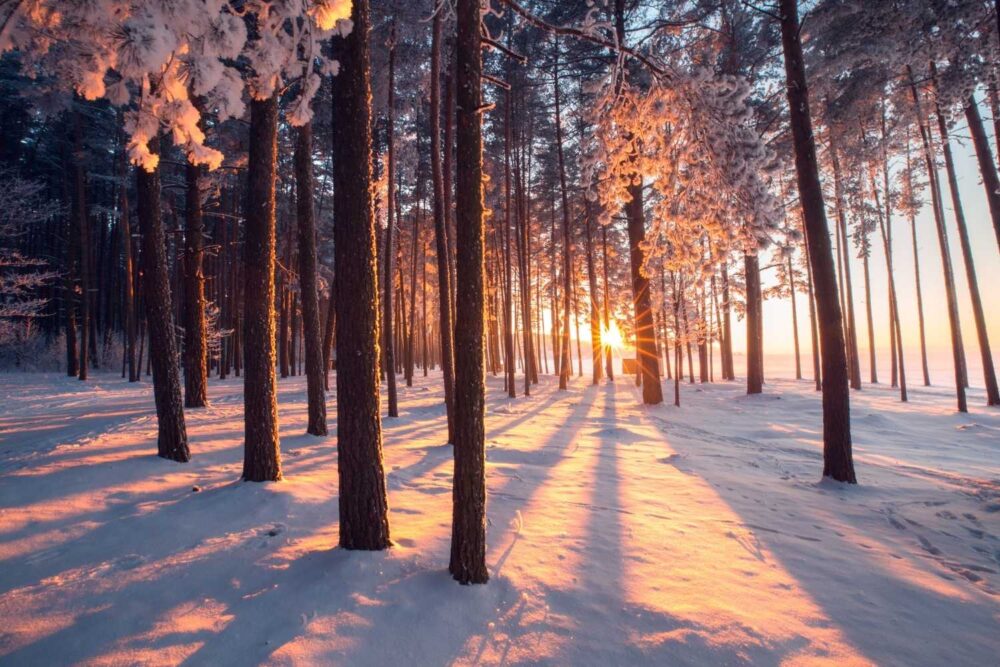
Sunscald is one of those sneaky tree problems that sounds like something you only worry about in July. But in winter, bright sun can warm the south or southwest side of a trunk during the day, then the temperature crashes at night.
That repeated warming and freezing can damage bark and tissues, creating weak spots. Once the area is compromised, it’s more likely to split later during a severe cold snap. The tree is already irritated and stressed, then winter stacks the pressure on top. It’s like cracking knuckles that were already sore. Eventually something goes too far.
7. The cracks aren’t always deadly, but they are an open door.

A frost crack doesn’t automatically mean a tree is doomed. Some trees survive them and continue growing for years. They can compartmentalize damage and form callus tissue around the wound over time. Trees are surprisingly stubborn about staying alive.
But a crack is still a wound, and wounds invite problems. Fungi, bacteria, insects, and rot organisms love an easy entry point. Even if the tree looks fine right after splitting, the long-term risk is internal decay. The real consequence is often delayed, showing up later as weakness, hollowing, or branch failure.
8. The “explosion” is more about sound than destruction.

When people say a tree exploded, they’re mostly describing the noise. The crack happens suddenly, and sound travels well in cold air. Add a quiet winter night and it becomes this dramatic event that feels bigger than it is.
The tree usually doesn’t blow apart into splinters. It splits, sometimes cleanly, sometimes with a chunk of bark peeling. Still, the sound can make you sprint to the window like you just heard something illegal outside. The drama is real, even if the mechanics are pretty straightforward.
9. Cold snaps after rain or thawing can make splitting more likely.

A brutal freeze after rain, melting snow, or a mild spell can increase the chances of cracking. The tree may take up more water during warmer periods, and tissues might be less hardened against sudden cold. Then the temperature drops and the tree gets caught off guard.
It’s not that the tree is “too wet,” it’s that the timing is bad. Freeze-thaw cycles create stress, and repeated cycles are worse than steady cold. Steady cold is predictable. These whiplash winters are the problem. Trees can adjust to winter, but they struggle with winter that can’t pick a mood.
10. You might not notice the split until spring reveals it.

Some frost cracks happen quietly, or you hear the sound but can’t find the source. In winter, snow, darkness, and heavy bark texture can hide a crack surprisingly well. Then spring comes, things thaw, and suddenly you see a long opening you swear wasn’t there before.
Sometimes the crack appears to “close” during warmer weather, which makes people think the tree fixed itself. It didn’t. The wound is still there, just less visible. If you find one, keep an eye on it. A tree that’s split once can be more vulnerable the next time stress piles up.
11. Proper care can reduce the odds of winter cracking.
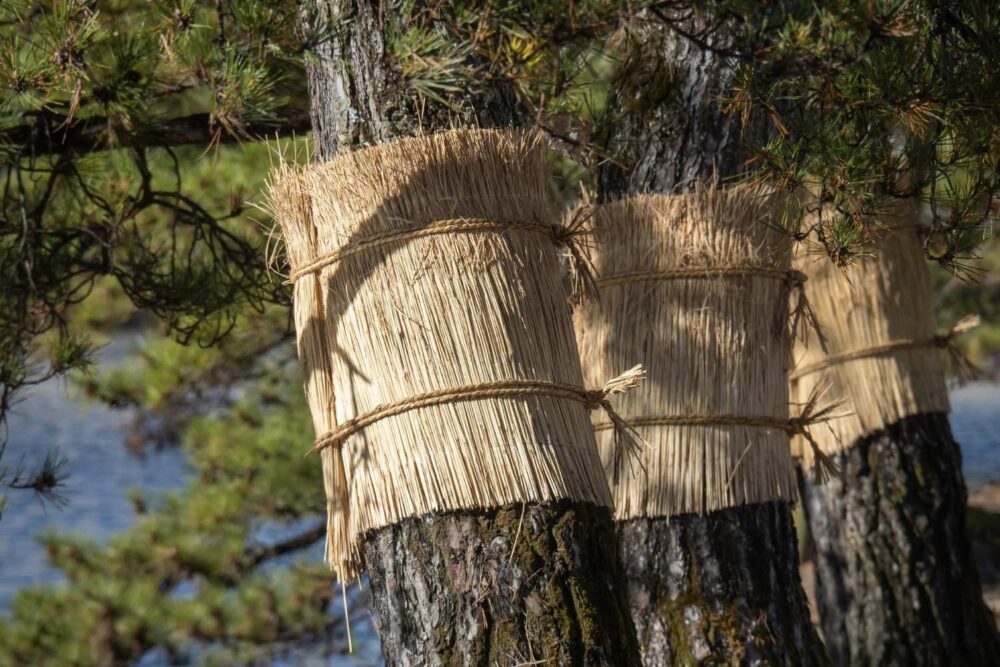
You can’t control winter, but you can reduce the chances your tree gets pushed over the edge. Keeping trees healthy through proper watering in dry seasons, avoiding trunk wounds, and preventing stress goes a long way. A strong tree handles temperature swings better than a struggling one.
For young thin-barked trees, trunk wraps can help prevent sunscald and reduce extreme temperature fluctuations. Mulching helps protect roots and stabilize soil moisture too. It’s not about babying the tree. It’s about avoiding the perfect storm of stress, weakness, and sudden cold that makes a trunk split like it had enough.