
Scientists say deer overpopulation is reshaping forests—and hunting may play a surprising role in recovery.
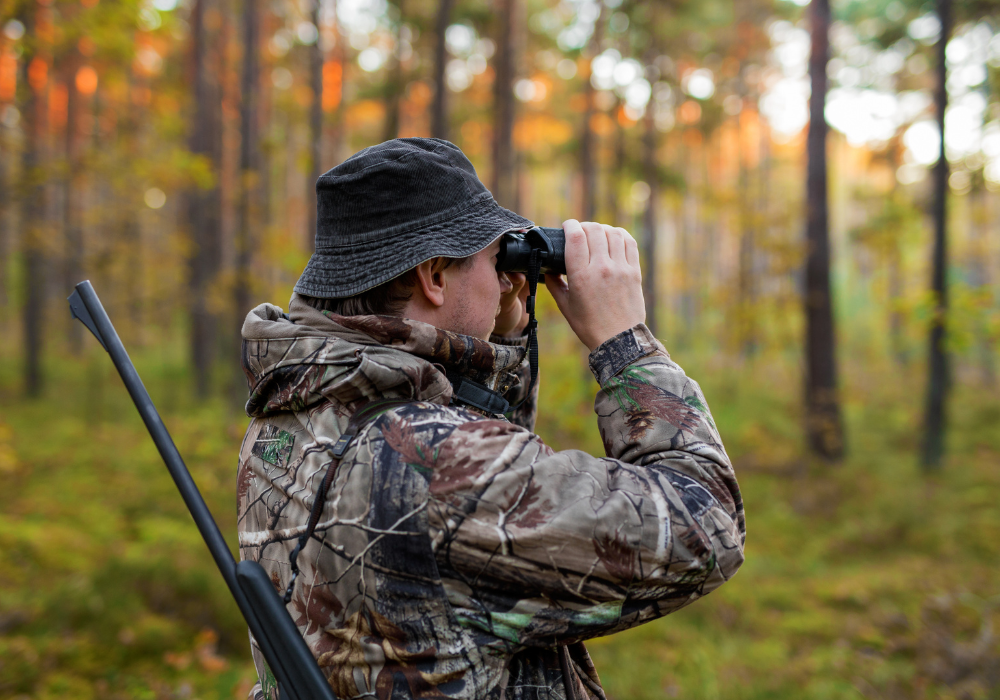
For decades, deer hunting has been framed as a controversial mix of sport and conservation. But new ecological studies suggest it may have more environmental impact than most people realize. Across North America, booming deer populations are stripping forests bare, reducing biodiversity, and stunting regrowth. Wildlife biologists now say controlled hunting could help restore balance—though critics argue it’s no lasting solution. The data reveal a complex story about ecology, ethics, and the limits of human management.
1. Deer Populations Are Surging Beyond Natural Limits

Across North America, white-tailed deer numbers have grown to more than 30 million—an unprecedented rebound from fewer than one million a century ago. Hunting regulations, predator loss, and a patchwork of suburban landscapes rich in gardens and crops have created ideal conditions for deer to thrive.
While once celebrated as a conservation triumph, biologists now see the population boom as a growing ecological concern. In many regions, herds are exceeding the land’s natural carrying capacity, altering forests, damaging crops, and disrupting the delicate balance between wildlife and vegetation.
2. Overbrowsing Is Transforming Forest Landscapes
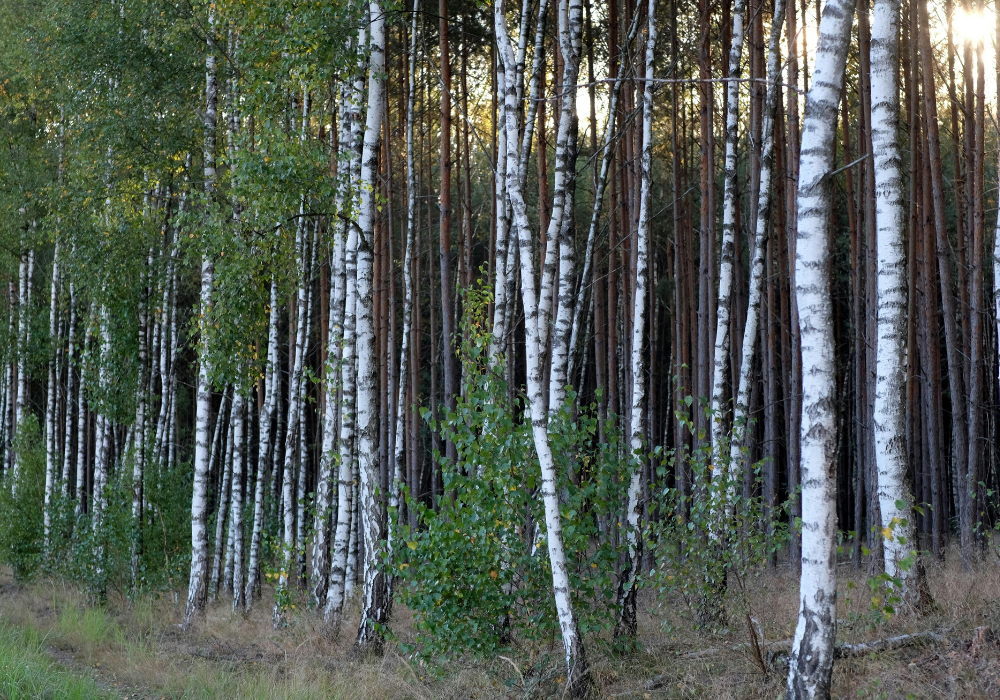
Deer feed selectively on young trees, shrubs, and wildflowers, stripping forests of the next generation of growth. Studies in Pennsylvania, Wisconsin, and New York show that overbrowsing has eliminated native saplings and reduced biodiversity in many forested areas.
Without vegetation to regenerate, soil erodes, shade-loving plants vanish, and birds and small mammals lose vital cover. Over time, these changes alter entire ecosystems, leading to forests dominated by a few hardy species that can withstand constant grazing pressure.
3. Missing Predators Have Broken Nature’s Balance
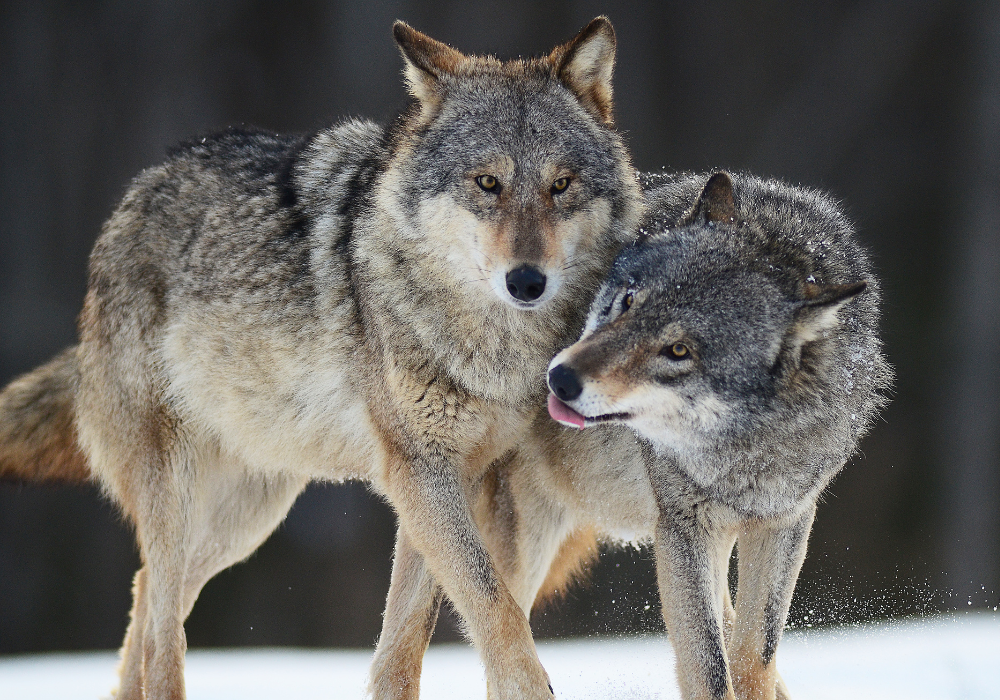
Historically, large predators such as wolves and cougars kept deer populations in check. Their disappearance across most of North America removed a natural control mechanism that once maintained healthy herd sizes.
Today, deer numbers are limited mainly by hunting, vehicle collisions, and food scarcity. Without consistent predation, populations can double in just a few years, putting pressure on forests, farms, and suburban areas already struggling to manage overabundant wildlife.
4. Controlled Hunting Mimics Natural Predation

Wildlife managers use regulated hunting seasons to reduce deer densities and prevent overbrowsing. When done responsibly, hunting acts as a substitute for natural predation, keeping populations in line with available habitat.
This approach helps forests regenerate, supports biodiversity, and reduces human–deer conflicts such as crop damage and vehicle collisions. Ecologists emphasize that hunting isn’t simply recreational—it’s an essential conservation tool in regions where predators no longer exist.
5. Too Many Deer Can Damage Farmland and Forests
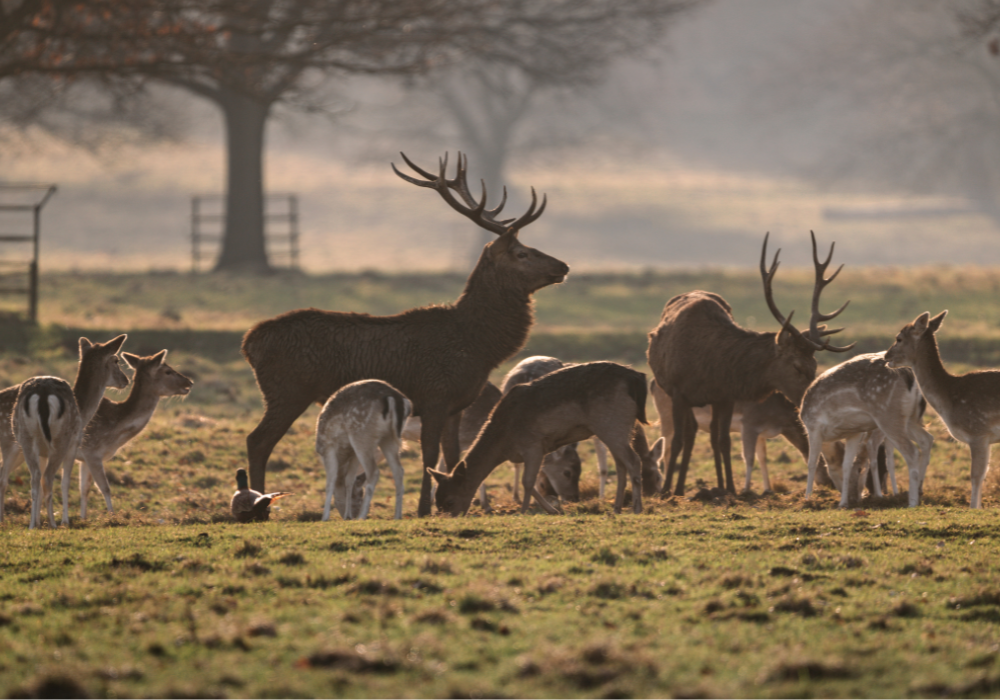
Deer consume vast quantities of crops, young fruit trees, and nursery plants, costing farmers billions annually in lost yield and prevention measures. In some regions, deer also destroy reforestation projects by eating seedlings before they mature.
Beyond agriculture, overgrazing in forests leads to the decline of economically valuable trees such as oak and maple. Land managers increasingly view deer control not as optional, but as critical to protecting rural economies and restoring ecological stability.
6. Ecologists Warn of “Empty Forest Syndrome”
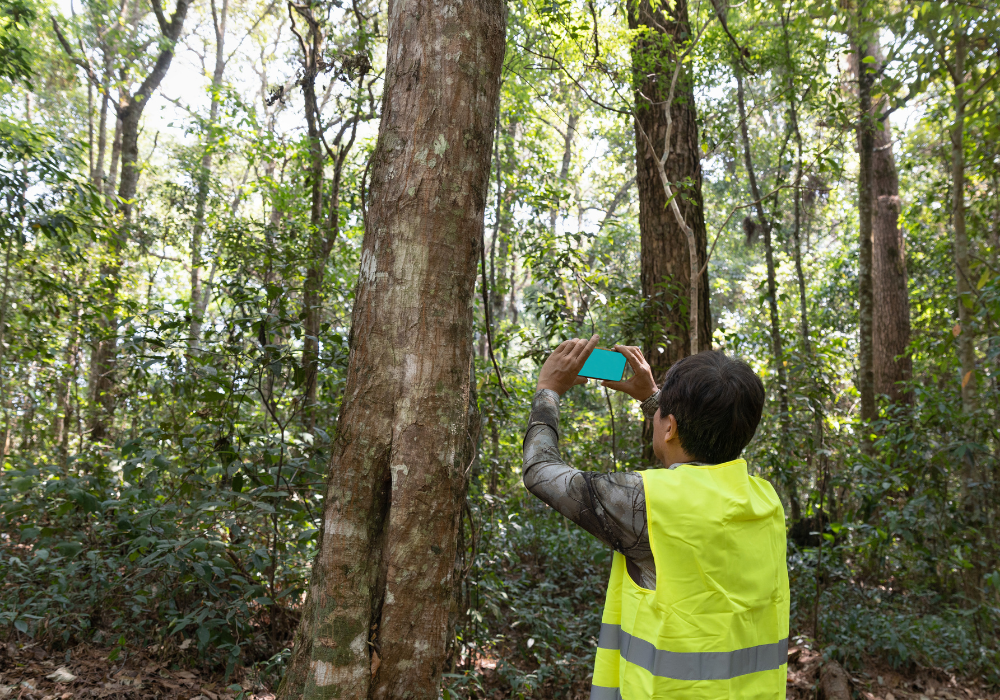
Scientists use the term “empty forest syndrome” to describe areas where trees still stand, but wildlife diversity has collapsed due to habitat loss. Deer overpopulation contributes directly to this effect by eliminating the plants and shrubs smaller species depend on.
Songbirds, amphibians, and insects disappear when their food sources vanish, even as the forest canopy remains. Over time, the woods appear healthy from a distance, but up close they’re hollow ecosystems—quiet, simplified, and far less resilient to climate change or disease.
7. Hunting Supports Forest Regeneration
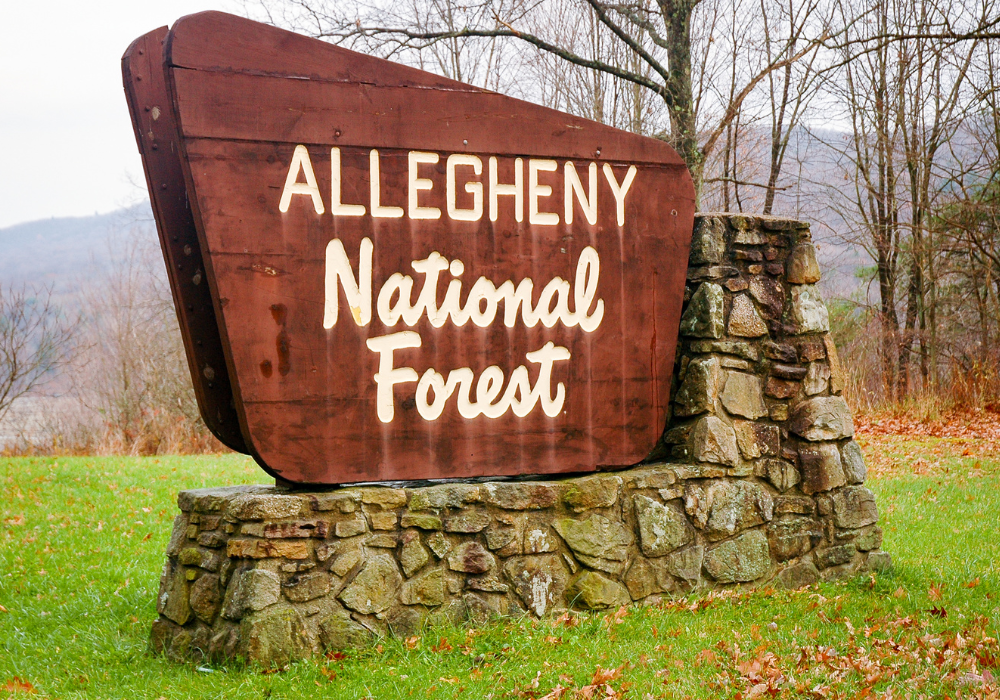
Studies in places like the Allegheny National Forest show that where deer populations are controlled through hunting, tree regeneration improves dramatically. Saplings that would normally be browsed to stubs can finally reach maturity, rebuilding the layered structure of a healthy forest.
This recovery supports pollinators, songbirds, and other species that depend on a dense understory. Ecologists often point to these areas as living proof that population management, when guided by data, restores natural balance and promotes biodiversity.
8. Ethical and Cultural Debates Persist

Despite scientific support for population control, deer hunting remains controversial. Some animal welfare advocates argue that nonlethal options—such as fertility control or relocation—should replace lethal methods where possible.
Hunters, conservationists, and Indigenous communities counter that regulated harvests are humane, sustainable, and deeply rooted in cultural tradition. The debate reflects a broader ethical tension between preserving life and protecting ecosystems that depend on active management.
9. Alternatives Like Birth Control Show Limited Success

Efforts to control deer numbers through fertility drugs have shown mixed results. While contraceptives can reduce reproduction in small, enclosed populations, they’re costly and impractical for large, free-ranging herds.
Wildlife experts note that capturing, treating, and monitoring thousands of deer across open terrain is logistically challenging. As a result, fertility control remains a useful experimental tool but not a viable replacement for widespread population management in most regions.
10. Urban and Suburban Deer Are Harder to Manage

Deer now thrive in cities and suburbs, where hunting is restricted and predators are absent. Neighborhoods with manicured lawns, gardens, and parks provide abundant food, allowing herds to expand rapidly in developed areas.
Managing these urban deer populations has become one of the biggest challenges for wildlife officials. In some communities, carefully supervised bow hunts or sharpshooting programs are used to restore balance while maintaining public safety.
11. Hunting Revenue Funds Conservation Programs

In the U.S., hunting license fees and excise taxes on firearms and ammunition contribute millions of dollars annually to habitat restoration and wildlife management. This funding supports not only deer control but also conservation for countless other species.
While often overlooked, this financial link between hunting and environmental protection has been vital for public land management. Many scientists stress that responsible hunting plays both ecological and economic roles in sustaining conservation infrastructure.
12. Finding Balance Between Ecology and Ethics
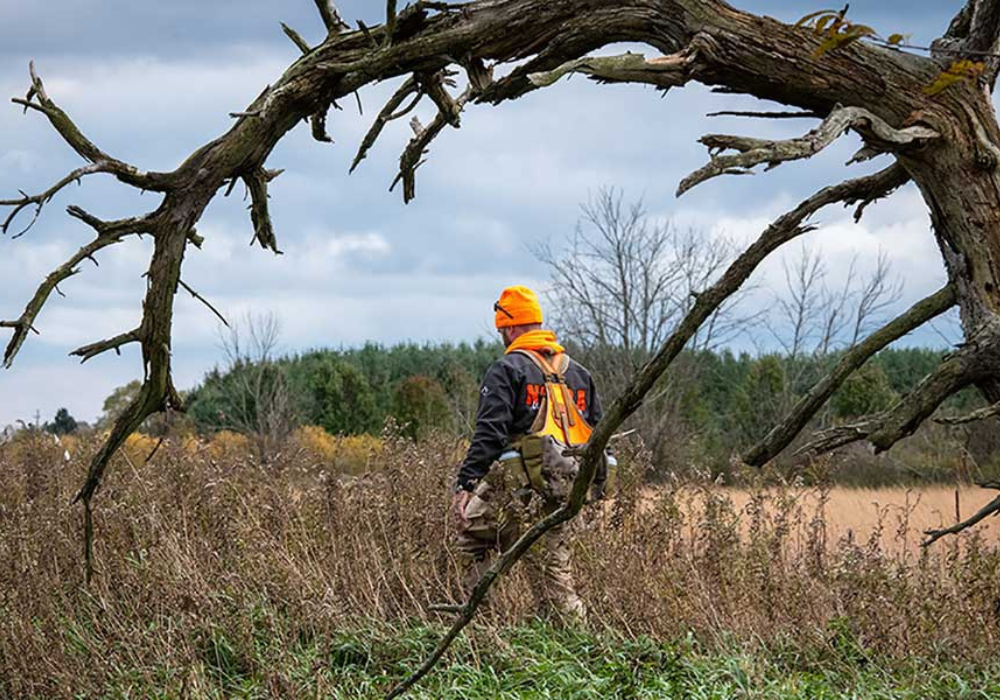
The question of whether deer hunting helps the environment has no simple answer. In regions overwhelmed by overpopulation, science shows that hunting can restore ecosystems and prevent long-term damage.
But it also raises moral and cultural questions about humanity’s role in managing nature. The evidence points to a complex reality: when done responsibly and guided by data, hunting can serve as both a conservation tool and a reflection of our ongoing responsibility to maintain balance in the natural world.