
A groundbreaking “forest income” program is paying Amazon residents to protect trees—and it’s already working.

In the heart of the Amazon, a new approach to conservation is turning traditional economics upside down. Instead of punishing people for deforestation, Brazil’s Conservation Basic Income is rewarding them for keeping forests intact. The pilot program pays rural and Indigenous families a steady income to preserve trees and biodiversity, creating a financial alternative to logging and mining. Early results show fewer trees are being cut—and more communities are choosing protection over profit, reshaping how conservation can work worldwide.
1. The Program Pays People to Keep Forests Intact

The Conservation Basic Income (CBI) is a pilot program launched under Brazil’s Ministry of Environment in 2023. It provides a guaranteed monthly payment to families living in or near protected areas of the Amazon. The goal is simple: make forest preservation financially competitive with deforestation-driven work like cattle ranching or logging.
This approach reframes conservation as a livelihood rather than a sacrifice. By giving residents a predictable income, the program supports families who have historically relied on forest resources for survival while reducing the pressure to clear trees for income.
2. It’s Part of Brazil’s Plan to End Illegal Deforestation
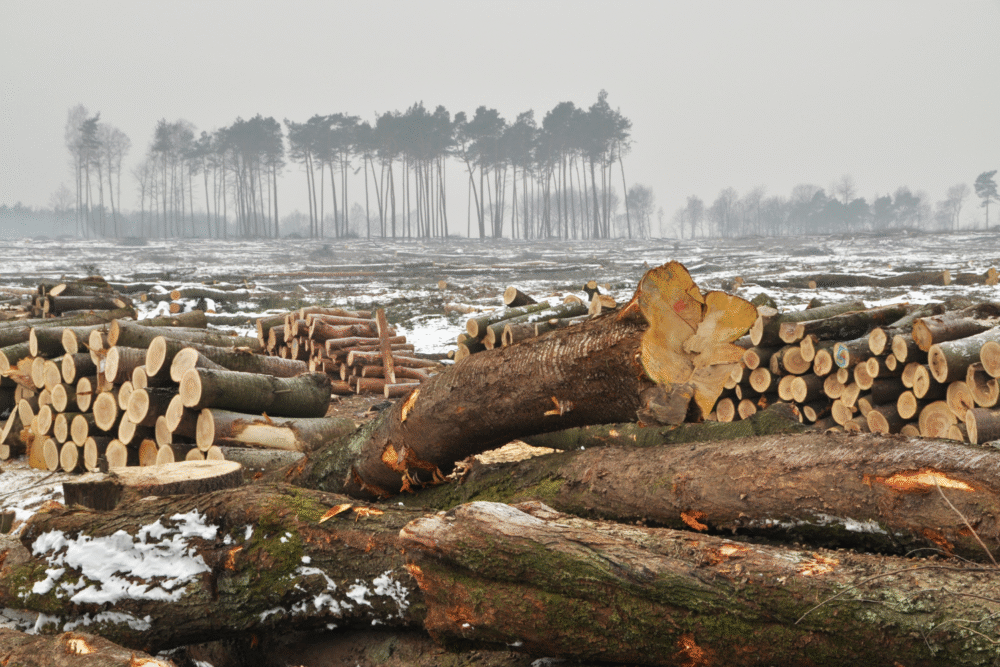
CBI is one pillar of Brazil’s broader Zero Deforestation by 2030 initiative announced by President Luiz Inácio Lula da Silva. After years of accelerating forest loss, the Lula administration made halting illegal clearing a top environmental goal.
Deforestation in the Brazilian Amazon fell by roughly 22% in 2023, according to Brazil’s National Institute for Space Research (INPE). While multiple factors contributed, programs like CBI are credited with helping stabilize communities that might otherwise depend on forest exploitation for survival.
3. The Payments Are Funded by a Mix of Public and Private Support

The initiative is financed through a combination of government funds and international partnerships. Brazil’s environment ministry, led by Marina Silva, has worked with organizations such as the United Nations Development Programme and private donors to secure initial funding.
These payments are modest—often less than $100 a month—but meaningful in remote Amazonian regions where cash income can be scarce. For many households, this steady payment can cover essential expenses while allowing them to keep protecting their land.
4. Indigenous and Riverine Communities Are Central to the Plan

Indigenous and ribeirinho (riverine) communities are at the heart of the CBI model. These groups have managed forests sustainably for generations, often acting as the Amazon’s strongest defenders.
By paying residents to continue their traditional stewardship, the program reinforces local autonomy. It also acknowledges that protecting biodiversity is skilled work requiring deep ecological knowledge—something Indigenous communities have long provided without compensation or recognition.
5. Forest Guardians Receive Digital Payments Through Local Banks

To ensure transparency, families enrolled in the program receive payments via digital banking systems, often through local cooperatives or state-backed banks. This system minimizes corruption and helps connect remote communities to basic financial services.
Participants must demonstrate that their designated land remains protected through satellite monitoring and occasional field checks. This accountability mechanism ensures that payments go to those actively contributing to forest preservation.
6. Deforestation Rates Are Already Declining in Pilot Regions

Preliminary results from states like Pará and Amazonas suggest the model is working. INPE satellite data shows deforestation fell sharply in many regions participating in Lula’s forest-protection programs during 2023 and 2024.
Analysts attribute much of this progress to a combination of increased enforcement and incentive-based programs like CBI. When communities have stable income tied to conservation, illegal logging becomes less appealing—and local cooperation with forest agencies improves.
7. The Model Could Help Reduce Global Carbon Emissions
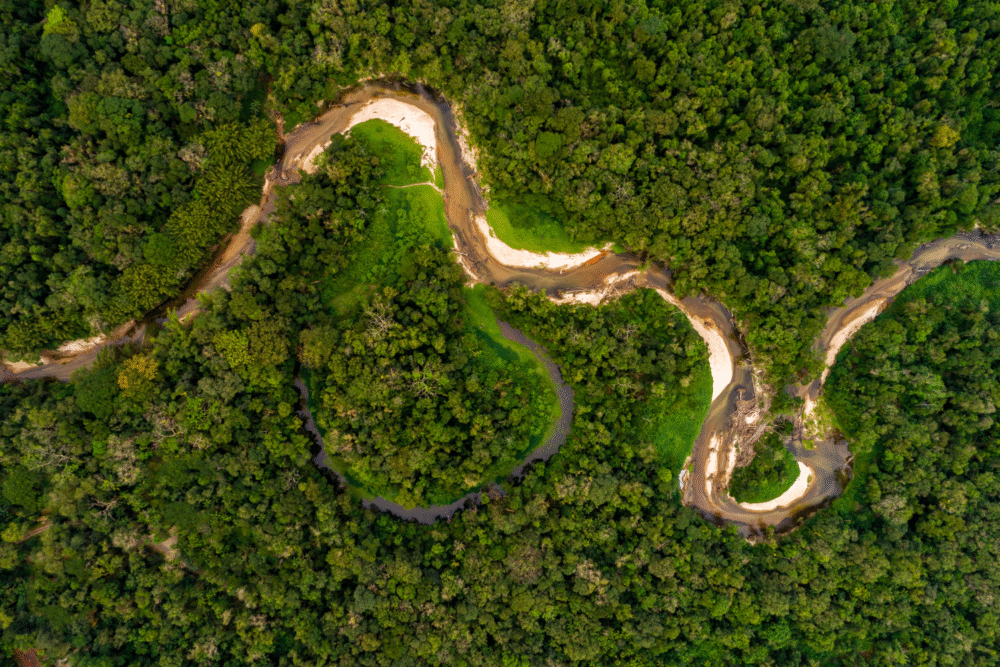
The Amazon stores about 150 billion metric tons of carbon—roughly equivalent to 15 years of global fossil fuel emissions. Preventing deforestation is one of the fastest and most cost-effective ways to curb climate change.
By turning conservation into a paid service, Brazil’s CBI model essentially creates a social safety net tied directly to climate stability. Experts at the World Resources Institute estimate that halting deforestation in the Amazon could reduce global emissions by billions of tons per year.
8. The Program Draws Inspiration from Universal Basic Income

The idea behind the Conservation Basic Income mirrors the global conversation about Universal Basic Income (UBI). Both systems provide unconditional payments to promote stability and reduce inequality.
In this case, however, the “basic income” is linked to environmental care rather than employment status. The concept acknowledges that protecting nature is a form of public service that benefits everyone—making the people who do it essential workers in the fight against climate change.
9. Similar Incentive Models Have Worked Elsewhere

Brazil’s approach builds on lessons from previous conservation-payment programs. Costa Rica’s Payments for Environmental Services model launched in the 1990s and successfully doubled forest cover over two decades.
Research from the University of Costa Rica and the World Bank shows that when people are compensated for maintaining forests, both economic and ecological outcomes improve. Brazil’s CBI adapts that success to a larger scale and integrates it with Indigenous land rights and digital tracking technology.
10. Critics Warn of Challenges in Scaling the Program

Despite promising results, scaling the Conservation Basic Income nationwide presents challenges. Some experts warn that long-term funding could be difficult to sustain without consistent political and international support.
Others argue that payments must remain high enough to compete with the profits from cattle, soy, or timber industries that drive deforestation. Still, most environmental economists view CBI as a critical step forward—a realistic balance between economic survival and ecological preservation.
11. Brazil’s Model Could Inspire Global Replication

If the program continues to succeed, it could serve as a blueprint for other countries facing forest loss. Nations in Southeast Asia, Africa, and Central America have already expressed interest in similar payment-based conservation systems.
By reframing forest protection as a paid public good, Brazil is pioneering a model that aligns economic incentives with environmental goals. Experts see it as a hopeful sign that sustainable development and social justice can move hand in hand—offering the world a tangible path to protect its remaining forests before it’s too late.