
Scientists warn a flood of biblical scale could one day swamp California again.

The ARkStorm megaflood scenario describes a potential extreme storm event that could unleash intense, prolonged rainfall across California. Driven by atmospheric rivers funneling moisture from the Pacific Ocean, this megaflood would overwhelm existing flood control systems and cause widespread damage to communities and infrastructure. Scientific studies from NOAA, USGS, and other agencies highlight how climate change may increase the likelihood of such severe flooding in the future.
1. The ARkStorm scenario predicts an intense, prolonged atmospheric river event.
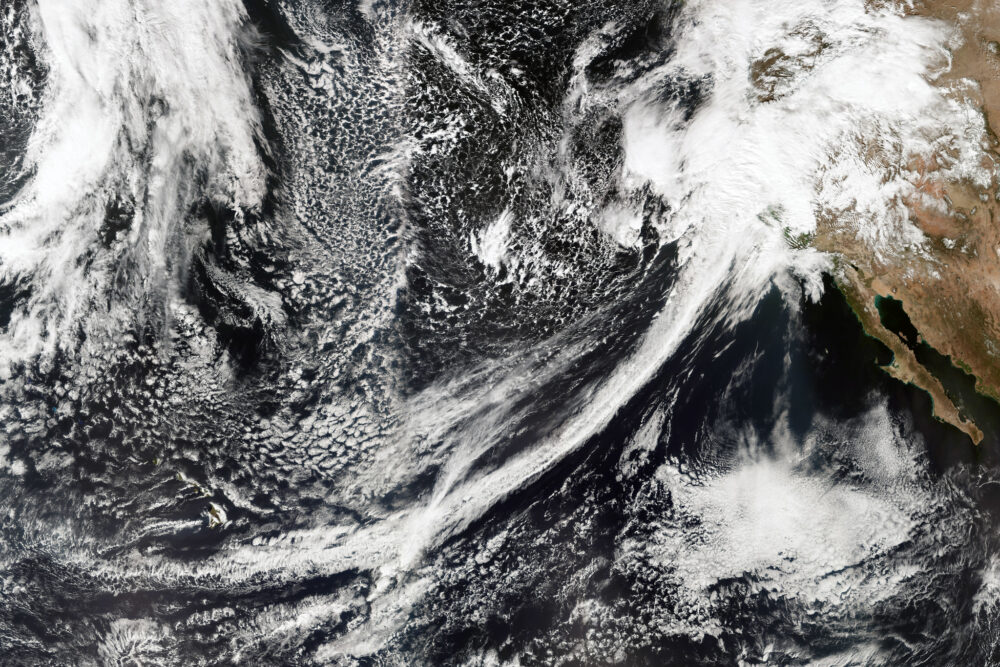
The ARkStorm scenario models an extreme atmospheric river event, where deep moisture bands from the Pacific Ocean dump unprecedented rainfall over California. This storm simulation predicts prolonged, intense rainfall that stretches over several days or weeks, overwhelming natural and man-made systems.
Unlike regular floods, ARkStorm envisions persistent, concentrated downpours, creating megaflood conditions. These conditions greatly surpass typical flood scenarios, posing a major risk to infrastructure and communities. This simulated event aims to prepare the region for potential impacts, revealing gaps in disaster preparedness and emergency planning.
2. This megaflood could cause widespread flooding across California and neighboring states.
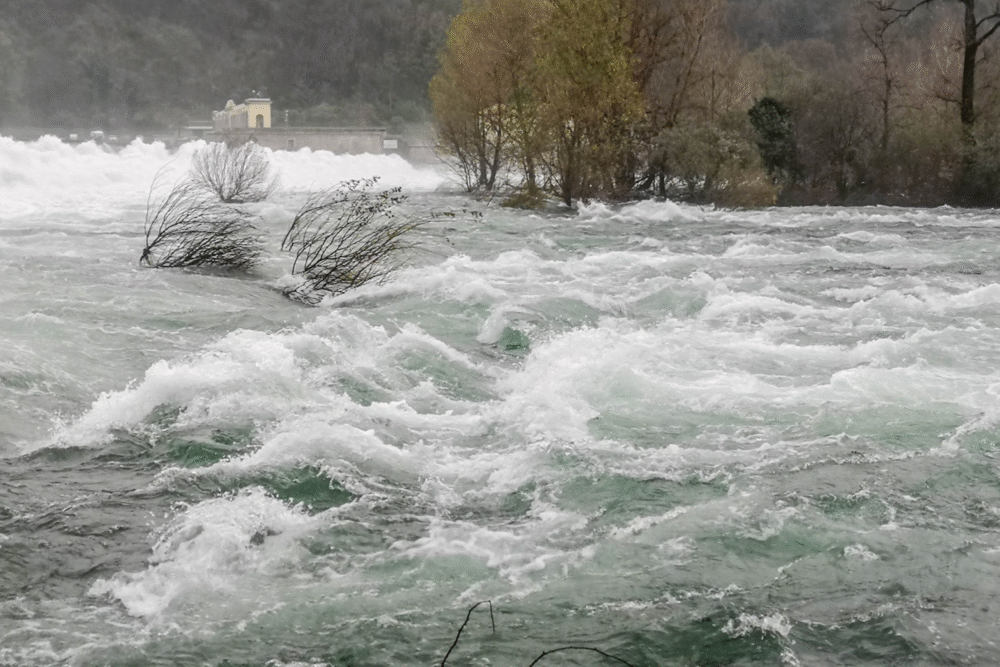
A megaflood of ARkStorm’s magnitude could submerge vast areas of California and nearby states, causing extensive water damage. Widespread flooding could occur and persist due to limited drainage capabilities and immense rain volume over broad geographical regions, overwhelming urban and rural landscapes.
This catastrophic flooding scenario could render vast stretches of land inaccessible or unusable, disrupting daily life. The inundation threatens not only residential areas but also critical agricultural lands, leading to long-term economic shocks. Such flooding would necessitate massive coordinated response efforts from multiple agencies and organizations.
3. Historical evidence shows similar storms occurred in the region centuries ago.

Centuries-old records reveal that megastorms of similar scale have battered California before. Notable among these is the 1861–1862 flood, where sustained torrents transformed the Central Valley into an inland sea. Such historical evidence underscores the potential for future occurrences of similar magnitude.
Aware of this past, researchers stress the importance of understanding recurring atmospheric patterns. They point to the geological and climate records showing how these cataclysmic events periodically shape regions. Insight into historical data aids in forecasting future risks and guides strategic planning for flood mitigation.
4. Atmospheric rivers carry immense moisture, fueling heavy rainfall during these storms.

Atmospheric rivers, narrow corridors of concentrated moisture in the atmosphere, act as the primary drivers of heavy rains during megastorms like those in the ARkStorm scenario. These phenomena transport water vapor from the ocean inland, often resulting in significant precipitation when they meet coastal ranges.
Capable of delivering massive rainfalls over short durations, these ‘rivers’ dramatically increase flood potential in affected areas. Understanding the operation of atmospheric rivers illuminates their critical role in creating megastorm conditions and informs the strategic development of early warning systems to anticipate heavy rainfall events.
5. The ARkStorm would overwhelm existing flood control and drainage infrastructure.

ARkStorm’s overwhelming rainfall would severely strain California’s flood control and drainage systems, designed primarily for less intense events. Current infrastructure is not equipped for volumes predicted in megafloods, risking breaches, spillovers, and failures.
Difficulties in managing such extreme water influx reveal vulnerabilities in existing systems. Critical evaluation and system redesign are requisite to prevent catastrophic failures. Engineers and planners study potential ARkStorm-like events to identify necessary improvements, ensuring infrastructure resilience and reducing the risk to vulnerable communities.
6. Floodwaters could disrupt transportation, utilities, and critical emergency services.
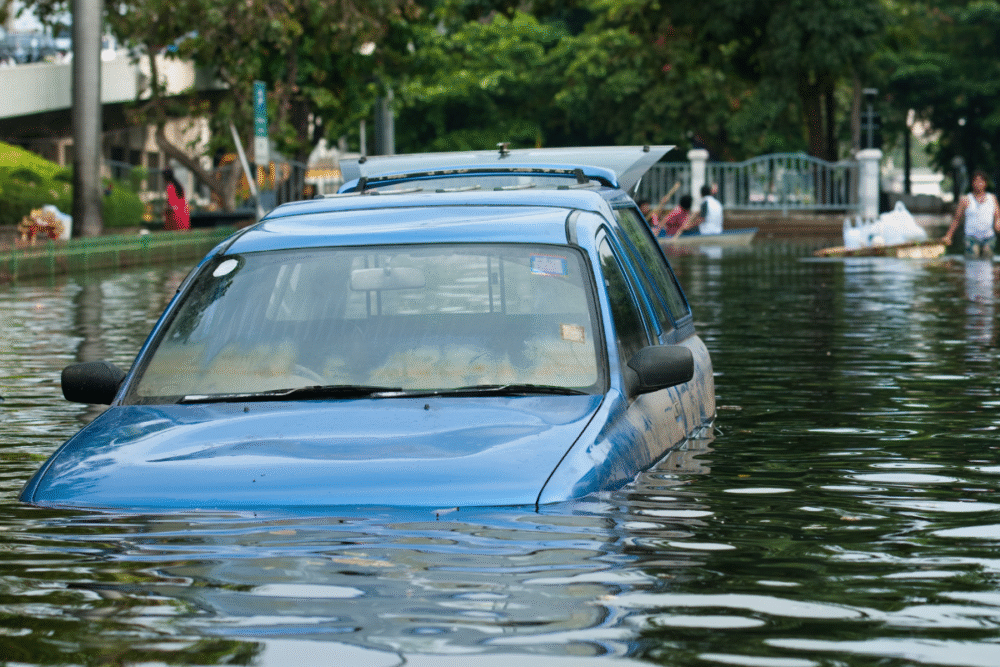
Floodwaters from an ARkStorm event could severely impact transportation networks, utilities, and emergency response capabilities. Roads and bridges might be submerged or damaged, making travel and evacuations difficult. Electrical grids and communication lines are also at risk of failure from vast-scale water damage.
Disruptions to emergency services heighten risks during and after the flooding, as access to affected areas becomes complicated. The resultant logistical chaos underscores the need for robust contingency plans. Understanding these potential disruptions helps authorities develop more effective flood response and recovery strategies to maintain essential services.
7. Urban and agricultural areas both face severe damage from prolonged flooding.
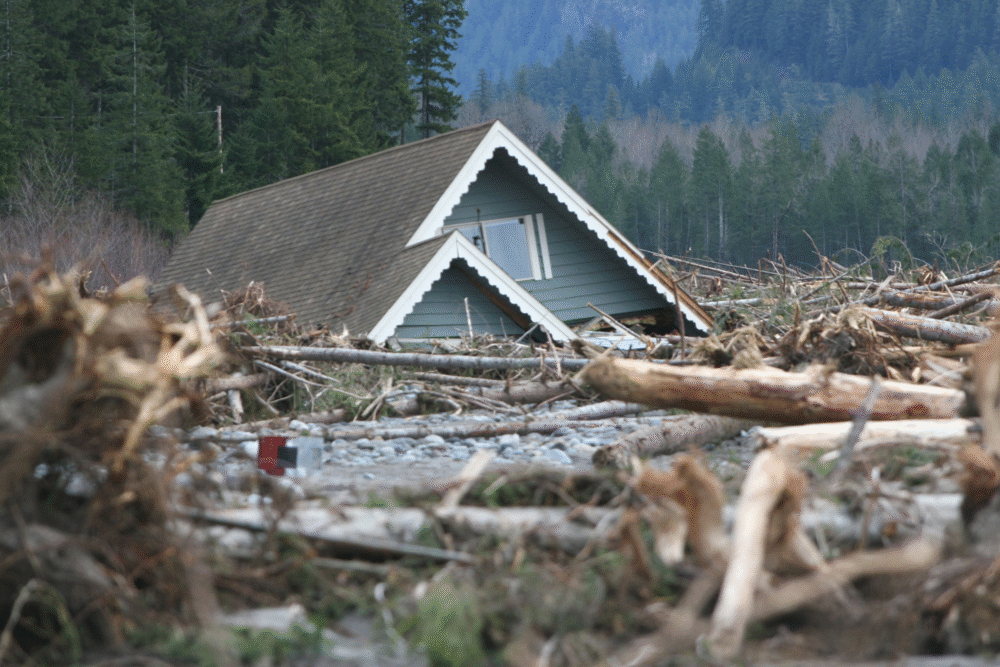
Prolonged ARkStorm flooding poses significant risks to both urban and agricultural sectors. Cities may endure extensive structural and property damage, while farms face loss of crops and soil erosion from excessive water. Such flooding can disrupt food production and distribution, affecting food security.
Urban areas face recovery challenges, including debris clearance and rebuilding efforts, which can stretch municipal resources. Agricultural lands may take longer to recover productivity, impacting livelihoods. These dual-threat scenarios drive cross-sector collaboration in improving protective measures, ensuring comprehensive recovery frameworks are in place to address diverse needs.
8. Recovery from an ARkStorm event could take months or even years.
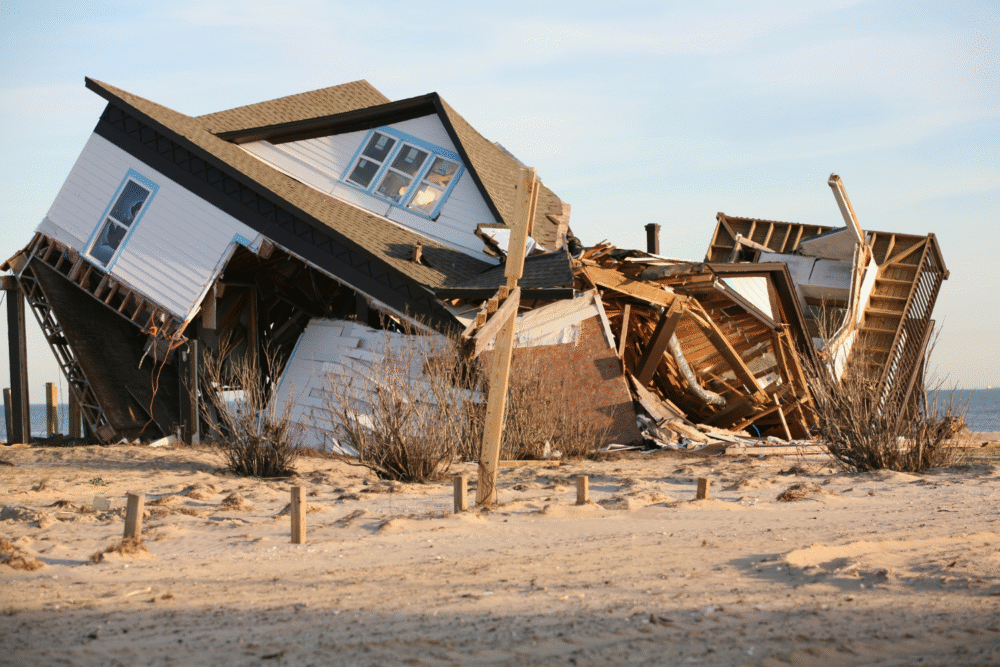
The aftermath of an ARkStorm would extend over months or even years, as communities recover from widespread destruction. Restoration involves repairing infrastructure, rebuilding homes, and resuming normal economic activities. The economic costs could soar, significantly affecting budgets for local and state governments.
Long-term recovery demands coordinated efforts from various governmental and non-governmental agencies. Relocation and rehabilitation of communities are complex, requiring careful planning. Recovery planning incorporates lessons from past events to enhance resilience and foster community preparedness for future disasters, ensuring a faster return to normalcy.
9. Climate change may increase the frequency and intensity of similar megafloods.

Experts anticipate climate change may exacerbate the frequency and intensity of events like ARkStorms. With rising global temperatures, atmospheric rivers could become more common, leading to intensified rainfall and more frequent megastorms, amplifying existing flood risks.
Accelerated ice melt and ocean warming contribute to this shift in weather patterns, challenging existing flood management strategies. Observations of changing weather emphasize the need for adaptive infrastructure and policies. Continuous monitoring and research into climate impacts inform planning efforts, promoting sustainable approaches to manage future flood scenarios in a changing climate.
10. Early warning systems and preparedness plans play key roles in reducing risks.

Effective early warning systems and comprehensive preparedness plans are vital in minimizing the risks posed by scenarios like ARkStorm. Accurate real-time forecasting allows authorities to act promptly, implementing measures like evacuation orders and resource allocation to mitigate potential harm.
Coordination among meteorologists, emergency services, and community leaders strengthens these efforts, ensuring clear communication during crises. These systems integrate cutting-edge technology, enabling prompt responses and maintaining public safety. Preparedness planning emphasizes scenario drills and community education, fostering resilience and ensuring populations are better equipped to face potential megastorm events.
11. The ARkStorm scenario helps planners design better flood management systems.

The ARkStorm scenario provides valuable insights for planners to refine flood management systems. Analyzing potential impacts guides the development of building regulations, zoning laws, and infrastructure upgrades to withstand intense weather events.
By modeling such extreme scenarios, engineers and policymakers can identify weaknesses in current defenses and implement innovative solutions. The scenario acts as a predictive tool to assess vulnerabilities and adapt engineering practices. Continuous investment in research and simulation promotes a proactive stance in mitigating flood risks, safeguarding communities from future megaflood impacts.
12. Understanding ARkStorm risks supports community resilience against future disasters.
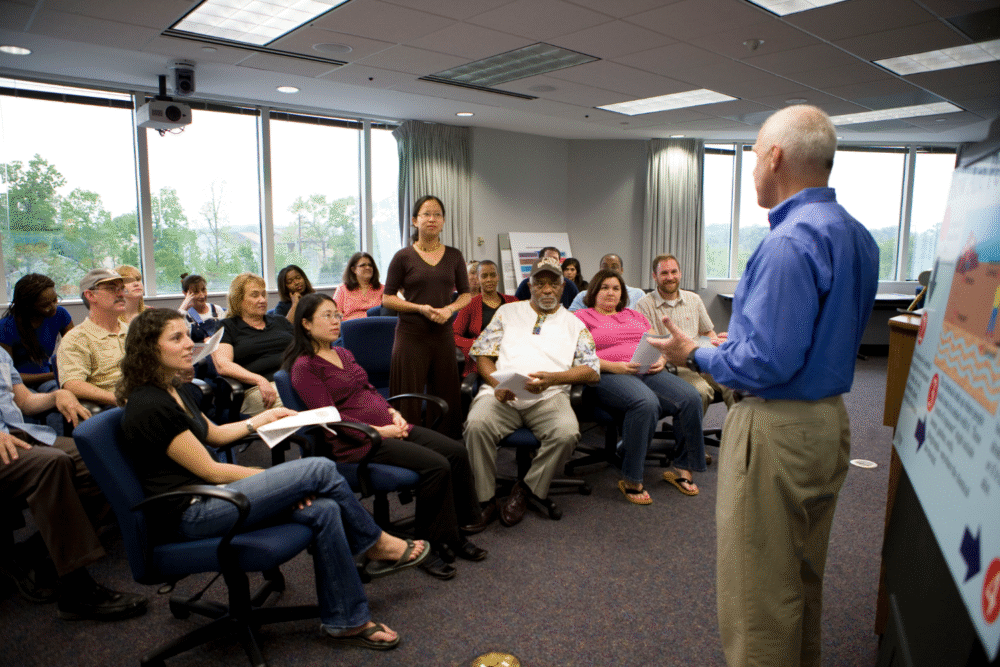
Understanding ARkStorm risks is crucial for supporting community resilience against future disasters. Awareness of megaflood potential empowers governments and local entities to adopt strategic plans that bolster long-term safety and sustainability.
Community engagement and education foster informed decision-making and resource distribution during emergency situations. By integrating ARkStorm scenarios into resilience planning, communities enhance their adaptive capacity. A commitment to risk-informed strategies cultivates awareness, enabling quicker recovery from disasters and reinforcing the importance of preparedness in protecting vulnerable populations and infrastructure.