
New research suggests California’s invasive death cap mushroom is not just spreading, it is changing.
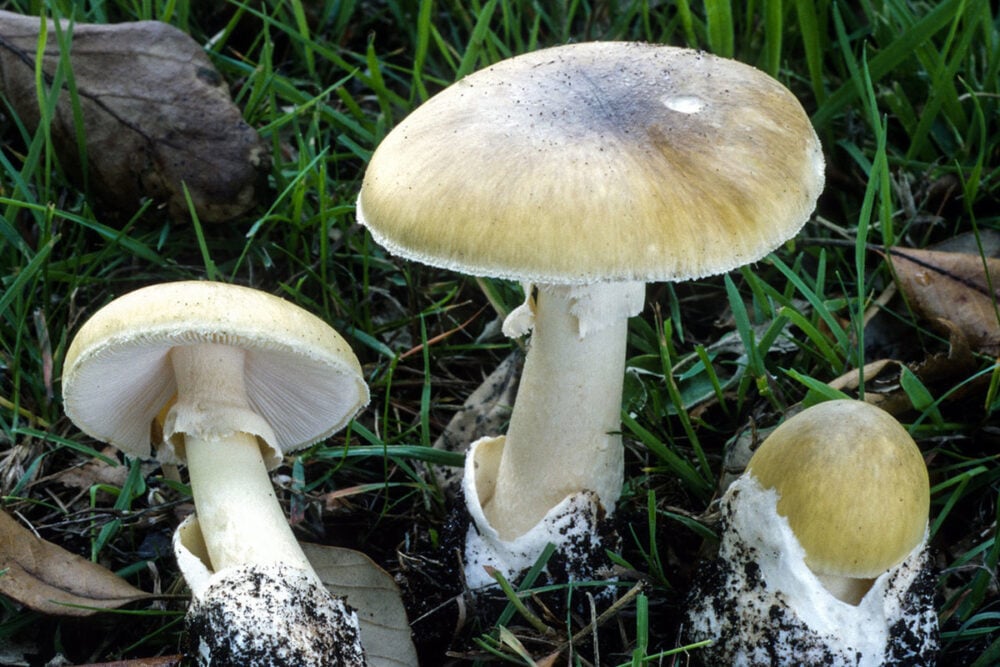
Scientists found that West Coast populations can produce previously unknown compounds, including a surprising class of peptides that are made differently than expected. It is a reminder that nature does not stand still, even when the organism is already notorious.
That matters because death caps are tied to severe poisonings and liver failure, and they are easy to mistake for edible mushrooms. Understanding what these fungi can make, and how quickly they can adapt, helps researchers track risk, study ecosystem impacts, and look for new chemistry that could cut both ways.
1. The death cap’s reputation is earned
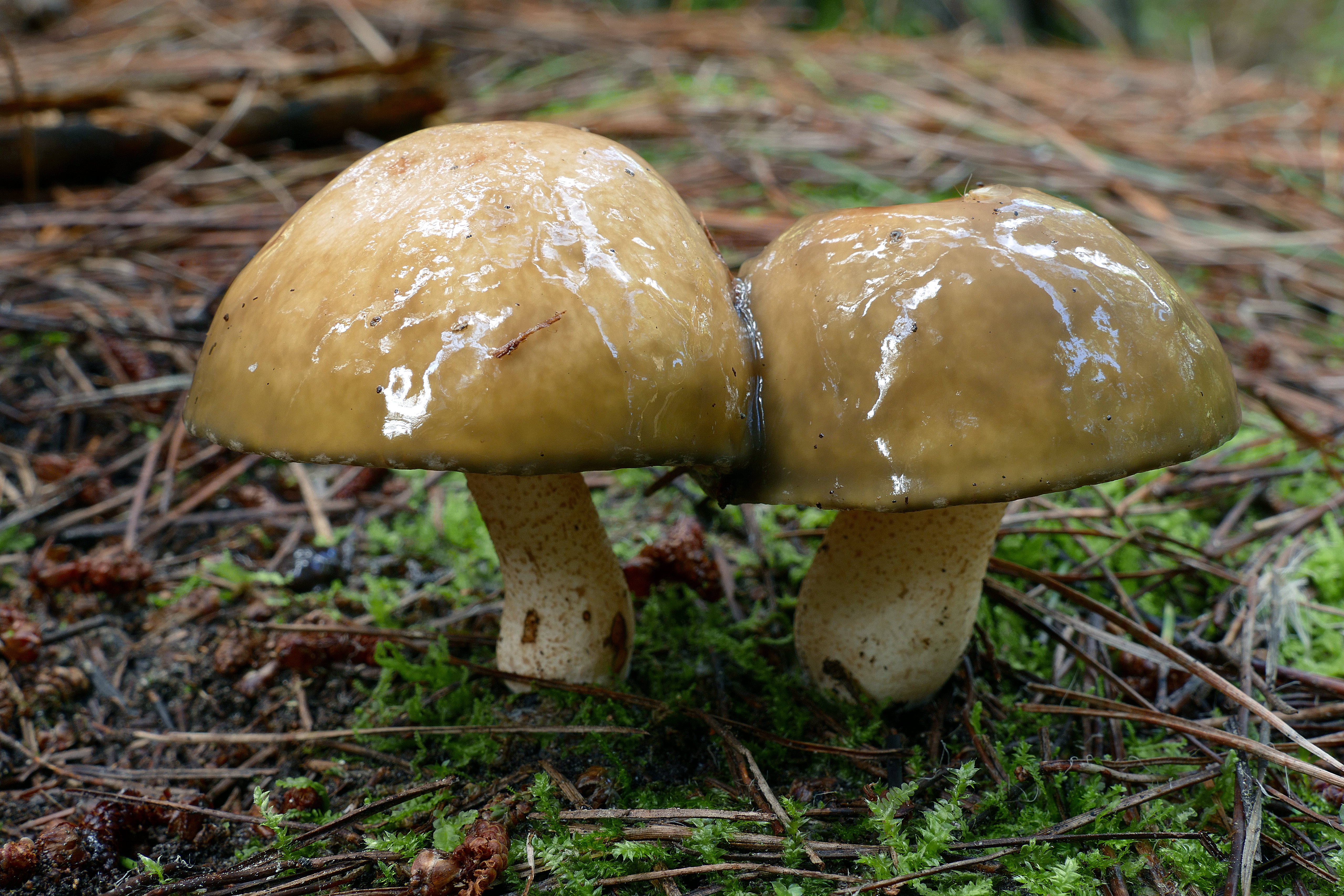
Death cap mushrooms have a dark claim to fame: they are among the most lethal mushrooms on Earth. A small amount can cause severe poisoning, and symptoms can arrive late, when damage is already underway.
People often assume cooking makes wild mushrooms safer, but death cap toxins can survive typical kitchen prep. That is part of what makes them so dangerous, especially for inexperienced foragers who rely on looks alone.
2. An invasive mushroom that keeps expanding
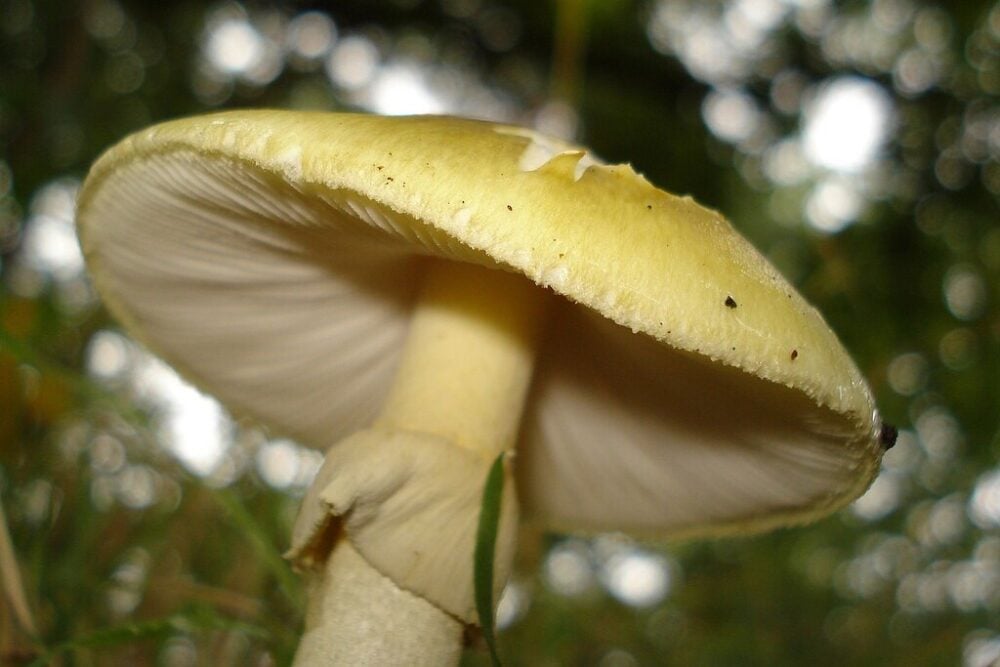
Death caps are native to Europe, but they have established themselves in many places, including California. Scientists think they likely hitched rides with imported trees and spread as forests and landscaping changed.
In parts of the West, they can appear in dense clusters under certain trees year after year. That kind of repeated, heavy fruiting is one reason researchers suspect the species is thriving, not merely surviving, in its new home.
3. The surprise was not the toxin, it was the new chemistry
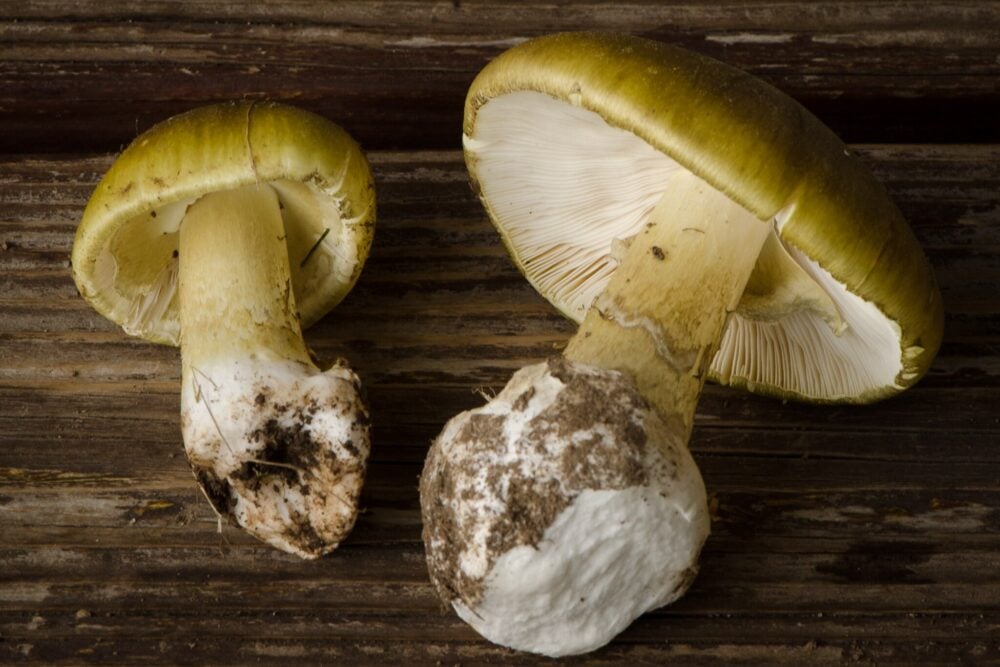
The new study focuses on what invasive California death caps are producing at the molecular level. Researchers found evidence of compounds that were not detected in European populations.
Some of these metabolites have never been isolated before in any fungus, which is a big statement in a world where fungal chemistry has been studied for decades. It suggests this species still has chemical tricks we did not know it could pull.
4. A quick primer on toxins versus other metabolites

Death caps are infamous for amatoxins, the compounds that can trigger catastrophic liver failure. Those toxins are the headline danger for humans.
But fungi also make many other secondary metabolites. Some may defend the fungus, help it compete with other microbes, or influence how it interacts with plants. The new findings are not just about poisoning risk, but about how the fungus may be optimizing itself for invasion.
5. The study zooms in on a genetic recipe book

The researchers looked at a group of genes linked to peptide based compounds, often discussed in relation to death cap toxicity. These genes can act like instructions that get processed into finished chemical products.
Earlier work showed that these genes have diversified in U.S. populations over time. The new work connects that genetic variation to actual chemical output, which is the key step if you want to understand what the fungus is truly doing in the wild.
6. The leader sequence twist changes the rules
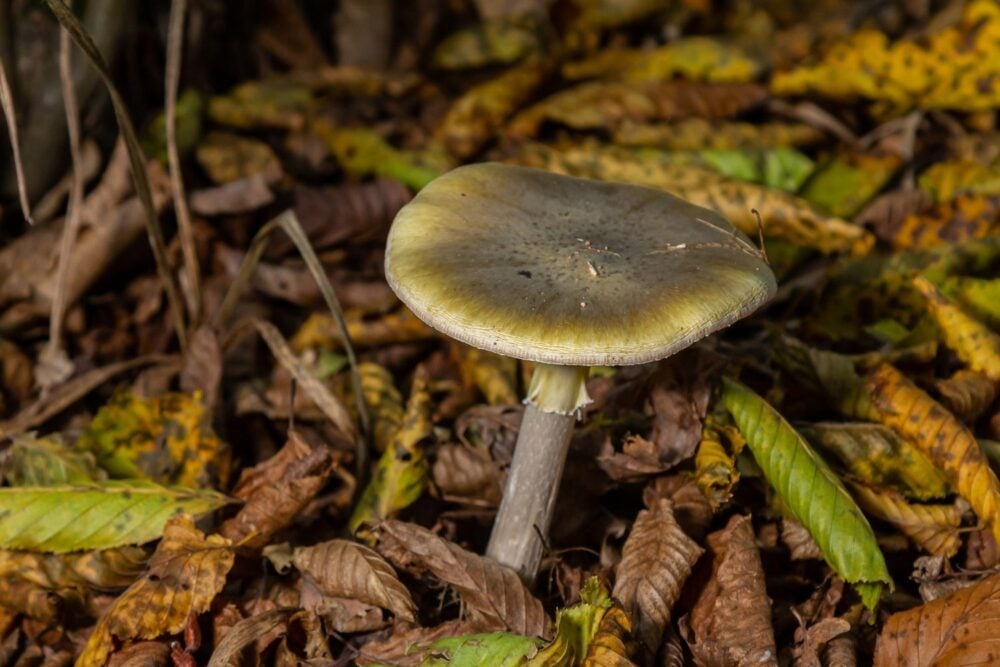
Here is the core shocker. Many peptide compounds are made from a larger precursor that includes a leader sequence, a kind of molecular handle that helps the cell process the final product.
This team found that California death caps can produce certain peptides without that leader sequence. It is an unexpected route to making finished compounds, and it expands what scientists thought fungi could do in this chemical category.
7. The new peptides show up at extremely high levels
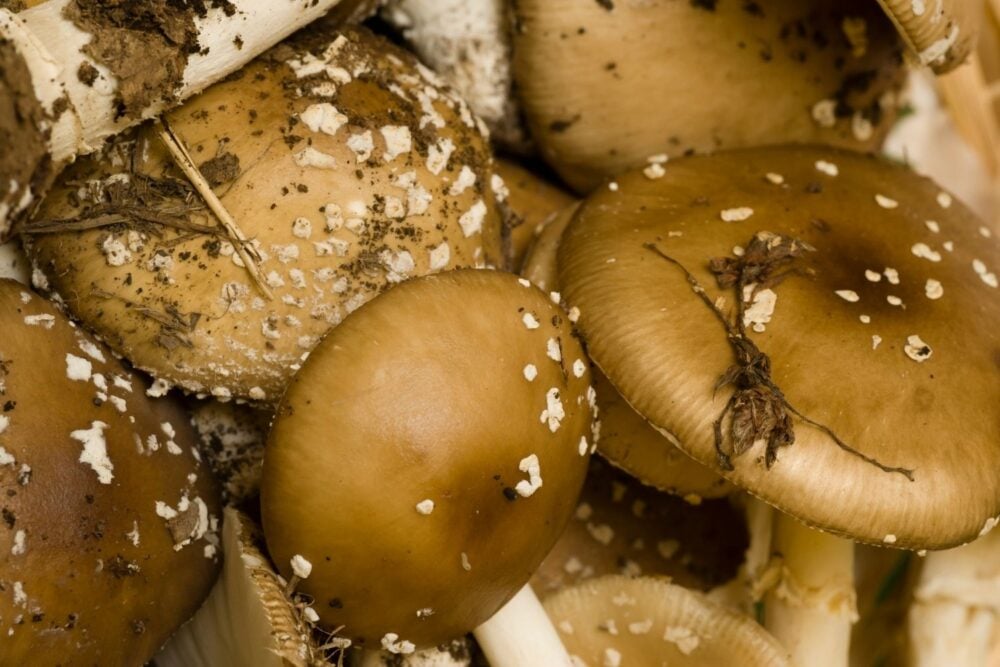
It was not just that these leaderless peptides existed. The study reports they were expressed at levels far higher than other compounds, and much higher than in European counterparts.
That does not automatically mean they are more dangerous to humans, but it does suggest they matter to the fungus. When a living system spends that much energy making something, it is usually because the product provides an advantage.
8. So what could these new compounds be doing
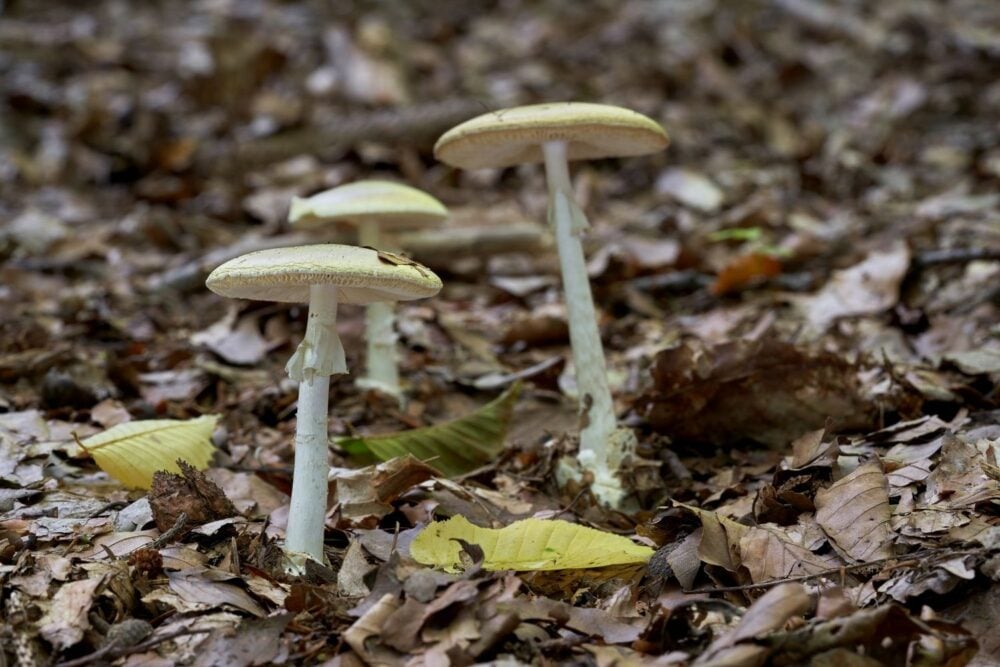
Scientists do not yet know the full role of the leaderless peptides. One leading idea is that they may help the mushroom invade and compete, possibly by affecting microbes in the soil or interactions with host trees.
Another possibility is that they help the fungus tolerate new climates or ecological pressures. The careful point is this: the discovery highlights capability, and the biological impact is the next question researchers are now chasing.
9. This is evolution you can watch, not just infer
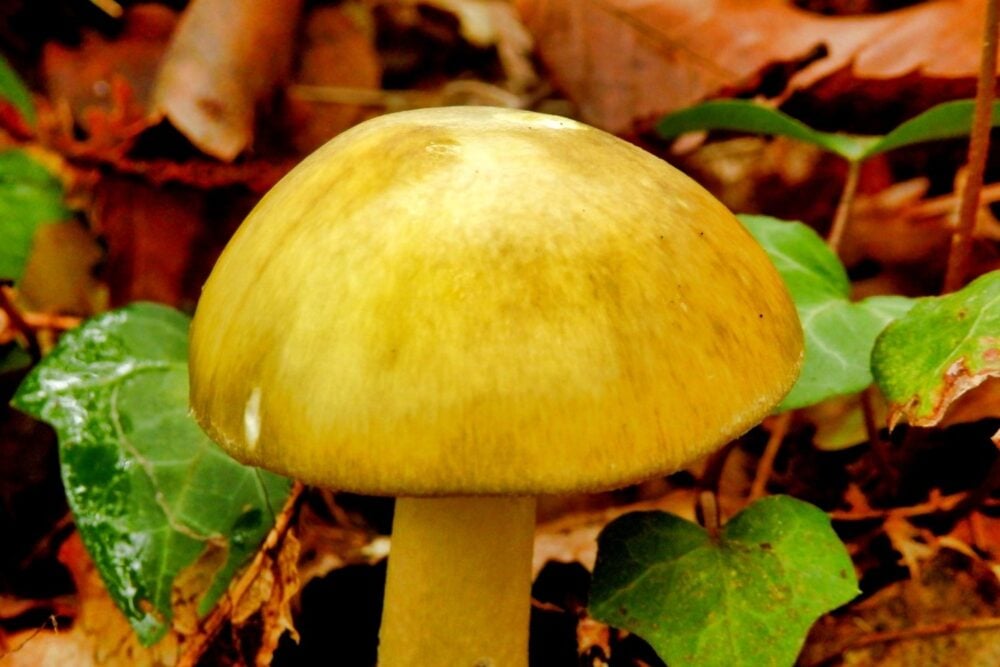
People often think evolution is slow and distant. Invasive species can make it feel immediate because they face new conditions, new competitors, and new opportunities.
This work suggests death caps are not only spreading across landscapes, but also adapting their chemistry in the process. That chemical flexibility may be one reason they succeed, and it raises fresh questions about how invasions reshape ecosystems over time.
10. The public health angle is still the same
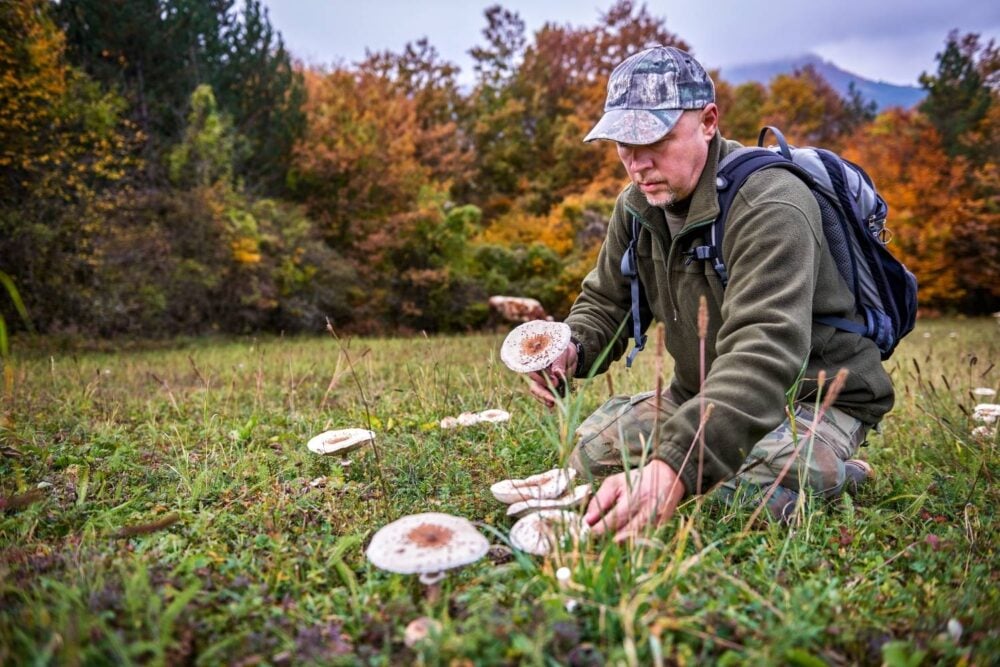
Even if the new compounds turn out to be mostly ecological tools, the practical warning does not change. Death caps remain dangerously toxic and easily confused with edible mushrooms.
Health officials typically advise people not to eat foraged mushrooms unless they have true expert identification. If someone suspects ingestion, the safest move is rapid medical advice, because delayed symptoms can lead to delayed treatment.
11. The strange silver lining is what scientists might learn
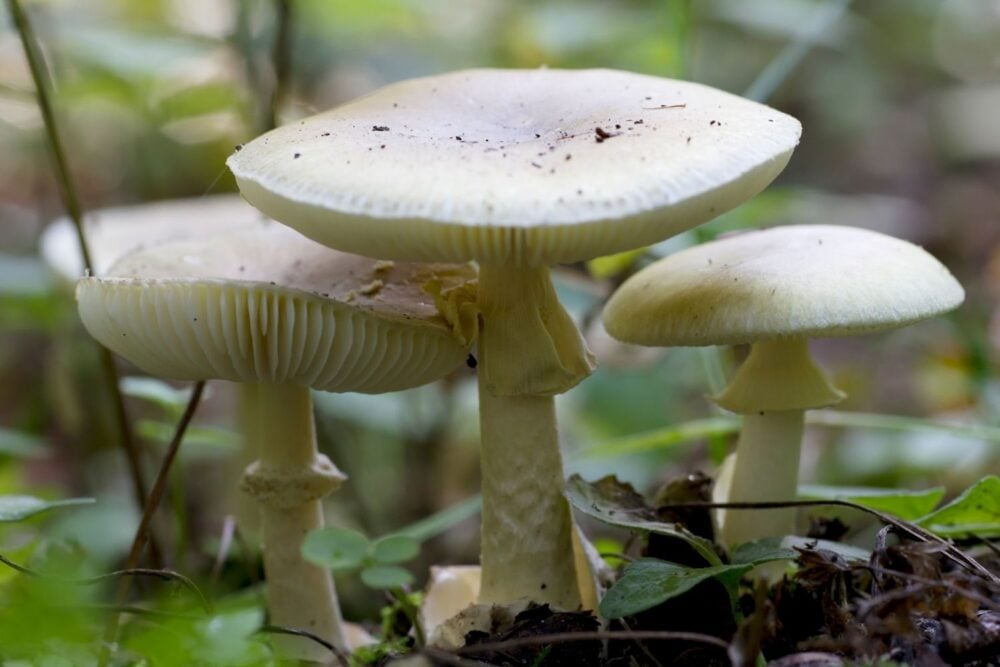
Fungi are a major source of medicines and useful bioactive compounds. Discovering new natural products, even in a deadly species, can open scientific doors.
The next step is testing these newly identified compounds for bioactivity, which could reveal how they work and what they affect. The big takeaway is unsettling but fascinating: the death cap is not just a killer, it is a moving target, and its chemistry is still unfolding.