
Gifford Fire spans over 65,000 acres with only 3% containment as extreme winds and drought conditions fuel rapid spread across Santa Barbara and San Luis Obispo counties.
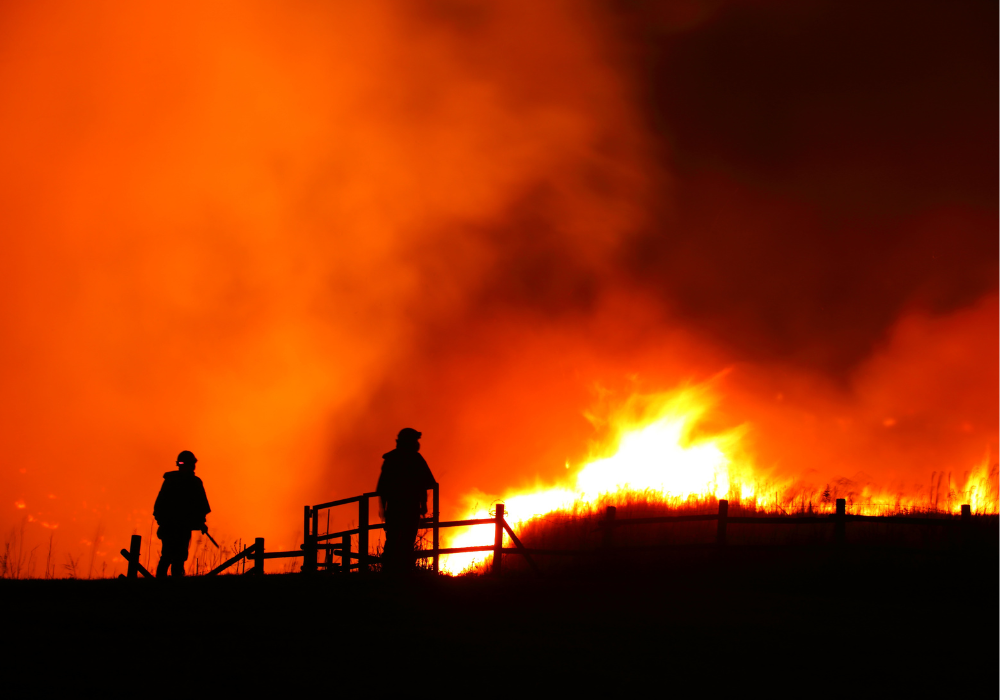
California is burning again, and this time it’s bigger than anyone expected. The Gifford Fire has exploded across more than 100 square miles of Los Padres National Forest, creating what firefighters are calling “multiple fronts” of flames that seem to be spreading in every direction.
Three people are already injured, including one driver who was literally overrun by flames after getting out of his car on Highway 166. With over 450 homes and structures directly in the path of destruction and only 3% of this monster contained, more than 1,000 firefighters are racing against time and weather to prevent what could become another California fire disaster.
1. This fire started small but quickly became a nightmare scenario for firefighters.
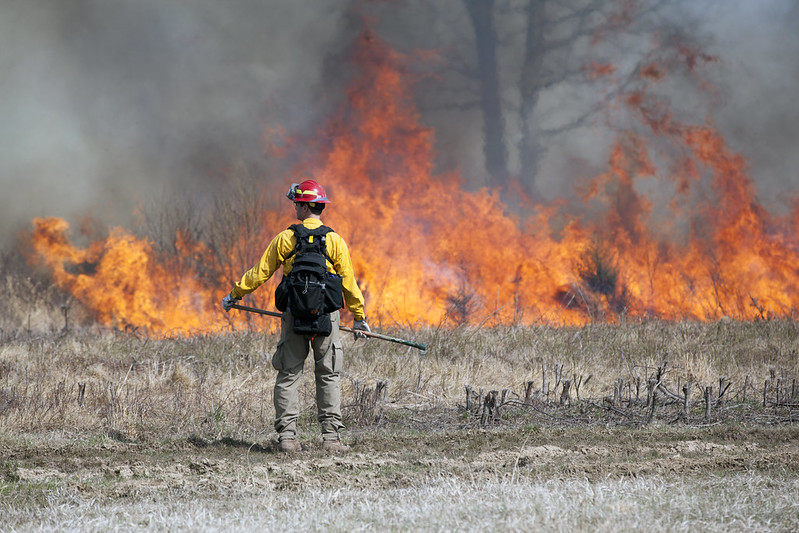
What began as several smaller fires along State Route 166 between Santa Maria and Bakersfield on Friday has morphed into a massive wildfire spanning over 65,000 acres. According to U.S. Forest Service spokesperson Flemming Bertelson, having multiple ignition points created the worst possible situation: “That gave us multiple fronts, and the flames started fanning out in many directions.”
Instead of fighting one fire moving in a predictable direction, crews are now battling what’s essentially several fires that merged and are spreading simultaneously across Santa Barbara and San Luis Obispo counties. The fire is literally “gobbling up chaparral and brushland and running up very steep slopes,” making containment nearly impossible.
2. Three people have been seriously injured, including one victim who was overrun by flames.
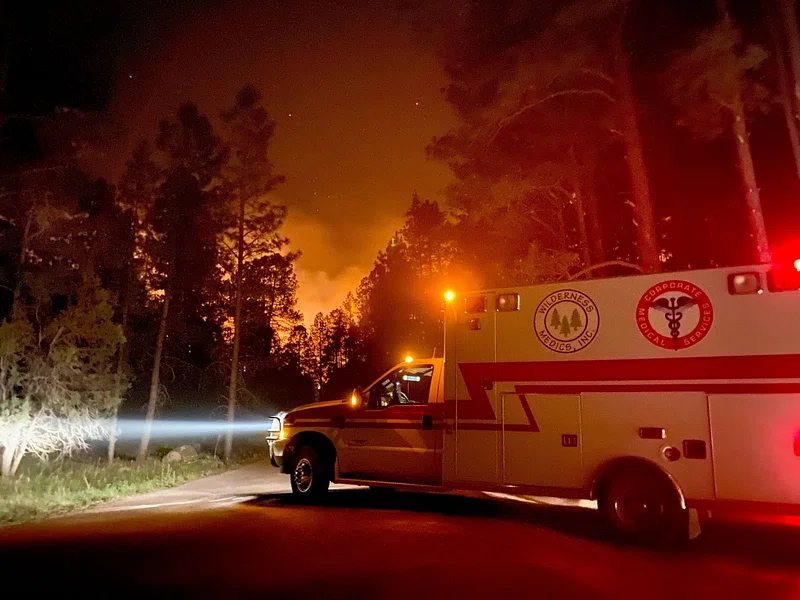
The most severe injury involved a motorist who made a fatal mistake on Highway 166. After getting out of his vehicle, the person was caught and overrun by fast-moving flames, suffering serious burn injuries that required hospitalization.
Two other people were hurt when their all-terrain vehicle overturned while they were working as contract employees assisting firefighters. These incidents highlight just how unpredictable and dangerous this fire has become.
The flames are moving so fast that even people in vehicles aren’t safe, and the rugged terrain is creating hazardous conditions for both civilians and emergency responders trying to battle the blaze.
3. Over 450 structures are directly in the fire’s path, with entire communities at risk.
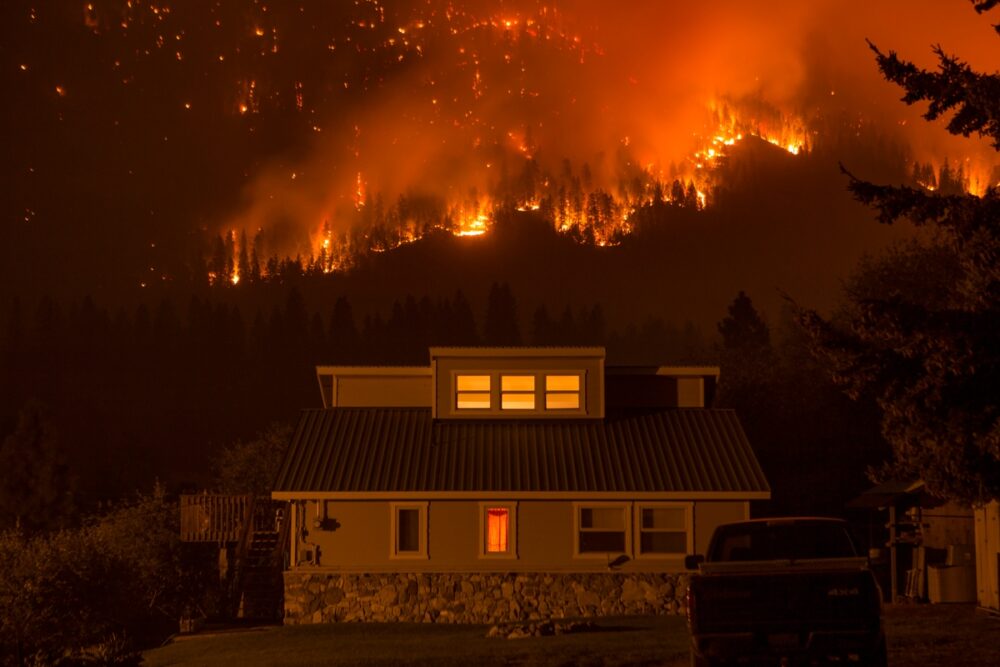
The Gifford Fire isn’t just burning through empty forest—it’s threatening real homes where real people live. More than 450 structures are currently at risk, forcing authorities to issue evacuation orders for multiple zones across both counties.
These aren’t just vacation cabins either; many are primary residences in rural communities that have few escape routes. The fire’s location in Los Padres National Forest means it’s burning through areas where homes are scattered and isolated, making evacuations more complex and dangerous.
Some residents are choosing to stay and defend their properties, while others are loading up livestock and belongings in desperate races against the advancing flames.
4. Weather conditions are creating the perfect storm for fire spread.
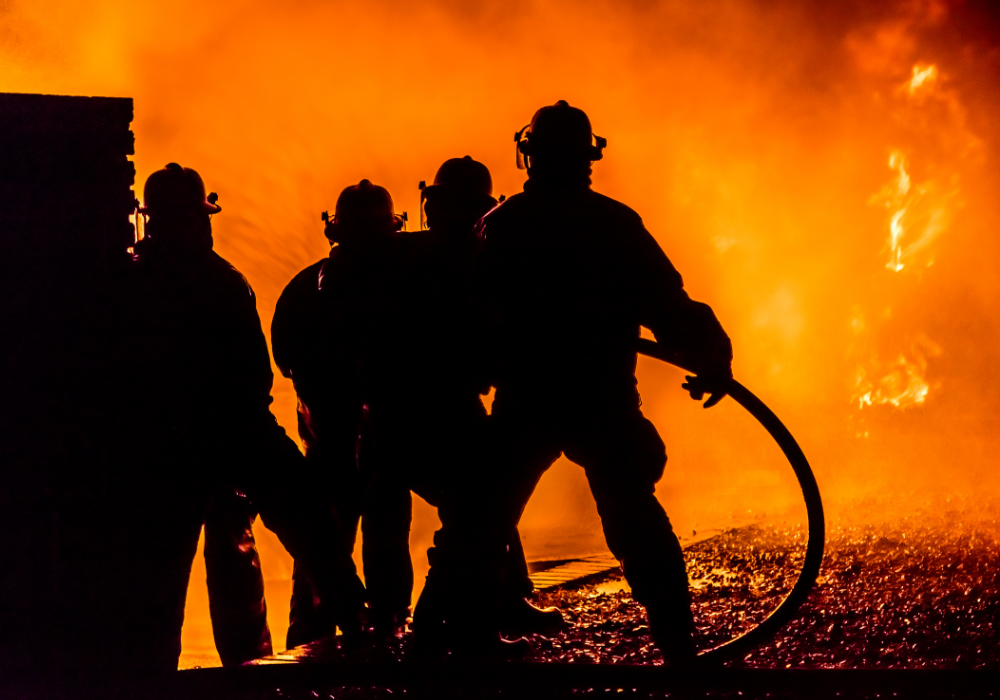
California’s notorious “sundowner winds” are turning an already dangerous situation into a potential catastrophe. These powerful, hot, dry winds typically pick up around dusk and can fan flames at incredible speeds.
More than 1,000 firefighters are working frantically to establish containment lines before these evening winds arrive, knowing that once they start, the fire’s behavior becomes completely unpredictable.
The combination of extreme drought conditions, low humidity, and accumulated dry vegetation from previous seasons has created what fire experts call perfect fire weather conditions. Add in the steep, rugged terrain of Los Padres National Forest, and you have a recipe for an explosive fire situation.
5. The smoke is so massive it’s affecting air quality hundreds of miles away.
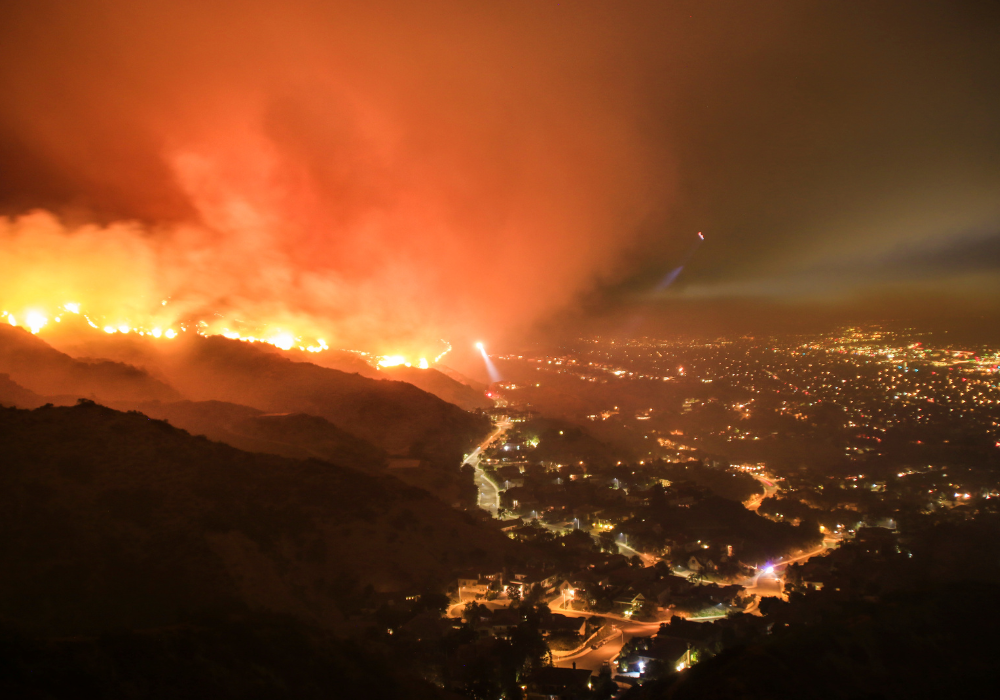
The Gifford Fire’s impact extends far beyond California’s borders. Smoke from the blaze has traveled all the way to Las Vegas, where air quality readings hit 186 on the Air Quality Index—firmly in the “unhealthy” range. The smoke plume is so thick and extensive that it’s creating hazy skies across Nevada, Utah, and Colorado.
For perspective, that means smoke particles from this single fire are affecting air quality across multiple states and impacting millions of people who live hundreds of miles from the actual flames. Residents in affected areas are being advised to:
- Stay indoors with windows and doors closed
- Use air purifiers if available
- Avoid outdoor exercise and activities
- Wear N95 masks if they must go outside
6. Highway 166 remains completely shut down, cutting off a major transportation route.
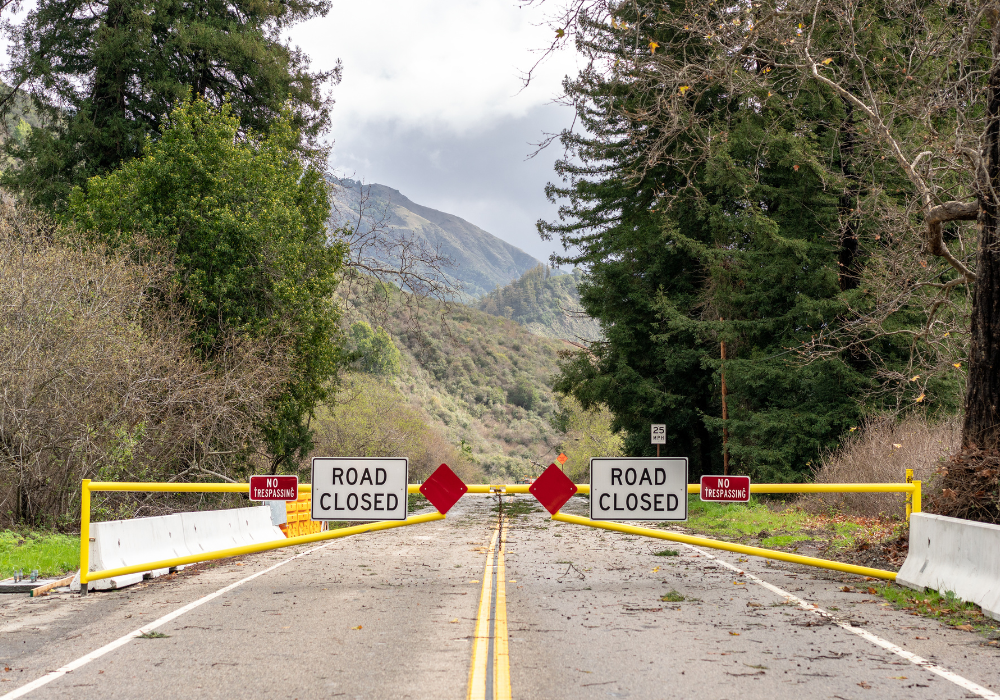
The fire has forced the complete closure of State Route 166 in both directions east of Santa Maria, effectively cutting off a vital transportation link between the Central Coast and Central Valley. This isn’t just an inconvenience—it’s a major disruption that affects commerce, emergency response, and evacuation routes.
The highway closure also demonstrates just how close the flames are to critical infrastructure. Ranchers in the area are scrambling to move cattle and equipment, but with limited road access, many are trapped with few options. Some are using back roads and ranch access routes, but these weren’t designed for heavy evacuation traffic or large emergency vehicles.
7. The fire is burning through some of California’s most challenging terrain.
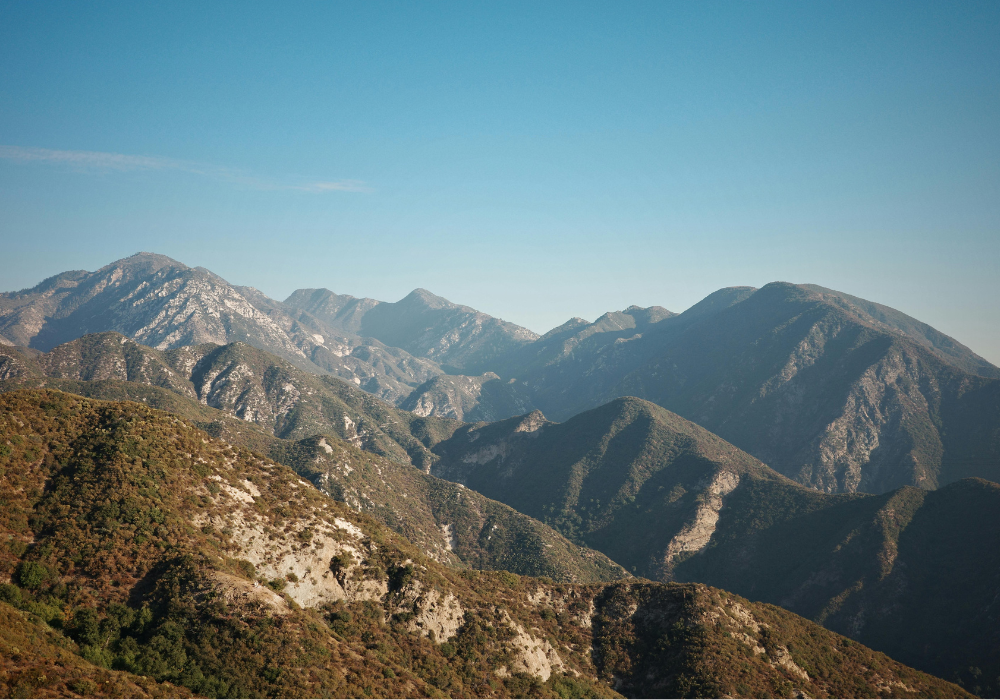
Los Padres National Forest presents some of the most difficult firefighting conditions imaginable. The steep slopes, dense chaparral, and remote locations make it nearly impossible for ground crews to establish effective fire lines.
Aircraft are crucial in this fight, but even they face challenges from the extreme topography and unpredictable wind patterns created by the mountainous terrain. The forest’s rugged landscape also means there are countless hidden canyons and ridges where fires can smolder undetected, only to flare up again when conditions change.
This terrain is why the fire went from contained, smaller blazes to an explosive 65,000-acre monster in just a few days.
8. Only 3% containment means this fire is essentially burning out of control.
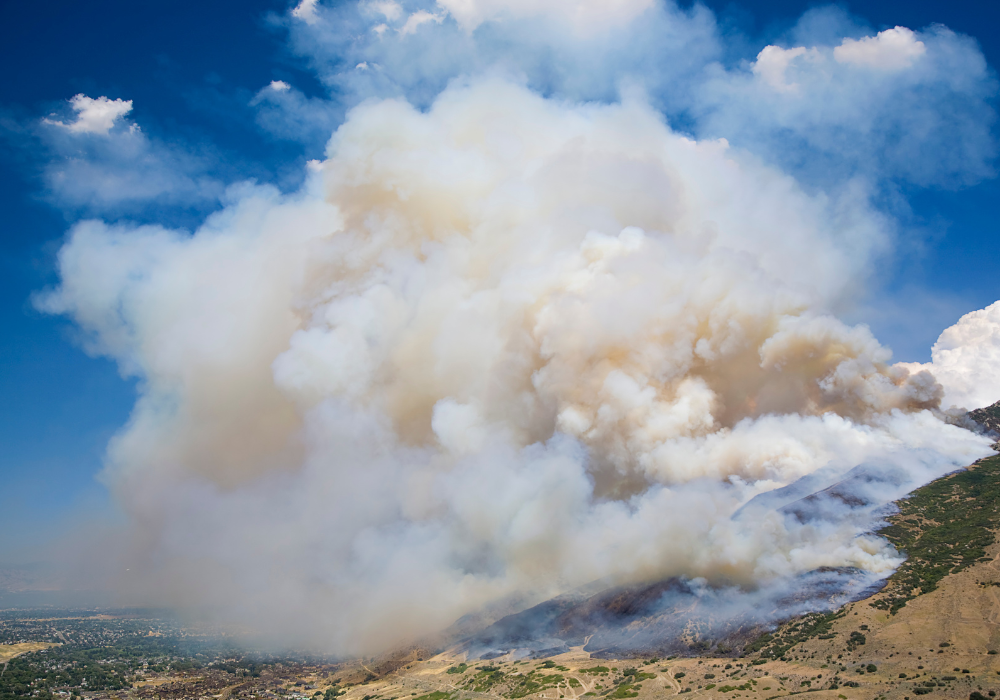
When firefighters talk about containment percentages, they’re referring to how much of the fire’s perimeter has been secured with fire lines, water, or natural barriers. At just 3% containment after burning for several days, the Gifford Fire is essentially running wild across the landscape. For comparison, most fires need to reach at least 50% containment before officials feel confident about controlling them.
The low containment percentage means the fire could potentially double or triple in size if weather conditions worsen. Every hour that passes without significant containment progress increases the risk of the fire reaching populated areas or jumping to new areas that haven’t been evacuated.
9. This fire represents California’s ongoing struggle with increasingly severe wildfire seasons.
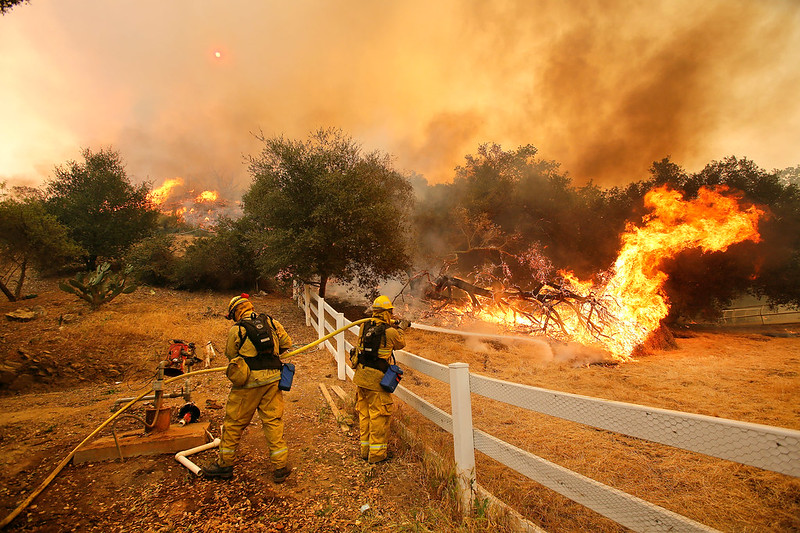
The Gifford Fire is the latest example of how California’s fire seasons have become longer, more intense, and more unpredictable. Climate change, decades of fire suppression that allowed fuel buildup, and continued development in wildland areas have created conditions where fires like this can explode in size and severity.
What makes this particularly concerning is that we’re still in early August—traditionally, the heart of California’s fire season doesn’t peak until September and October. The rapid spread and intensity of the Gifford Fire, combined with the ongoing drought conditions across much of California, suggest this could be another devastating year for wildfires across the state. Officials are already warning residents in fire-prone areas to have evacuation plans ready.