
From food shortages to mass migration, experts say the world could look drastically different by mid-century.

By 2050, the effects of climate change may no longer be warnings — they’ll be reality. Scientists say rising temperatures, shrinking coastlines, and shifting weather patterns could transform how billions of people live. From food insecurity and water shortages to forced migration and collapsing ecosystems, the ripple effects will touch every corner of the planet. Experts warn that without urgent action, life by mid-century could look drastically different from the world we know today.
1. Coastal cities face increasing floods with rising sea levels swallowing shorelines.
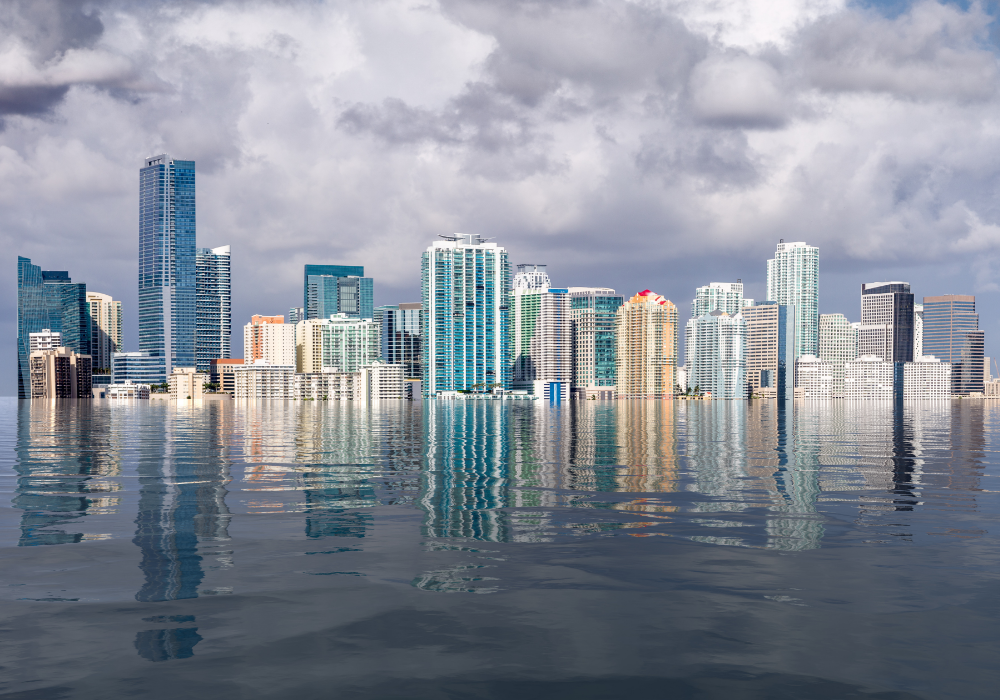
Rising sea levels threaten coastal cities, turning bustling shorelines into flood-prone areas. As temperatures increase, glaciers melt, contributing to higher seas. Streets fill with water more often, affecting daily activities. Businesses in low-lying areas frequently face damage or even closure.
Adaptation requires significant infrastructure changes, which can be costly and complex to implement. Increased flooding risks also impact property values and insurance costs, complicating economic stability. Despite mitigation efforts, the profound transformation of these urban landscapes represents a challenging hurdle for local governments globally.
2. Extreme heatwaves become more frequent, challenging daily routines and health.

Extreme heatwaves intensify, making hot days feel unbearable and sparking health risks. Higher temperatures put stress on electrical grids as air conditioners run constantly. Vulnerable populations, like the elderly, face heightened threats of heat-related illnesses such as dehydration and heatstroke.
Communities may adapt by altering their daily schedules, limiting outdoor activities during peak heat hours. This adaptation can be challenging for laborers and those without access to cool environments. As urban centers grow warmer, public health strategies must evolve to protect at-risk groups effectively.
3. Wildlife habitats shrink, causing drastic shifts in animal populations globally.
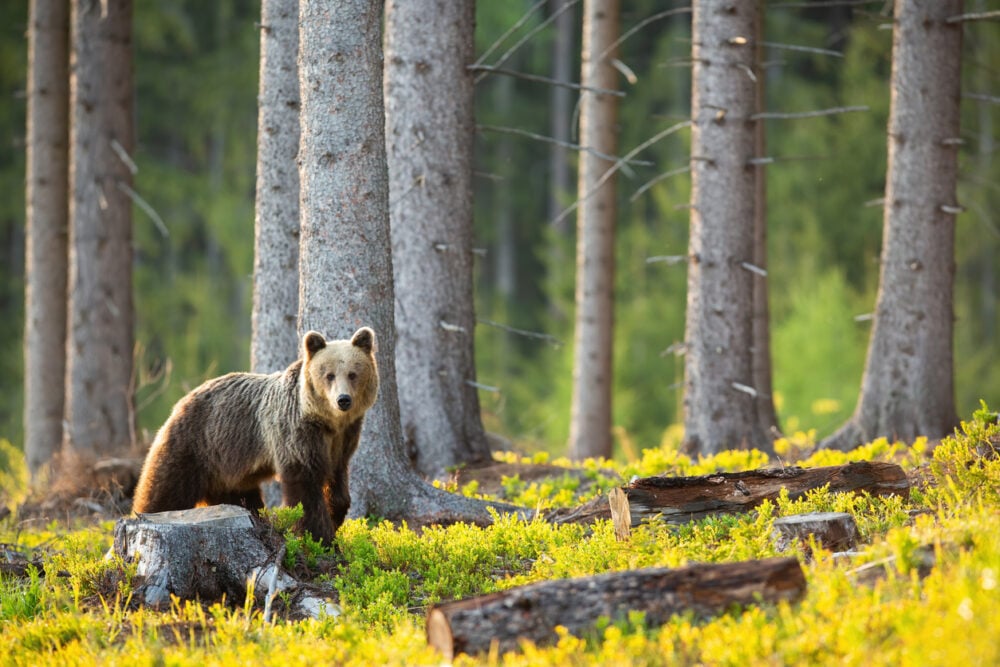
Wildlife habitats diminish, leading to unpredictable population changes among animal species. Deforestation, rising temperatures, and altered landscapes disrupt ecosystems, forcing animals to seek new homes. Species like polar bears and monarch butterflies struggle to adjust to habitat losses and food scarcity.
Ecosystem disruption can lead to a cascade of unforeseen consequences, with predators losing prey and plant species failing to reproduce. These shifts impact biodiversity, potentially causing more extinctions due to habitat loss. Conserving existing habitats could become increasingly challenging without coordinated international efforts.
4. Agricultural zones shift unpredictably, affecting food availability and farming methods.
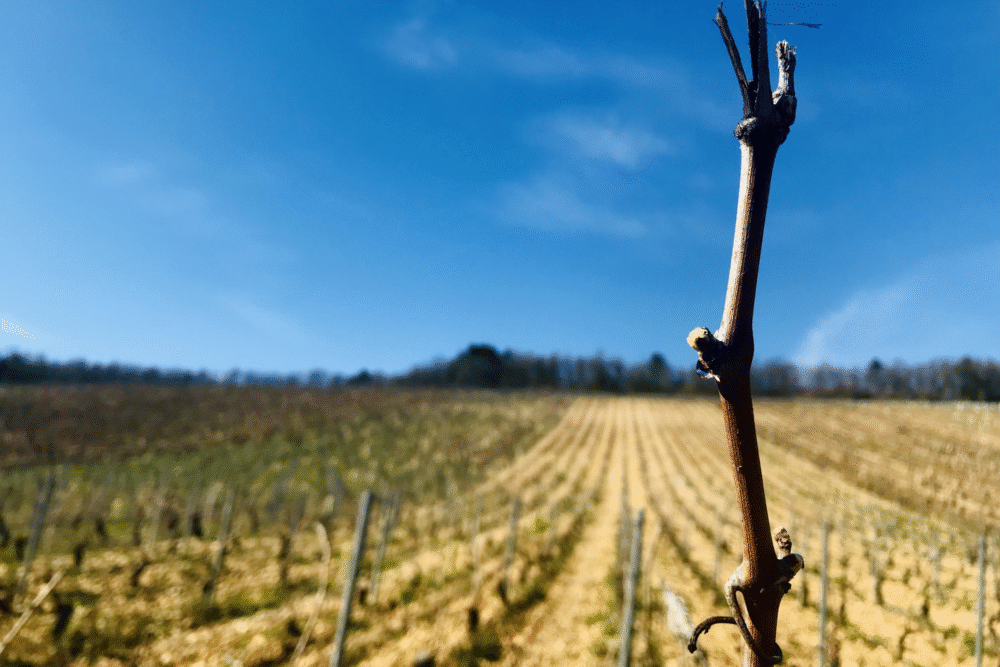
Inconsistent weather patterns alter agricultural zones, creating unpredictability in crop production. Farmers face challenges as traditional growing seasons shift, impacting yields. Regions previously known for specific crops may find them less viable, leading to food supply fluctuations and price adjustments.
Farmers might need to experiment with different crops or techniques, like drought-resistant varieties. This transition could affect food security, making some regions reliant on imports. As agricultural zones shift, emerging farming practices will likely require innovative solutions and specialized knowledge to adapt successfully.
5. Freshwater sources dwindle, raising concerns for drinking water and sanitation.

Reduced freshwater sources become alarming as demands for drinking water increase. Glacial and snowpack reductions shrink supplies for rivers and reservoirs, crucial sources of freshwater. Urban growth exacerbates this stress, further straining limited water resources and causing competition among users.
Countries may face political and social tensions as regions compete for dwindling resources. Innovations in water conservation and recycling emerge, yet challenges persist. Policy adjustments and technological advancements become essential to managing the crisis, ensuring equitable access to clean water for all communities.
6. Intense storms and hurricanes increase in strength and frequency over time.

Increasingly intense storms, driven by climate change, compel governments to prepare for frequent disruptions. Hurricanes gain strength as ocean temperatures rise, causing more destruction when landfalling. Floods, strong winds, and surges wreak havoc on both infrastructure and communities.
Insurance industries face higher costs, impacting premiums and coverage options. Emergency services experience pressure to respond swiftly and efficiently. As post-storm rebuilding continues, communities reevaluate strategies to enhance resilience, requiring both long-term planning and immediate action to mitigate future devastation.
7. Urban areas struggle with heat islands worsening discomfort during hotter months.
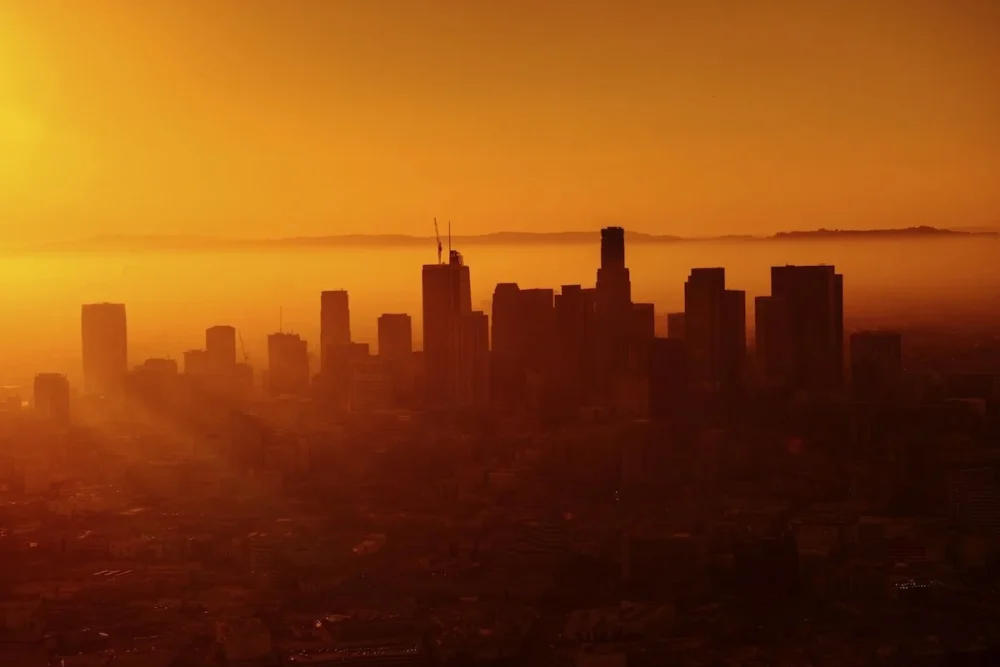
Heat islands, exacerbated by urban development, make cities feel unbearably hot during summer. Asphalt and concrete absorb and retain heat, elevating surface temperatures significantly. This environmental phenomenon amplifies discomfort, increasing energy consumption as residents seek relief indoors.
Disparities emerge, affecting those without access to air conditioning more severely. Urban planning must evolve, favoring green roofs, cooling centers, and vegetation. Addressing heat islands becomes as crucial as managing emissions, as the health and productivity of urban populations depend on effective adaptation measures.
8. Coral reefs degrade severely, impacting marine biodiversity and coastal protection.
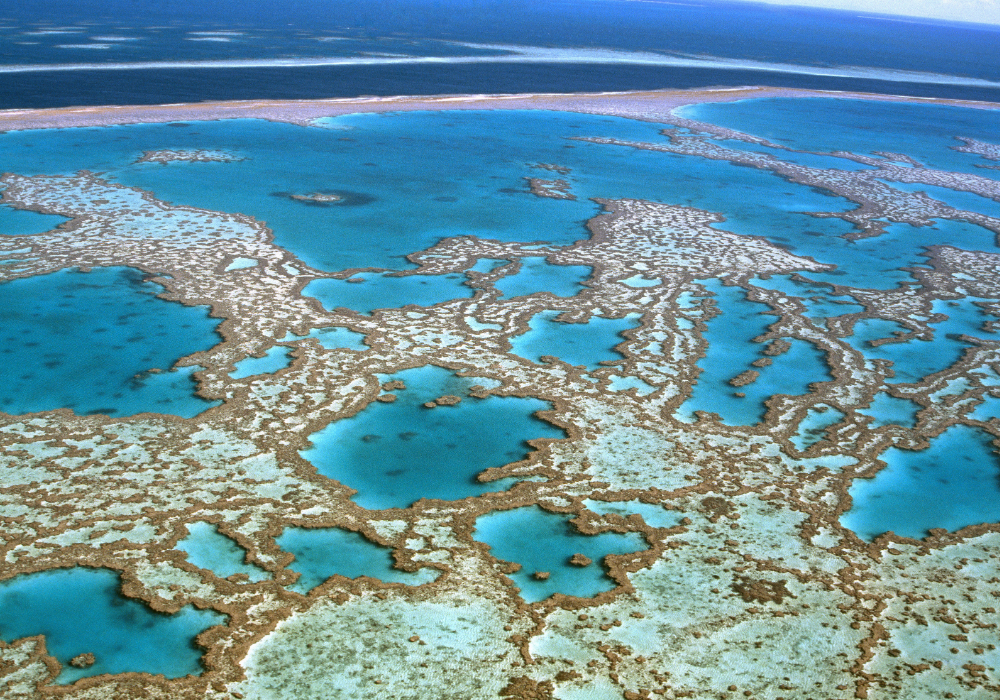
Coral reefs face severe degradation, with warming oceans and acidification hastening their decline. These vibrant ecosystems provide essential habitats for marine life and protect coastlines by buffering wave impacts. Coral bleaching events, driven by temperature spikes, disrupt entire aquatic food webs.
Marine biodiversity suffers, affecting livelihoods dependent on fishing and tourism. The potential loss of these natural wonders could lead countries to invest in artificial structures for protection. Conserving remaining reefs demands collaborative global efforts to reduce carbon emissions and promote healthier oceanic conditions.
9. Economic disparities deepen as vulnerable communities bear the brunt of changes.
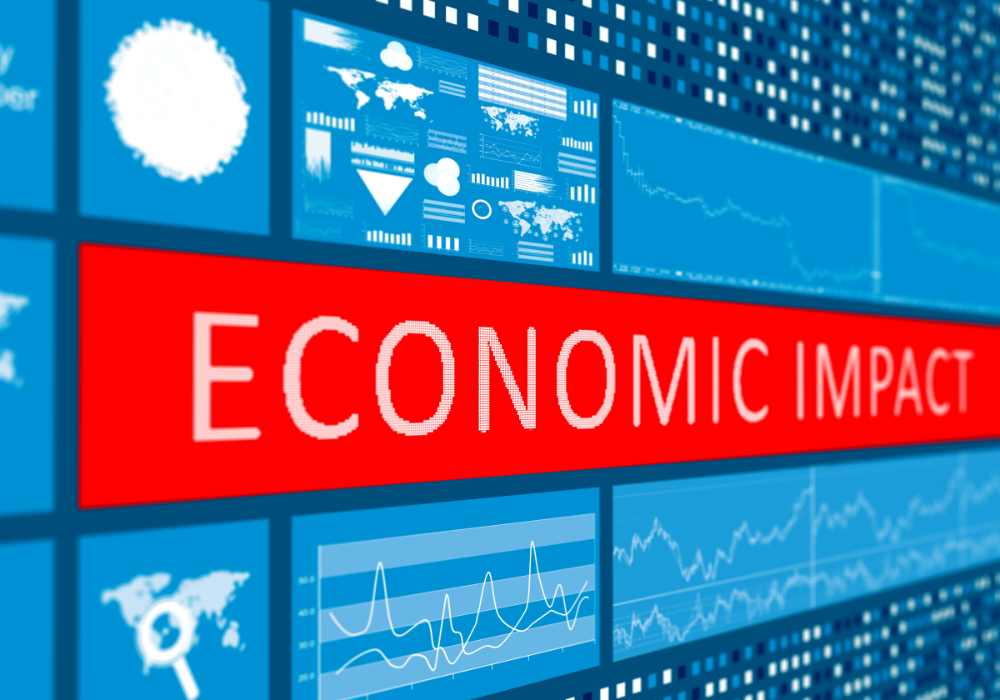
Economic disparities widen as climate change impacts economically vulnerable communities first and hardest. Regions with fewer resources lack the infrastructure to withstand extreme weather events, further hindering recovery efforts. Families in these areas often struggle to rebuild or relocate, deepening poverty cycles.
Social safety nets may fray under increased demands, leaving gaps in support systems. Inequality can trigger increased migration as populations move toward better opportunities. Pre-existing disparities potentially complicate international aid efforts, underscoring the need for equitable climate policies to protect sensitive populations.
10. Migration patterns alter significantly as people relocate due to environmental stress.
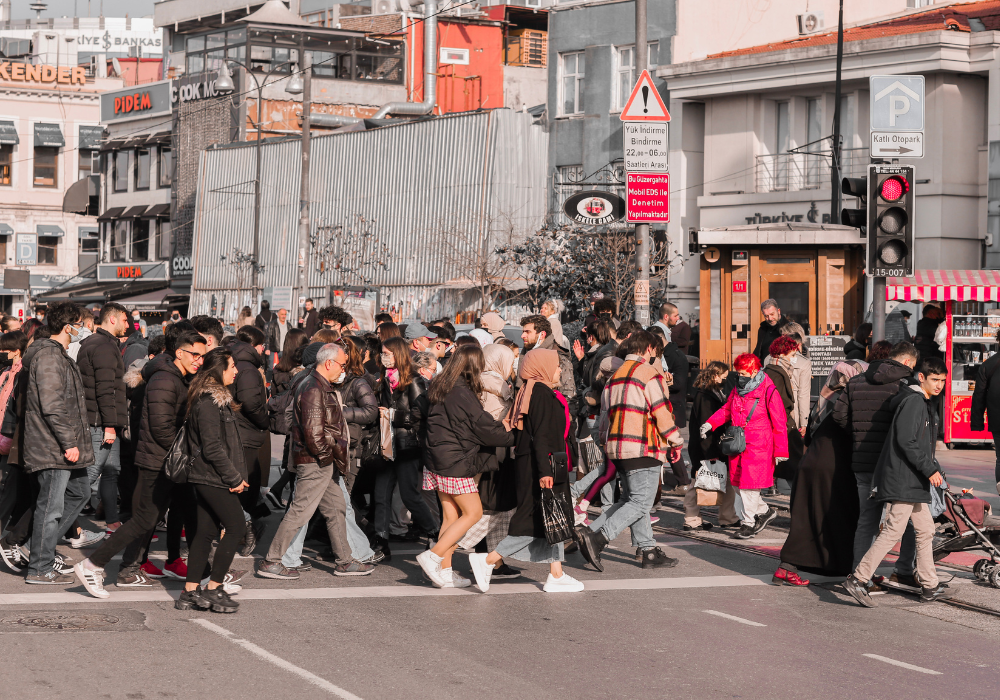
Migration patterns transform as environmental conditions shift in response to climate stress. As regions become inhospitable due to droughts or flooding, populations seek safer areas. These migrations affect social systems, economies, and political landscapes as cultures converge and new challenges arise.
Resource strains follow population booms in destination areas, necessitating infrastructural adjustments to accommodate new residents. As climate migrants increase, host communities adapt, redefining urban spaces and cultural dynamics. Understanding and managing these changes are pivotal for fostering harmony and sustainability in the face of environmental adversity.
11. Infrastructure faces constant damage, requiring costly repairs and innovative designs.
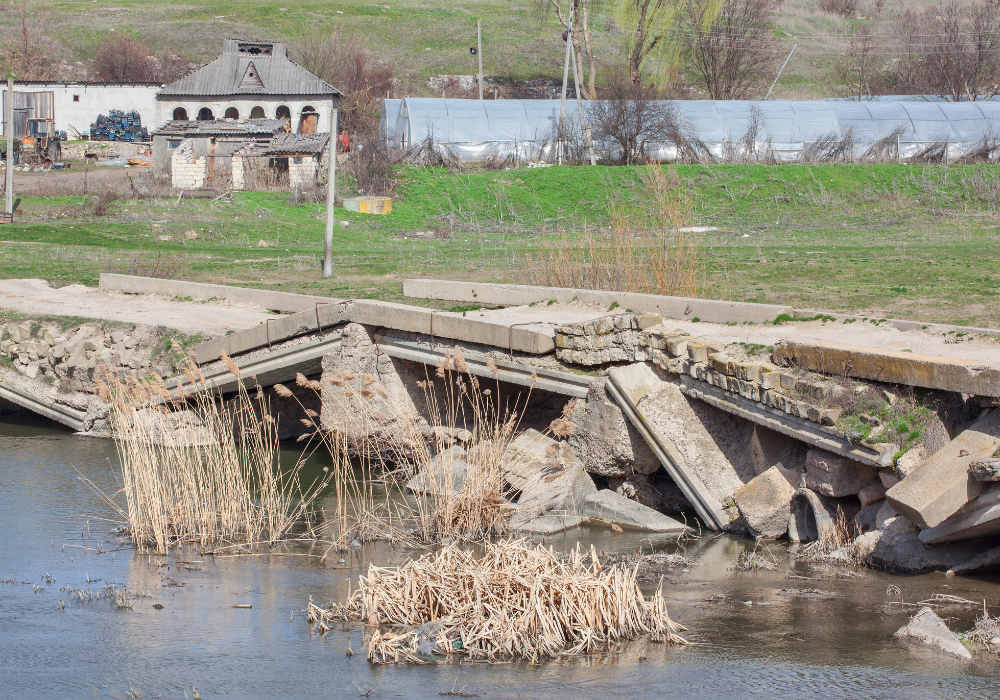
Infrastructure experiences relentless strain from climate change, demanding innovative repair and design solutions. Roads, bridges, and buildings encounter weather extremes that stress materials beyond their original specifications. Continuous maintenance challenges financial resources, stretching municipal budgets and burdening local economies.
Innovations in resilient materials and designs become critical to reducing repair costs and protecting public safety. Future-proofing infrastructure requires foresight and investment in cutting-edge technologies. As climate challenges persist, strategic planning becomes essential to ensuring infrastructure withstands increasingly harsh conditions over time.
12. Public health shifts as new disease patterns emerge tied to changing climates.

Public health faces new challenges as climate change impacts disease patterns significantly. Warmer temperatures expand the range of vector-borne illnesses like malaria and dengue fever. Changing ecosystems introduce pathogens into regions previously unaffected, altering public health concerns and demands.
Healthcare systems need to adjust quickly, preparing for emerging threats and potential outbreaks. Increased population vulnerabilities may stretch resources and require robust community support. Understanding these shifts informs public health strategies, emphasizing flexibility in response plans to safeguard communities’ well-being as climates change.