
It’s not as simple as “organic good, conventional bad,” and the details matter more than you think.
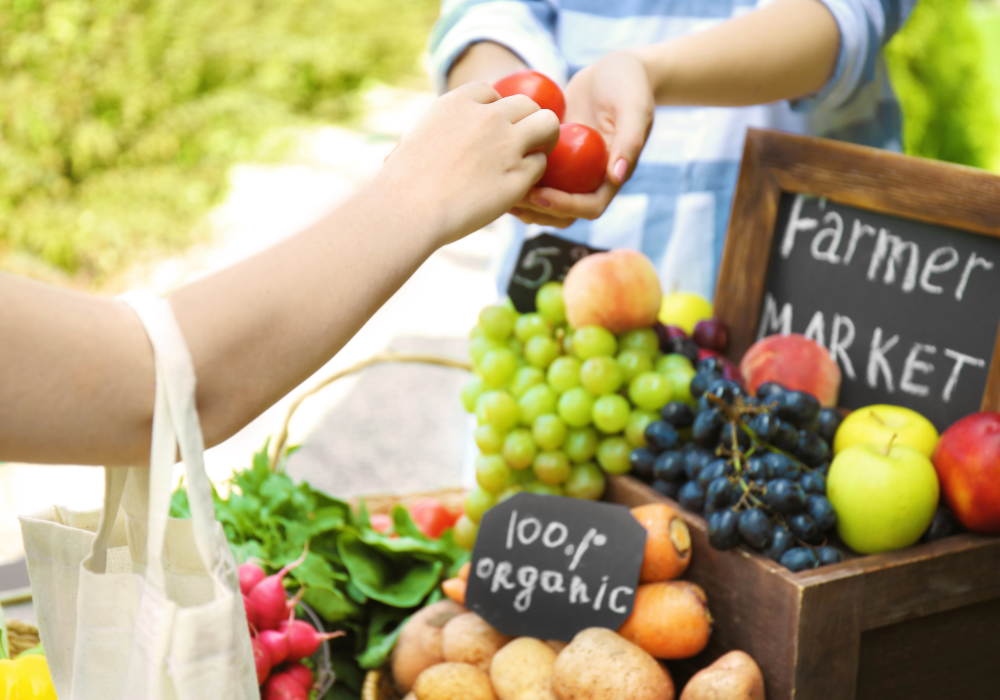
For a long time, “organic” felt like the gold standard—healthier, greener, more ethical. If it had that label, it had to be better, right? But dig a little deeper and the picture gets a lot murkier. While organic farming avoids synthetic pesticides and fertilizers, that doesn’t automatically make it the most sustainable option. In some cases, organic methods require more land, use more water, or even produce more greenhouse gas emissions per crop.
And let’s not forget the supply chain. Many organic foods are flown in from across the world, wrapped in plastic, or produced under murky labor practices. None of that shows up on the sticker. This isn’t about calling organic a scam—it’s about realizing it’s not a free pass. Sustainability depends on the full picture: how food is grown, where it comes from, and how much we waste. Labels help—but they don’t tell the whole story.
1. Organic farming often uses more land to produce the same amount of food.
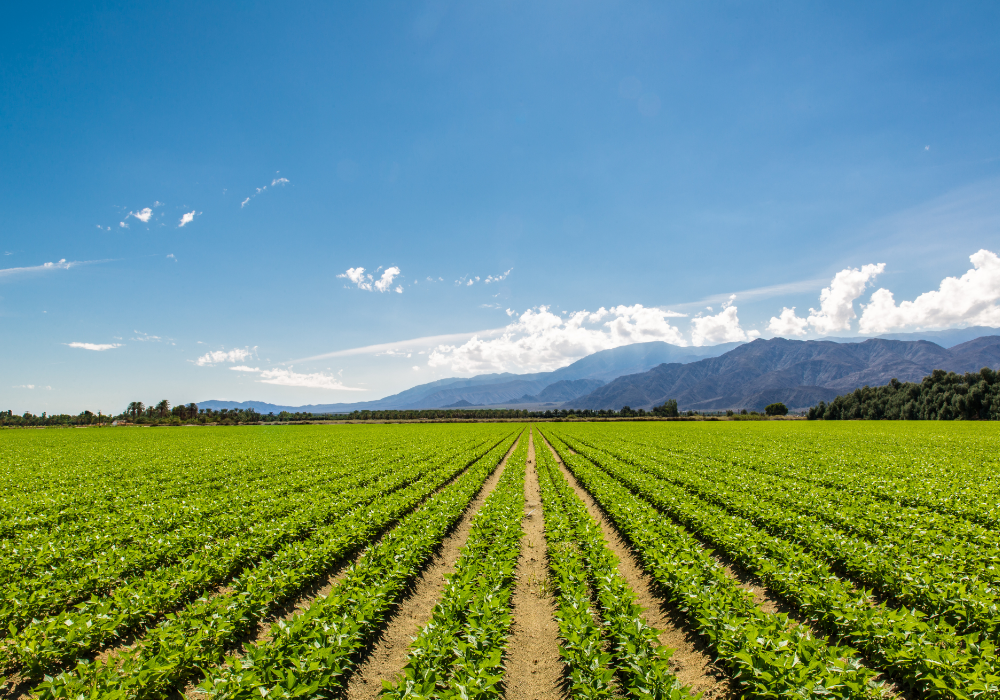
One of the biggest knocks on organic farming is that it’s just not as efficient. Without the help of synthetic fertilizers or pesticides, farmers often get lower crop yields. That means they need more land to grow the same amount of food—especially when it comes to staples like wheat, corn, or soy.
A study published by Adrian Muller for Nature even found that if we switched entirely to organic farming, we’d actually need more land overall, which could lead to more deforestation and higher carbon emissions. Now, that doesn’t mean organic farming is bad—it’s just not always the most land-friendly option.
In some places, the trade-off makes sense because organic practices can boost soil health and support biodiversity. But in other areas, the extra land use cancels out those wins. So if keeping wild spaces intact and using less land is high on your priority list, organic might not always be the best fit.
2. Not all organic pesticides are safer for the environment.

People often go organic is to avoid synthetic pesticides—but here’s the catch: organic farming still uses pesticides, just different ones. And “natural” doesn’t automatically mean harmless. According to a report by N.L. Adamson et al., published by Xerces Society for Invertebrate Conservation, neem oil, while organic, can be toxic to pollinators and beneficial insects, and should only be used when these creatures are not active.
The key difference is that organic pesticides tend to break down faster in the environment, which is a good thing—but that doesn’t make them universally safe. Organic farms often have to apply them more frequently since they’re less potent, which can lead to other unintended consequences. The idea that organic farming is completely chemical-free just isn’t true. It’s still farming, and it still has risks. The better question is how any pesticide—organic or conventional—is used, monitored, and managed.
3. Organic food often travels farther, adding to its carbon footprint.
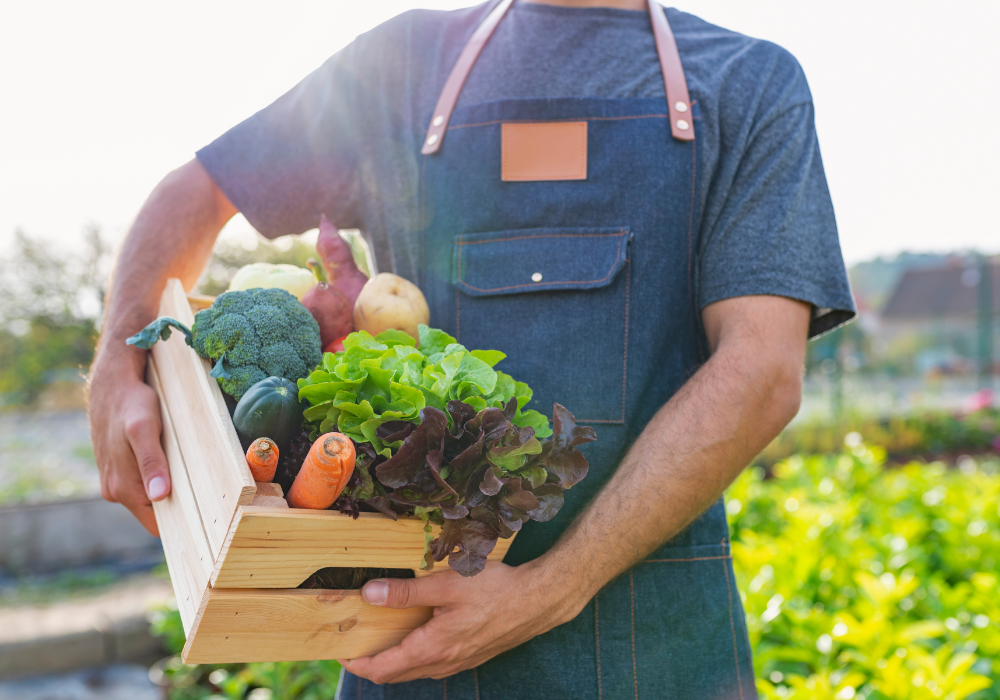
It’s easy to feel good about buying organic strawberries—until you realize they came from across the globe. Because organic farming is less common in many regions, a lot of organic produce is shipped in from far away. A 2022 study published by Ayesha Tandon for CarbonBrief found that global food transport accounts for nearly 20% of total food-system emissions, with fruits and vegetables contributing 36% of these emissions due to their refrigeration needs and weight.
This is especially true for out-of-season produce. Those perfect organic tomatoes in winter? They probably flew in from a different continent. While the growing methods might be better, the emissions from long-distance shipping can cancel out those benefits. Shopping local—even if it’s not certified organic—can sometimes be the more sustainable option. It’s not just how your food was grown, but how far it had to travel to reach your plate.
4. Certification standards for organic vary wildly across countries.
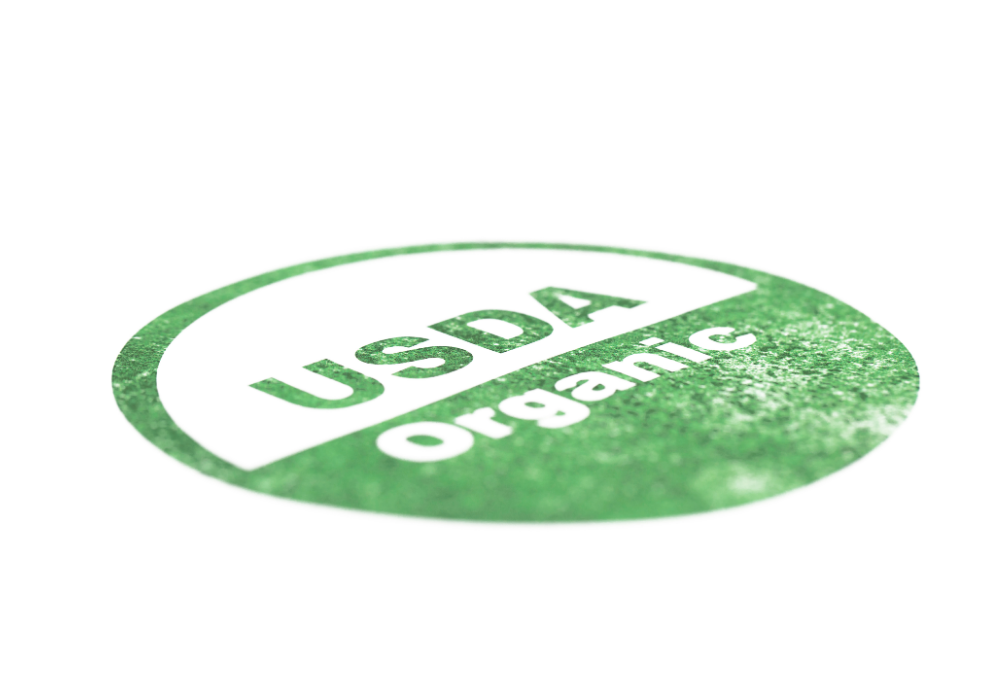
Not all “organic” labels are created equal. Depending on where the food is grown, the rules for what qualifies as organic can look totally different. In some countries, organic certification is strict and regularly inspected. In others, the standards are looser, and enforcement is limited or inconsistent. That means two products with the same “organic” sticker could have been grown under very different conditions.
This gets even more complicated when you’re buying imported foods. A product labeled organic in one country may still use methods or substances banned under another country’s standards. And most shoppers don’t have time to research every international label. That’s not your fault—but it does mean the organic label isn’t always the full story. Understanding where your food comes from and how the label is regulated can give you a clearer picture of what you’re actually supporting.
5. Organic dairy and meat can still have a big environmental footprint.
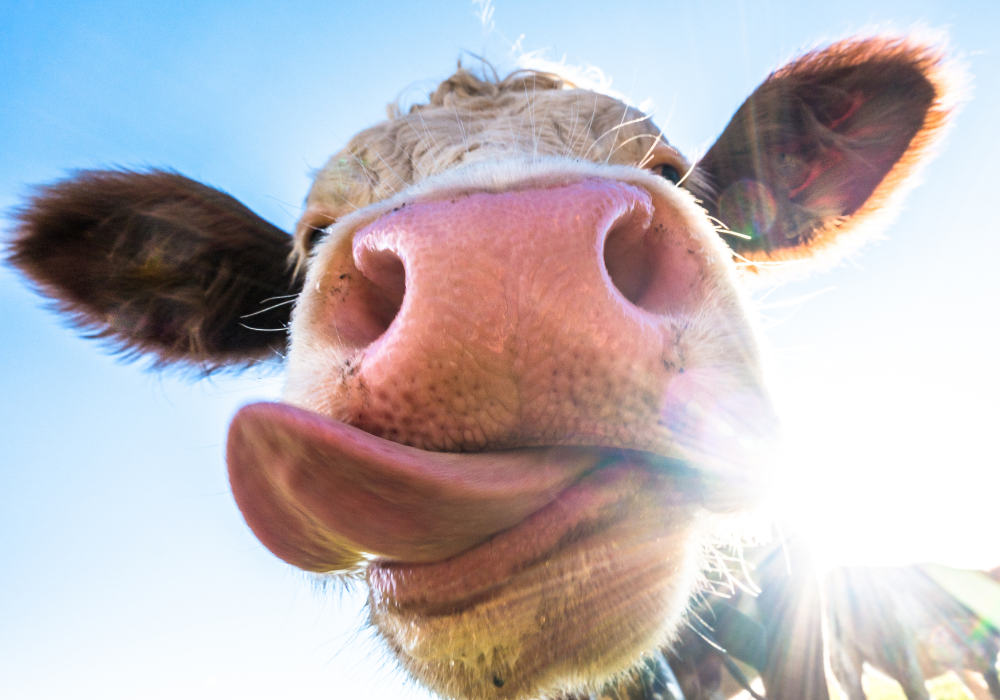
When it comes to animal products, “organic” usually means the animals were given organic feed, had access to the outdoors, and weren’t treated with hormones or antibiotics. That’s a step in the right direction for animal welfare—but it doesn’t erase the environmental impact of raising livestock. Organic cows still produce methane, use large amounts of water, and require significant land for grazing or growing their feed.
In some cases, organic livestock might even use more land than conventional methods, simply because they’re raised more slowly and require more space. The carbon emissions don’t magically disappear just because the process is organic.
Reducing how much meat and dairy you consume—organic or not—has a bigger climate benefit than just swapping to the organic version. It’s not about perfection, but about seeing the full picture of what goes into that gallon of milk or grass-fed steak.
6. Organic crops can require more water to grow.
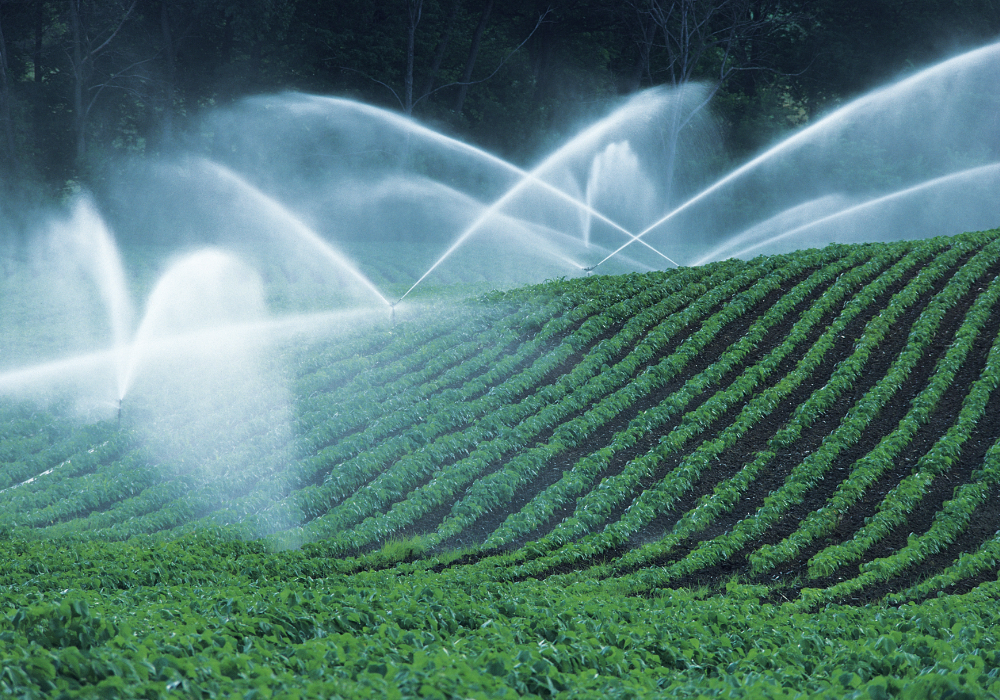
You might assume organic farming is automatically better for water use, but that’s not always the case. Without synthetic fertilizers and pesticides, some organic crops depend on more frequent watering or larger buffer zones to stay healthy and productive. That can lead to higher water use overall—especially in dry regions where every drop counts.
Certain organic methods do prioritize soil health and water retention, which is great. But when those techniques aren’t used—or when demand pushes farms to grow water-hungry crops in arid areas—organic can become surprisingly thirsty. For example, organic almonds or avocados grown in drought-prone places can still put a major strain on local water supplies. So while the label covers how something is grown, it doesn’t always reflect how responsibly water is used to grow it.
7. Organic certification doesn’t account for fair labor practices.
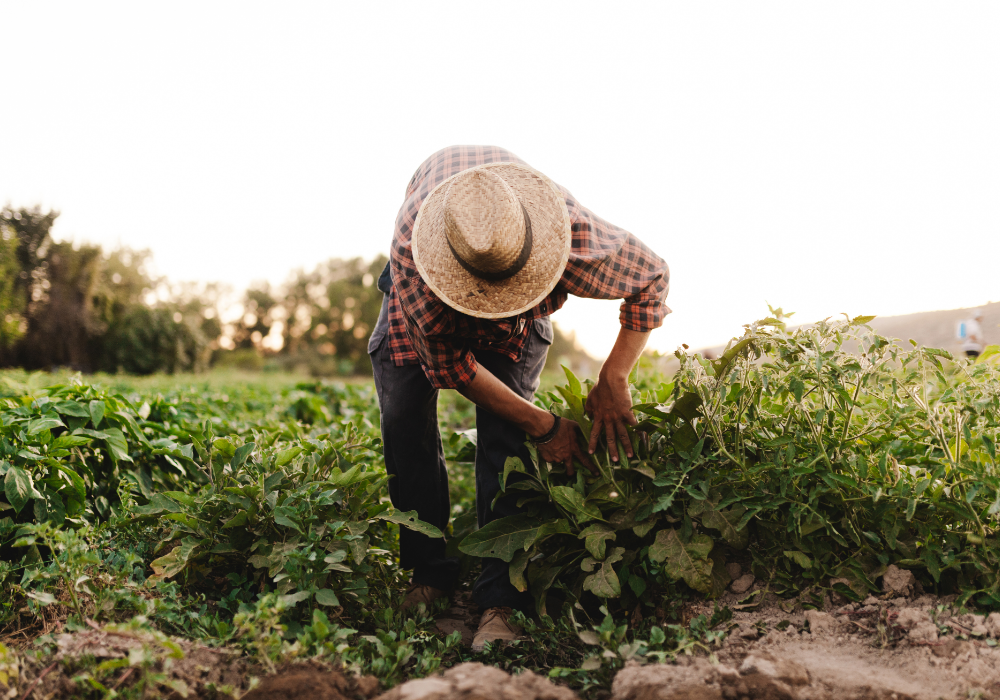
A product can be labeled 100% organic and still be produced by underpaid, overworked laborers. That’s because organic certification focuses on environmental standards, not social ones. Workers on organic farms don’t automatically receive better wages, safer conditions, or legal protections. In some cases, they face the same exploitation and hazards as workers on conventional farms.
This is especially true with large-scale organic operations or imported products. The organic label says nothing about who harvested your food or what they were paid. That disconnect leaves out a huge part of sustainability—people. If you care about the ethical side of food, looking for labels like Fair Trade or supporting small local farms directly can often make a bigger difference than simply going organic. Because sustainability should include everyone, not just the soil.
8. Higher prices don’t always mean a lower impact.

Organic groceries often cost more, and many people assume that extra price tag means they’re getting something that’s clearly better for the planet. But price isn’t always a reflection of sustainability. Sometimes you’re paying for certification fees, marketing, or long-distance shipping—not improved farming practices or lower emissions.
In fact, small local farms using sustainable methods may not be certified at all because the cost of certification is so high. They might be growing produce with just as much care—sometimes more—but without the fancy label.
So while organic can be a great option, it’s worth remembering that higher prices don’t automatically equal a lower footprint. Ask questions, get to know your local growers, and look at the bigger picture before assuming the most expensive item is the most sustainable one.
9. Some organic farms operate like industrial agriculture.
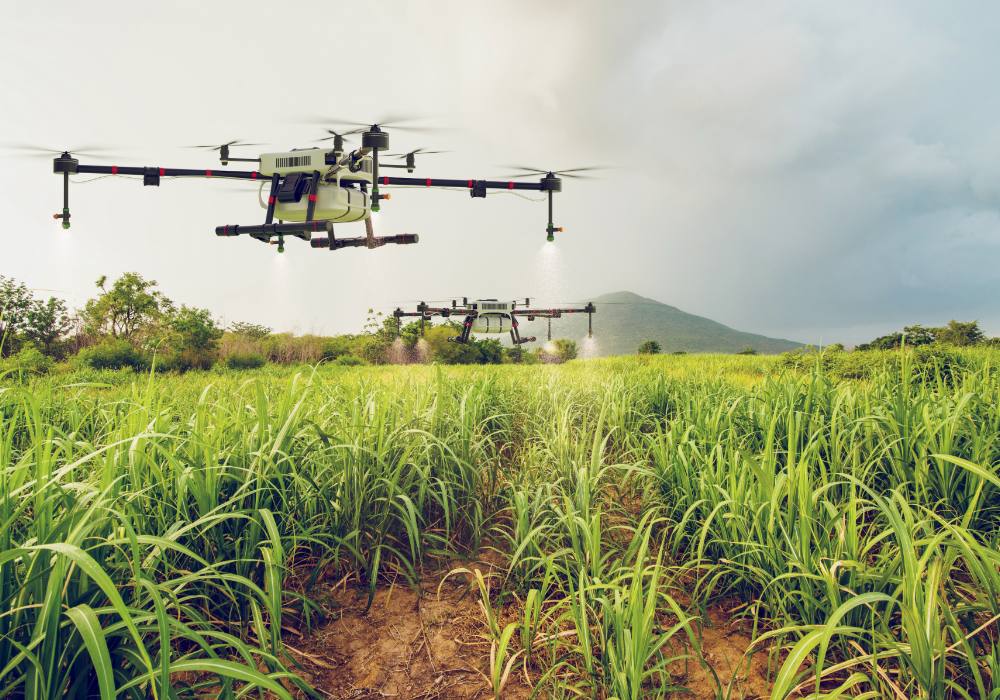
The image of an organic farm usually involves small plots, happy animals, and a diverse mix of crops. But the reality is that many organic products come from large-scale operations that look a lot like conventional industrial farms. Monocultures, heavy machinery, and massive distribution networks are still part of the process—just without synthetic chemicals.
These farms may meet organic standards, but that doesn’t mean they’re prioritizing soil regeneration, biodiversity, or climate resilience. Large operations often chase yield and scale, not long-term ecological health. That’s not to say they’re all bad—but it’s worth knowing that not all organic farming aligns with the values people associate with the label. Sometimes, small-scale or regenerative farms that aren’t certified are doing more for the planet than big-name organic brands.
10. Local and seasonal choices often have a lower footprint than organic ones.
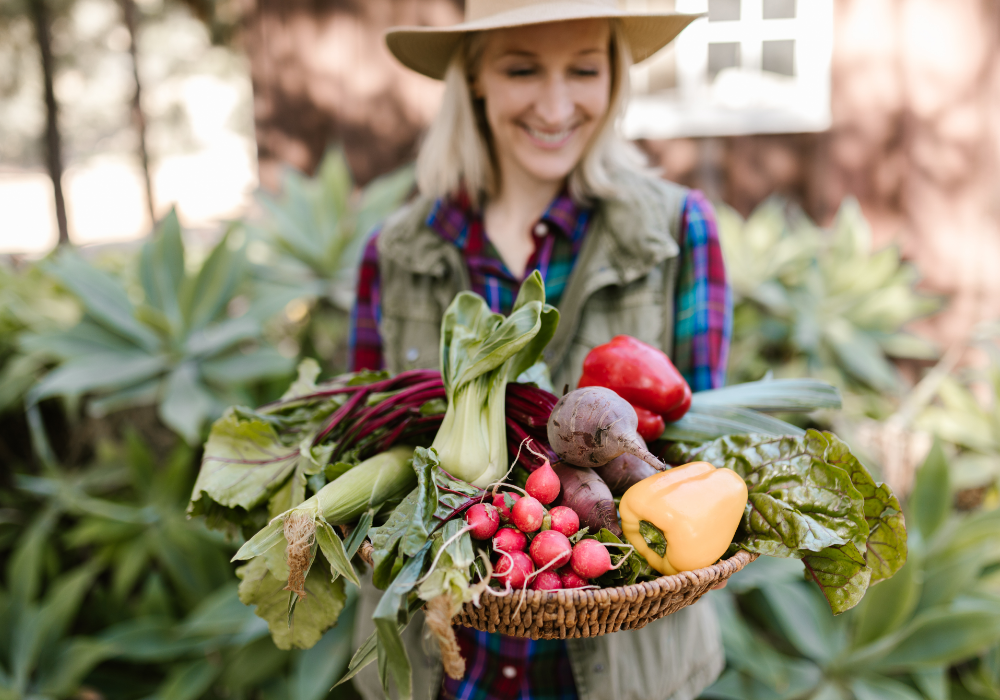
Eating what’s in season and grown nearby is one of the most effective ways to reduce your climate impact—often more than just choosing something with an organic label. Local foods travel shorter distances, require less packaging, and support regional farming systems. And seasonal produce is usually grown more efficiently, using fewer artificial inputs regardless of whether it’s certified organic or not.
That means a conventionally grown apple from your local farm stand in October might have a smaller environmental impact than an organic one flown in from another continent. The best-case scenario? Local and organic. But when that’s not available, prioritizing local and seasonal options still makes a big difference. The goal isn’t to follow one label blindly—it’s to make the most informed choice you can with what’s available.