
Archaeologists say the vivid artwork offers rare glimpses into daily life before Mount Vesuvius buried the city.
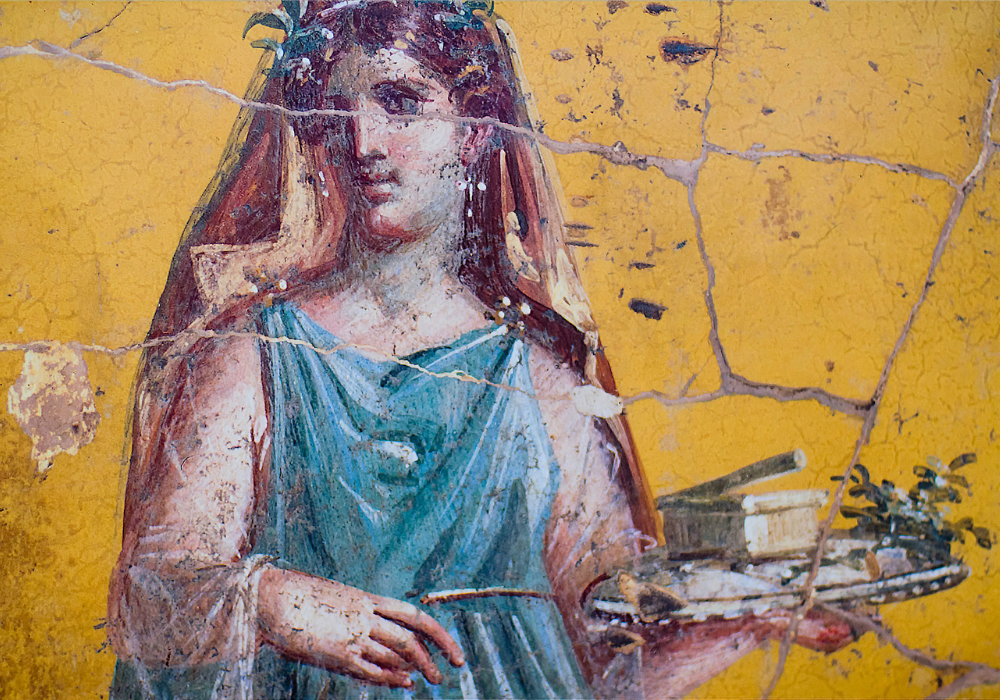
Recently, archaeologists in Pompeii uncovered extraordinary new frescoes that are rewriting our understanding of ancient rituals. Found in a banquet hall in Region IX’s House of Thiasus, these nearly life-size paintings date back to 40–30 BCE and depict secret initiation rites to the cult of Dionysus. Scenes of dancing and hunting maenads mirror the legendary Villa of the Mysteries frescoes—and yet are entirely new. The find offers unprecedented insight into the emotional and religious culture of the Mediterranean world and is being hailed as one of Pompeii’s most significant discoveries in a century.
1. The Frescoes That Stopped Archaeologists in Their Tracks
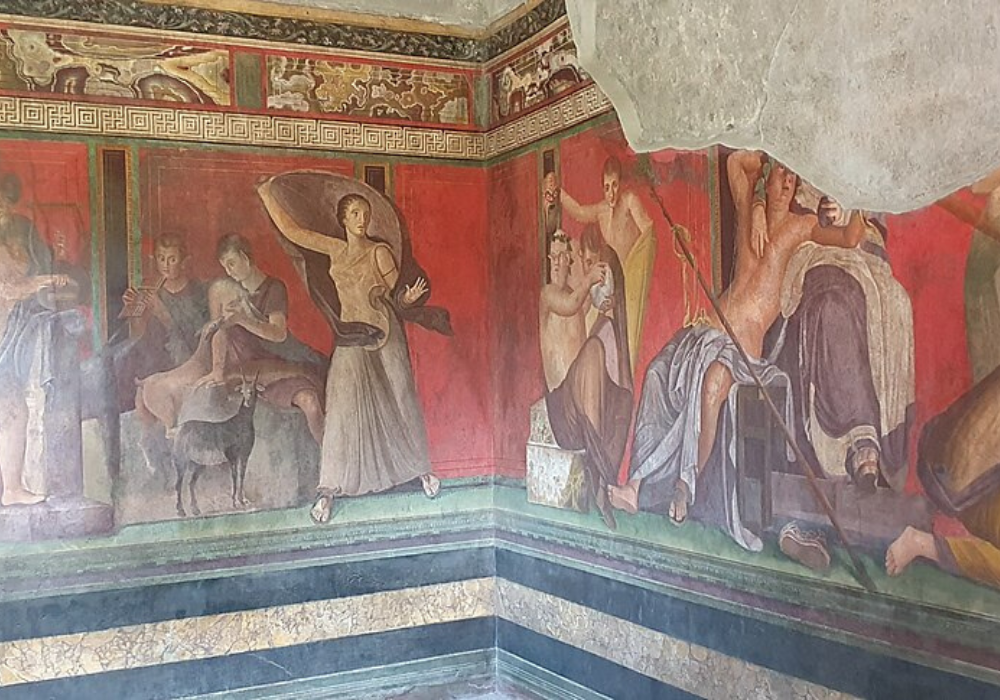
When the walls of the banquet hall were uncovered, researchers were stunned. Stretching nearly life-size across three walls, the frescoes are vivid, detailed, and almost eerily alive. Rarely do ancient paintings survive with this level of intensity and scale.
These massive murals, called megalography, seem to trap movement in stillness—figures caught mid-dance, mid-hunt, and mid-ritual. For archaeologists, it was like stepping into a room where time had been frozen at the height of Rome’s mysterious cult practices.
2. Dionysus Takes Center Stage in Secret Rituals
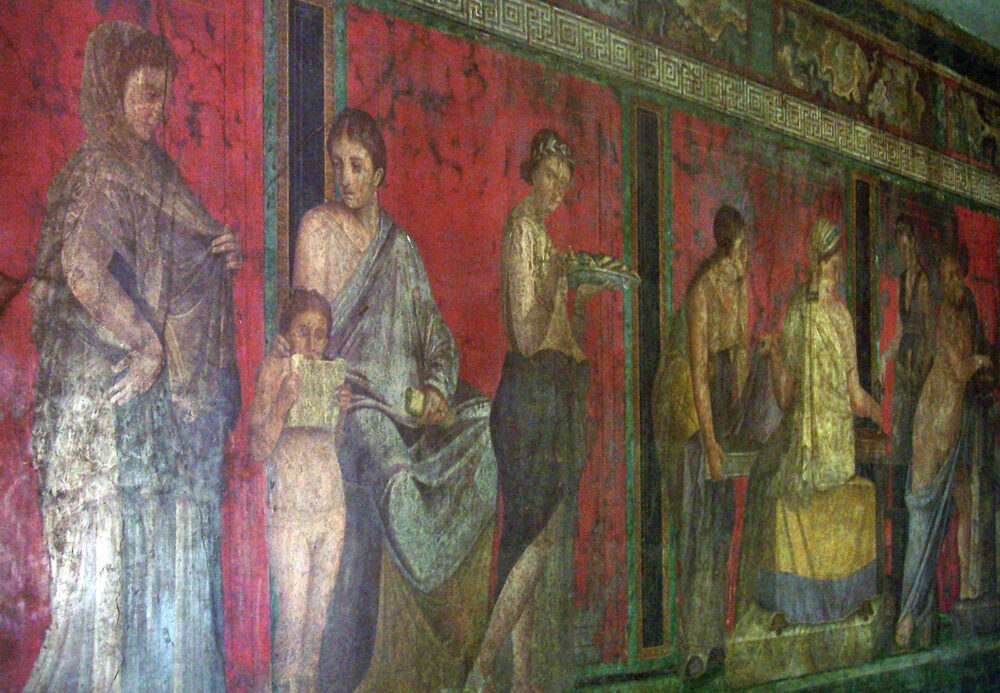
At the heart of the frescoes is Dionysus, the Greek god whose cult was infamous for wild celebrations and hidden rites. His followers—maenads and satyrs—are painted in dramatic scenes of dancing, drinking, hunting, and sacrifice.
The imagery reveals both the ecstasy and terror of ancient worship. Followers carry slaughtered goats, raise swords, or play music in honor of the god. This was religion with raw emotion, where wine, frenzy, and mortality collided in a ritual unlike any other in the Roman world.
3. Pompeii’s Answer to the Villa of the Mysteries

The new frescoes instantly invite comparison to the legendary Villa of the Mysteries frescoes, found over a century ago. Both date to the mid-first century BCE and both feature Dionysian initiation rites.
But this time, the artwork was discovered inside a private city residence rather than a lavish villa outside the walls. That difference is crucial—it shows that such cult imagery was not reserved for elites alone but penetrated the lives of urban Pompeii’s residents.
4. Buried Treasure in Region IX
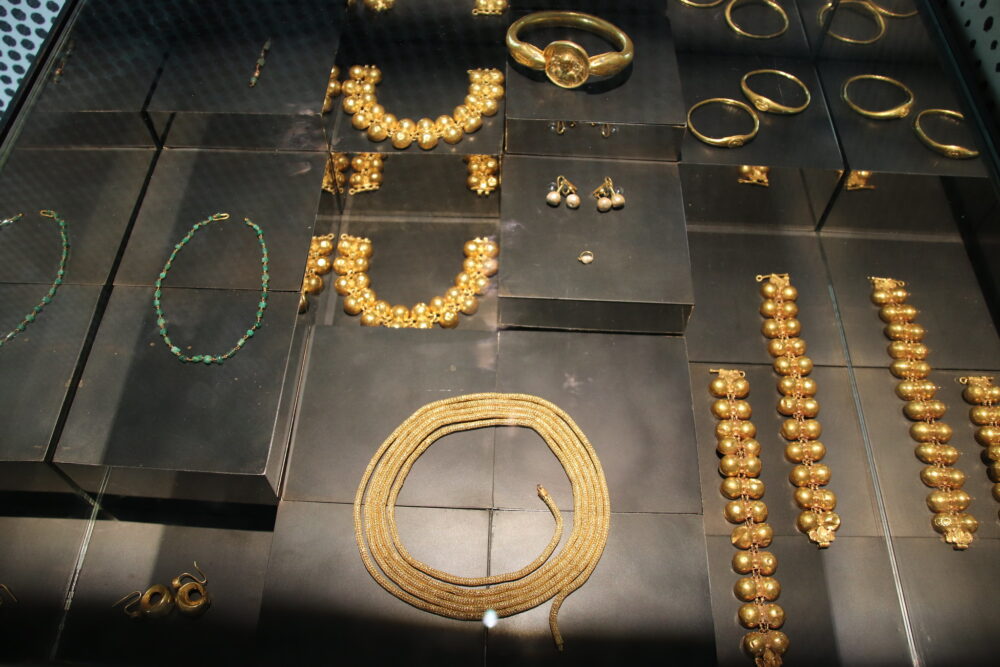
The find was located in Insula 10 of Region IX, one of the most active areas of excavation today. Since 2023, dozens of rooms have been uncovered here, each revealing stunning artwork, artifacts, and even glimpses of daily meals.
Adding the Dionysian frescoes to this mix makes Region IX one of Pompeii’s richest archaeological hotspots. It shows just how much of the ancient city still lies waiting beneath the ash, ready to surprise and reshape our understanding of Roman life.
5. Women Painted as Hunters, Not Just Dancers
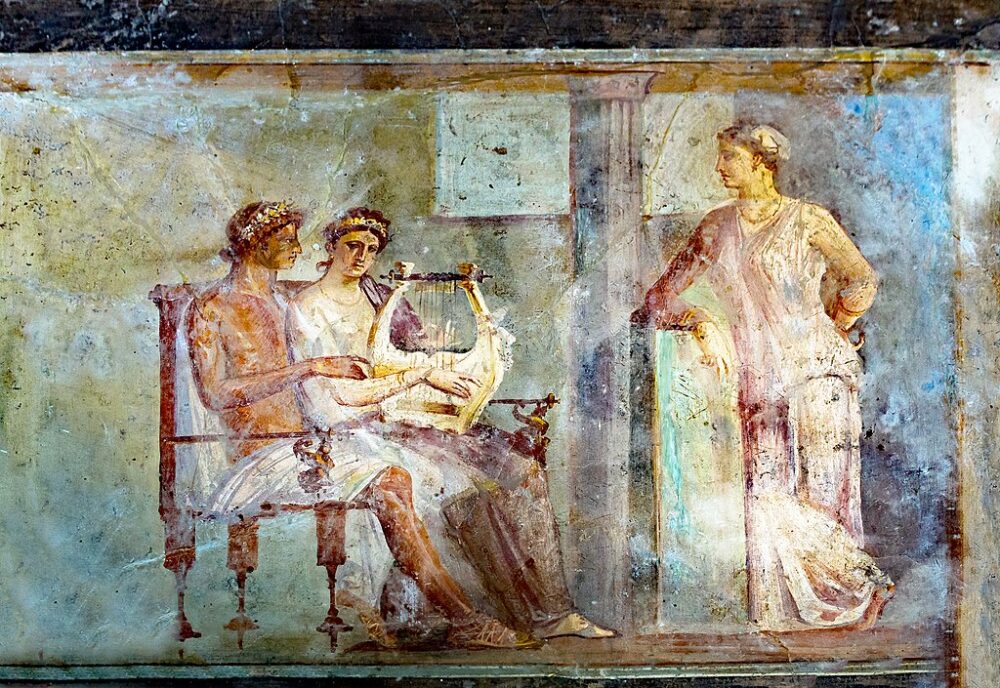
One of the most striking aspects of the frescoes is their portrayal of women. Maenads are shown not only dancing but also hunting—holding swords, carrying a goat carcass, and clutching animal entrails.
This fierce imagery challenges expectations of women in Roman art, where they were often passive or decorative. Here, they are active participants in sacred violence, embodying power and ferocity. It suggests the cult offered symbolic roles that upended social norms, at least within the space of ritual.
6. Animals Tell Their Own Story

Running above the main frieze is a smaller band of images showing boars, fawns, birds, and fish, some alive and some sacrificed. These details weave natural life and death directly into the ritual scene below.
The animals are more than decoration—they symbolize abundance, mortality, and the cycles of nature. Together with the larger frescoes, they create a multi-layered narrative where human ecstasy and sacrifice are inseparable from the natural world around them.
7. A Challenge to the Viewer’s Identity
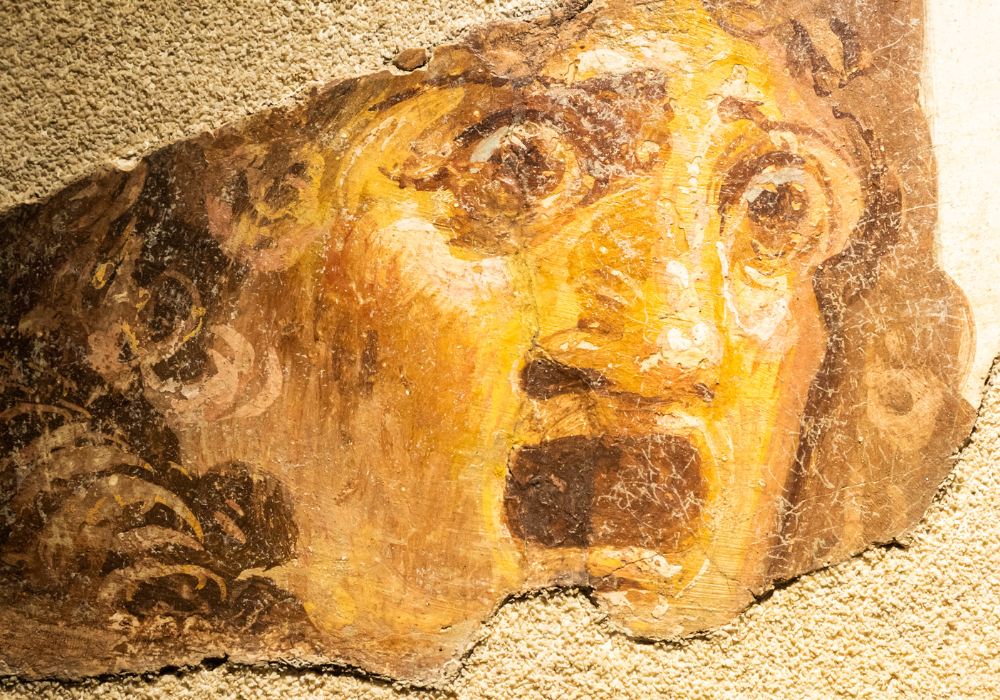
The frescoes aren’t just beautiful—they’re provocative. By depicting initiates as both hunters and prey, the paintings raise existential questions that would have confronted ancient worshippers.
Archaeologists suggest the art may have been designed to make viewers reflect on their own role in life’s struggles. Were they the pursuer or the pursued? The empowered or the powerless? These questions transcend time, giving the frescoes a psychological edge that still resonates today.
8. Officials Call It a Once-in-a-Century Find
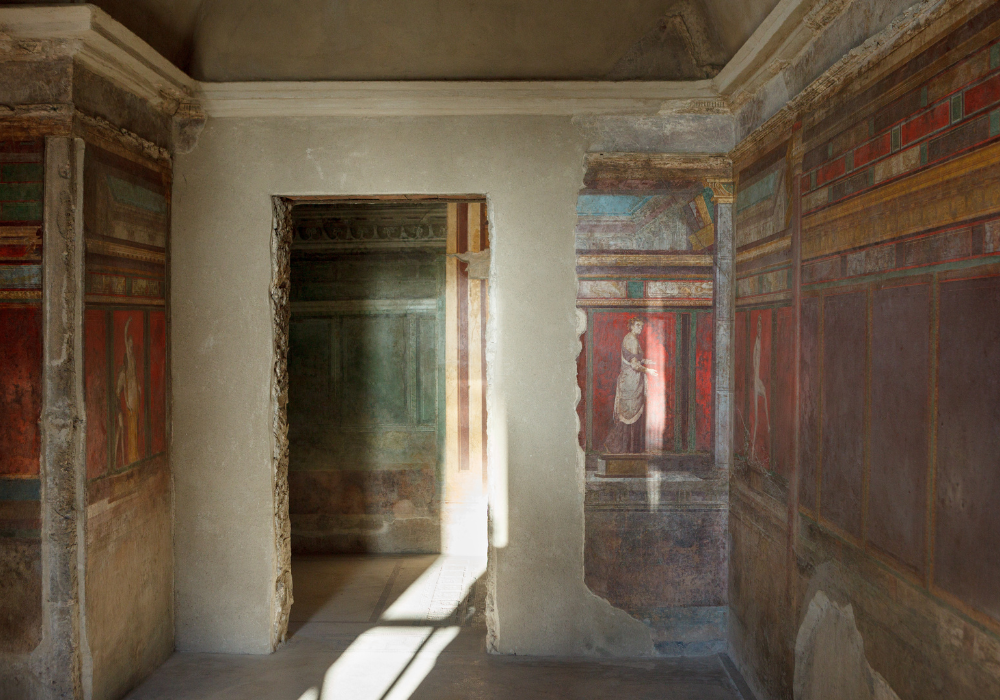
Italy’s cultural leaders have called the discovery one of the most historic in decades. They’ve placed it on the same level as the Villa of the Mysteries, underscoring how rare and valuable it is.
For Italy, such a find is not only a matter of science but also of national pride. Each major discovery in Pompeii adds to the site’s global prestige, ensuring millions of visitors continue to flock to see history unfold beneath their feet.
9. Part of a Wave of Incredible Discoveries
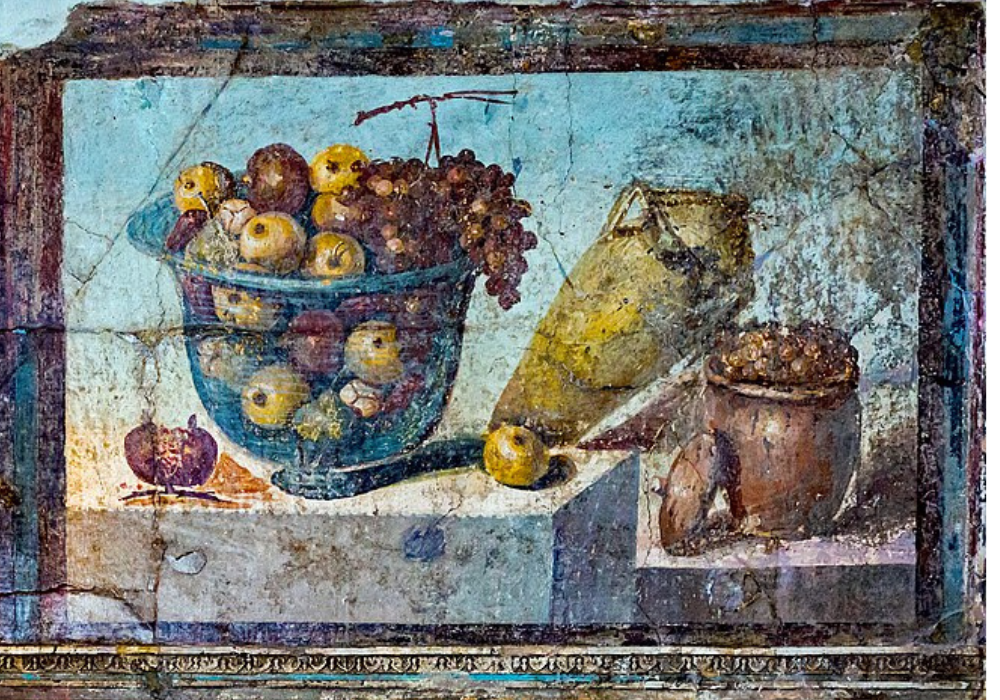
The Dionysian frescoes join a growing list of major finds from recent years—everything from mythological frescoes to humble food depictions and even signs of reoccupation after the eruption.
Together, they paint a fuller picture of Pompeii as a vibrant, evolving city rather than just a tragic snapshot. Each excavation adds more evidence that life here was colorful, complex, and deeply connected to both ritual and everyday pleasures.
10. Rediscovered Thanks to the Great Pompeii Project
The frescoes were uncovered as part of the Great Pompeii Project, a conservation initiative aimed at stabilizing ruins and preventing collapse. In the process, archaeologists stumbled upon some of the city’s greatest treasures.
This dual mission—preserve and discover—has paid off in ways no one imagined. The Dionysian frescoes are a reminder that careful conservation can also spark extraordinary new finds, linking modern science with ancient art in powerful ways.
11. A Rare Glimpse Into Secret Ancient Cults

Mystery religions like the cult of Dionysus thrived in secrecy, leaving little written evidence behind. That’s why these frescoes are so valuable—they are among the few visual records of what initiation may have looked like.
The paintings reveal the emotional weight of joining a cult that promised rebirth or transformation. For modern viewers, they offer a privileged glimpse into experiences that were once hidden from outsiders, reminding us of the diversity and intensity of ancient spirituality.
12. Soon Visitors Will See Them With Their Own Eyes

Plans are already underway to open the banquet hall of the House of Thiasus to the public. For the first time in two thousand years, visitors will be able to stand where Romans once stood and see the frescoes up close.
This will add a dramatic new chapter to Pompeii’s tourism experience. Rather than just ruins and fragments, visitors will encounter a vivid, immersive work of art that reveals the city’s spiritual and cultural depth in a way words alone cannot capture.