
Age-old wisdom offers a quiet antidote to today’s overwhelming pace.

In a world defined by constant notifications, looming deadlines, and digital overstimulation, the search for calm has never felt more urgent. Yet, the answers may not lie in new technology or modern self-help trends, but in the ancient breathing techniques practiced for centuries across diverse cultures.
From the rhythmic patterns of Pranayama in India to the measured stillness of Zen breathing in Japan, these time-tested methods offer more than relaxation—they provide a pathway to clarity, focus, and inner balance. For a generation struggling with burnout and anxiety, revisiting these ancient practices is more than a nod to the past; it’s a practical strategy for navigating the present.
These techniques, rooted in mindfulness and simplicity, hold the potential to restore the connection between body and mind—one breath at a time. Here’s how these age-old practices remain as relevant today as they were thousands of years ago.
1. Can breathwork unlock your body’s hidden energy?

Originating from ancient India, Pranayama isn’t just about breathing—it’s about controlling life force (or “prana”). These structured breathing techniques, which appear in yogic traditions, focus on balancing energy through conscious breathwork.
Practices like Nadi Shodhana (alternate nostril breathing) or Ujjayi (victorious breath) are designed to calm the nervous system, reduce anxiety, and sharpen mental clarity. Today, Pranayama’s benefits have been validated by modern research, with studies showing its effectiveness in reducing stress, improving focus, and even lowering blood pressure. This technique can help individuals struggling with anxiety or shallow breathing patterns restore a more natural way of breathing.
2. Clarity in every breath: Embracing Zen mindfulness.

Rooted in Japanese Zen meditation, this form of breathing emphasizes the power of presence. Practitioners are encouraged to focus on deep, even breaths that align with mindful awareness. Each inhale and exhale becomes a tool for grounding oneself in the present moment.
Unlike other breathwork practices, Zen breathing doesn’t rely on complex patterns. Its simplicity is what makes it powerful. In a culture where multitasking is celebrated, slowing down to focus on a single breath fosters calm and cultivates deeper awareness. Regular practice can help reduce anxiety and increase one’s capacity for patience in everyday life.
3. Qigong’s graceful movements create balance for body and mind.

A cornerstone of Traditional Chinese Medicine, Qigong is a practice that combines breath, slow movements, and focused intention to cultivate and balance the body’s energy (or “qi”). These flowing exercises are designed to synchronize breath with physical motion, promoting overall well-being.
Today, many find Qigong to be an effective form of moving meditation that enhances flexibility while easing stress, and research reported in the National Library of Medicine supports this. Its benefits include better balance, improved circulation, and enhanced mental clarity. Incorporating even a few minutes of Qigong into your daily routine can help combat the physical and mental toll of sedentary lifestyles.
4. Sama Vritti brings balance through equal breathing.

Also known as “box breathing,” Sama Vritti is another ancient yogic practice that focuses on creating symmetry between inhaling and exhaling. Each breath is counted to maintain an equal duration, typically for four counts in, four counts out.
This technique, often used by elite athletes and military personnel today, helps improve focus, regulate emotions, and create a sense of calm under pressure. Its structured nature makes it ideal for those looking to manage anxiety, reduce performance-related stress, or simply find a moment of calm in a chaotic day.
5. Can slowing your breath improve your overall health?

Developed by Ukrainian physician Konstantin Buteyko in the 1950s, this method focuses on reducing over-breathing or hyperventilation by encouraging slow, shallow breaths through the nose. It’s particularly popular among individuals managing asthma or other respiratory issues.
Buteyko breathing isn’t just for those with health conditions—its principles can help anyone enhance oxygen efficiency, improve focus, and lower anxiety levels. For modern individuals dealing with shallow, rapid breathing due to stress, this practice provides a science-backed way to restore natural breathing rhythms.
6. Harness your inner fire: The transformative power of Tummo breathing.
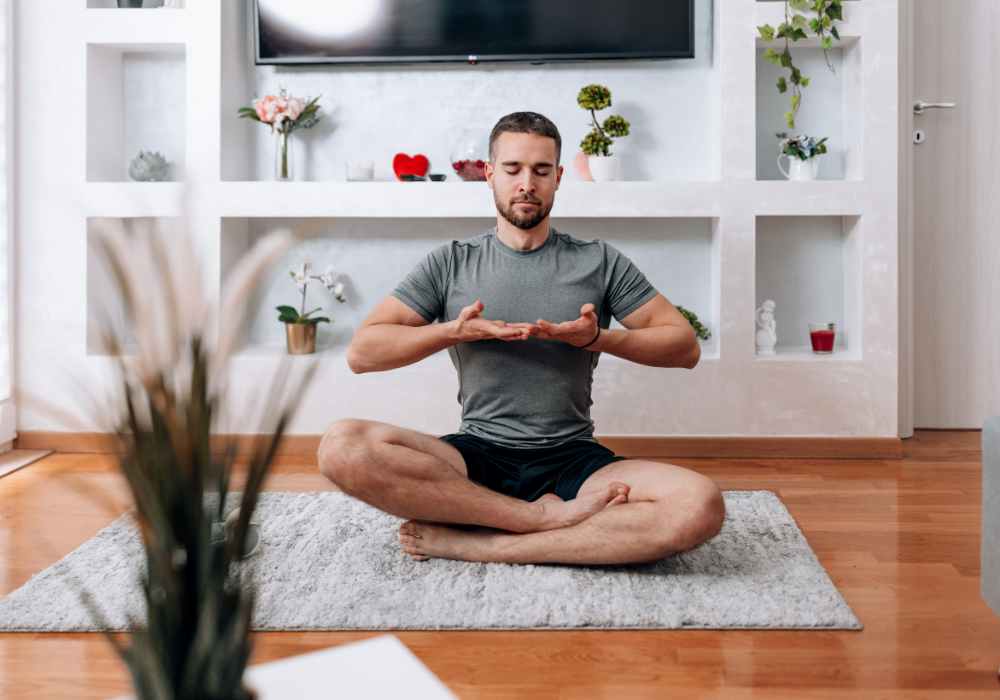
Originating from Tibetan Buddhist practices, Tummo breathing focuses on generating internal heat and mental clarity through intense breath control combined with visualization techniques. While the method is most famously practiced by Himalayan monks, its principles have gained modern recognition through practitioners like Wim Hof.
Tummo breathing challenges both mental and physical endurance. Studies suggest that the technique can improve cold resistance, boost focus, and increase energy levels. This technique can help individuals struggling with anxiety or shallow breathing patterns restore a more natural way of breathing.
7. Sufi breathwork unlocks a deeper sense of inner peace.
Sufi mystics have long used breath as a tool for spiritual awakening and inner transformation. Their breathing practices, often combined with chanting or meditation, focus on aligning the breath with the heart’s rhythm.
In modern contexts, Sufi breathing techniques can help foster emotional release and promote deep relaxation. By combining conscious breathing with mindfulness, practitioners often report a profound sense of peace and connectedness—qualities increasingly sought after in today’s fragmented world.
8. Rediscover the ease of natural breathing with diaphragmatic focus.
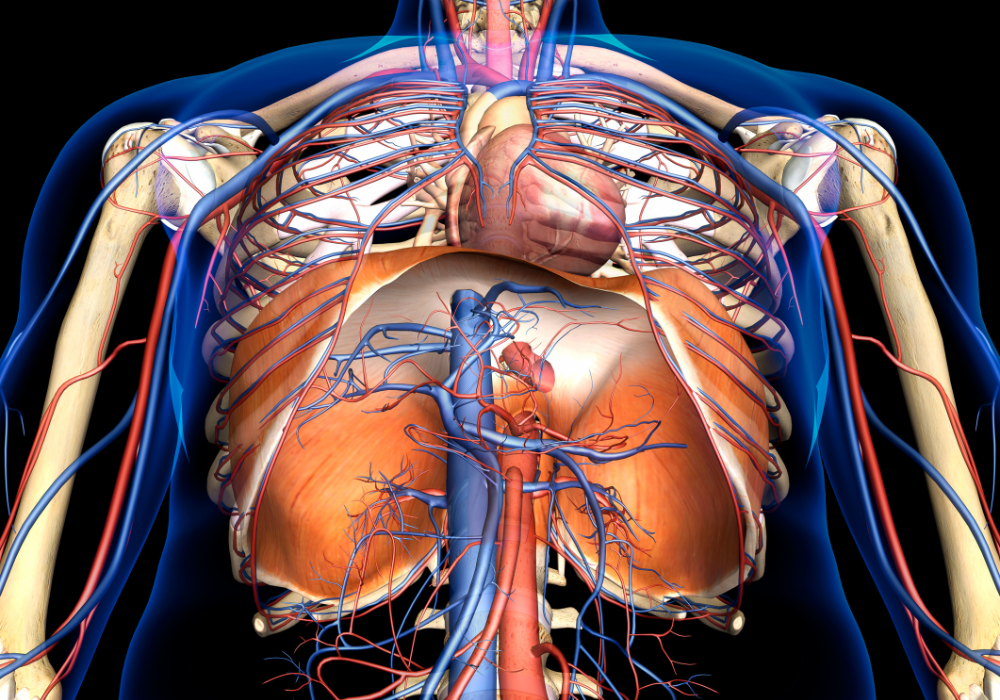
Also known as belly breathing, diaphragmatic breathing engages the diaphragm to promote deep, nourishing breaths. This technique is common in various ancient practices, including yoga and traditional singing disciplines.
This technique can help individuals struggling with anxiety or shallow breathing patterns restore a more natural way of breathing. Benefits include improved oxygen intake, reduced heart rate, and enhanced relaxation, making it particularly useful for those managing stress-related conditions.
9. Finding focus: How alternate nostril breathing resets your energy.

Often referred to as alternate nostril breathing, Nadi Shodhana is a specific Pranayama technique that aims to balance the body’s energy pathways. By alternating breaths between the left and right nostrils, practitioners bring harmony to the mind and body.
Research suggests that this practice can lower heart rate, reduce anxiety, and improve cognitive performance. This technique can help individuals struggling with anxiety or shallow breathing patterns restore a more natural way of breathing.
10. Why mindful breathing remains essential in a chaotic world.

Across cultures, the act of breathing has been revered as a bridge between the body and mind. While techniques may differ, the underlying message remains the same: mindful breathing fosters presence, clarity, and balance.
In today’s fast-paced world, incorporating mindful breathing techniques can significantly enhance mental clarity and physical well-being. By drawing on ancient wisdom, these simple practices offer modern individuals the chance to reclaim calm in an increasingly chaotic world.