
Scientists warn that land subsidence, combined with rising seas, threatens homes and infrastructure along the coast.
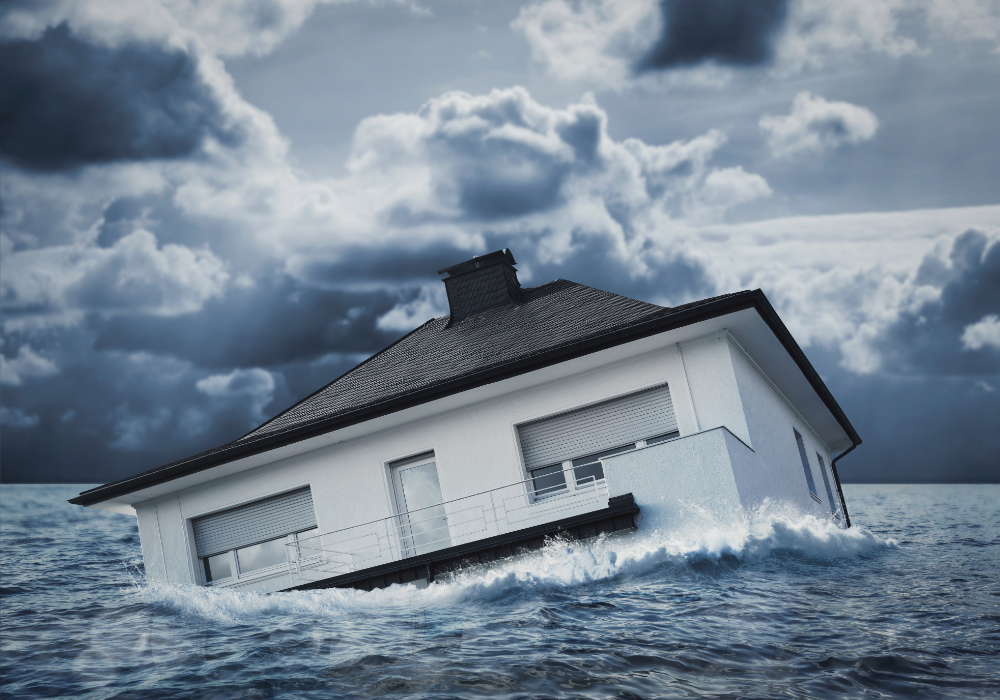
The East Coast is experiencing a concerning combination of rising sea levels and land subsidence (the gradual sinking or settling of the Earth’s land surface), leading to increased risks of coastal sinking. This gradual sinking results from both natural processes and human activities, intensifying flooding and erosion challenges. As storm surges grow stronger and infrastructure faces mounting pressures, communities need to grasp the causes and consequences of these changes to effectively plan and adapt for a more resilient future.
1. The East Coast faces rising sea levels due to climate change.
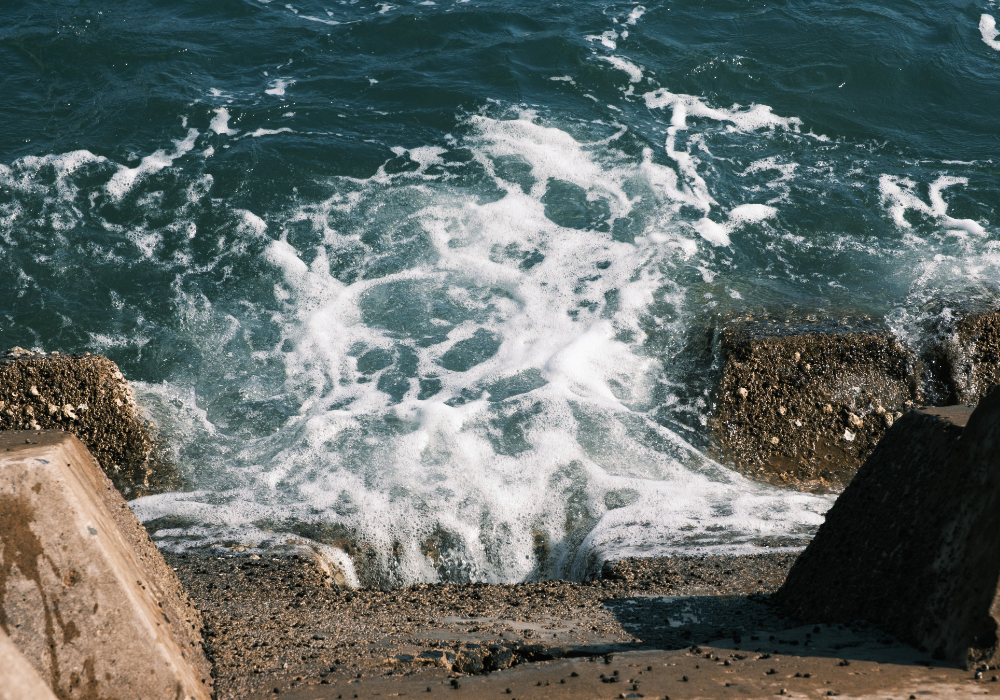
Rising sea levels, driven by climate change, pose a significant challenge for the East Coast. As glaciers and ice sheets melt, they contribute to higher oceans. In some places, the sight of encroaching tides is an almost daily reminder of evolving landscapes.
While sea levels rise globally, the East Coast faces unique challenges due to its geological structure and ocean currents. These factors accelerate changes in some areas more than others, which amplifies localized risks and demands tailored approaches to mitigate impacts effectively.
2. Land sinking worsens flooding risks along many coastal areas.
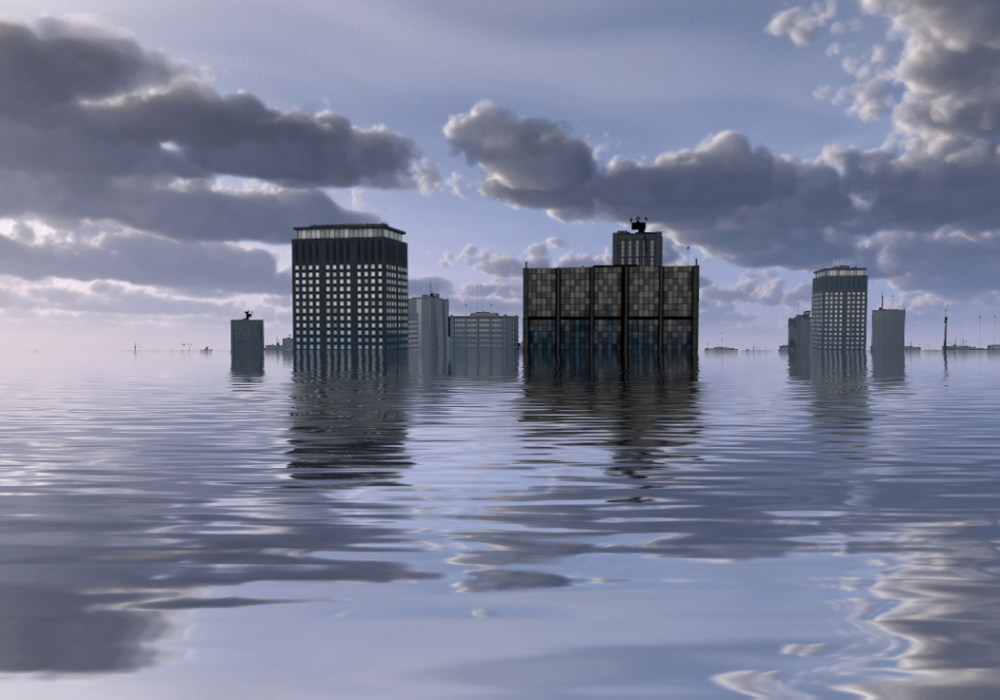
Land subsidence on the East Coast exacerbates flooding risks by lowering ground levels. This gradual sinking results mainly from human activities like groundwater extraction and natural compaction of sediments. In a community near a bustling estuary, these changes can feel disturbingly visible over time.
When sinking land combines with rising sea levels, the effects on coastal communities intensify. Floodwaters access previously safe areas, increasing the frequency of flooding during storms. High-tide flooding, once rare, becomes a persistent nuisance challenging everyday life in vulnerable regions.
3. Increased storm intensity adds pressure to already vulnerable shores.
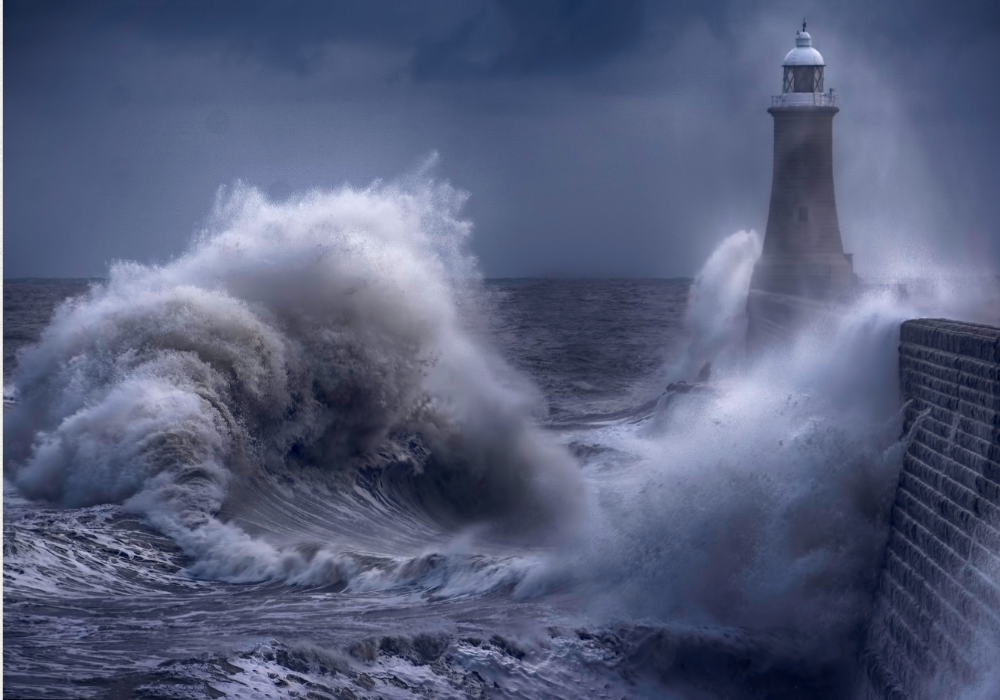
Intensified storms now target the East Coast with increasing frequency and power. Warmer ocean waters fuel stronger hurricanes, which introduce higher storm surges. Picture mighty waves hammering coastal defenses, leaving a stark reminder of nature’s force along every boardwalk.
These turbulent weather patterns place immense pressure on shorelines already battling erosion and subsidence. Coastal defenses such as dunes and levees struggle to absorb impacts from surging waters, emphasizing the need to consistently evaluate and upgrade protective solutions.
4. Coastal cities experience more frequent and severe tidal flooding.
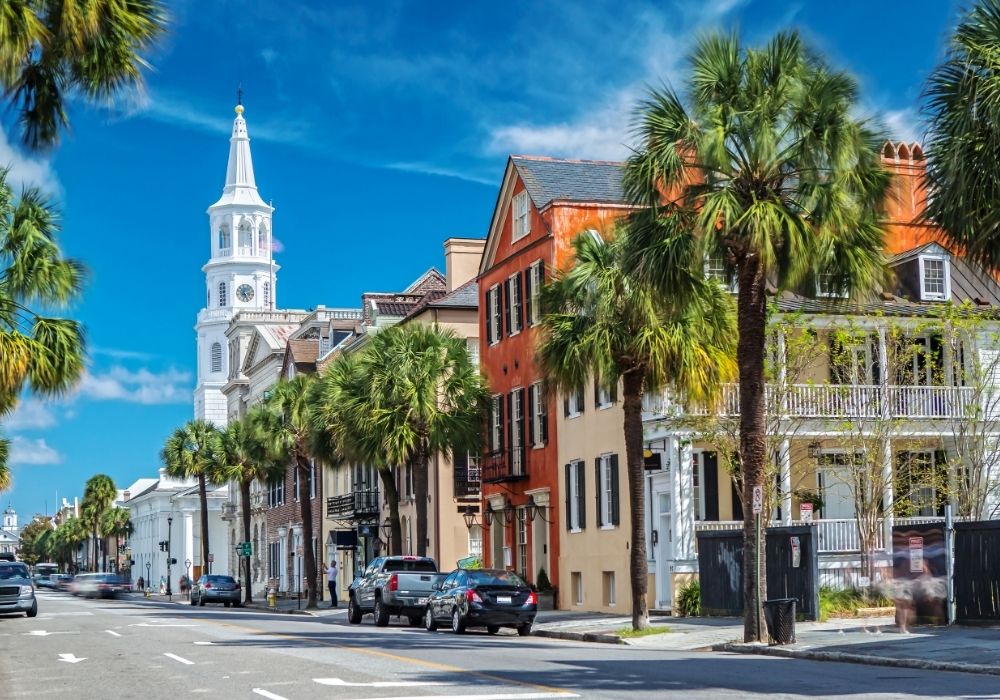
Tidal flooding, once considered a rarity in many coastal cities, has become a frustrating routine. These higher-than-normal tides can disrupt daily life, leaving waterlogged streets that resemble small rivers. In Charleston, navigating these watery pathways becomes part of the morning commute.
Increased occurrences of tidal flooding reshape urban planning and stress the urgent need for adaptable infrastructure. The predictable cadence of tides brings unpredictable challenges, demanding city planners consider both immediate solutions and long-term strategies to enhance urban resilience.
5. Infrastructure near the coast is at growing risk of damage.

Coastal infrastructure, from piers to power lines, faces increasing risks from rising waters and erosion. As the waves pound unyielding shores, roads and bridges display cracks and wear. A seaside highway enduring constant wave action is a testament to these incremental challenges.
Damage to such infrastructure has broader implications for local economies and safety. Disrupted transportation networks impact trade and access to essential services, necessitating robust evaluations and upgrades to withstand environmental shifts and preserve critical connections.
6. Natural barriers like wetlands help reduce the impact of floods.
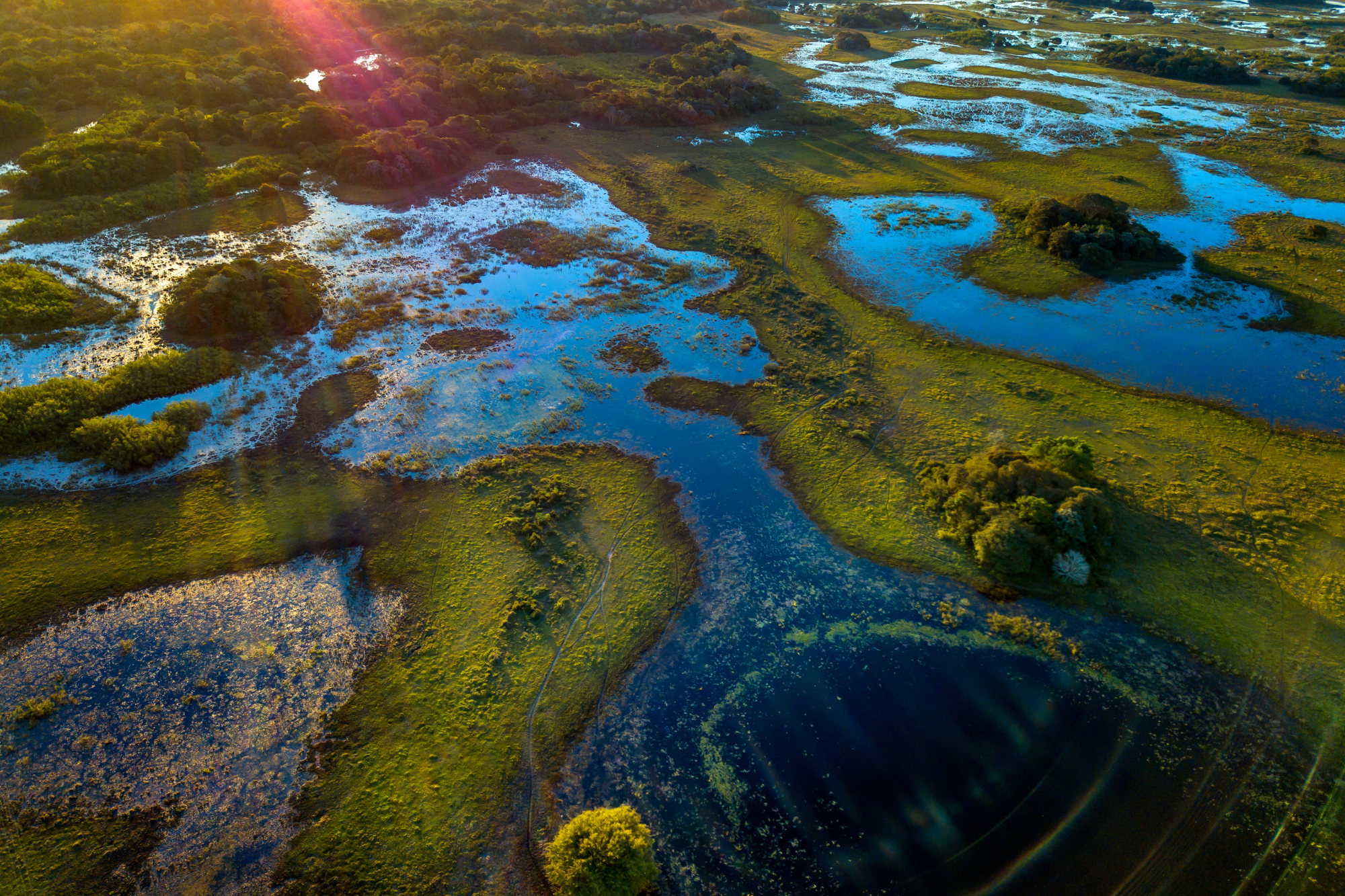
Wetlands and other natural barriers serve as the coast’s secret allies against flooding. These ecosystems absorb excess water and reduce storm energy, acting as nature’s buffer zones. A thriving estuary teeming with life demonstrates this unseen resilience.
Preserving and restoring these barriers strengthens flood defense while enhancing local biodiversity. A vibrant wetland not only provides critical flood protection but also becomes a haven for countless species, illustrating the multifaceted benefits of these natural systems.
7. Rising waters threaten freshwater supplies and local ecosystems.
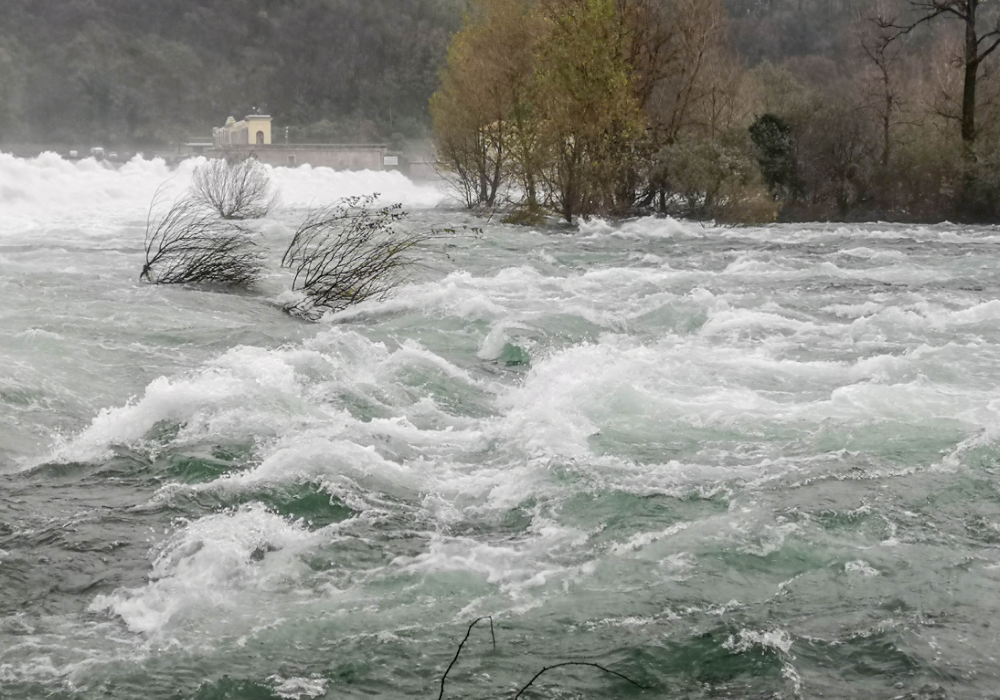
Encroaching sea levels threaten freshwater systems, impacting ecosystems and resources people depend on. Saltwater intrusions into aquifers and estuaries risk contamination. In regions like the Chesapeake Bay, plants and animals face precarious futures as habitats shift.
The delicate balance of ecosystems disrupts, affecting species distribution and human resource management. Communities must evaluate water supply security and consider sustainable practices to adapt to a presence of more saline water, maintaining a careful balance in an ever-changing environment.
8. Property values in flood-prone zones are becoming increasingly unstable.
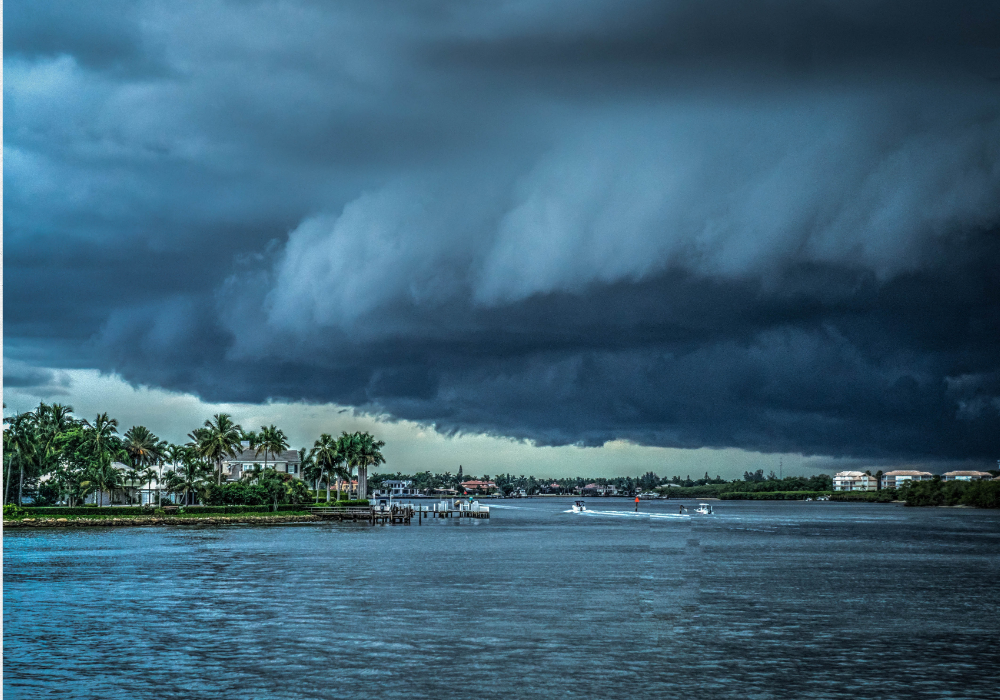
In flood-prone zones, property values fluctuate unpredictably as investors weigh risk. Potential buyers, wary of repetitive flood damage, rethink their choices. Viewing a “For Sale” sign on a once-desirable beach home triggers reflections on economic factors altered by environmental change.
Shifts in real estate values reflect broader apprehensions about future safety and financial stability. As owners and buyers navigate shrinking options, these market dynamics inform public policies and adaptation strategies to manage evolving settlement patterns.
9. Communities are adopting new building codes for better resilience.
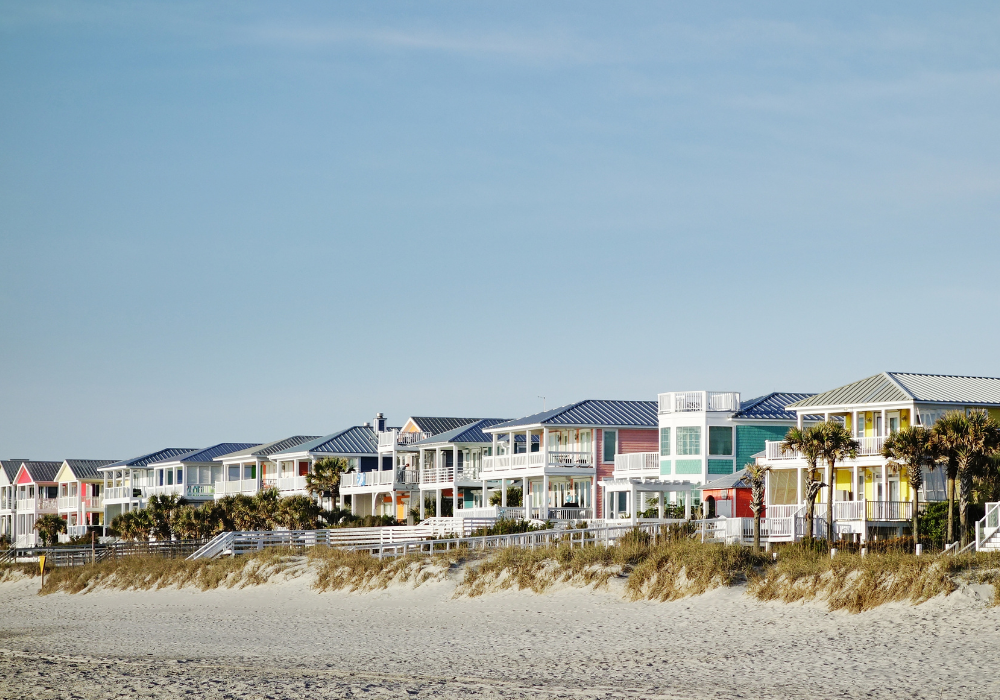
Communities along the East Coast are revising building codes to foster resilience against flooding and environmental changes. Elevations and materials are reconsidered, with new projects often fortified for future challenges. Imagine homes raised on stilts, a bold architectural statement for a safer tomorrow.
Adopting updated codes improves disaster preparedness, which offers communities sustainable pathways to thrive amid shifting landscapes. These changes symbolize their commitment to proactive planning, ensuring neighborhoods can withstand environmental shifts while maintaining vibrant, safe spaces.
10. Insurance costs are rising as risks become harder to predict.

Insurance costs near coastlines climb as unpredictable risks complicate assessments. The cost of coverage spikes when historical data falls short in predicting future events. Certain waterfront homeowners, once content with manageable premiums, now face daunting financial burdens.
Dynamic environments challenge traditional underwriting, prompting insurers to rethink long-term strategies. As risk parameters shift with climatic changes, financial models adapt, reflecting the realities of insuring properties in vulnerable areas while emphasizing the importance of comprehensive risk evaluation.
11. Long-term planning efforts focus on adaptation and sustainability.

Long-term planning focuses on adapting communities to sustainable practices and environmental changes. Authorities emphasize resilience by integrating adaptive measures into urban development. Urban planners infuse landscapes with abundant natural elements, envisioning cities as green fortresses against rising tides.
Planning initiatives balance immediate protective needs with sustainable visions for future growth. Proactive adaptation ensures not just survival but thriving urban environments, blending resilience with livable features that accommodate both people and the ever-shifting earth.
12. Public awareness about sinking risks varies widely across regions.

Awareness of sinking risks varies greatly across East Coast regions. Some communities, frequently tested by floods, engage actively in precautionary measures. In contrast, others remain relatively uninformed, continuing familiar routines to the rhythm of calm, undisturbed summers.
This disparity in awareness influences development decisions and local policies. Highly informed areas might pioneer adaptive solutions, while regions less attuned to risks might struggle with sudden consequences. Bridging this awareness gap is essential for cohesive regional planning.
13. Collaboration between governments and scientists is essential for solutions.

Efforts to counter coastal sinking call for cooperation between governments and scientists. Effective solutions emerge through shared insights and technologies. Picture a bustling conference where experts exchange data, crafting strategies to fortify coastlines against relentless tides.
This collaboration accelerates innovation, informing development of policies and practical measures. Addressing complex environmental challenges requires syncing knowledge of varied disciplines, fostering partnerships that blend scientific rigor with political will. Such synergy underpins comprehensive, effective responses.