
Brace yourself for colder, crazier seasons as scientists warn of more polar vortex surprises ahead.
A powerful atmospheric force may be shaping your next five winters—and it’s not going away anytime soon. The polar vortex, a high-altitude pocket of icy air that swirls around the Arctic, has been making more frequent and forceful visits to the U.S. in recent years.
Scientists warn that climate shifts are destabilizing this once-contained system, allowing frigid air to spill southward and trigger extreme cold events across North America. But what does that mean for your local forecast—and your future winters? Will the coming seasons bring prolonged cold snaps, heavier snowfall, or wild weather swings?
New research offers compelling clues. As meteorologists track shifting patterns and long-range models, a clearer picture is emerging—one that may influence how we prepare for winter for years to come. Here’s what the polar vortex could bring to your doorstep through 2030.
1. The polar vortex isn’t new—but its behavior is becoming more extreme.
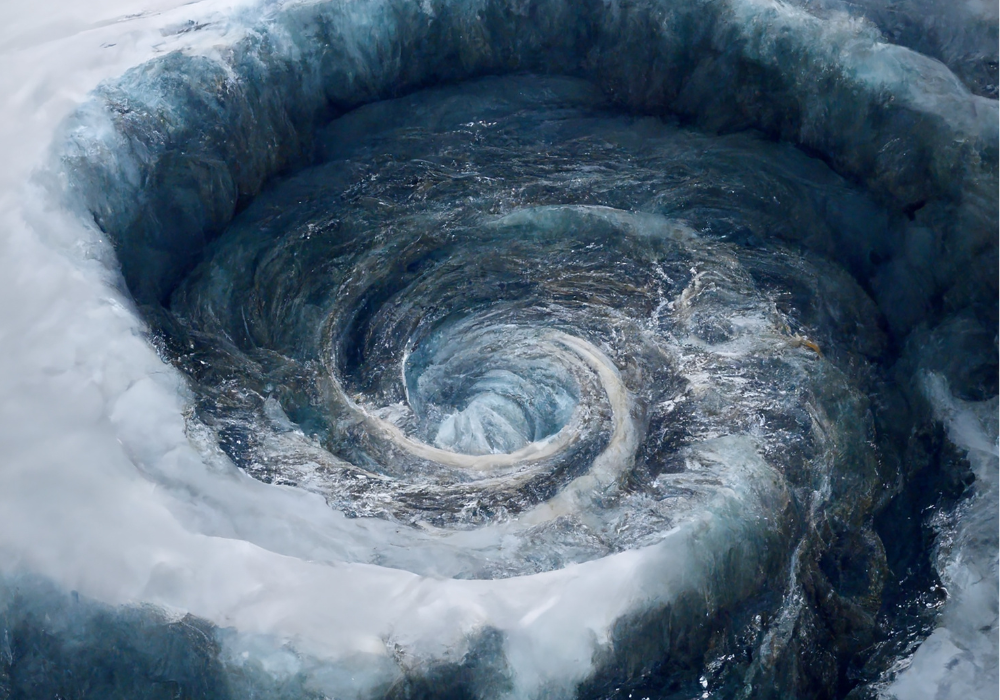
The polar vortex has always been a fixture of Arctic weather, circling the North Pole in the upper atmosphere. But lately, it’s acting out of character. What used to be a stable ring of cold air has started to wobble and weaken more often, spilling icy air into the U.S. and Europe.
These disruptions, often triggered by sudden stratospheric warming events, are becoming more frequent. NOAA climatologist Dr. Amy Butler explains that when the polar vortex weakens, it opens the door for Arctic air to invade mid-latitudes. That means more deep freezes where they were once rare.
If you’ve noticed winter weather becoming both colder and more chaotic, the polar vortex’s increasing instability is a likely culprit. And scientists say this trend could continue as global temperatures rise, further straining atmospheric systems.
2. Arctic warming is weakening the vortex’s natural boundaries.
The Arctic is heating up much faster than the rest of the planet—a phenomenon called Arctic amplification. This rapid warming reduces the temperature difference between the Arctic and mid-latitudes, which weakens the jet stream that helps confine the polar vortex.
A sluggish jet stream tends to meander, creating large dips and bulges that allow frigid air to escape southward. This weakened boundary not only lets Arctic air intrude but also makes cold snaps last longer in affected regions.
A 2024 report from the National Snow and Ice Data Center says this breakdown in atmospheric balance is already impacting North American winters. States like Texas and Tennessee, which typically see mild winters, are increasingly at risk of disruptive cold events. Arctic amplification is no longer a distant concern—it’s a force already reshaping winters across the map.
3. Sudden stratospheric warming events could become more frequent.

Sudden stratospheric warming (SSW) events—rapid temperature spikes high above the North Pole—can split or weaken the polar vortex, triggering brutal cold outbreaks. In January 2021, such an event led to a widespread freeze across the U.S., culminating in the Texas power crisis.
While SSWs used to occur every other year on average, some models suggest they may become more common due to climate instability. These upper-atmosphere phenomena can take weeks to influence surface weather, but when they do, the impact is severe and far-reaching.
Dr. Judah Cohen, director of seasonal forecasting at Atmospheric and Environmental Research, has tracked patterns through his AO/PV blog. He writes that this winter saw multiple “stretched PV” events—elongated vortex configurations—as opposed to stable circular forms. If that trend holds, we could see more winters where one mild week is followed by a historic freeze. That unpredictability makes long-term planning—and staying warm—more complicated than ever.
4. Winters in the South may grow colder while the North stays milder.

It sounds counterintuitive, but the South could feel the sting of the polar vortex more often than the North in coming years. When the jet stream dips low, it brings Arctic air deep into the southern U.S.—places unaccustomed and ill-prepared for prolonged freezes.
Meanwhile, some northern areas may experience warmer-than-average winters due to blocked Arctic air or alternating patterns like El Niño. This imbalance could make energy planning and agricultural schedules more difficult across multiple regions. Georgia and Mississippi, for instance, saw record-breaking lows during recent vortex disruptions, while parts of the Dakotas experienced relative warmth.
That kind of split may become the new normal. According to climate researcher Dr. Jennifer Francis, Arctic changes can bring unexpected outbreaks of cold to areas not typically known for harsh winters. And for residents of the South, that could mean more ice than ever before.
5. Energy grids will be tested again—and possibly pushed to failure.
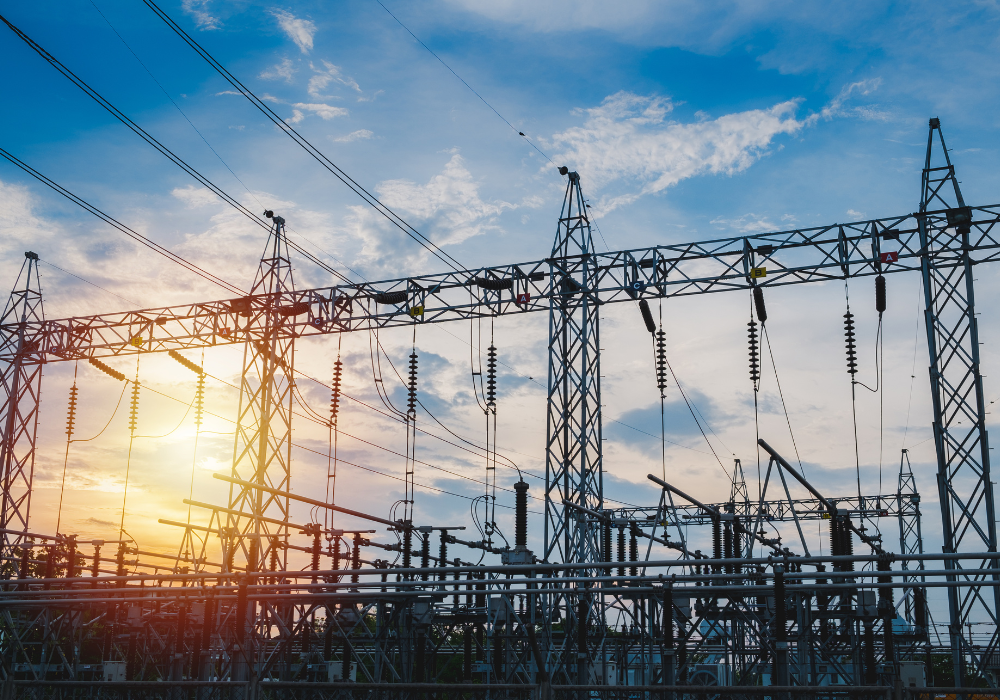
The polar vortex doesn’t just bring cold—it brings stress to aging infrastructure. During the 2021 Texas freeze, millions lost power as energy systems failed to handle the prolonged Arctic blast. That event, caused by a disrupted vortex pattern, was a warning. With similar cold events projected in the coming winters, utilities across the U.S. may again find themselves unprepared.
Most energy grids were designed based on historical norms, not the new volatility brought by a changing vortex. A 2023 study by the U.S. Department of Energy concluded that much of the southern grid remains vulnerable to future deep freezes.
If more winters include surprise cold snaps—especially in areas that don’t usually winterize—the risk of outages, water shortages, and emergency conditions will grow. Preparedness now could prevent another cascade of failures in the years ahead.
6. Snowfall patterns may shift dramatically—both in timing and totals.
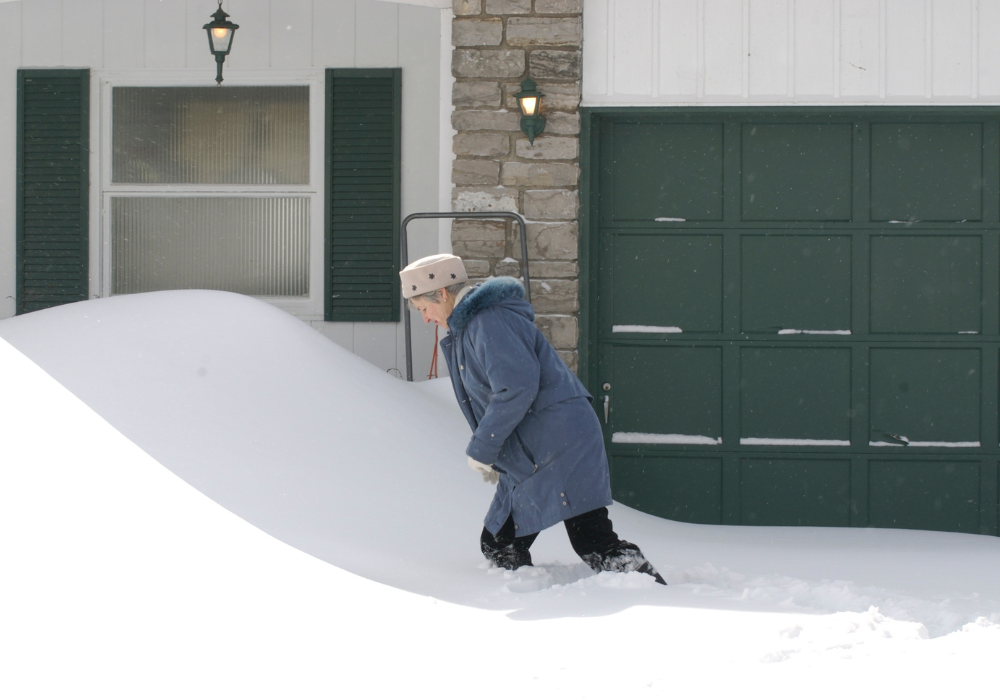
A wobbly polar vortex doesn’t just influence temperature—it can upend snowfall expectations. Some areas may see snow earlier than usual, while others might face dry Decembers followed by snow-packed Marches. The timing of the vortex’s disruption plays a huge role.
If it weakens in late December, it can amplify holiday storms; if it breaks down in February, it can fuel late-season blizzards. Total snowfall amounts may also increase in some areas as cold air collides with moisture-rich systems. But other regions could see less snow and more freezing rain, as temperatures hover near the melting point.
A study from the University of Illinois found that variable vortex activity contributed to more erratic snow events across the Midwest and Northeast. It’s no longer safe to assume when—or how much—snow will fall. Flexibility and better forecasting will be essential.
7. The jet stream is losing its rhythm—and taking predictability with it.
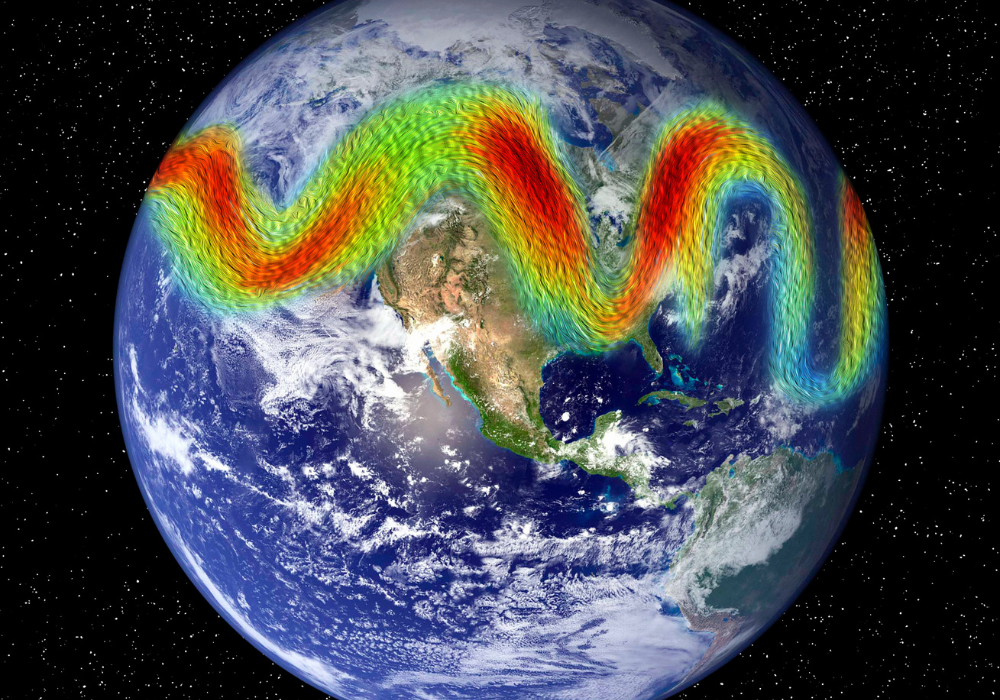
The polar vortex and the jet stream are closely linked, and as the vortex destabilizes, the jet stream becomes increasingly erratic. Normally, the jet stream acts as a weather highway, guiding storms and keeping Arctic air corralled. But when it slows or loops unpredictably, it allows cold air to stall over certain regions while warm air surges into others.
This causes sharp contrasts and extended periods of abnormal weather—think multi-week cold spells or sudden warmups followed by deep freezes. Meteorologists are finding it harder to forecast beyond a few days because of these changes.
Jeff Berardelli, chief meteorologist at WFLA Tampa, has observed that recent changes in the jet stream have made its patterns more difficult to predict than in the past. As we enter a new era of winter forecasting, flexibility and responsiveness may replace long-term accuracy in planning.
8. Climate change is adding chaos—not consistency—to winter weather.
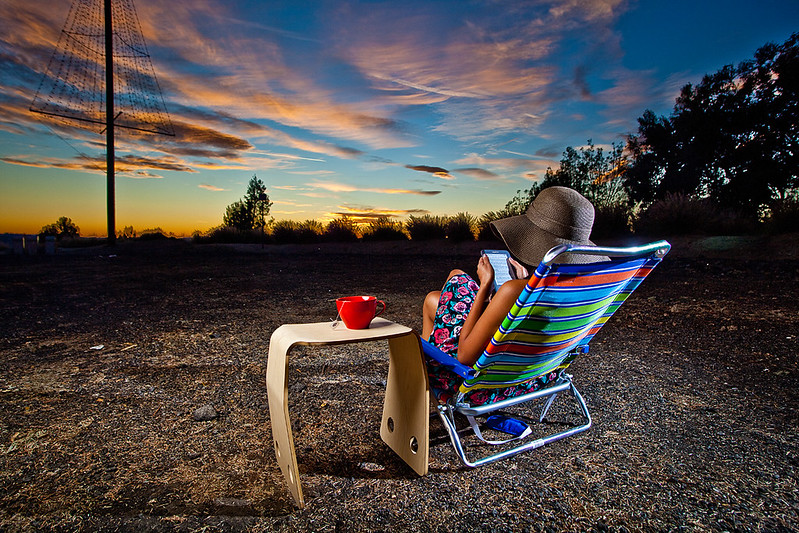
While it might seem that a colder winter means climate change isn’t happening, the opposite is often true. A warming planet is destabilizing the systems that traditionally moderated winter. The polar vortex is just one victim of this imbalance. As climate change weakens Arctic boundaries and fuels atmospheric disruption, winters may flip-flop between record highs and lows.
These dramatic swings can be harder on ecosystems and economies than consistent cold. For example, unseasonal warm-ups can trigger early blooming in plants, followed by freezes that kill crops. Transportation systems and public safety protocols also struggle with unpredictable freeze-thaw cycles.
Climate change isn’t canceling winter—it’s scrambling it. And as long as greenhouse gas emissions climb, experts expect winters to remain turbulent and challenging in ways we’ve never seen before.
9. Western states could see fewer cold snaps—but more snow when it comes.

Out West, the polar vortex’s influence is more indirect, but still significant. As atmospheric patterns shift, these regions may experience fewer traditional cold snaps—but when snow does fall, it could be heavier and wetter. This is due to warmer Pacific air colliding with Arctic air masses displaced by the vortex.
The result? Massive snowstorms that dump several feet at once, even in areas that normally see modest accumulations. California’s Sierra Nevada, for example, saw record-breaking snow in 2023 after a prolonged dry spell. These weather whiplashes strain everything from snowplows to reservoirs.
The Western Regional Climate Center says the combination of warmer ocean temperatures and polar disruptions may supercharge storms for years to come. So while temperatures may trend milder overall, the West isn’t off the hook—it’s just dealing with winter’s wild side in new ways.
10. Coastal regions aren’t immune—they’re just vulnerable in different ways.

Think living near the ocean will shield you from polar vortex chaos? Think again. Coastal areas may avoid deep freezes, but they face other challenges when the vortex destabilizes. Stronger nor’easters, icy windstorms, and cold rain events can slam the Eastern Seaboard when Arctic air meets Atlantic moisture.
These conditions can be just as disruptive as inland blizzards, especially when coupled with power outages and flash freezes. Boston and New York, for example, have both experienced paralyzing storms linked to vortex events. Coastal infrastructure, often designed for milder winters, may not stand up to these new extremes.
Rising sea levels and storm surge only add to the risk. As weather systems intensify, even moderate winter storms can inflict serious damage. The takeaway for coastal residents? You may not freeze, but you’ll still need to prepare for a more volatile winter season.
11. Outdoor industries must adapt to unpredictable cold weather swings.
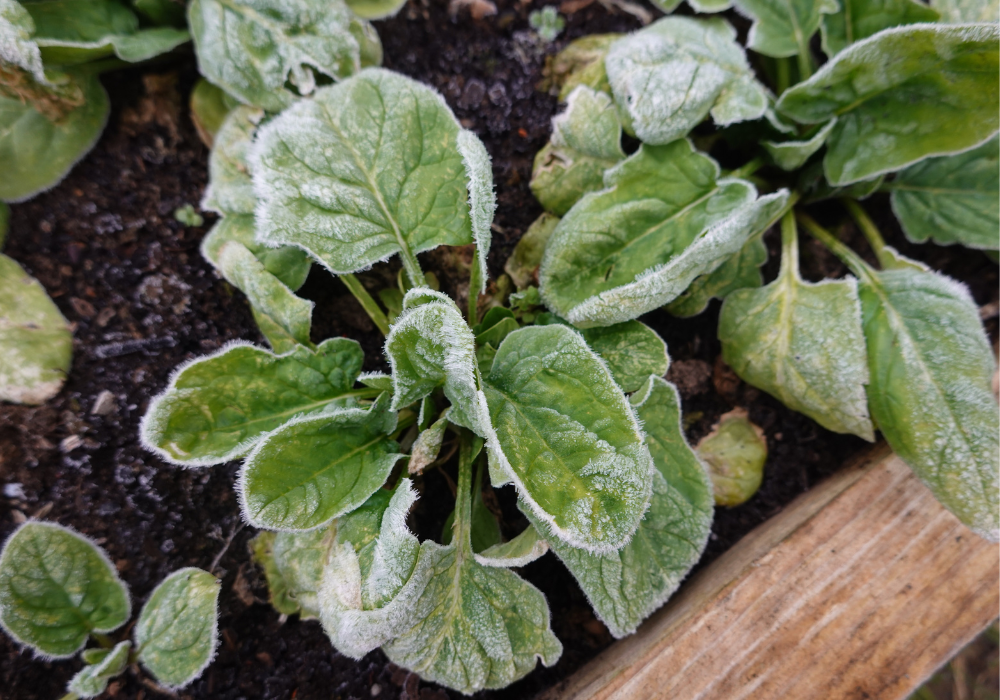
From farming and fishing to construction and tourism, industries that depend on stable seasonal weather are being forced to adjust. The polar vortex’s growing influence introduces uncertainty into winter calendars, which can upend planting schedules, delay building projects, and hurt ski resorts that rely on consistent snowfall.
A December thaw followed by a February deep freeze can spell disaster for vineyards or maple syrup producers. The outdoor recreation industry, especially in mountainous regions, has seen abrupt closures from both lack of snow and avalanche-prone storms. According to the American Meteorological Society, long-term planning is becoming riskier across climate-sensitive sectors.
Business owners are increasingly relying on short-range forecasting, flexible staffing, and climate-resilient infrastructure to stay afloat. If vortex disruptions continue over the next five winters, we may see widespread changes in how industries operate through the cold season.
12. Experts agree: adaptation is essential as winters grow more erratic.

While researchers still debate how much the polar vortex is being shaped by climate change, few disagree on the consequences: winters are becoming more erratic. Whether you live in the snowy Midwest or the subtropical South, extreme cold is more likely to make surprise visits.
That means cities, industries, and individuals must adapt. Dr. Michael Mann, a climate scientist at the University of Pennsylvania, has discussed how traditional patterns of winter weather are breaking down due to climate change. He emphasizes that adapting to these new and unpredictable conditions will be essential in the coming years. That includes weatherproofing homes, updating energy infrastructure, and improving forecasting communication.
It also means rethinking how we plan everything from transportation to emergency response. If the next five winters mirror the chaos of recent years, being prepared won’t just be wise—it’ll be necessary for resilience in an increasingly unstable world.