
NASA’s earliest astronaut hopefuls faced extreme tests, medical experiments, and psychological trials few people today know about.
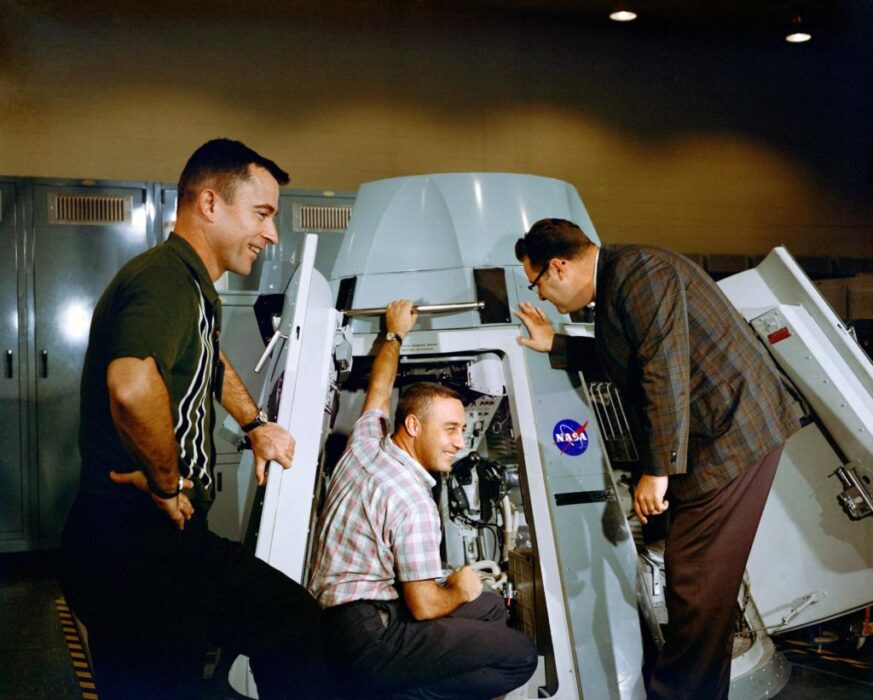
During the height of the Space Race, becoming an astronaut was far more grueling than the glamorous Mercury and Apollo missions made it seem. NASA required candidates to survive punishing physical tests, invasive medical procedures, and psychological evaluations designed to push the limits of human endurance. Many of these trials came from military aviation research and early space-medicine studies, which were still experimental in the late 1950s and 1960s. These intense requirements helped shape the astronauts who carried the United States into orbit and eventually to the Moon.
1. Only Elite Test Pilots Were Considered
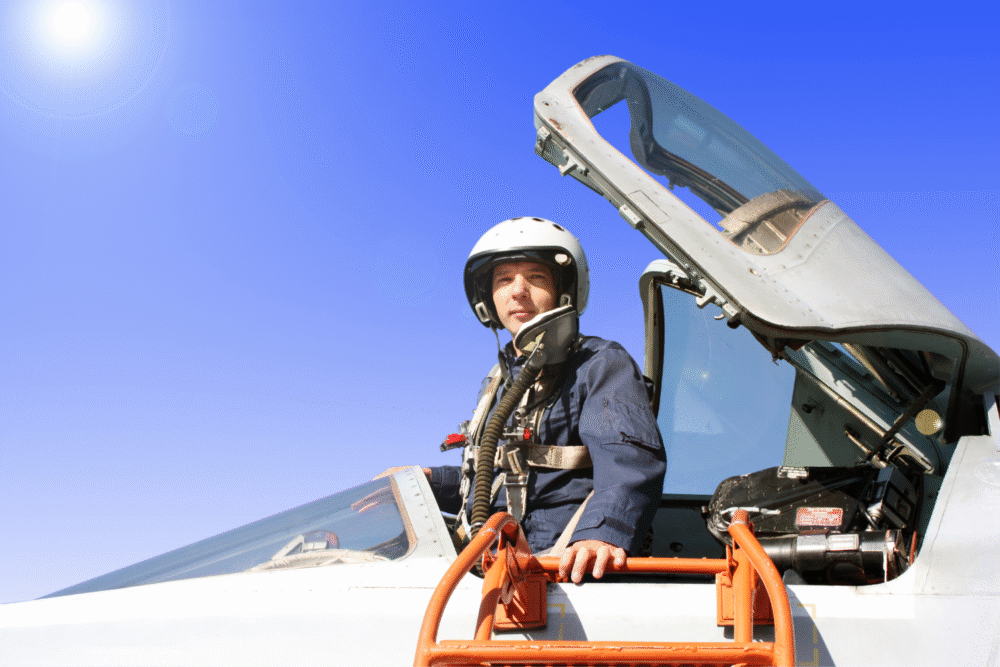
NASA chose its first astronauts almost entirely from military test pilot programs. Candidates needed extensive experience flying high-performance jets, mastery of emergency procedures, and proven ability to remain calm during life-threatening situations. These pilots routinely pushed aircraft to their limits, giving NASA confidence in their precision and discipline.
The agency believed early spacecraft demanded exceptional reflexes and unwavering composure. With unknown risks ahead and no historical data to rely on, NASA prioritized individuals already accustomed to extreme pressure, rapid decision-making, and operating within unforgiving environments.
2. Medical Tests Were Invasive and Exhaustive
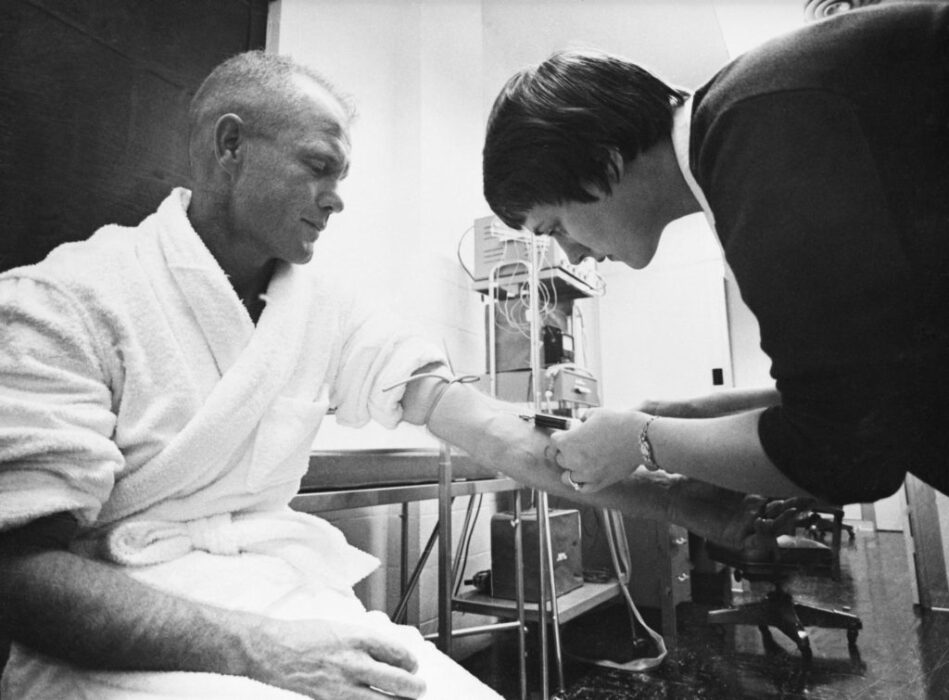
Candidates at the Lovelace Clinic faced more than 30 procedures, including cardiovascular tests, X-rays, equilibrium studies, and invasive exams such as catheterizations and enemas. Physicians examined everything from lung capacity to metabolic function, recording detailed baseline data for each participant.
Space medicine was still in its infancy, so NASA sought to understand every possible physiological variable. By collecting comprehensive measurements, doctors aimed to predict how the human body might react to weightlessness, radiation exposure, and the intense stresses of space travel.
3. Sensory-Deprivation Tanks Tested Mental Stability
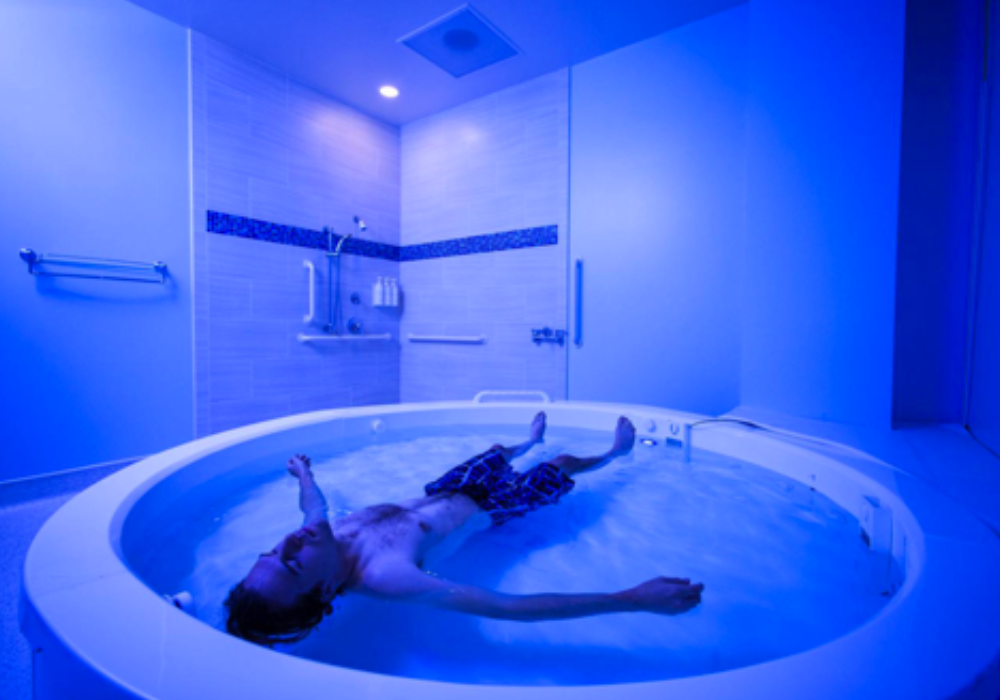
Astronaut hopefuls spent hours floating in silent, pitch-dark isolation tanks. Without sound or visual input, some experienced distortions in perception or brief hallucinations as the brain struggled to interpret the lack of stimuli. These reactions helped evaluators measure psychological resilience.
NASA used these sessions to assess how individuals might perform during long periods of quiet, confinement, and monotony in space. Candidates who remained calm, focused, and mentally steady under sensory deprivation were considered better suited for the demands of early missions.
4. Motion Machines Pushed Their Physical Limits
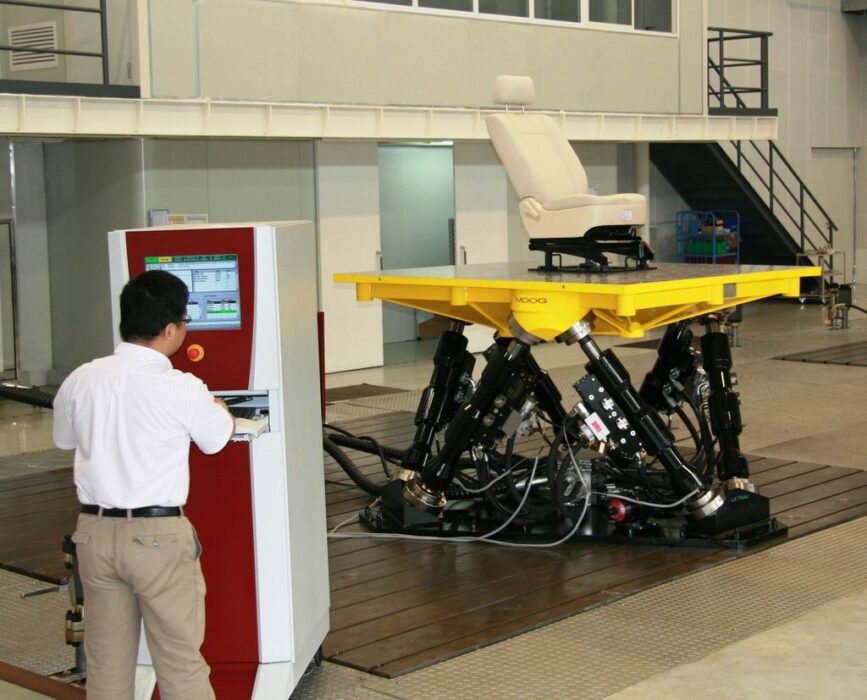
Training devices such as spinning chairs and multi-axis simulators intentionally induced vertigo and disorientation. Candidates were expected to recover quickly, maintain awareness, and continue performing assigned tasks despite the discomfort and confusion.
These exercises helped NASA measure tolerance for chaotic motion, which was common during launches, reentries, and spacecraft maneuvers. Those with strong resistance to motion sickness and rapid recovery times demonstrated the physical adaptability required for early spaceflight environments.
5. Thermal Chambers Simulated Extreme Environments
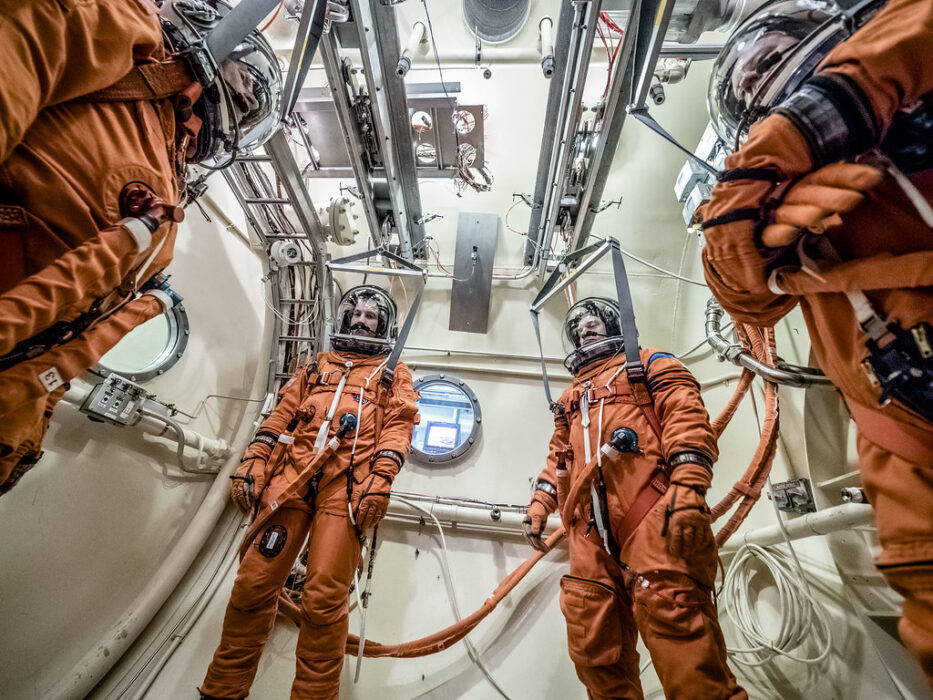
Applicants spent time in thermal-tolerance chambers where temperatures ranged from freezing to dangerously hot. Early spacecraft lacked robust climate-control systems, so NASA needed to ensure astronauts could remain functional under significant environmental stress.
Observing how candidates handled these extremes allowed NASA to understand physiological limits and identify those with exceptional resilience. Individuals who stayed alert, steady, and capable of performing tasks despite discomfort were better positioned to handle unforgiving conditions during missions.
6. Psychological Testing Was Grueling

Candidates completed long sessions of personality assessments, memory tests, logic puzzles, group tasks, and interviews designed to reveal how they responded to stress and interpersonal challenges. Evaluators looked for emotional stability, cooperation, and self-discipline.
NASA required astronauts who could think clearly under pressure, resolve conflicts quickly, and maintain composure in emergencies. These tests filtered out individuals more likely to panic, freeze, or argue when confronted with high-stakes situations where teamwork and calm decisions were critical.
7. Survival Training Prepared Them for Off-Target Landings
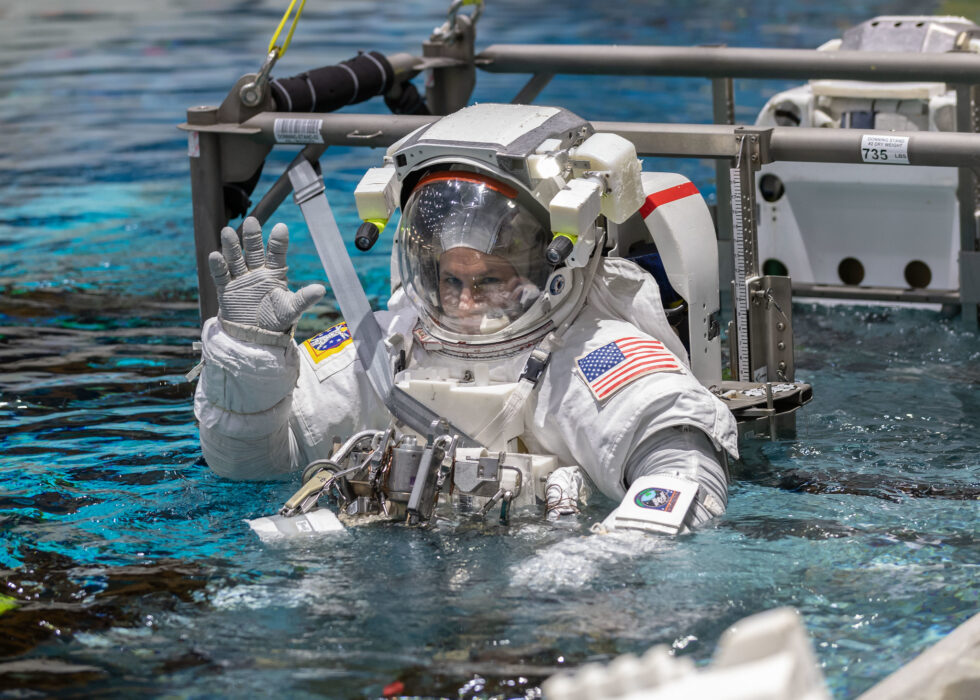
Trainees learned to survive in deserts, jungles, forests, and open oceans in case their spacecraft landed far from recovery teams. They practiced escaping capsules, creating shelters, navigating terrain, and rationing limited supplies.
Water survival was particularly crucial because Mercury and Gemini missions ended with ocean splashdowns. Astronauts had to be prepared for hours—or even days—in rough seas while awaiting rescue, making these skills essential to mission safety.
8. Centrifuge Trials Forced Them Into Crushing G-Forces
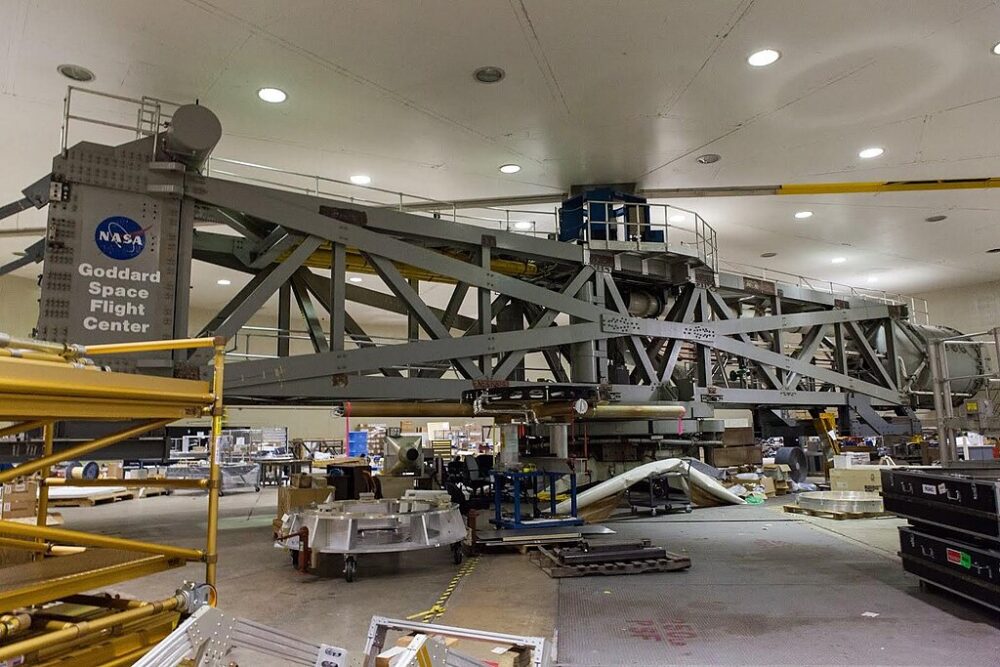
Candidates endured centrifuge sessions that simulated the intense G-forces experienced during launch and reentry. These trials tested cardiovascular strength, visual endurance, and the ability to remain conscious and responsive under extreme acceleration.
NASA monitored how well candidates maintained awareness, followed instructions, and resisted blackouts. Those who stayed clear-headed at high G-loads demonstrated the physical durability necessary for surviving the most punishing phases of spaceflight.
9. Simulators Recreated Dangerous Spacecraft Failures
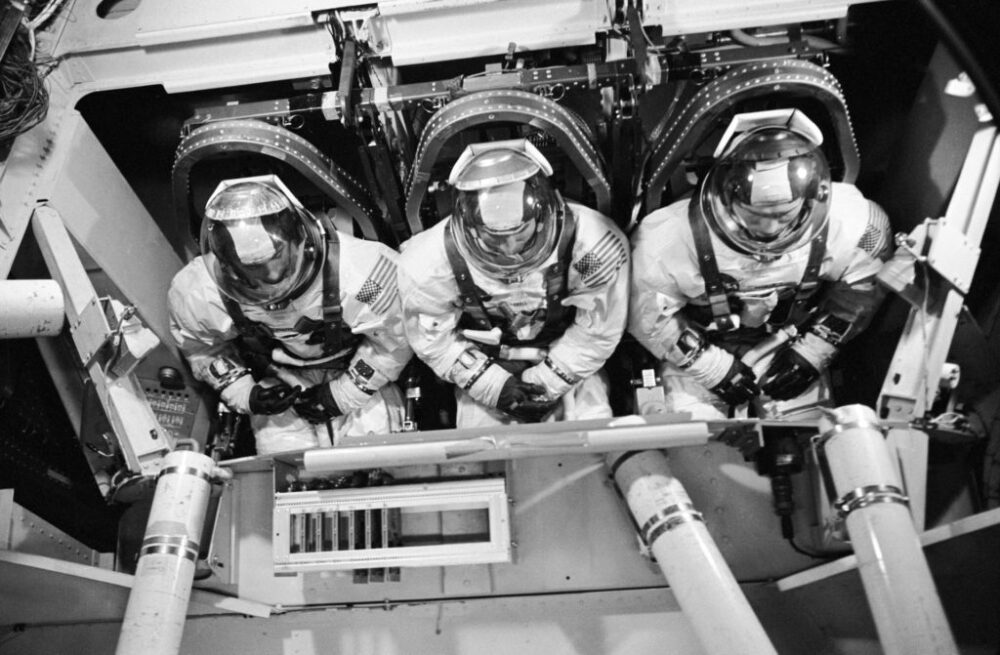
Early simulators mimicked spacecraft interiors with vibrating platforms, shifting instrument panels, and programmed failure scenarios such as fires, power losses, or guidance malfunctions. Candidates practiced executing emergency procedures under realistic stress.
These simulations helped NASA identify individuals capable of rapid, precise problem-solving. Calm responses to simulated disasters were essential, as real missions required astronauts to diagnose problems quickly and act without hesitation.
10. Technical Training Became a Core Requirement
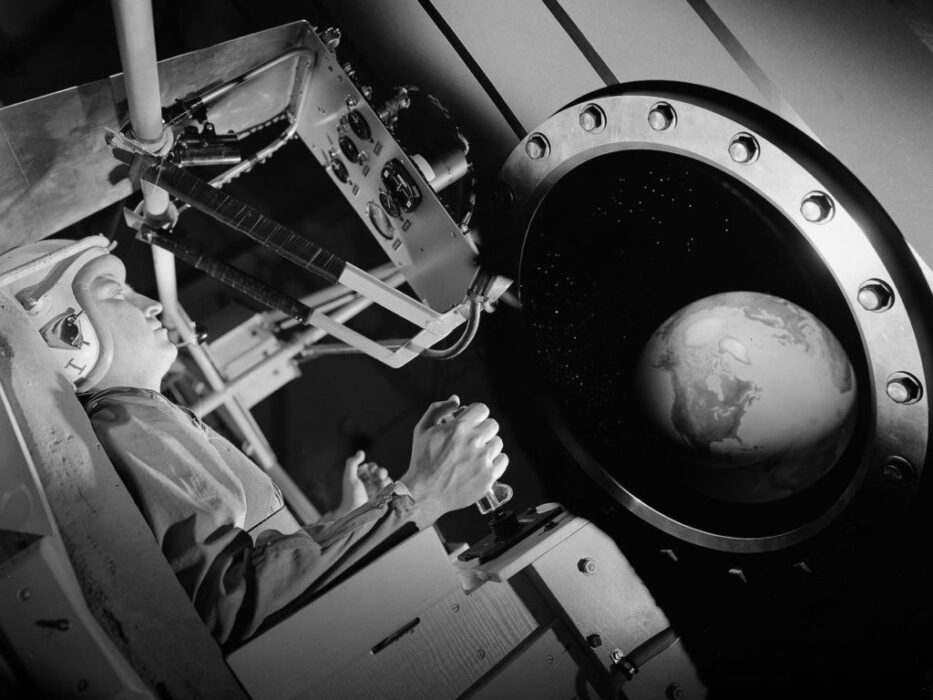
Astronauts studied spacecraft systems, propulsion, communications, orbital mechanics, and engineering fundamentals. Even pilots without engineering backgrounds took demanding courses to ensure they could troubleshoot during missions.
This technical knowledge later proved critical in emergencies, including the Apollo 13 incident. NASA recognized that well-trained astronauts capable of understanding and repairing onboard systems significantly improved mission success and crew safety.
11. Competition Inside NASA Was Fierce
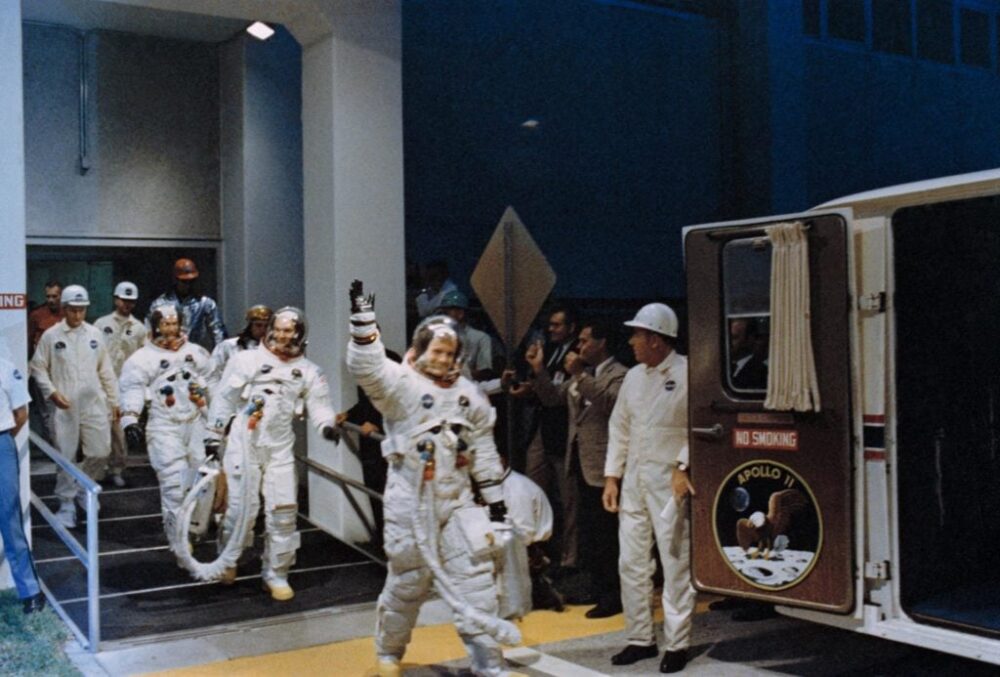
Thousands applied to NASA’s early astronaut programs, but only a small percentage advanced. Even after selection, candidates competed continually for limited flight slots, leadership positions, and long-term roles within the corps.
Performance in simulations, academics, teamwork evaluations, and medical assessments determined who advanced and who stalled. The pressure to excel pushed astronauts to refine every skill, contributing to the exceptional standards associated with the Space Race.
12. Those Who Passed Became Icons of the Space Race
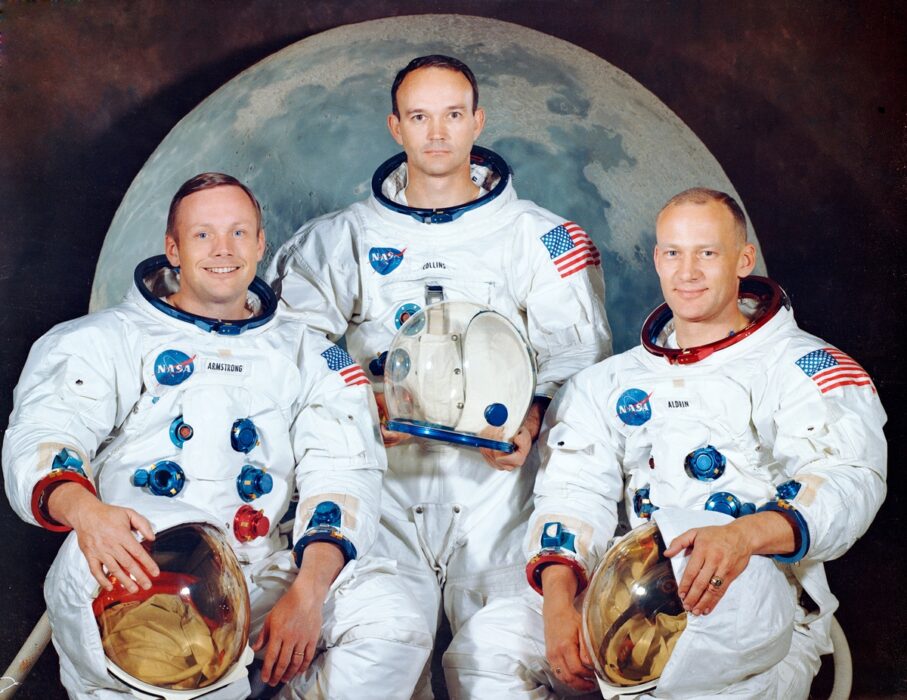
The few who completed NASA’s demanding process included future legends such as John Glenn, Alan Shepard, and Neil Armstrong. Their resilience, discipline, and technical mastery helped define one of history’s most ambitious scientific eras.
Their preparation laid the foundation for all future missions. While astronaut training remains rigorous today, the intensity and experimental nature of Space Race-era testing remain unmatched in NASA’s history.