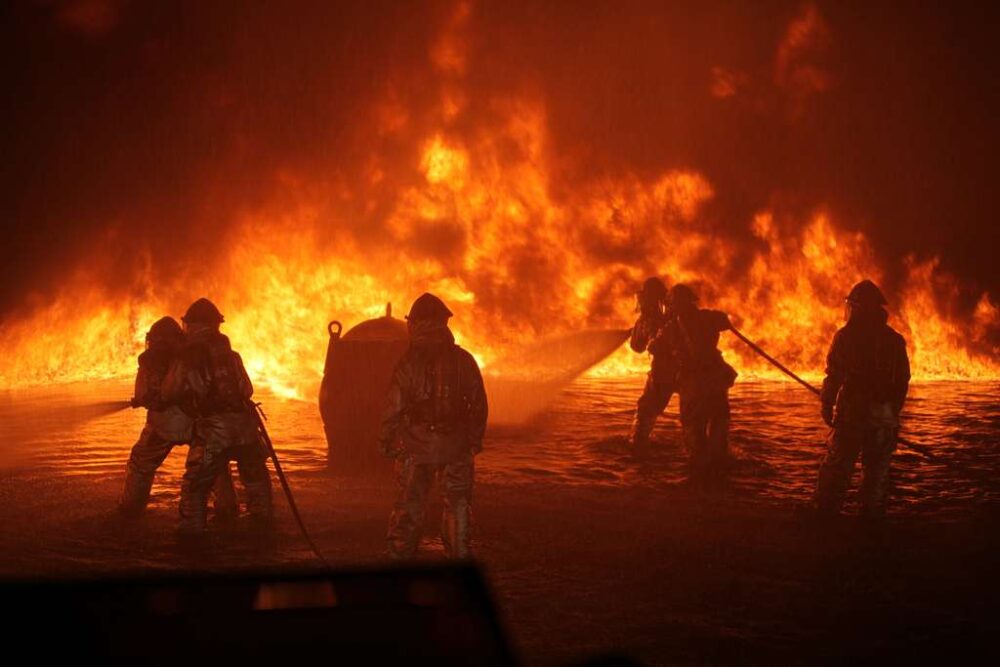
Scientists Warn We’re Heading for Earth’s Next Mass Extinction—And It’s Happening Fast

Experts reveal how climate change and human activity are driving species loss at rates not seen since the dinosaurs died out.

©Image license via Canva

Earth has experienced five major mass extinctions throughout its history, each wiping out most life on the planet and reshaping evolution for millions of years afterward. Scientists now warn that we’re entering a sixth mass extinction event, but this time humans are the cause. Species are disappearing at rates hundreds or thousands of times faster than natural background extinction rates, and the pace is accelerating as climate change intensifies.

Unlike previous mass extinctions caused by asteroids or massive volcanic eruptions, this extinction crisis is happening because of human activities like habitat destruction, pollution, and greenhouse gas emissions. The difference is that we can still do something about it, but the window for action is closing rapidly as ecosystems worldwide show signs of collapse.

Read more

11 Renewable Energy Projects That Are Actually Changing the World

From massive solar farms to floating wind turbines, these groundbreaking clean energy projects are powering millions of homes.

©Image license via Canva

Clean energy isn’t just a pipe dream anymore—it’s happening right now in spectacular ways around the globe. From floating solar farms the size of small cities to wind turbines taller than skyscrapers, countries are building renewable energy projects that seemed impossible just a decade ago.

These aren’t experimental prototypes or concept designs; they’re massive, working facilities that are actually powering millions of homes and businesses while slashing carbon emissions. The scale and success of these projects prove that renewable energy can work anywhere, creating jobs and economic growth while fighting climate change in real time.

Read more

Could a Massive Tsunami Hit America? Scientists Say the Threat Is Real

Experts reveal which U.S. coastlines face the highest risk and what warning signs to watch for.

©Image license via Canva

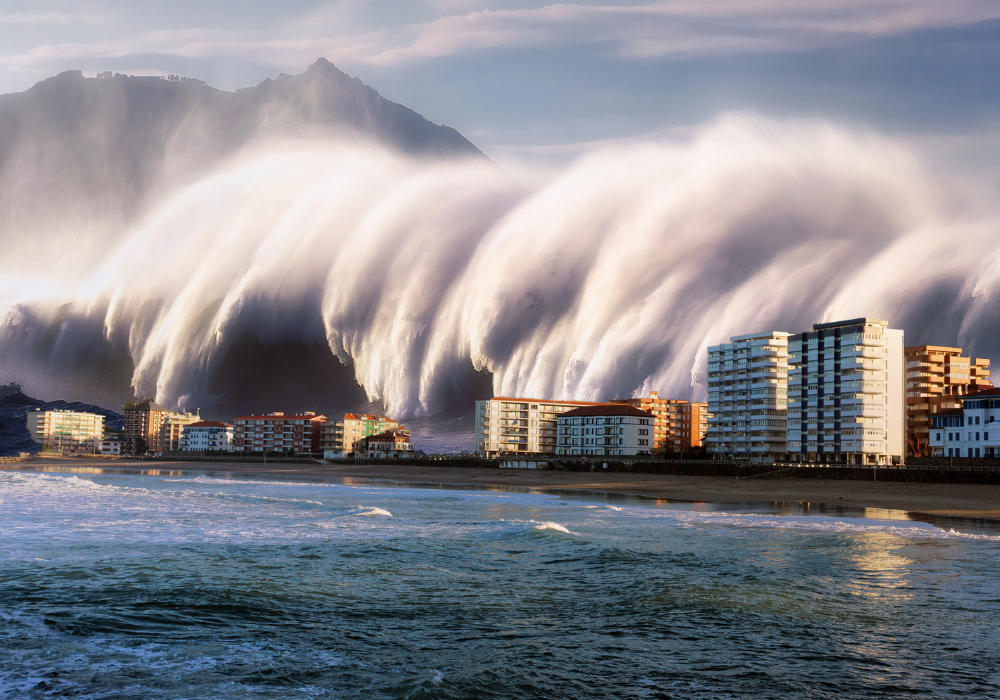
Tsunamis represent one of nature’s most powerful and destructive forces, capable of generating waves that travel across entire ocean basins at jet-like speeds. These massive water walls form when underwater earthquakes, landslides, or volcanic eruptions suddenly displace enormous volumes of seawater. While many Americans associate tsunamis primarily with distant events in Japan or Indonesia, scientists have identified significant tsunami risks along multiple U.S. coastlines.

The geological conditions that create tsunamis exist in waters surrounding American shores, from active fault systems off the Pacific Coast to potential landslide zones in the Atlantic. Understanding these risks helps coastal communities prepare for scenarios that could unfold with little warning, potentially affecting millions of people living in vulnerable areas along thousands of miles of American coastline.

Read more

Fireflies Are in Danger — Climate Change Is to Blame

Scientists document dramatic decline in firefly species as climate change alters breeding cycles and destroys habitats.

©Image license via Canva

Those magical summer evenings filled with twinkling lights dancing across yards and fields are becoming increasingly rare. Firefly populations worldwide have declined by an alarming 60% over the past two decades, with scientists pointing directly to climate change as the primary culprit. Rising temperatures, shifting precipitation patterns, and extreme weather events are disrupting the delicate life cycles these insects have followed for millions of years.

From childhood wonder to crucial ecosystem functions, the loss of fireflies represents far more than just dimmer summer nights. Their decline serves as an early warning signal for broader environmental changes that could reshape the natural world as we know it.

Read more

European Wildfires Force Evacuations at Tourist Sites and Nature Reserves

Authorities evacuate thousands as fires spread across popular vacation areas and protected forest regions.

©Image license via Picryl

Thousands of tourists and residents across Europe are being forced to evacuate as wildfires tear through some of the continent’s most beloved vacation destinations and pristine forests. From the Greek islands to Spain’s coastal resorts, emergency crews are battling multiple blazes that have already consumed hundreds of thousands of acres and show no signs of slowing down.

Popular tourist spots including beach resorts, historic towns, and national parks have been forced to close as flames approach critical infrastructure and threaten lives. The European Forest Fire Information System reports that this year’s fire activity is already 60% higher than the annual average, with extreme heat and drought conditions creating perfect conditions for rapid fire spread.

Airport closures, highway evacuations, and hotel relocations are disrupting millions of summer vacation plans across the region.

Read more

The Major River That Mysteriously Stopped Flowing—And What It Means

Unprecedented drought and climate shifts have caused a vital waterway to disappear, threatening ecosystems and communities.

©Image license via Canva

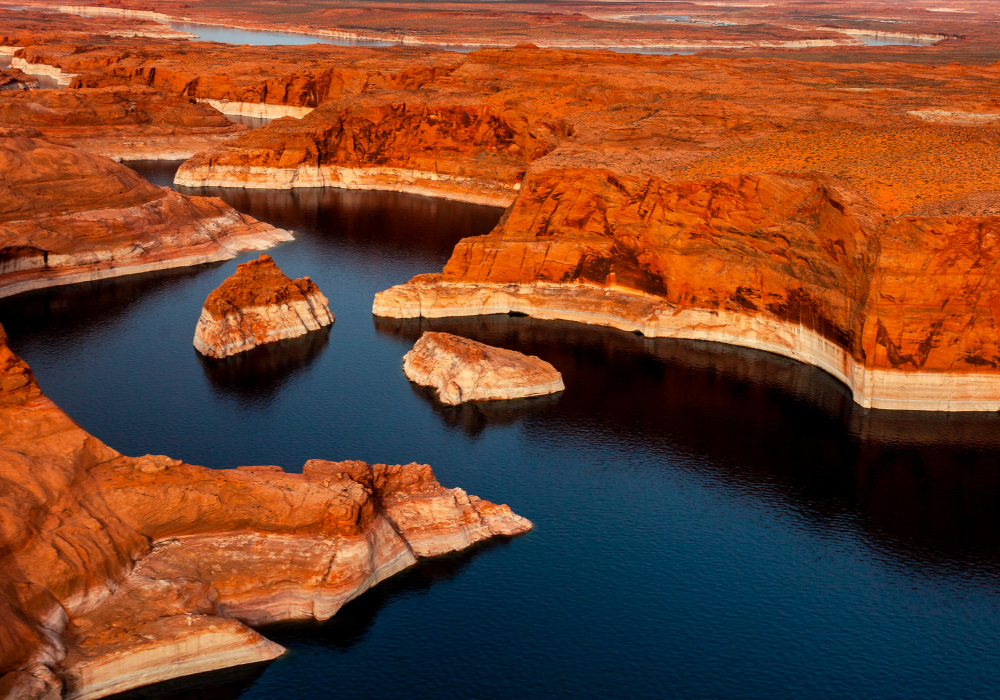
The Colorado River, a lifeline for 40 million Americans across seven states, has reached a historic tipping point. Lake Mead, the massive reservoir that feeds the river, has dropped to its lowest levels since the 1930s, causing sections of the waterway to stop flowing entirely.

This unprecedented crisis, driven by extreme drought and rising temperatures, threatens drinking water supplies, agricultural production, and hydroelectric power generation across the Southwest. The river’s decline serves as a stark warning about the accelerating impacts of climate change on America’s most vital water resources.

Read more

The City That Could Be Uninhabitable Within 30 Years

Las Vegas faces extreme heat, water shortages, and climate challenges that could make the desert city unlivable by 2054.

©Image license via Canva

Las Vegas has always been a city that defied nature — a glittering oasis built in one of America’s harshest deserts where temperatures regularly exceed 100°F and water is scarcer than gold. But what once seemed like human ingenuity triumphing over impossible conditions is starting to look more like a massive miscalculation.

The city that never sleeps is facing a climate reality that could force it into permanent slumber within the next three decades. Climate scientist Dr. Matthew Lachniet from UNLV has been studying the region’s long-term habitability, and his research paints a terrifying picture of a city racing toward uninhabitable conditions faster than anyone anticipated.

Read more

How Traffic Fumes Steal IQ Points from Developing Children

New research reveals how air pollution from cars and trucks permanently damages cognitive development in young brains.

©Image license via Canva

Every day, millions of children walk to school, play in parks, and ride in cars while breathing invisible toxins that could be stealing their intelligence. The exhaust fumes from trucks, buses, and cars don’t just dirty the air—they penetrate developing brains and permanently alter how kids think, learn, and remember.

A landmark study published in Environmental Health Perspectives found that children living near major roadways scored significantly lower on IQ tests, losing an average of several cognitive points compared to peers in cleaner areas. From reduced test scores to increased learning disabilities, the cognitive theft is happening right under our noses. Here’s what parents need to know about protecting their children’s minds.

Read more

Scientists Discover Exercise Can ‘Rewrite’ Your Genetic Code in Just 20 Minutes

Research reveals how brief exercise sessions trigger genetic switches that boost metabolism, reduce inflammation, and activate longevity genes.

©Image license via Canva

Twenty minutes of exercise just rewrote parts of your genetic code. That’s not an exaggeration—it’s cutting-edge science that’s revolutionizing how we understand fitness and aging. Researchers at the University of Copenhagen have discovered that even a single workout session triggers immediate changes in your DNA’s “switches,” activating protective genes while silencing harmful ones.

“Our findings provide a mechanism for the known beneficial effects of exercise,” explains lead researcher Dr. Romain Barrès, whose team found that exercise rewires enhancers in regions of DNA known to be associated with disease risk. These epigenetic modifications happen faster than anyone imagined, affecting everything from metabolism to inflammation to cellular repair.

Read more

13 Cities That Will Win Big in the Great Climate Migration

Climate refugees fleeing heat, drought, and rising seas will transform these northern cities into America’s next boom towns.

©Image license via Canva

America is about to experience the largest population shift since the Great Depression, but this time it’s not economics driving people to pack up and move — it’s survival. As temperatures soar, seas rise, and extreme weather becomes the norm, millions of Americans are quietly planning their escape from climate danger zones.

The result will be a complete reshuffling of where people live, creating instant boom towns in places that have been losing population for decades. Climate migration researcher Dr. Jesse Keenan from Tulane University has been tracking these population flows, and his data shows that certain cities are positioned to gain hundreds of thousands of new residents within the next two decades.

Read more