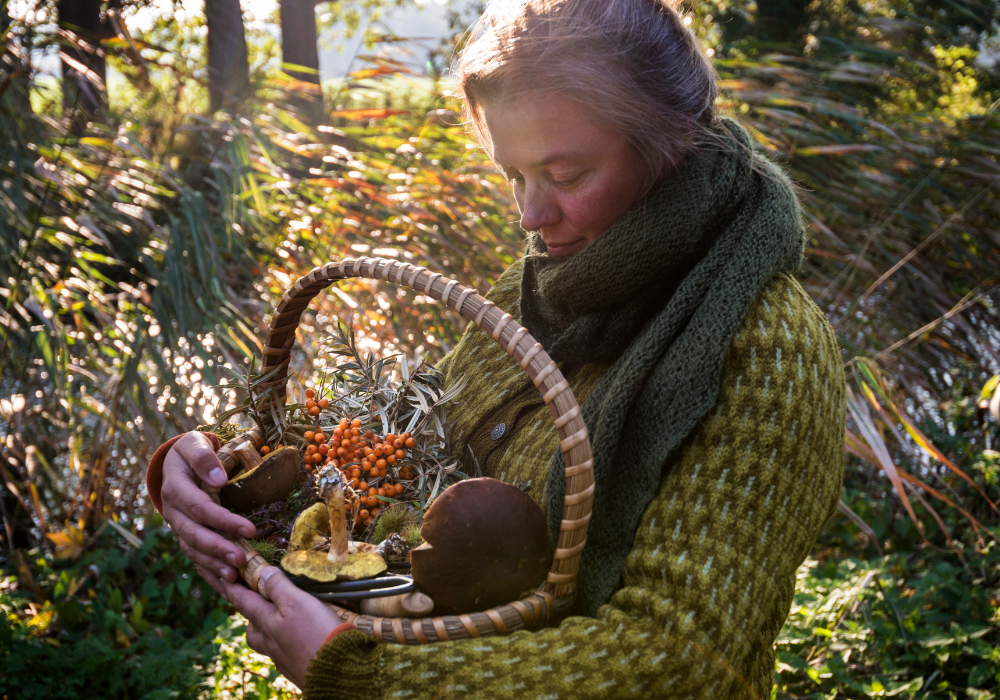
10 Trippy Truths About Psychedelics Saving the Environment You Won’t Believe

These mind-expanding substances might be the unexpected key to saving the planet.

©Image license via Canva

Psychedelics have long been associated with counterculture, mind-expanding trips, and spiritual awakenings, but their impact goes far beyond human consciousness. In unexpected ways, these substances are intersecting with environmental science, conservation, and sustainability efforts. From soil-regenerating fungi to ocean-restoring seaweed farms inspired by psychedelic research, nature’s most mind-bending compounds are finding their way into some seriously groundbreaking solutions.

Researchers are discovering that psychedelic experiences often lead to deeper environmental awareness, changing the way people interact with the planet. At the same time, naturally occurring psychedelics—like psilocybin mushrooms—play hidden roles in ecosystem health. Some of the weirdest, most unexpected environmental breakthroughs are happening because of psychedelics, either directly or through the altered perspectives they inspire. Here are 10 ways these substances are shifting not just human consciousness, but the future of the planet itself.


Read more

Ditch the Perfectionism—12 Low-Waste Hacks That Are Simply Good Enough

Saving the planet doesn’t require flawless habits—just manageable ones that stick.

©Image license via Canva

Scrolling through zero-waste influencers proudly displaying a year’s worth of trash in a single mason jar can feel inspiring at first—but quickly turns daunting. Most of us don’t have the time, resources, or patience to perfectly curate sustainable lifestyles, and chasing that unattainable ideal often leads straight to burnout. Truth is, obsessing over perfection isn’t helping the environment—it’s just making sustainability feel exhausting. Thankfully, reducing waste doesn’t have to be an all-or-nothing game, and small actions matter far more than perfectly executed ideals.

Embracing a “good enough” approach takes the pressure off, allowing manageable, imperfect habits to fit naturally into your daily routine. These tiny shifts are often the ones you’ll actually stick with, making them more impactful in the long run. So forget Instagram-worthy pantries and meticulous compost setups—here are 12 genuinely realistic low-waste hacks that’ll shrink your footprint without ever demanding perfection.

Read more

The Parenting Playbook for a Hotter Planet—10 Lessons Gen X Is Teaching Their Kids

The world is changing fast, but these lessons will help the next generation thrive.

©Image license via Canva

For Gen X parents, sustainability isn’t just a trendy buzzword—it’s a necessity their kids will inherit. Unlike previous generations, Gen X grew up in a world where recycling was still a novelty, but they’ve watched climate change evolve from a distant worry to an undeniable reality. Now, they’re passing down hard-earned lessons on how to adapt, conserve, and make smarter choices for a hotter, more unpredictable planet.

These aren’t just rules about turning off the lights or taking shorter showers—they’re practical, lived-in lessons about resilience, resourcefulness, and responsibility. They’ve learned that sustainability isn’t about perfection, but about making everyday choices that add up over time. As their kids grow into the next generation of decision-makers, these teachings will shape how they navigate an increasingly unpredictable world. Here are 10 lessons Gen X is instilling in their children to prepare them for the future.

Read more

Could This Evolution-Inspired Wellness Trend Change Your Life? 10 Things You Need to Know

Your ancestors might hold the secret to your future health.

©Image license via Canva

Evolution-inspired wellness isn’t another passing health fad—it’s about understanding how the way humans evolved influences our health today. It goes beyond trendy diets or complicated fitness routines, focusing instead on reconnecting with practices our ancestors naturally followed. This means prioritizing sleep, movement, community, and even diet choices based on what our bodies evolved to need.

Our modern lifestyle—filled with screens, processed foods, and constant stress—is wildly out of sync with our biology, leading to chronic fatigue, anxiety, and illness. The evolutionary wellness movement argues that many modern health problems stem from ignoring our evolutionary blueprint. By tapping back into the habits humans relied on for thousands of years, you might finally unlock sustainable health, more energy, and a greater sense of wellbeing. Here are 10 powerful insights about this approach that could redefine your relationship with your health—and yourself.

Read more

Skip the Cheap Stuff—10 Luxe Must-Haves That Actually Reduce Waste

Invest in quality, ditch the waste, and upgrade your life.

©Image license via Canva

Going green doesn’t have to mean sacrificing quality or style. In fact, the most sustainable choices are often the ones built to last. While cheap, disposable products create a cycle of waste and constant repurchasing, investing in well-made essentials cuts down on consumption, saves money in the long run, and keeps landfills from piling up with broken, worn-out junk.

From durable home goods to high-quality personal care, the right products don’t just reduce waste—they elevate your everyday routine. Whether it’s swapping fast fashion for timeless wardrobe staples or ditching plastic-filled beauty products for refillable, high-performance alternatives, luxury and sustainability can go hand in hand. If you’re tired of replacing the same low-quality items over and over, these ten upgrades are worth every penny.

Read more

Could You Live Off the Land? 10 Essential Plants Every Forager Should Know

Nature provides more than you think—if you know what to look for.

©Image license via Canva

Foraging isn’t just a survival skill—it’s a way to reconnect with nature, eat seasonally, and tap into a food source that’s been around since the beginning of human history. While grocery stores make it easy to forget, the wild is full of edible, medicinal, and nutrient-packed plants that have sustained people for centuries. The trick? Knowing which ones to pick and which ones to avoid.

Some wild plants can replace your greens at dinner, provide natural remedies, or even keep you hydrated in a pinch. Others, however, are toxic lookalikes waiting to fool the untrained eye. Whether you’re interested in self-sufficiency or just want to add some wild flavor to your plate, these ten plants are the foundation of any forager’s knowledge. Learn them well, and the land might just take care of you.

Read more

12 Eco-Friendly Adventures That Make Mid-Life the Best Chapter Yet

Sustainability and adventure aren’t just for the young—they’re for anyone ready to make the most of life.

©Image license via Canva

Mid-life isn’t about slowing down—it’s about finally doing the things you’ve always wanted to. And if that includes more travel, more nature, and more experiences that actually mean something, then it’s the perfect time to embrace adventure in a way that’s both exciting and sustainable.

From breathtaking hikes to immersive cultural experiences, eco-friendly travel offers more than just beautiful views. It’s about connecting with the world in a way that leaves it better than you found it. Whether it’s swapping crowded resorts for serene eco-lodges or trading gas-guzzling road trips for cycling through wine country, sustainable adventures prove that luxury and responsibility can go hand in hand. These 12 unforgettable trips will redefine how you experience the world—without leaving a heavy footprint behind.

Read more

The Richest People Don’t Buy New—11 Reasons They Go Secondhand Instead

Wealthy people know the secret to building wealth isn’t buying more, it’s buying smarter.

©Image license via Canva

There’s a myth that being rich means buying brand-new everything—fresh off the runway, straight from the showroom, untouched by previous owners. But look closely at the world’s wealthiest people, and you’ll notice a different trend: they’re thrifting, buying vintage, and opting for high-quality secondhand goods instead. Turns out, the smartest financial minds know that buying used isn’t about being cheap—it’s about being strategic.

Secondhand shopping isn’t just for budget-conscious consumers; it’s a wealth-building habit that prioritizes value over vanity. Whether it’s luxury cars, designer fashion, or rare furniture, the rich understand that depreciation is the real money pit. By choosing pre-owned, they avoid unnecessary markups, invest in timeless quality, and often get better deals on exclusive items. From financial wisdom to environmental benefits, here are 12 reasons why the wealthiest people skip brand-new—and why you might want to start doing the same.

Read more

How Many of These 12 Corporate Sustainability Lies Have Fooled You?

Greenwashing is everywhere—don’t let these industry tricks fool you.

©Image license via Canva

Big brands love to slap words like “eco-friendly,” “sustainable,” and “carbon neutral” on their products. They want you to believe they’re part of the solution, not the problem. But behind the glossy marketing and green logos, many companies are still doing business as usual—polluting, overproducing, and cutting corners in ways that hurt both the planet and consumers.

From misleading labels to shady offsets, corporations have mastered the art of looking green while doing the bare minimum. They know most people don’t have time to dig into the fine print, so they use buzzwords and vague claims to make their products seem more ethical than they really are. These tactics work, but once you know the tricks, you won’t fall for them again. Here are the biggest sustainability lies companies want you to believe—and the truth they don’t want you to know.

Read more

Capsule Closet Magic: The 15-Piece Wardrobe That Changes Everything

When every piece is perfect, you’ll never say, “I have nothing to wear” again.

©Image license via Canva

Mornings shouldn’t start with staring at a closet full of clothes and feeling like there’s nothing to wear. A well-curated capsule wardrobe cuts through the chaos, replacing impulse buys and cluttered racks with a handful of carefully chosen, endlessly wearable pieces. Less really is more when each item pulls its weight.

A 15-piece wardrobe isn’t about restriction—it’s about freedom. The freedom to mix and match effortlessly, to invest in quality over quantity, and to finally escape the cycle of fast fashion. With the right essentials, getting dressed becomes simple, stylish, and sustainable. Fewer clothes mean fewer decisions, less laundry, and more time (and money) for what actually matters. Whether starting from scratch or paring down an overstuffed closet, this guide breaks down the magic of a minimalist wardrobe that works for every occasion—without ever feeling repetitive.

Read more