11 Deadly Diseases Set to Thrive in a Warmer World—And You’re Not Prepared

Rising temperatures are fueling the spread of dangerous diseases, and the risks are closer than you think.
©Image license via iStock

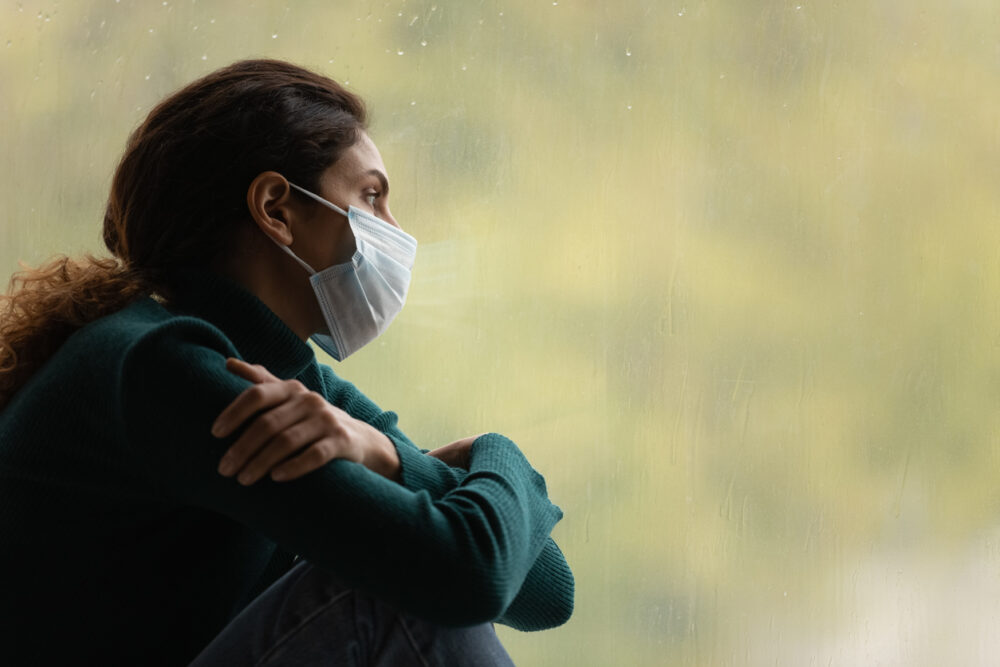
Climate change isn’t just melting ice caps and fueling wildfires—it’s setting the stage for deadly diseases to spread faster and farther than ever before. Rising temperatures, shifting weather patterns, and extreme humidity are creating ideal conditions for bacteria, viruses, and parasites to invade new territories. Diseases once confined to the tropics are creeping into cooler regions, and ancient pathogens buried in ice for centuries may soon resurface.

Most people still think of climate change in terms of environmental disasters, but the truth is, public health is on the front lines. Mosquito-borne killers, antibiotic-resistant infections, and once-rare illnesses are surging, and modern medicine isn’t moving fast enough to keep up. Whether it’s lurking in water, soil, or the air you breathe, these 11 diseases are set to thrive in a warmer world. The worst part is many are already here, and most of us are dangerously unprepared.

Read more

14 Nocturnal Creatures That Are Struggling to Survive in a Lit-Up World

The world doesn’t sleep anymore—and it’s killing these night dwellers.

©Image license via iStock

Humans have a weird obsession with never turning the lights off. City skylines glow through the night, porch lights burn long after everyone’s asleep, and even the stars are getting drowned out by artificial brightness. But all this light we love? It’s messing with the creatures that depend on the dark.

Nocturnal animals evolved to thrive under moonlight and shadows. Their eyes, behaviors, and instincts are all tuned for the quiet calm of the night. Now they’re facing a world that barely remembers what real darkness looks like. From tiny insects to top predators, light pollution is throwing off feeding, mating, migration—you name it. And while most of us don’t even think twice about it, they’re struggling just to make it through the night. These 14 creatures are in trouble, and it’s our 24/7 glow that’s pushing them closer to the edge.

Read more

Sure, It’s Convenient—But These 14 Everyday Choices Come With a Climate Cost

Convenience is killing the planet, one plastic fork and fast shipment at a time.

©Image license via iStock

Convenience has quietly become the default. Fast, cheap, and frictionless wins every time—because who has the time, energy, or money to opt for the slower, harder way? It’s not just personal choice; it’s the world we’ve been handed. Corporations build systems that prioritize speed over sustainability, and we’re left with habits that feel harmless but come with a hidden environmental price tag.

We’re not here to guilt-trip your every move. But it’s worth noticing how normal it’s become to choose ease over everything else. That “convenient” option usually leaves behind more waste, more emissions, and more mess for someone else to clean up—often out of sight. These 14 everyday habits aren’t just about what we do; they’re also about what we’ve been sold. And the more we see through the illusion of convenience, the easier it becomes to make choices that don’t cost the planet so much.

Read more

What Happens When Gen Z and Their Parents Finally Have These 11 Tough Talks?

The hardest conversations are the ones that matter most.

©Image license via Canva

Every generation has its divide, but the gap between Gen Z and their parents can feel like an ocean. They’ve grown up in different worlds—one shaped by landlines and traditional values, the other by social media and rapid cultural change. What was once considered the norm is now being questioned, and that shift has led to some serious tension at dinner tables everywhere.

But avoiding difficult discussions doesn’t make the tension disappear—it only deepens it. The truth is, some of the most uncomfortable topics are also the ones that create real understanding. Whether it’s money, mental health, or redefining success, these conversations have the power to bridge generational gaps instead of widening them. The key isn’t avoiding these topics—it’s learning how to navigate them. When both sides are willing to listen, those dreaded heart-to-hearts might just bring Gen Z and their parents closer than ever.

Read more

See Them Before They Vanish—These 11 Breathtaking Travel Destinations Are Dying

The world’s most breathtaking places are disappearing faster than you think.

©Image license via iStock

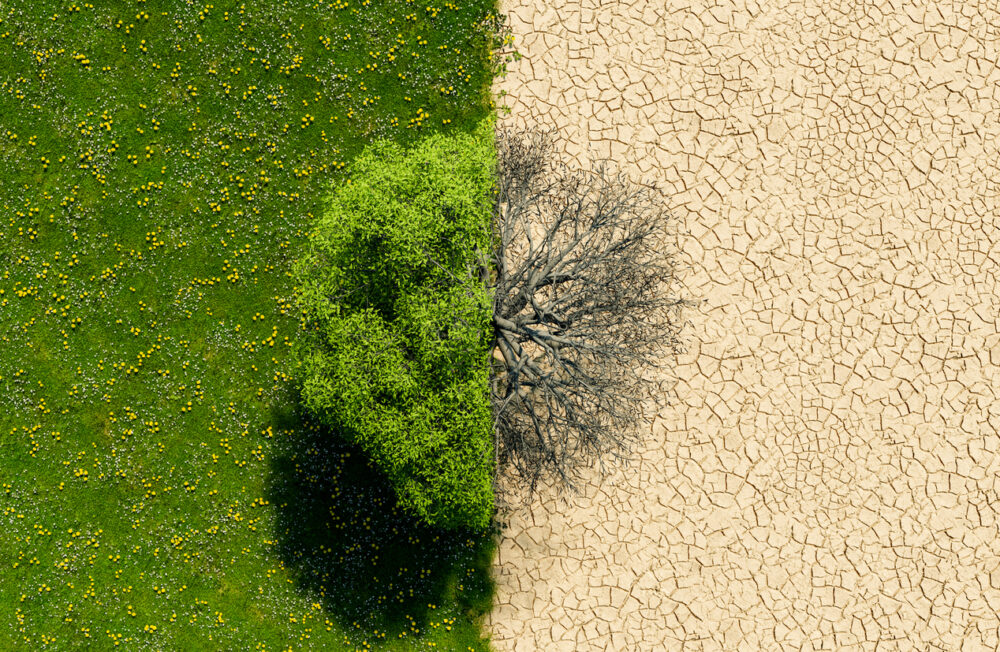
That bucket-list trip you’ve been putting off? It might not wait for you. Climate change, rising sea levels, and environmental destruction are rapidly transforming the most stunning places on Earth—some beyond recognition. Once-pristine beaches are vanishing, iconic glaciers are melting, and delicate ecosystems are collapsing under the pressure of extreme weather, pollution, and mass tourism.

Delays, politics, and half-hearted conservation efforts aren’t keeping up with the damage. Some places are already beyond saving, while others are on borrowed time. The landscapes, wildlife, and cultures that make these destinations unique are changing fast, and soon, they may only exist in photographs. While locals fight to preserve what’s left, the window to experience these wonders is closing. If you’ve been dreaming of visiting, now might be your last chance. Here are 11 destinations disappearing faster than anyone expected.

Read more

The U.S. Water Crisis Is Already Scary—Here Are 13 Disturbing Clues It’s Getting Worse

From toxic taps to vanishing rivers, America’s water problems aren’t coming—they’re already here.

©Image license via iStock

There’s a myth that water scarcity is something that happens elsewhere. But the U.S.? It’s supposed to be immune. Plenty of lakes, advanced infrastructure, a climate that varies but doesn’t collapse—right? That illusion is cracking fast. The country is facing a quiet catastrophe that’s already reshaping entire regions. Droughts, contamination, crumbling pipes, disappearing aquifers—these aren’t isolated incidents. They’re symptoms of a system that’s buckling under pressure.

This isn’t about what might happen in 2050. It’s happening now. Millions already live with unsafe water. Cities are draining rivers dry. Corporations are bottling and profiting while communities ration. And climate change is turning the heat up on all of it. You don’t need to live in the desert to feel the impact. The clues are everywhere—you just have to stop pretending they’re normal. Here are 13 signs the U.S. water crisis is quietly exploding.

Read more

Before You Yank Them Out—Meet These 12 Eco-Friendly Weeds Saving the Planet

These so-called “weeds” are actually doing nature’s dirty work for free.

©Image license via Canva

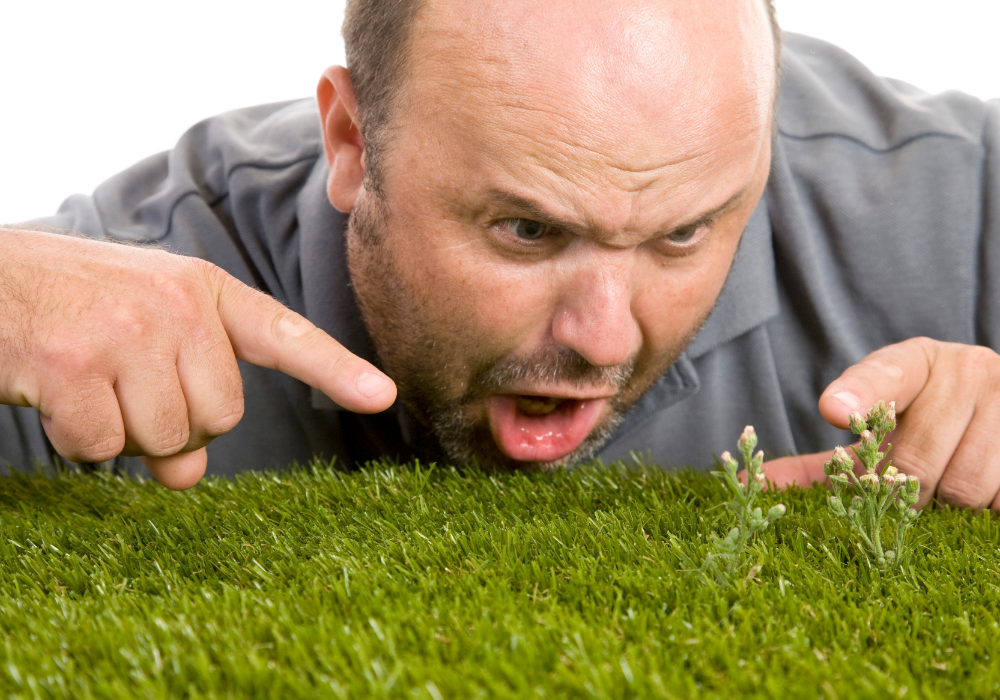
We’ve been trained to see weeds as the enemy—invaders that choke gardens, ruin lawns, and make landscapes look unkempt. But what if the plants we fight so hard to remove are actually doing something valuable? Many so-called weeds are secret powerhouses, enriching the soil, feeding pollinators, and even providing natural medicine.

Nature doesn’t grow things randomly. Weeds pop up for a reason, often repairing damaged soil, preventing erosion, or creating food for wildlife. Some even work as natural fertilizers, replacing the need for chemical-laden lawn treatments. And a few? They’re straight-up edible superfoods hiding in plain sight. Before you reach for the weed killer, take a closer look.

Some of the plants growing wild in your yard might be improving biodiversity and helping other plants thrive. These eco-friendly rebels don’t just deserve a second chance—they deserve some appreciation.

Read more

Ripped Jeans? Stained Shirt? 10 Clever Ways to Turn Them Into a Fashion Statement

Worn-out clothes don’t belong in the trash—they belong in your next outfit.

©Image license via Canva

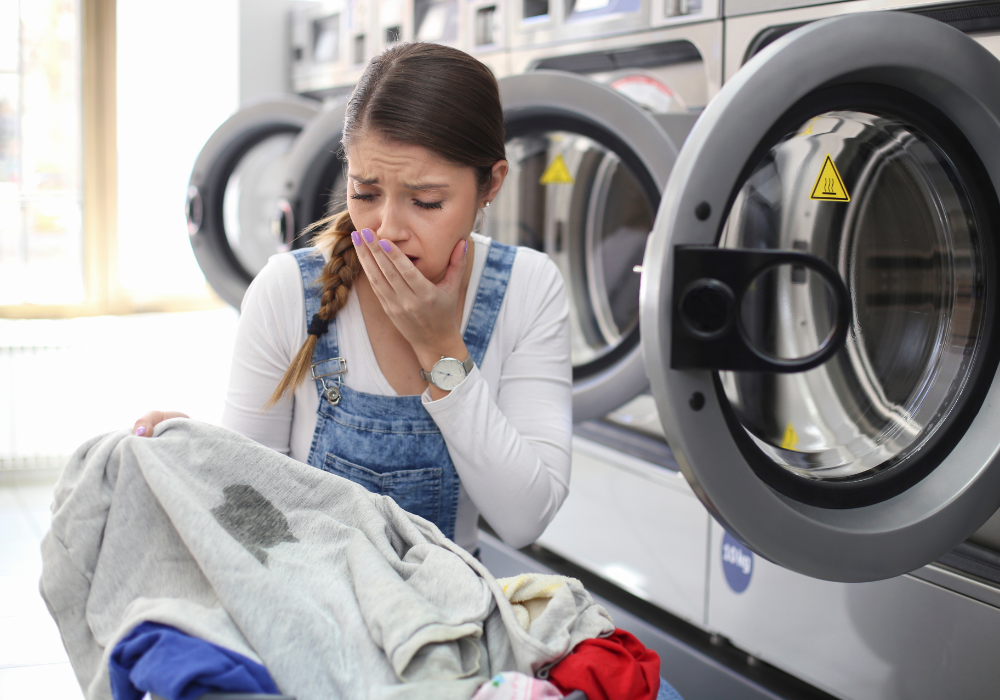
Fast fashion wants you to think that once your clothes get ripped, stained, or faded, they’re worthless. But the best-dressed people know that imperfections aren’t a dealbreaker—they’re an opportunity. Instead of tossing out that old T-shirt or replacing your distressed jeans with yet another pair, why not turn them into something fresh, stylish, and uniquely yours?

Fashion icons, DIYers, and even high-end designers have long embraced the beauty of worn-in clothing. With the right tricks, your “damaged” clothes can become one-of-a-kind statement pieces that are cooler than anything you’d find on a rack. Whether you’re upcycling, adding embellishments, or fully transforming an item, there are endless ways to make flawed fashion work in your favor. Here are 10 ways to breathe new life into your wardrobe and turn your most-worn pieces into head-turning looks.

Read more

Boomers Aren’t the Climate Villains You Think—14 Green Habits They Invented First

Before sustainability was a trend, it was just called common sense.

©Image license via iStock

Boomers often get blamed for environmental damage, but their generation actually pioneered many of the green habits younger generations are now embracing. Long before zero-waste influencers made headlines, thrift shopping, mending clothes, and growing food were just a normal way of life. Plastic-free grocery shopping? That was the default. Riding bikes instead of driving? A daily routine.

Unlike today’s throwaway culture, Boomers grew up in a time when wasting food wasn’t an option, appliances were built to last, and fast fashion didn’t exist. Fixing, reusing, and repurposing weren’t radical ideas—they were just part of everyday life. Many of the “sustainable” habits making a comeback today were simply common sense back then.

While not everything about the past was greener, there’s a lot we can learn from the ways Boomers lived before single-use everything became the norm. Here are 14 habits they got right long before sustainability was a trend.

Read more

13 Times Climate Scientists Screamed for Change—But We Just Kept Consuming

The warnings have been loud and clear—so why haven’t we listened?

©Image license via iStock

For decades, climate scientists have been ringing the alarm bells. They’ve published reports, testified before governments, and presented overwhelming evidence that the planet is heating up at a catastrophic rate. Each time, the message has been the same: act now, or suffer the consequences. And yet, instead of urgent action, the world has doubled down on consumption—more fossil fuels, more plastic, more mindless shopping sprees.

As predictions turn into reality, the disasters keep piling up. Ice caps are vanishing, wildfires are raging longer, and extreme weather is rewriting history. Scientists didn’t just warn us about this—they practically begged us to change course. Yet every time, society chose business as usual. Policies stalled, corporations lobbied, and the public tuned out. Here are 13 moments when climate experts sounded the alarm, and we responded by swiping our credit cards.

Read more