Forget the Cocktail: 10 Natural Alternatives That Crush Stress and Anxiety

Your nervous system isn’t craving another drink—it’s begging for real relief.

©Image license via iStock

Reaching for a cocktail at the end of a hard day is practically a cultural reflex. Happy hour, wine o’clock, stress drinks—it’s all framed as self-care. But while alcohol might take the edge off in the moment, it rarely solves the problem. Over time, it can make anxiety worse, mess with your sleep, and leave your body running on fumes.

The good news is, alcohol isn’t the only way to calm your system. There are plenty of natural, science-backed tools that don’t require a pour or a bar tab. These alternatives help your body regulate from the inside out—lowering cortisol, balancing your mood, and giving your brain a break without the crash. Whether you’re looking to cut back, quit entirely, or just need a healthier go-to when stress hits, these 10 options offer serious relief with zero hangover.

Read more

You Bought It All—and Still Feel Empty? 13 Reminders to Bring You Back to What Matters

The chase for more was never meant to fill what’s missing inside.

©Image license via iStock

It’s easy to assume the next purchase, the next milestone, or the next version of success will finally bring a sense of peace. That’s what the culture promises—if life still feels incomplete, maybe it’s because something else needs to be added. But the truth is quieter, and more complicated.

Sometimes, that hollow feeling isn’t a sign of failure. It’s the moment when old stories stop working. The upgrades, the achievements, the polished life—none of it quite hits the way it used to. Not because they’re meaningless, but because they were never meant to carry the full weight of meaning. When that feeling arrives, it isn’t a crisis. It’s a return. Not to minimalism or austerity, but to clarity. There’s a difference between living for more and living with depth. And even in a world built around consumption, it’s still possible to shift toward what truly matters.

Read more

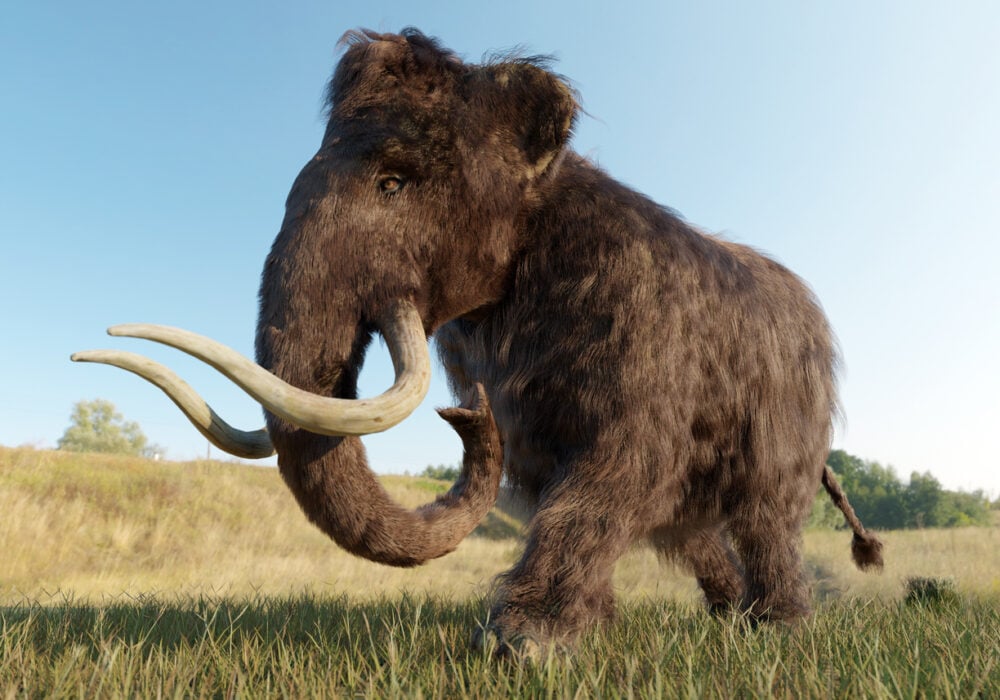
Extinct? Not Quite — These 15 Animals and Ecosystems Are Crashing Back In

Just when the planet counted them out, they came roaring back.

©Image license via iStock

Extinction sounds permanent. Once a species disappears, the assumption is that it’s gone for good. But nature doesn’t always follow the script. Around the world, animals once declared lost—or so close to vanishing they were practically ghost stories—are making wild, unexpected returns. Some were rediscovered after hiding for decades. Others clawed their way back with a little help and a lot of luck.

These aren’t fairy tale endings. Many of the populations are fragile, and some could still collapse again. But they offer proof that recovery is possible. That not every environmental crisis ends in silence. That even in the middle of a biodiversity emergency, the story isn’t always over. These resurgences feel personal, almost defiant. Because when species come back from the edge, they don’t just challenge extinction—they challenge the idea that it’s too late.

Read more

We Could Fix the Climate—But These 13 Bold Policies Scare the People in Power

The planet could recover, but not without shaking up who’s in charge.

©Image license via iStock

Most people think the fight against climate change is about science, money, or awareness. But more often, it’s about control. The world already has the tools to cut emissions, restore ecosystems, and build a livable future. What’s missing isn’t innovation—it’s political courage. The boldest climate solutions tend to rattle the powerful, and that’s exactly why they get buried.

Policies that threaten corporate profits, disrupt old industries, or redistribute resources tend to hit walls fast. It’s not that they’re unworkable. It’s that they work too well. They shift power, and the people holding the most of it rarely want to let go. These ideas aren’t fringe or fantasy. They’re practical, tested, and ready to scale. But they demand more than lifestyle changes. They demand system changes—and that’s what makes them dangerous to the status quo.

Read more

You Were Lied To—Here Are 11 Climate Myths Backed by Big Oil

The fossil fuel industry didn’t just sell us gas—they sold us doubt, distraction, and delay.

©Image license via iStock

For decades, Big Oil has known exactly what its products are doing to the planet. Internal memos from the 1970s show that oil companies understood the science of climate change long before most people had even heard the term. But instead of acting, they got strategic. They invested in PR campaigns, front groups, and think tanks—all designed to sow confusion, delay regulation, and shift the blame away from corporations and onto individuals.

This wasn’t ignorance. It was manipulation. The goal wasn’t just to keep drilling—it was to keep us distracted. While the planet burned, they pushed myths that still shape how people talk about climate change today. Some of these lies sound harmless. Others sound like common sense. But all of them serve the same purpose: protecting profits while sabotaging progress. Here are 11 of the most dangerous myths they sold us.

Read more

The Mental Health System Is Cracking—And the Climate Crisis Is Making It Worse

Therapists are overwhelmed, and climate anxiety is just getting started.

©Image license via iStock

Climate change is reshaping more than weather patterns. It’s reshaping how people feel, cope, and try to stay mentally steady. For many, the future no longer feels predictable. That uncertainty alone is destabilizing—and the impact on mental health is already unfolding.

Meanwhile, the mental health system is stretched thin. Providers are burned out. Access is limited. And now, new forms of distress are emerging that don’t fit into standard categories. Climate-related trauma, ecological grief, and rising dread aren’t niche experiences anymore. They’re becoming common. Yet most support systems aren’t equipped to handle them. Therapists are overwhelmed. Waitlists are long. And for many people, the symptoms of climate distress are dismissed or misunderstood. This isn’t some abstract threat. It’s happening now, and it’s getting harder to ignore.

Read more

You’re Not Doing “Self-Care”—You’re Recovering From an Economy That Won’t Let You Rest

There’s nothing wrong with you—there’s something wrong with the grind.

©Image license via iStock

“Self-care” gets marketed like a cure-all: light a candle, take a bath, feel better. But beneath the skincare and sleepy time tea is something deeper—people are exhausted, not because they’re lazy or unmotivated, but because they’re navigating a system that runs on burnout. Hustle culture didn’t just become trendy. It became expected. And when work, side gigs, parenting, and survival all blur together, the result isn’t just stress. It’s collapse.

What we call self-care is often just basic recovery. It’s people trying to claw back a little sanity from jobs that bleed into evenings, housing costs that demand three incomes, and expectations that never stop shifting. These moments of pause aren’t indulgent. They’re essential. And they’re not a lifestyle trend—they’re a quiet rebellion against a system that was never built for human wellbeing.

Read more

14 Signs Travel Will Become a Climate Privilege—Jets for the Rich, Chaos for You

As the skies heat up, the wealthy keep flying while the rest brace for impact.

©Image license via Canva

Travel has long been marketed as a form of personal freedom. It’s aspirational, transformative, and—at least in theory—accessible to anyone. But that illusion is starting to fracture. As the climate crisis escalates, mobility is becoming less about wanderlust and more about privilege.

For the wealthy, travel still offers luxury and safety. For everyone else, it’s becoming more expensive, more unpredictable, and more out of reach. Flights are canceled due to wildfire smoke; trains are derailed by floods; entire regions are destabilized by heat. Meanwhile, the richest flyers coast through turbulence in private jets. Climate change is redrawing the lines between who escapes and who endures. The future of travel won’t be determined by curiosity or adventure, but by status, access, and survival.

Read more

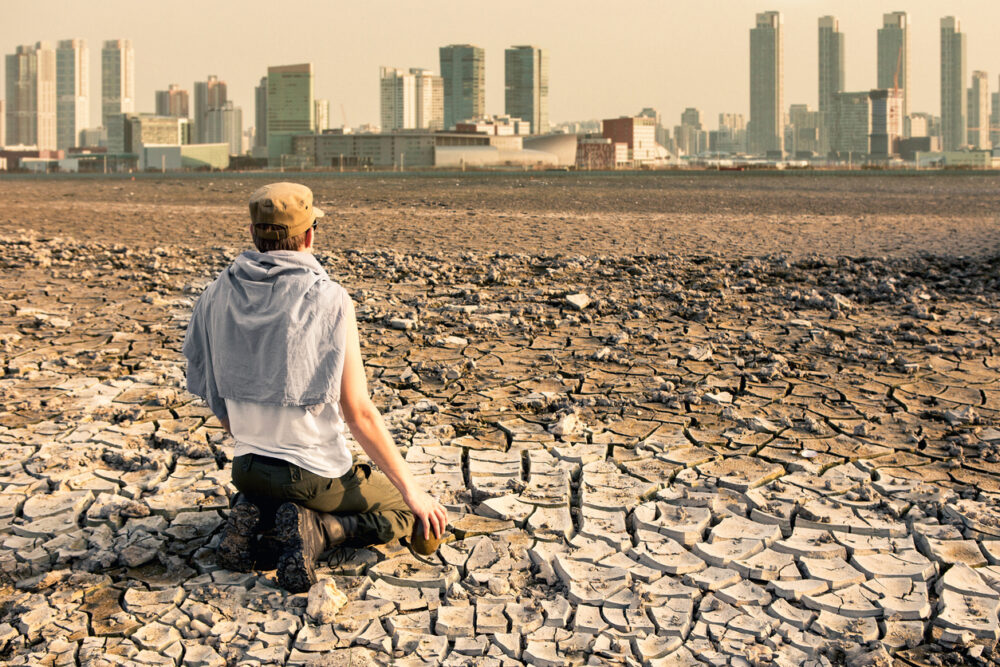
Your City Could Be Next—10 Alarming Signs a Water Crisis Is Closing In

Your tap isn’t as safe as you think, and the worst is yet to come.

©Image license via iStock

America’s water crisis isn’t coming—it’s already here. From vanishing reservoirs to tap water laced with toxins, some of the country’s biggest cities are facing a future where clean, reliable water is no longer guaranteed. Decades of overuse, climate-fueled droughts, and neglected infrastructure have left the nation’s water systems on the edge of collapse. And when the taps go dry, millions will be left scrambling.

This isn’t just a problem for isolated rural towns. Major metro areas are already dealing with failing water systems, extreme weather disasters, and shortages that force residents to ration what little they have. In some places, water has already run out. The cost of inaction is rising, but the solutions are coming too slowly. With resources stretched thin and demand skyrocketing, the real question isn’t if this crisis will reach your city—it’s when. Here’s where the situation is getting worse by the day.

Read more

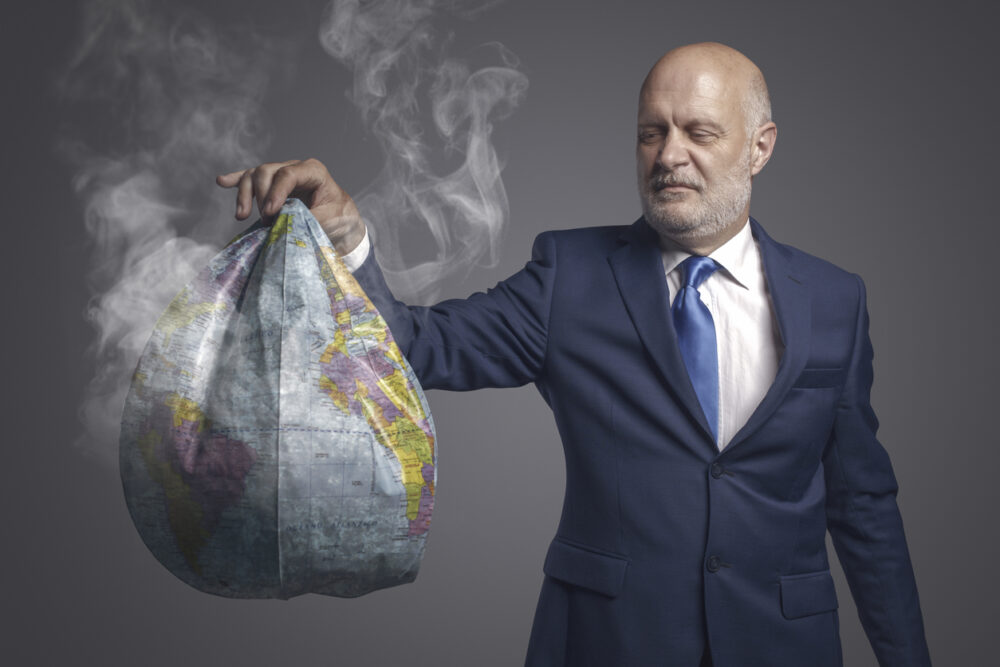
Capitalism Didn’t Just Let the Planet Burn—It Lit the Match

The climate crisis wasn’t an accident—it was engineered for profit.

©Image license via iStock

People love to say the world ended up here because no one cared enough. But that’s not the truth. We didn’t fall into this mess by accident—it was designed this way. The planet wasn’t destroyed by everyday people trying to live. It was torn apart by powerful systems that made more money the worse things got.

Collapse was never a glitch. It was a business strategy. Drill the oil, cut the trees, pollute the water—then sell the solution. Even now, the ones who fueled the damage are still profiting from the cleanup. The rest of us are told to recycle harder while corporations market disaster as innovation. Climate change didn’t sneak up on anyone. The people in charge saw it coming, and they kept going anyway. Not because they didn’t understand—but because they did. And because it paid.

Read more