These 12 Wild Animals Are on the Move Because Climate Change Has Kicked Them Out

Habitat loss is pushing wildlife into unfamiliar, often dangerous territory.

©Image license via Canva

Climate change doesn’t just melt ice caps and fuel storms—it displaces life. As habitats shift, shrink, or vanish altogether, wild animals are being forced to move. For some, that means climbing higher, swimming farther, or walking straight into human territory. For others, it means extinction creeping closer with every season.

This list isn’t about abstract warming trends. It’s about what happens when rising temperatures push species past their tipping points. These animals aren’t “adapting”—they’re reacting to loss, running out of space, and showing up in places they’ve never been before. Their movement is a warning sign. Because when animals are forced to flee, it’s not long before we feel the fallout too.


Read more

11 Ways to Build Real Friendships in a Capitalist Culture Built to Isolate You

Community is a form of resistance when everything feels transactional.

©Image license via Canva

Capitalism doesn’t just drain your time and energy—it actively chips away at your ability to connect. When work hours bleed into evenings, when rest feels like laziness, and when every relationship is filtered through productivity, it’s no wonder genuine friendship feels out of reach. We weren’t built to go it alone, but the systems we live in keep pushing us that way.

Friendship shouldn’t feel like a luxury, a networking opportunity, or one more thing on a to-do list. It should be grounding. Safe. Reciprocal. But in a culture that values performance over presence, building real connection takes intentional, sometimes uncomfortable effort. These aren’t quick fixes or hacks. They’re quiet acts of rebellion—ways to reclaim community in a world that profits from keeping us isolated.

Read more

Your Local Thrift Store Is Dying – 10 Ways Resellers Are Taking From Those Who Need It Most

What used to be survival shopping has become someone else’s profit.

©Image license via Canva

Thrift stores used to be about stretching what little you had. Finding a coat for $4 so you didn’t freeze. Piecing together a work outfit when your paycheck didn’t cover rent. These places were lifelines for people trying to make something out of nothing. Now, they’re being emptied out, styled for TikTok, and resold at ten times the price.

Reselling isn’t new, but the scale is. Apps made flipping instant. Influencers made it trendy. And the people who used to rely on thrift stores? They’re left with scraps. Vintage isn’t the problem—exploitation is. Especially when the racks get cleared for profit before anyone in the community even has a shot. These ten practices aren’t just annoying. They’re actively making it harder to survive.

Read more

Scientists Say Massive Blackouts Are Coming—These 10 Reasons Make It Impossible to Ignore

From climate to cyberattacks, the grid is more vulnerable than ever.

©Image license via Canva

The lights going out used to feel like a rare inconvenience. Now, it’s starting to feel like a warning. Scientists, engineers, and even federal agencies are all saying the same thing: our power grid isn’t built for what’s coming. And what’s coming is hotter, colder, stormier, and far more unpredictable than anything the system was designed for.

It’s not just about climate change, though that’s a huge part of it. It’s about aging infrastructure, rising demand, brittle supply chains, and growing threats from both inside and outside the country. Blackouts aren’t just coming—they’ve already started. And every year, they’re getting harder to prevent, longer to fix, and more dangerous to live through. If you’re still thinking of power outages as a freak event, it’s time to reconsider. The warning signs are here—and they’re impossible to ignore.

Read more

12 Ways Guns Are Reshaping Childhood in a Country That Refuses to Change

Growing up now comes with lockdown drills and bulletproof backpacks.

©Image license via Canva

There’s no way to sugarcoat it: kids in the U.S. are growing up in the shadow of gun violence. It’s not just about tragic headlines—it’s the slow, constant reshaping of what daily life looks like. It’s the way schools feel more like fortresses than classrooms. It’s the fact that some children know how to hide from a shooter before they’ve learned to write their name.

While politicians deflect and the gun lobby digs in, the consequences fall squarely on the youngest generation. Their world is shaped by fear, drills, restrictions, and the heavy knowledge that danger could show up anywhere, anytime.

This isn’t just about physical safety. It’s about trust, stability, and the basic right to feel secure while learning, playing, or just existing. Guns are changing what it means to grow up. And the damage runs far deeper than we’re willing to admit.

Read more

10 Easy Projects Let You Push Back on Fascism With Creativity—No Art Degree Required

When things get bleak, making something is its own kind of resistance.

©Image license via Canva

Fascism thrives on silence, fear, and erasure. It wants control—not just over laws and policies, but over culture, expression, and imagination. And when the world feels like it’s closing in, creative action can be a quiet, steady way to push back. You don’t need to be a trained artist or a full-time activist. You just need a little time, a few supplies, and the willingness to make something that says, I’m still here.

This isn’t about going viral or making something perfect. It’s about using your hands, your voice, or your printer to chip away at the machinery of control. These small projects let you show up, speak out, and share what matters without asking permission. Whether it’s a zine on a café table or a sticker slipped into a library book, the act of making becomes an act of resistance. Even tiny things can remind people they’re not alone.

Read more

Unstoppable Trash Islands Are About to Change Global Politics in 12 Alarming Ways

These man-made islands of waste are triggering military, economic, and political fallout.

©Image license via Canva

They started as pollution. Now they’re floating warnings. Trash islands—vast clusters of ocean plastic, fishing gear, and chemical sludge—aren’t just growing in size. They’re drifting into the heart of international conflict. What used to be an environmental tragedy is rapidly becoming a diplomatic time bomb.

These waste masses are disrupting shipping routes, invading sovereign waters, and sparking legal chaos. Coastal nations are accusing each other of dumping, demanding cleanup, or even deploying military vessels to track floating debris. The environmental fallout is brutal—but it’s the political consequences that are just beginning to surface.

Trash doesn’t respect borders, and neither does the crisis it’s creating. As oceans fill up, the garbage isn’t staying invisible anymore. It’s showing up on radar, in fishing nets, and on political agendas. And the ripple effects? They’re about to get a lot harder to ignore.

Read more

Your Budget’s Tight, Your Time’s Tighter—These 14 Eco Products Still Make a Difference

You don’t need a lot of money or free time to start living more sustainably.

©Image license via Canva

Sustainability can feel out of reach when you’re working with limited time, limited cash, or both. Most advice sounds like it’s written for people with walk-in pantries and Saturdays free for DIY projects. But real life doesn’t work like that. The good news is you don’t need to overhaul your lifestyle or spend a fortune to make a real impact.

These products aren’t just low-waste—they’re low-effort and low-cost too. They’re practical, useful, and easy to stick with, even when your schedule’s a mess. No shame. No perfection. Just smart swaps that cut down on trash, reduce energy use, or save resources without making your life harder. You don’t have to be an eco-warrior to care. And you don’t need to be rich or retired to do something about it.

Read more

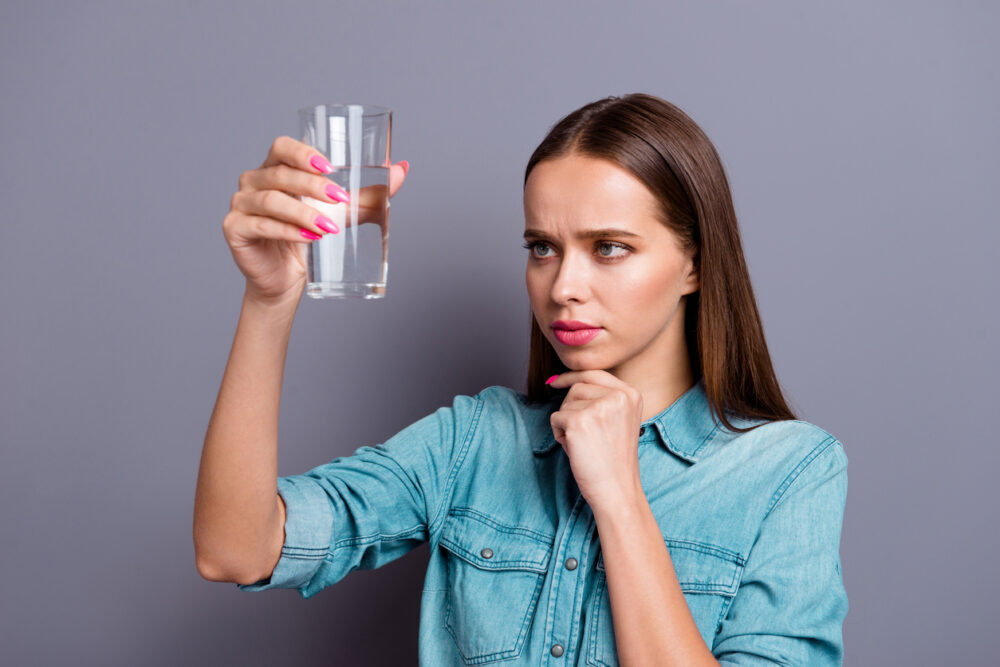
These 13 Toxic Threats Could Be Lurking in Your Tap Water Without You Knowing

From lead to forever chemicals, your faucet might be more dangerous than you think.

©Image license via iStock

Most of us pour a glass of tap water without thinking twice. It looks clear, tastes fine, and it passed whatever safety test the city last reported—so it must be okay, right? Not exactly. Across the country, people are drinking water contaminated with chemicals, metals, and industrial byproducts that never should’ve made it past treatment facilities in the first place.

Outdated infrastructure, weak regulations, and corporate lobbying have created a system that allows dangerous toxins to quietly slip into the water supply. Some contaminants are linked to cancer, others to developmental delays or hormonal disruption. And many of them don’t show up on standard reports. You can’t taste them. You can’t see them. But they’re in there. If you’ve ever assumed your tap water is clean because it hasn’t made headlines, this list will make you think again.

Read more

These 11 Corporate Practices Are Undermining Everything You’re Doing to Help the Planet

Turns out you sorting your trash doesn’t stand a chance against oil lobbyists.

©Image license via Canva

You’ve cut back on meat. You bring your own bags. Maybe you’ve swapped fast fashion for thrift shops and started biking more. And it matters. But here’s the part no one wants to admit: your personal sustainability efforts are being steamrolled by massive corporate operations that profit from pollution, delay regulation, and greenwash their image while quietly wrecking the planet.

Corporations push the burden onto individuals—telling us to recycle better or shop smarter—while they dump waste, exploit loopholes, and lobby against climate action. The worst part? Most of this damage is baked into their business models. They’re not just slipping up—they’re planning for it.

So while you’re agonizing over which type of plastic can be recycled in your city, the companies actually responsible for the crisis are flying under the radar—and making billions doing it.

Read more