13 Buried Histories That Expose the Roots of Today’s Biggest Problems

The past isn’t past when its damage still shapes the present.
©Image license via Canva

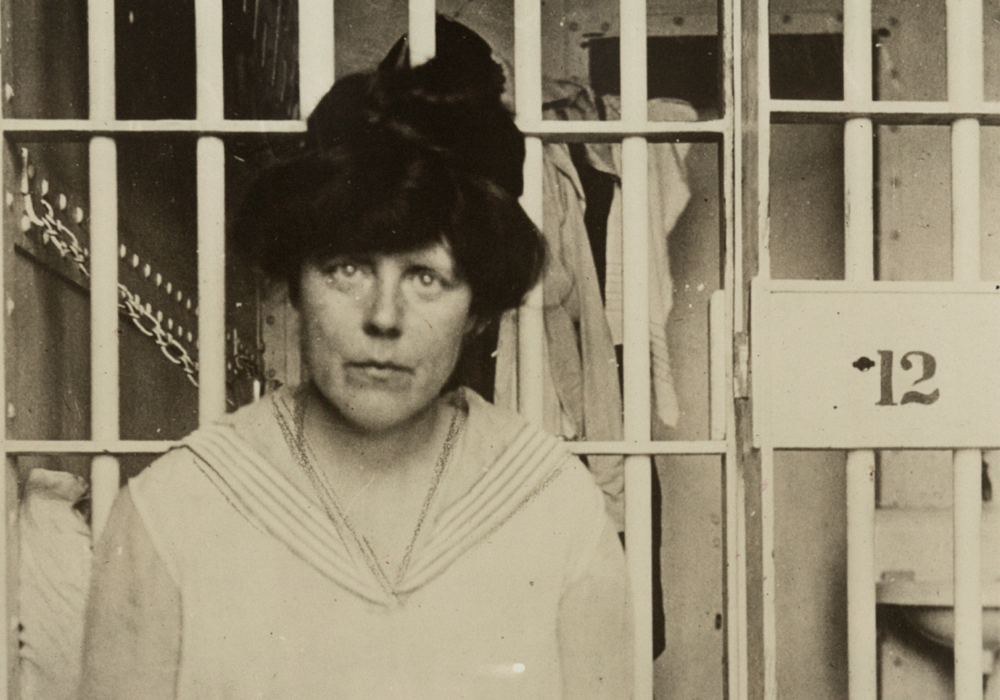
We like to think the past stays buried, tucked away in history books and old photos. But the truth is, so much of what feels chaotic and broken right now has been centuries in the making. Behind today’s headlines are long, tangled roots—stories of exploitation, stolen land, suppressed movements, and choices that never stopped echoing. These aren’t just forgotten chapters. They’re still shaping laws, economies, and even daily lives, whether most people realize it or not.

When we skip over these histories, we lose the full picture of why the world feels the way it does today. It’s not random. It’s not new. And it’s definitely not over. These 13 buried stories help explain how we ended up here—and why understanding them is one of the first steps toward real change. Digging them up doesn’t just connect the dots. It makes it harder to look away.


Read more

Aging Without the Fear—13 Ways Millennials Are Changing the Conversation

Getting older feels different when you refuse to follow old rules.

©Image license via Canva

For a generation raised on mixed messages about youth, success, and survival, it’s no surprise that aging comes with complicated feelings. On one hand, there’s the fear drilled in from every angle: that growing older means losing relevance, beauty, or opportunity. On the other hand, there’s something more defiant taking shape—a quiet refusal to accept that getting older automatically means getting worse. Instead of clinging to youth, people are reshaping what it means to grow up on their own terms.

This shift isn’t about pretending aging doesn’t happen. It’s about rejecting the shame that’s long been tied to it. Whether it’s embracing new kinds of milestones, caring less about outdated timelines, or rethinking how to take care of mind and body, people are finding freedom in the years ahead.

Read more

Online Youth Culture Is Fueling a New Moral Panic—Here Are 12 Reasons Why

The rules young people are writing are leading straight to repression.

©Image license via Canva

The internet was supposed to be freedom’s playground—a place to explore, push limits, and leave old rules behind. For a while, it was. But when fear creeps in, America always races back to control. Prohibition turned panic into policy, banning alcohol in the name of public good but creating chaos instead. The Hays Code gutted Hollywood films for decades, silencing anything too daring or complex. These crackdowns follow a pattern, and we’re back in it now.

Once again, the lines are tightening. Fear of getting it wrong is everywhere, and the list of forbidden ideas keeps growing. Rules meant to protect are choking out freedom instead. The scariest part? We’ve seen this before, and we know how it ends. If we don’t call it out while there’s still time, we’ll find ourselves trapped in the same cycle—only this time, there might be no way back.

Read more

Stop Depriving Yourself—These 14 ‘Bad’ Foods Are Better Than You Think

You’ve been taught to fear these foods, but they’re not the enemy.

©Image license via Canva

Food guilt runs deep, and most of us don’t even realize how heavy it’s become. Every snack feels like a test. Every meal feels like a moral decision. It’s exhausting. Somewhere along the way, certain foods got slapped with a big red warning label, even though they never deserved the hate. The rules get drilled in early—avoid carbs, skip sugar, fear fat—and before you know it, food becomes a battlefield instead of something that nourishes you.

But here’s the thing: most of these “bad” foods aren’t the villains they’ve been made out to be. A lot of them are actually fine, even good for you, in ways the fearmongering skips over entirely. This list isn’t about ignoring health—it’s about dropping the unnecessary shame and remembering that food is meant to fuel you, not punish you.

Read more

Work Until You Drop? 11 Reasons the American Lifestyle Shortens Lives

From burnout to pollution, daily life in the US is wearing us down too fast.

©Image license via Canva

The warning signs are everywhere, but we’ve been trained not to see them. Early heart attacks, rising stress disorders, chronic sleep deprivation—it’s all baked into the rhythm of daily life in the US. The culture pushes people to sprint through each day like their worth depends on it. Fast food replaces real meals. Hustle replaces rest. Healthcare gets priced out of reach, and even our environments turn toxic while we’re too busy keeping up to notice.

This isn’t just about overwork, though that’s a big piece of it. It’s the whole ecosystem of pressure: financial strain, environmental hazards, broken health systems, and social isolation all feeding off each other. Every part of the lifestyle keeps people running on empty. And while the system profits, our health quietly pays the price. These 11 forces are stealing years off our lives—and no one’s coming to fix it for us.

Read more

Stolen Culture, Sold as Self-Care—13 Wellness Trends That Got Whitewashed

Ancestral practices are being sold back to us, stripped of meaning.

©Image license via Canva

Wellness was never supposed to look like this. What began as deeply rooted, culturally significant practices has been twisted into a global market of convenience products and watered-down rituals. Traditions carried for generations, often created out of survival and community care, have been scooped up by brands and influencers chasing profit. Instead of respect, there’s repackaging. Instead of cultural exchange, there’s exploitation.

What makes it worse is how easily these practices are stripped of their original context. Spiritual tools become décor. Communal healing becomes a solo self-improvement project. The deeper meaning behind these traditions gets lost, leaving behind an empty shell marketed as “mindful” or “natural.” These 13 trends reveal how the wellness industry keeps extracting what it wants while ignoring where it came from—and why that theft cuts deeper than a passing fad.

Read more

Make It. Burn It. These 12 Artistic Rituals Were Meant to Be Seen By You—And Only You

Meaning lives in the making, not the masterpiece.

©Image license via Canva

There’s something freeing about creating art that’s never meant to last. No pressure to perfect it, no audience to impress, no expectations hanging over your head. It’s just you, your materials, and the moment. That’s where the real magic happens. Art like this becomes a conversation with yourself, not a performance for the world. It shifts the focus away from outcomes and back toward feeling, expression, and release.

When you let go of permanence, you make space for honesty. The act of creating—and sometimes destroying—helps process emotions that words can’t always reach. It’s catharsis in motion. These rituals aren’t about keeping evidence of your effort. They’re about feeling the full weight of the process, even if the result vanishes. What stays with you isn’t the final product. It’s the clarity, the calm, and the quiet transformation you carry long after it’s gone.

Read more

10 Times Astrology and Politics Collided in History—And What It Warns About Our Future

The sky has been a political map longer than most people realize.

©Image license via Canva

Long before poll numbers and pundits, leaders watched the stars for signs of what lay ahead. Astrology wasn’t a side hobby—it was stitched into the fabric of political power. Kings had court astrologers. Revolutions were timed to cosmic alignments. Even now, when astrology is often written off as frivolous, it quietly shapes public moods and political momentum more than people admit.

Cycles repeat. What once guided emperors still sparks conversations today, from Saturn returns in election years to eclipses landing right on moments of upheaval. These historic intersections between astrology and politics aren’t just fascinating stories—they’re reminders that humanity has always searched for meaning in chaos. The patterns don’t control us, but they reflect us, illuminating fears, hopes, and power struggles that never really go away. These ten moments reveal just how often the sky and power have moved in tandem.

Read more

Life Doesn’t Let Up—But These 13 Tools Will Strengthen Your Emotional Resilience

You can’t stop the chaos, but you can change how you carry it.

©Image license via Canva

Resilience doesn’t mean pretending you’re okay all the time. It’s not about being tough or unaffected—it’s about learning how to move through life’s hard moments without losing yourself. And in a world that rarely slows down, building emotional resilience isn’t just helpful. It’s essential.

You don’t need to be naturally calm, endlessly patient, or wired for optimism to become more resilient. These tools are learnable. They’re practical. And they meet you exactly where you are—even if that place is exhausted, scattered, or on the edge of burnout. They won’t make life easy, but they can make you sturdier. They can help you feel less like you’re bracing for the next hit and more like you can handle what’s coming. If the chaos isn’t going anywhere, it matters how you carry it.

Read more

Your Grandchildren May Never Witness Wild Animals Roam Free—12 Forces Destroying Their Habitats

The countdown to extinction is speeding up.

©Image license via Canva

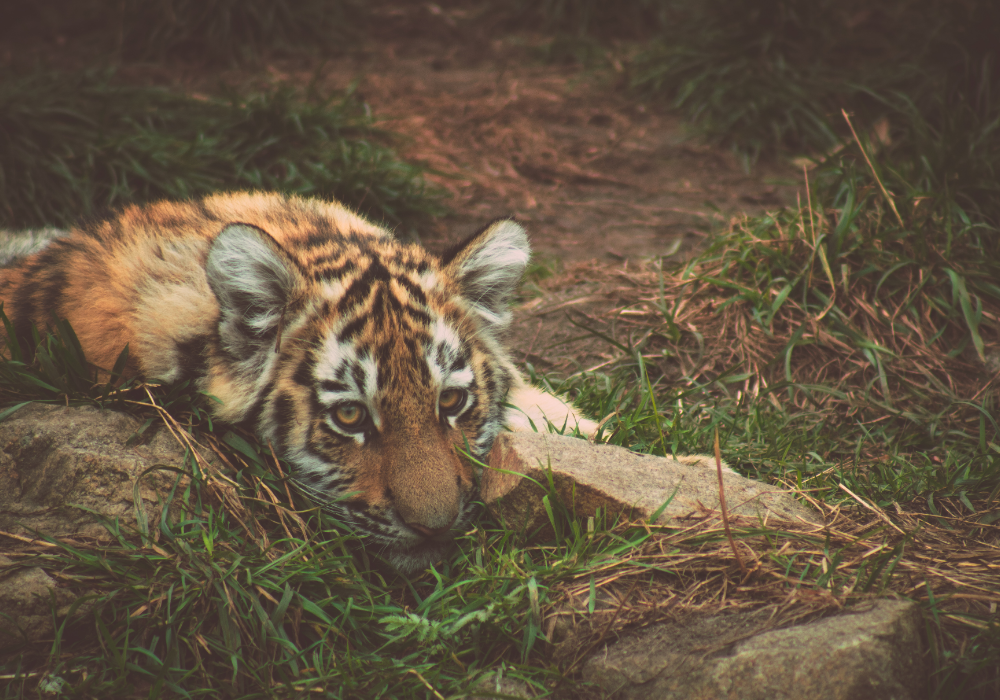
The quiet is spreading faster than anyone expected. Places once alive with birdsong, hoofbeats, and rustling undergrowth are falling silent, emptied out by forces that never sleep. It’s not a far-off threat waiting for future generations—it’s already happening. Habitat loss is carving away at wild spaces daily, shrinking the living world into smaller, more desperate corners. And no matter how many nature documentaries soften the blow, the reality is far starker than it looks on screen.

What’s happening isn’t random. It’s systematic, fast, and driven by decisions made in boardrooms and ballot boxes. Forests aren’t disappearing by accident. Grasslands aren’t vanishing on their own. These places are being devoured, cleared, and fragmented by human ambition, leaving wildlife with nowhere to go. If we’re not careful, future generations will inherit a world where wild animals exist only in books and fading memory, their homes long since erased.

Read more