13 Surprising Zero-Waste Hacks from Seniors Who Grew Up with Nothing

They didn’t call it sustainable living—they just called it getting by.

©Image license via Canva

Long before reusable bags and compost bins became lifestyle trends, older generations were living low-waste lives out of pure necessity. What we now call “eco-conscious” was just called being resourceful. They mended instead of tossed, stretched meals into weeks, and found a second (or third) use for just about everything.

For many who grew up during the Great Depression, World War II, or lean postwar years, waste simply wasn’t an option. And while technology has changed, their wisdom hasn’t lost its power. These zero-waste habits weren’t designed to go viral—but they worked. And in a world drowning in packaging, fast fashion, and food waste, it’s worth revisiting how thrift, resilience, and creativity built a lifestyle that didn’t leave so much behind. These are the surprising, practical tricks today’s sustainability movement could learn a lot from.

Read more

Crypto Might Make You Rich—But These 11 Costs to the Earth Are Devastating

The profits are digital, but the damage is painfully real.

©Image license via Canva

Crypto’s impact isn’t limited to your wallet. While headlines hype massive payouts and overnight millionaires, what often gets overlooked is the environmental wreckage left in its wake. Mining, trading, and even storing cryptocurrency all require enormous amounts of energy—and that energy isn’t coming from thin air. It’s powered by real electricity, real fossil fuels, and real consequences for the planet.

The industry loves to present itself as futuristic and untouchable, but the damage is happening right now. From coal-fired data centers to e-waste mountains and groundwater strain, crypto’s hidden costs are piling up fast. And the faster it grows, the harder it gets to ignore. These aren’t abstract problems. They’re ecological emergencies disguised as innovation. If we’re going to talk about what crypto creates, we also need to talk about what it destroys. Here’s where the digital gold rush leaves a scar.

Read more

You Don’t Need to Be Fixed, You Need to Feel Safe—13 Holistic Ways to Find Emotional Peace

When your body feels safe, your mind begins to quiet.

©Image license via Canva

Emotional peace doesn’t come from trying harder—it comes from feeling safer. For many of us, the constant tension, overthinking, or shutdown isn’t a personality flaw. It’s a nervous system doing its best to cope with a world that hasn’t always felt safe, soft, or forgiving. The goal isn’t to fix yourself—it’s to create the conditions where your body finally feels like it can exhale.

That’s where holistic practices come in. These aren’t quick fixes or rigid routines. They’re gentle invitations to return to yourself. From grounding rituals to nervous system regulation to reconnecting with sensory safety, these methods work not by changing who you are—but by giving your body the message it’s okay to rest. Peace isn’t about being perfect or always calm. It’s about having tools that help you come back to center, again and again, when the world pulls you away. These practices make space for that return.

Read more

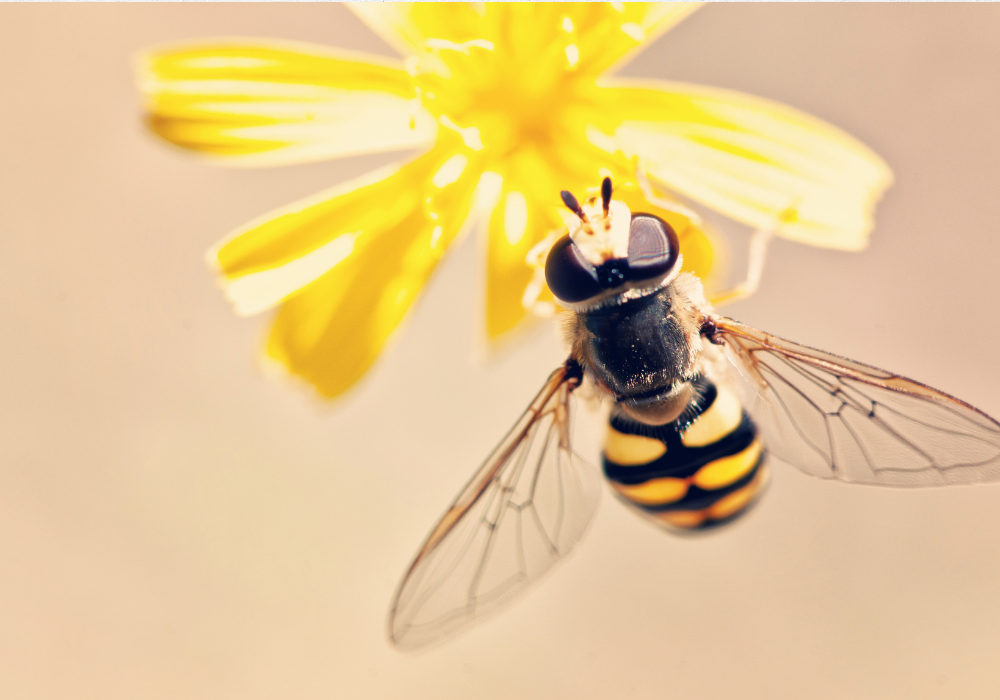
Are You Killing Bees and Butterflies with These 12 Common Yard Features?

That “perfect” lawn might be silently wiping out local wildlife.

©Image license via Canva

Pollinators don’t need much—just the right plants, clean water, and a safe place to land. But modern landscaping has quietly turned many yards into death traps. The pesticides, the tidy monoculture lawns, the decorative mulch—what looks clean and controlled to humans often reads as sterile or hostile to bees, butterflies, and other beneficial insects.

Even well-intentioned choices can backfire. Popular garden products, ornamental plants, and maintenance habits may be driving pollinators away—or killing them outright. And since most of this damage happens slowly and invisibly, it’s easy to miss the connection. But if your yard feels oddly quiet or your flowers aren’t getting visits like they used to, it’s worth taking a closer look. These are some of the most common backyard features that disrupt or destroy pollinator habitats—and how small changes can make your outdoor space part of the solution instead of the problem.

Read more

Rising UV Exposure Is Making Dermatologists Rich—10 Reasons Skin Cancer Is On the Rise

The sun’s getting stronger, but most people haven’t changed their habits.

©Image license via Canva

Skin cancer rates aren’t rising by accident. While medical advances have improved detection, the environmental and behavioral risks behind the surge are getting harder to ignore. Ultraviolet radiation is intensifying thanks to climate change and ozone depletion, yet sunscreen still feels optional for many. Tanning culture hasn’t disappeared—it’s just gotten sneakier. And daily exposure adds up faster than people realize.

What’s especially concerning is how preventable most of this is. We know how to protect ourselves, but bad habits, misleading product claims, and outdated ideas about sun safety keep getting in the way. Meanwhile, dermatologists are busier than ever—not because skin suddenly got weaker, but because the world around it did. These are the key reasons skin cancer is rising—and why protecting yourself now takes more than just slathering on SPF once a day.

Read more

Boomers Created a Planet Crisis and Now Deny It—12 Undeniable Facts They Need to Accept

The next generation is living through the fallout in real time.

©Image license via Canva

The climate crisis didn’t appear out of nowhere—and it’s not the result of “kids today being too sensitive.” It’s the outcome of decades of pollution, deregulation, and political inaction. While younger generations are grappling with record heat, ecosystem collapse, and unaffordable adaptation costs, some of the loudest voices in denial still come from the generation that oversaw the damage.

This isn’t about blame for the sake of blaming. It’s about truth. The decisions made in boardrooms, ballot boxes, and suburban sprawl between the 1950s and early 2000s helped shape the ecological disaster we’re living with now. And many of those same voices still resist meaningful change—while claiming climate disasters are overblown. These are the facts that can’t be spun or softened. They’re not up for debate, and they’re not projections. They’re the consequences we’re already living through, and the receipts are everywhere.

Read more

10 Hidden Forces That Make Sustainable Living Harder Than It Should Be

The struggle isn’t in your effort—it’s baked into the system.

©Image license via Canva

Trying to live sustainably feels like running up a down escalator. You’re making changes, cutting waste, and doing your part, but somehow it still feels exhausting. That’s not a failure on your end—it’s the system working exactly as designed. Convenience culture, corporate greed, and infrastructure gaps quietly push against every eco-friendly choice you try to make.

Even when your intentions are solid, you’re forced to navigate confusing labels, limited access, and greenwashed products that don’t live up to the hype. It’s frustrating because it shouldn’t be this hard. Small, sustainable choices are treated like special exceptions instead of basic standards. The more you see these forces at work, the easier it becomes to step around them—or push back altogether. This isn’t about blaming yourself for the struggle. It’s about naming what’s really making sustainability feel so much harder than it needs to be.

Read more

Your Closet’s Not Vintage—It’s Just a Hoarder’s Graveyard With Better Lighting

Keeping everything for “someday” just makes it harder to get dressed today.

©Image license via Canva

Closet chaos isn’t just about clutter—it’s about denial. We hang on to jeans from three sizes ago, dresses we wore once to a wedding, and tops we think might come back in style if we just wait long enough. It’s easy to justify. It’s sentimental. It’s sustainable. It’s “vintage.” But most of the time, it’s just overwhelming.

What starts as personal style becomes a holding pen for old identities, shopping regrets, and lifestyle fantasies we haven’t outgrown. And while good lighting and aesthetic bins might make it feel intentional, no amount of LED strips can turn chaos into clarity. The real power move isn’t buying better—it’s learning to let go. These are the patterns, excuses, and emotional crutches keeping your closet jammed with things you don’t wear, don’t love, and maybe never needed in the first place.

Read more

You’re Paying Extra for Nothing—12 Times Packaging Drives the Price Up

The prettier it looks, the more they know they can charge you.

©Image license via Canva

Packaging doesn’t just hold the product—it sells it. Slick boxes, matte finishes, custom seals, layered wraps. These things don’t improve quality, but they do justify a higher price tag. Companies know it. Shoppers feel it. But most of the time, we accept it because it feels normal. That extra polish gives the illusion of luxury, safety, or sustainability—even when there’s nothing new inside.

It’s not just about aesthetics, either. Packaging plays on emotion, status, even guilt. Is it organic? Eco-friendly? “Curated”? Once the label sounds elevated, so does the price. And that means we’re often spending more for the packaging than the actual product. When companies know we’ll pay for image over substance, they lean into it hard. These are the spots where flashy packaging quietly inflates the cost—without giving you anything extra in return.

Read more

The Climate Alarm’s Been Ringing for Decades—12 Reasons We Keep Hitting Snooze

We’ve heard the warnings, but learned to live like they don’t matter.

©Image license via Canva

The facts haven’t exactly been subtle. We’ve had satellite data, IPCC reports, record-breaking weather, and scientists practically begging the world to pay attention. But despite the noise, most people still go about life like the worst is always somewhere far off. It’s not ignorance—it’s exhaustion, denial, distraction, and systems that quietly reward inaction. We didn’t sleep through the climate crisis. We just kept hitting snooze.

The alarm’s been sounding for decades, but instead of jolting us into urgency, it’s become background noise. Comfort, convenience, and confusion keep winning out. Meanwhile, carbon climbs, ecosystems crash, and every year of delay gets harder to undo. Understanding what’s really behind the silence—the internal blocks and external forces—might be the only way to finally shake us awake. These aren’t just excuses. They’re the deeply wired, socially reinforced reasons we keep putting off the one thing we can’t afford to postpone.

Read more