Who’s Really Keeping the House Running? These 12 Signs Show the Load Isn’t Equal

If it feels like you’re the only one who notices what needs doing, you probably are.
©Image license via iStock

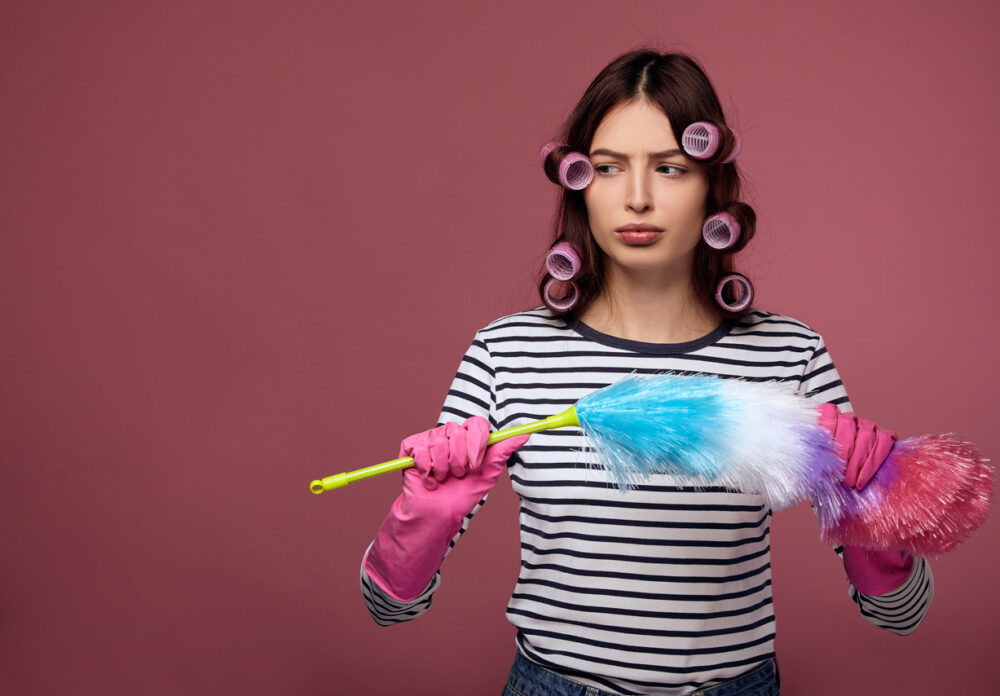
You shouldn’t have to spell it out. The trash is full. The laundry’s piling up. The dentist appointment hasn’t been scheduled. And yet, somehow, it all ends up in your brain. You’re not just doing tasks—you’re tracking them, planning them, reminding others to do them, and dealing with the fallout when they’re forgotten. It’s not about one partner being lazy. It’s about one person being quietly responsible for the entire invisible web that keeps life functional.

This is the mental load. And if you’re the one carrying it, you don’t need a list to prove it—you’re already exhausted. But naming it helps. Because when we don’t talk about the emotional, mental, and anticipatory labor it takes to run a household, we end up treating it like a personality difference instead of the imbalance it is. These 12 signs reveal what carrying the hidden load really looks like.


Read more

Everyone’s Talking About Their “Existential Dread”—These 13 Reasons Explain What’s Really Going On

Beneath the routines and group chats, something feels deeply off.

©Image license via iStock

You’re still going to work, texting friends, reheating leftovers—but something under the surface hums with discomfort. It’s not just stress. Not just burnout. It’s a sense that things aren’t adding up. That what you’re told to care about doesn’t match what actually matters. That the future feels vague, or maybe too sharp. The world didn’t suddenly become apocalyptic overnight. But piece by piece, it stopped feeling like something you could rely on.

This dread doesn’t mean you’re broken—it means you’re noticing. Your nervous system, your instincts, even your emotions are responding to things your mind hasn’t fully named yet. You’re not alone in that low-frequency panic. So many people are quietly unraveling while pretending to keep it together. These 13 patterns help explain why—and why that feeling won’t just go away with another deep breath or productivity hack.

Read more

The Eco Movement Got Co-Opted—These 11 Trends Prove It’s All About Appearances Now

It used to feel like a cause, but now it just feels like content.

©Image license via iStock

There was a time when caring about the Earth felt like a radical act. It meant making hard choices, asking real questions, and building something outside the system. It wasn’t polished. It wasn’t pretty. It was messy, emotional, and deeply personal. Now? It feels like something you’re supposed to perform. Something you curate for your grid. Something you buy your way into.

This isn’t about gatekeeping. It’s about grief. The environmental movement used to be about collective urgency. Now it’s filtered through brands, trends, and shallow slogans. You still care. A lot of us still do. But the culture around climate action has changed—and not always for the better. These 11 trends capture what it feels like to watch something meaningful turn into something marketable.

Read more

These 10 “Fixes” for Your Body Just Reinforce the Idea That It’s a Problem

Once you become the project, you forget you’re a person.

©Image license via iStock

It starts out subtle. A new supplement, a stretching routine, a better way to eat. Harmless, right? Until every choice starts whispering that what you are isn’t quite enough. Your skin needs correcting. Your posture needs adjusting. Your stomach needs shrinking. Somewhere along the way, self-care turns into self-surveillance. You stop tending to yourself and start managing yourself.

This isn’t about giving up on growth—it’s about seeing the trap. Improvement culture thrives when you never arrive. When the goalpost keeps moving. When you believe that if you just fix the next thing, you’ll finally feel at home in your own skin. But some of these “fixes” don’t free you. They just keep you looping in the belief that comfort must be earned. And the more you try to get it right, the more distant ease becomes.

Read more

Don’t Wait for a Diagnosis—11 Natural Signs Your Body Needs a Reset Right Now

Invisible clues are urging you to take control of your health.

©Image license via iStock

You don’t have to be bedridden for your body to be asking for help. Most of the time, the earliest signs that something’s off are easy to overlook—especially if you’re busy, stressed, or used to powering through discomfort. But these subtle shifts aren’t random. They’re signals. They’re the body’s way of whispering before it has to shout.

This isn’t about diagnosing yourself or replacing professional care. It’s about tuning in earlier, so you’re not waiting for burnout, chronic symptoms, or a full-on crash to take your wellbeing seriously. These signs don’t mean you’re broken. They mean your system is trying to rebalance—and it’s asking you to notice. The more you pay attention, the more agency you have in getting the care you need, whether that means more rest, more support, or a conversation with someone who can help.

Read more

Addicted to Your Phone? 12 Alarming Ways Tech Is Harming Your Brain and Body

The apps aren’t just stealing your time—they’re rewiring your biology.

©Image license via iStock

You know you check your phone too much. Most of us do. But this isn’t just about wasting time or losing sleep—it’s about what constant digital stimulation is doing to your nervous system, your memory, your focus, and even your posture. These apps weren’t made to support your well-being. They were made to hijack it. And the effects don’t just stay on the surface.

This isn’t about blaming yourself or swearing off screens. It’s about understanding the real, physical toll of habits that have quietly become reflexes. The longer we ignore what the scroll is doing to our brains and bodies, the harder it becomes to pull away. These warning signs aren’t just mental—they’re deeply physiological. And the more aware you become, the more power you have to protect your energy, your health, and your attention.

Read more

Think Men Don’t Have Feelings? 13 Emotional Barriers Men Face That You Might Not Realize

A lifetime of holding it in doesn’t make anyone strong.

©Image license via iStock

He might not cry at the movie. He might shrug when he’s hurting. He might joke instead of open up. But that doesn’t mean the feelings aren’t there. It just means he was never taught how to show them—and may have been punished when he tried. Masculinity doesn’t erase emotion. It teaches men to bury it, deny it, and power through it until they forget where they put it in the first place.

These emotional shutdowns don’t just happen out of nowhere. They’re reinforced—by culture, by peers, by families, and by survival. And while those patterns may protect boys from being labeled “weak” when they’re young, they leave grown men disconnected, lonely, and often silently grieving what they’ve never been allowed to feel. This isn’t about blaming individuals. It’s about seeing the cost of systems that punish vulnerability and mistake silence for strength.

Read more

The Hype Around Wind Power Is Starting to Crack—10 Weather Red Flags We Can’t Ignore

When the forecast gets unstable, so does our energy future.

©Image license via iStock

Wind power was supposed to be the golden child of clean energy—endless, renewable, and ready to replace fossil fuels. But nature isn’t as predictable as the marketing made it seem. As climate patterns shift and extreme weather becomes more common, the same force we’ve tried to harness is becoming harder to count on. Wind farms that once spun steadily are now dealing with sudden droughts in movement, violent storms, and erratic gusts that grid systems aren’t built to handle.

This isn’t a takedown of renewables—it’s a reality check. Wind power still has huge potential, but it’s facing weather problems we can’t afford to ignore. The more we rely on it, the more we need to understand what happens when the wind doesn’t play along. These red flags aren’t theoretical—they’re already showing up in power outages, supply shortages, and skyrocketing backup costs. And if we don’t adapt fast, the cracks will only get wider.

Read more

Your Anxiety Has a Root Cause, and These 12 Holistic Practices Help You Find It

These powerful mind-body techniques don’t just soothe anxiety, they reveal its source.

©Image license via iStock

Anxiety isn’t just a random glitch in your system—it usually has a deeper root. Maybe it’s unprocessed trauma, chronic stress, unresolved grief, or even physical imbalances that have gone unnoticed for years. Whatever the cause, your body and mind are trying to send you a message, not just make your life miserable. The problem is, most of us are taught to silence the symptoms instead of listening to them. We reach for quick fixes, numbing habits, or surface-level solutions, hoping to make the feeling go away without ever asking why it showed up in the first place.

But anxiety doesn’t exist in a vacuum. It has a story, and if you can get quiet and curious enough, you can begin to uncover it. Holistic practices don’t just help you feel better—they help you understand yourself better. And that’s the real path to lasting peace, not just temporary relief.

Read more

You Don’t Have to “Fix” Your Aging Body—These 10 Natural Practices Make It Feel More Like Home

Aging doesn’t mean losing yourself, but it does mean listening differently.

©Image license via iStock

There’s a quiet pressure that creeps in with every birthday—fix your posture, erase the wrinkles, stretch more, eat less, speed up, slow down. The messaging is relentless: aging is a problem to solve. But your body isn’t broken—it’s changing. And it’s asking you to change with it. That doesn’t mean giving up or giving in. It means shifting from control to connection, from discipline to dialogue.

When you treat your body like something to correct, you miss the wisdom it’s offering. Pain, fatigue, stiffness—these aren’t failures. They’re requests. And when you start listening, something shifts. You stop chasing your younger self and start living more fully in the one you’ve got. These practices won’t reverse the clock, and they’re not meant to. They’ll help you soften into your body instead of bracing against it. Because feeling at home in yourself isn’t about age—it’s about attention.

Read more