The Internet Stole Boredom—11 Quiet Pleasures That Disappeared With It

Idle moments made space for wonder, but the scroll took those too.
©Image license via iStock

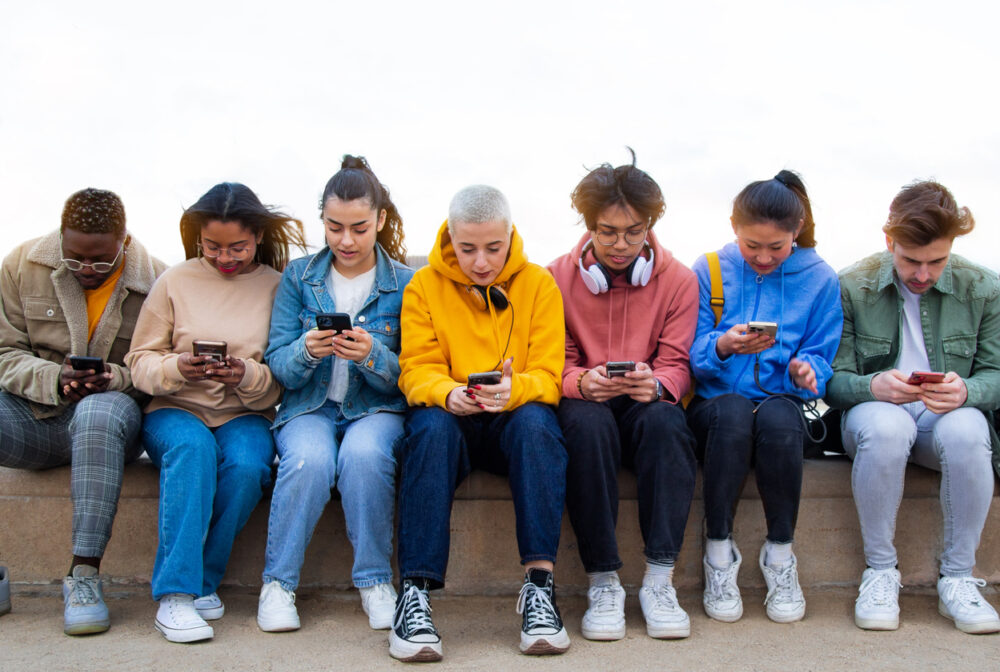
There used to be entire pockets of the day when nothing happened—and they weren’t something to dread. They were where imagination lived. You stared out the car window and made up stories. You let your mind drift while waiting in line. You sat on the porch with no agenda, just air and time. But those little spaces got filled. Notifications, videos, endless feeds. The quiet gaps were replaced with noise, distraction, and algorithms that never sleep.

It wasn’t just boredom we lost—it was the gentle rhythm that came with it. The space to think a thought all the way through. The slow build of anticipation. The way rest used to feel like rest instead of guilt. Now, we reach for stimulation without even noticing. The phone’s already in our hand. The scroll starts before we realize we’re searching for something. These lost pleasures didn’t vanish all at once. They faded out quietly—one tap at a time.


Read more

You Can’t Hear the Forest Anymore—10 Subtle Losses That No One’s Grieving

The world is thinning out and we’re too distracted to care.

©Image license via iStock

You don’t always notice when something disappears. Especially when it goes quietly. No breaking news. No viral footage. Just a little less birdsong in the morning. A patch of wildflowers that doesn’t come back. That certain smell in the air after rain—gone without fanfare. These aren’t headline-grabbing extinctions or massive disasters. They’re the softer unravelings. The quiet subtractions from daily life that feel too small to mourn but too important to ignore.

We’re told to worry about the big picture—carbon emissions, rising seas, wildfire seasons that never end. But while our attention is pulled to the spectacular, the ordinary world is dissolving right under our feet. The losses are subtle, sensory, almost invisible. And that’s what makes them so dangerous. By the time we realize what we’ve lost, we’ve already adapted to the absence. The forest isn’t silent yet—but it’s quieter than it should be. And the silence is spreading.

Read more

Stop Following These 12 Budget Tips—They’re Tricking You Into Staying Broke

These hacks promise to help, but they’re really teaching you how to settle for less.

©Image license via iStock

Every time you scroll past a “money-saving hack,” it feels like someone’s handing you a flashlight in a blackout. But then you try it—and somehow, you’re still in the dark. A lot of popular budget advice sounds smart on the surface. Cook at home. Cut subscriptions. Freeze your credit cards in a block of ice. What gets lost in the glow of these hacks is that most of them aren’t built for real economic survival. They’re designed to distract you from how rigged the system actually is.

These tips weren’t made for an era of skyrocketing rents, cratered wages, and impossible medical bills. They’re relics of a world where cutting back felt empowering instead of humiliating. And they work best when your only goal is to survive, not thrive. It’s time to stop mistaking deprivation for discipline—and start questioning who benefits when you’re told to settle for less.

Read more

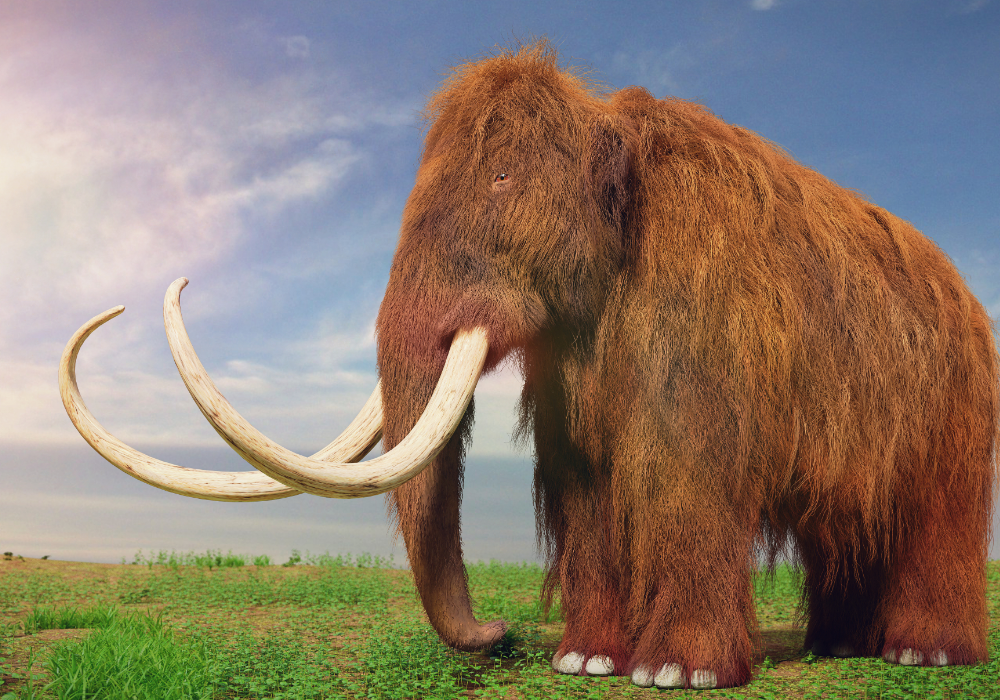
Prehistoric Predators So Terrifying, You’ll Be Glad They’re Extinct

If these monsters still roamed the Earth, we wouldn’t stand a chance.

©Image license via Canva

Imagine living in a world where stepping outside meant taking your chances with creatures bigger, faster, and meaner than anything alive today. Prehistoric Earth wasn’t just dangerous—it was a full-on nightmare factory. Everywhere you turned, there were predators designed by millions of years of evolution to hunt, kill, and dominate. Survival wasn’t about being strong or smart; it was about not ending up on the menu. We think sharks, lions, and crocodiles are scary now, but they don’t even scratch the surface compared to what once roamed this planet.

Some of these ancient beasts had teeth longer than your forearm, armor thick enough to shrug off attacks, and instincts so sharp that even a split-second mistake meant certain death. It’s almost unbelievable how intense life used to be. Honestly, it’s a miracle anything survived long enough for humans to even show up. One thing’s for sure—you’ll be glad these monsters are long gone.

Read more

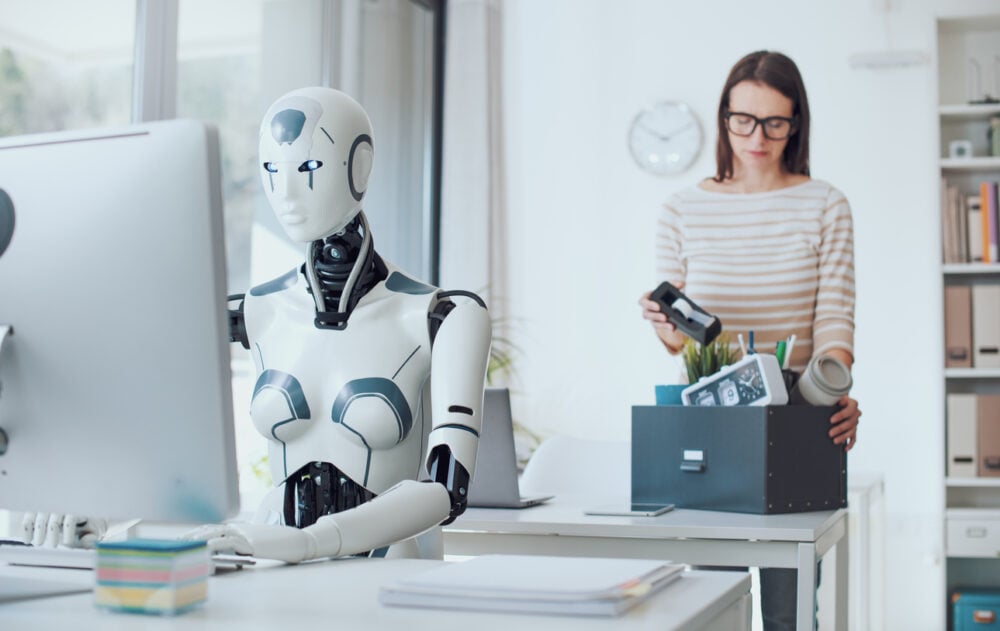
Think AI Doesn’t Affect You? 12 Urgent Realities That Should Be Your Wake-Up Call

You may feel safe now, but AI is changing everything behind the scenes.

©Image license via iStock

You might think AI is just some tech buzzword that doesn’t really touch your life—but it already does, in ways you probably don’t even realize. It’s not something creeping up on us slowly. It’s here, baked into daily routines, decisions, and opportunities without most people even noticing. Every scroll, every search, every recommendation feels normal, but behind the scenes, algorithms are shaping what you see, what you believe, and sometimes even what you choose. AI isn’t just about robots taking jobs or weird experiments in labs.

It’s quietly changing industries, economies, and even relationships in ways that are impossible to ignore once you see it. The scary thing? Most of the biggest changes are happening faster than laws, ethics, or common sense can keep up. If you’re still thinking AI is someone else’s problem, it’s time for a serious wake-up call—because it’s already rewriting the world you’re living in.

Read more

10 Reasons It Feels Harder to Concentrate That Have Nothing to Do With Willpower

There’s more working against your attention than you think.

©Image license via iStock

If you’ve been struggling to focus lately, you’re not alone—and you’re not just lazy, unmotivated, or undisciplined. Concentration isn’t just a personal skill. It’s a resource shaped by everything around you: your environment, your nervous system, your daily stress load, and the constant barrage of notifications, news, and noise. In a world that’s designed to fragment your attention, struggling to stay present isn’t a personal failure. It’s a predictable outcome.

We talk about focus like it’s just a matter of trying harder. But trying harder doesn’t quiet a buzzing phone, heal a tired brain, or fix a system that profits from your distraction. Real concentration needs space, stability, and nervous system regulation—things that are in short supply for most people. Before you blame yourself for zoning out again, consider what might actually be getting in your way.

Read more

11 Moments That Felt Small but Changed How You Trust People Forever

Some lessons don’t come loud—they come sharp and permanent.

©Image license via iStock

It doesn’t always take betrayal to break your trust. Sometimes, it’s something quieter—a pause too long, a joke that lands wrong, a truth they chose not to tell. You might not even realize it at first. The moment passes. The conversation ends. But something in you shifts. Maybe just a little. Maybe permanently.

Trust doesn’t disappear in one dramatic blow. It erodes. One comment, one cold shoulder, one misstep you couldn’t unsee. These aren’t always the big fights or grand exits. They’re the moments that leave a mark without meaning to—the ones you think about later, when your guard is up and you can’t quite explain why. You keep moving, but the edge stays. These are the small fractures that changed the way you trust, even if you never said a word about them.

Read more

Your Grocery Cart in 2030—Here Are 12 Climate-Driven Changes to Expect

Your weekly haul is about to tell a very different story.

©Image license via iStock

You won’t need a breaking news alert to see the effects of climate change—you’ll see it in your grocery cart. Shortages, substitutions, price hikes, and packaging changes are already creeping in, and by 2030, they won’t be the exception. They’ll be the new baseline. That perfectly ripe avocado? Maybe not so perfect. That affordable gallon of milk? A lot less affordable. The foods we take for granted today are being reshaped by drought, heat, floods, and shifting global supply chains.

What shows up on shelves in the next few years won’t just reflect market trends. It’ll reflect climate reality. Farmers are already planting different crops. Corporations are scrambling to protect fragile supply lines. Some products will disappear altogether. Others will quietly morph into climate-optimized versions of what they used to be. These changes won’t always be obvious—but they’ll be everywhere. Here’s how the climate crisis is already rewriting your grocery list.

Read more

The Stars Won’t Save Us—But These 11 Astrological Patterns Still Feel Eerily Accurate

Coincidence or not, the sky keeps lining up with the chaos.

©Image license via iStock

You don’t have to believe in astrology to notice when it’s a little too on point. A full moon hits, and everything feels off. Mercury retrograde rolls around, and your emails glitch, your ex texts, and your travel plans implode. Maybe it’s coincidence. Maybe it’s pattern recognition. Maybe it’s something deeper that language can’t quite explain. But for a system that’s thousands of years old, astrology has a strange way of keeping up with the times.

The stars won’t stop climate collapse or late-stage capitalism. But they might offer a weirdly accurate mirror to what’s unfolding around—and inside—us. Whether it’s collective burnout, personal upheaval, or massive societal shifts, there always seems to be a cosmic transit that lines up with the moment. These 11 astrological patterns won’t fix anything. But if you’ve been feeling the chaos, they might help you name it.

Read more

The Shadow Economy That Shapes Your World—12 Hidden Networks of Power

These systems aren’t underground—they’re just invisible by design.

©Image license via iStock

Power doesn’t always announce itself. It doesn’t need to. Some of the most influential forces in your life operate quietly—behind closed doors, beneath headlines, or buried in contracts no one reads. These aren’t fringe conspiracies or black-market backchannels. They’re legal, institutional, and often celebrated. But they run on opacity, complexity, and distraction. You don’t see them, but they’re steering prices, shaping policy, and deciding who gets to thrive—and who doesn’t.

This shadow economy isn’t one thing. It’s a web of interconnected systems designed to move wealth, influence, and control while staying just out of sight. It’s why inequality widens, why governments hesitate, and why crises keep compounding. These hidden networks aren’t accidents. They’re intentional architectures built to protect power. And once you know where to look, it becomes a lot harder to pretend they aren’t shaping everything.

Read more