Scientists Warn Climate Change Could Leave Millions Suffering from Chronic Pain

Rising temperatures could make joint pain, migraines, and inflammation much worse.
©Image license via iStock

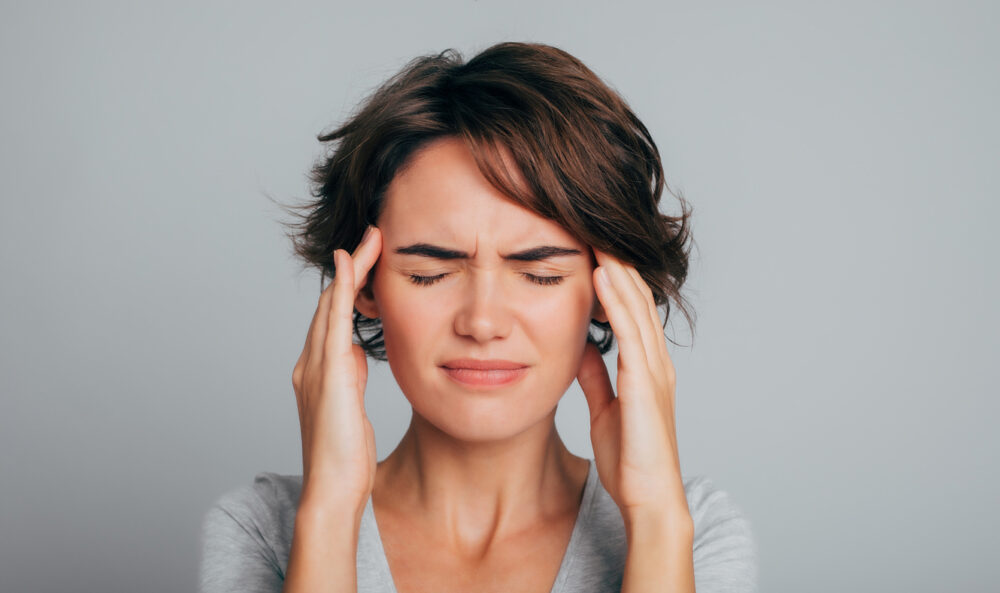
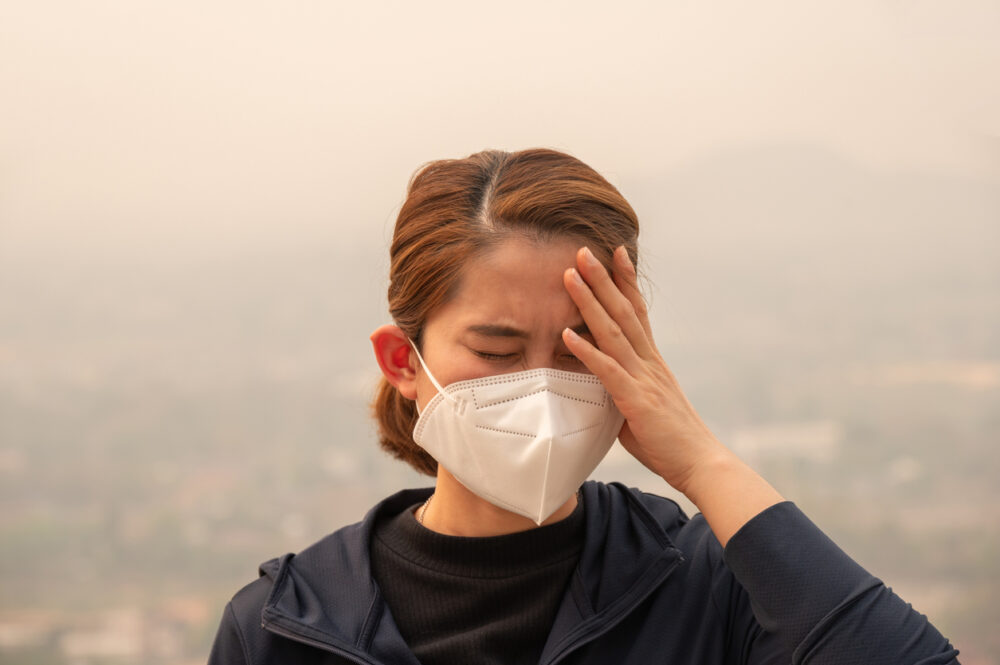
When people talk about climate change, they often focus on floods, fires, and rising seas. But there’s another impact that’s already creeping in—one that’s quieter, harder to track, and deeply personal. Chronic pain. From joint inflammation to migraines to nerve disorders, heat and environmental instability are creating physical strain that many bodies can’t adapt to. And for millions, it’s becoming a daily reality.

Pain isn’t just about injury or illness. It’s also about weather, stress, sleep, hydration, and pressure changes—things that climate change is steadily disrupting. Doctors are starting to see the trend, and scientists are sounding the alarm. As the planet warms, our nervous systems are being pushed to their limits. These aren’t isolated symptoms. They’re part of a much bigger feedback loop between climate and the body. And if nothing changes, pain could become one of the most widespread—and invisible—side effects of the crisis.


Read more

Memory Was Never Meant to Be Accurate—11 Ways It Rewrites the Past to Protect You

What you recall is often shaped by what you needed to forget.

©Image license via iStock

Memory feels solid. You think back and see the moment clearly—what you said, how they looked, where you stood. But memory isn’t a recording. It’s a reconstruction. And every time you revisit it, your brain smooths edges, fills gaps, and adjusts the story just enough to make it bearable. That doesn’t mean you’re lying to yourself. It means your brain is doing its job: protecting you.

Some memories sharpen with pain. Others blur into something less threatening. Sometimes we exaggerate. Sometimes we erase. And most of the time, we don’t even know we’ve done it. What stays isn’t always what happened—it’s what we needed to keep. This isn’t a flaw. It’s a survival tool. Memory is emotional, not neutral. It keeps what helps you function and hides what doesn’t. These aren’t just forgetful moments or warped perceptions. They’re quiet edits made for your protection, whether you asked for them or not.

Read more

These 12 “Time-Saving” Products Actually Create More Work for You

You bought them to save time—but now you’re doing more than ever.

©Image license via iStock

It sounded perfect at first. This thing would streamline your routine. Eliminate stress. Free up your schedule. Just tap, click, set it, forget it. That’s the promise—until reality hits. Instead of saving time, it creates new tasks. Instead of simplifying your life, it adds another step. Another setting. Another update. Another thing to clean, charge, or troubleshoot.

The myth of the modern convenience product is that it removes effort. But what it often removes is autonomy. You become tech support. Or a scheduler. Or someone Googling error codes at 11 PM. Sure, some tools genuinely help—but a surprising number of them just make you busier in disguise. They shift labor instead of eliminating it. And in the name of efficiency, they quietly drain your time, energy, and patience. These 12 so-called shortcuts prove that convenience isn’t always convenient.

Read more

You’re Not Irritable—These 10 Everyday Noises Are Hijacking Your Nervous System

Your brain treats these everyday sounds like threats, even when they’re familiar.

©Image license via iStock

You hear them every day—the hum of an appliance, the ding of a notification, the cough from the next room. At first, they seem harmless. Annoying, maybe. But over time, something shifts. You flinch faster. You get snappy for no clear reason. You feel tense before your eyes even open in the morning. It doesn’t feel like stress. It feels like you’re just always on edge. But this isn’t just about mood. It’s about biology.

Your nervous system wasn’t designed for a constant background of artificial noise. It evolved to react to sudden, sharp, or high-pitched sounds as potential threats. And modern life is full of them—machines beeping, voices yelling, alerts pinging. Even if you’ve learned to ignore the noise consciously, your body hasn’t. These everyday sounds slip past your thinking brain and land right in your survival system. It’s not in your head. It’s in your wiring. And these ten sounds are some of the worst offenders.

Read more

Your Brain Wasn’t Built for This—10 Ways Modern Life Triggers Ancient Alarms

Modern life keeps hitting primal panic buttons that were meant for predators, not notifications.

©Image license via iStock

Your nervous system evolved in a world of immediate danger and slow-paced change. It was built to spot a rustling bush, not decipher a vague text. It learned to track the mood of a tight-knit tribe, not 300 comment threads. It wasn’t designed to process breaking news from 12 time zones or to flinch every time your lock screen lights up. And yet, that’s exactly what it’s being asked to do—over and over again, all day long.

The result isn’t always a breakdown. It’s often something quieter: a chronic sense of unease, a short fuse, a mind that won’t settle even when things are fine. These aren’t signs of personal weakness. They’re signs your oldest survival systems are misfiring in a world they weren’t made for. The threats feel new, but the reactions are ancient. And the mismatch is shaping how we live, how we relate, and how we make sense of danger in a world that rarely slows down.

Read more

Three Generations, One Shared Struggle—12 Signs None of Us Handle Conflict Well

Every generation passed down the discomfort but not the tools to deal with it.

©Image license via Canva

Conflict runs in the family—not just in the arguments, but in how we avoid them. Boomers often held everything in, mistaking silence for peace. Gen X got good at detaching, keeping things surface-level to stay safe. Millennials tried to fix it all through over-explaining and emotional labor. Gen Z sees the mess and names it, but even that clarity doesn’t always lead to resolution. Each generation found its own way to deal with tension, and none of them quite learned how to work through it without breaking down or shutting off.

We’ve all picked up habits that protect us in the moment but keep us disconnected in the long run. From emotional stonewalling to spiritual bypassing to performative boundaries, conflict has become something we fear, not something we learn to navigate. These 12 patterns show up across generations—different styles, same avoidance. And they all leave the same message behind: we were never taught how to stay in the room when things get hard.

Read more

Thought It Was Your Choice? These 11 Clicks Were Programmed Long Before You Made Them

Every tap, swipe, and scroll was shaped by someone else’s agenda.

©Image license via iStock

It feels like you’re in control. You choose what to watch, what to buy, who to follow. You decide when to click, when to stop, when to scroll past. But that sense of agency is mostly an illusion. The internet wasn’t built for freedom—it was built for influence. Every platform you use, every ad you see, every suggestion in your feed is the result of careful engineering designed to nudge you somewhere specific. Usually toward profit. Sometimes toward ideology. Always toward more.

This isn’t about conspiracy—it’s about design. Algorithms shape your curiosity. UX decisions steer your attention. Behavioral science is used to make you click before you’ve even decided to. And the more data you generate, the more precise the manipulation becomes. These 11 seemingly innocent actions feel like your own—but they’ve been rehearsed, tested, and optimized long before your finger hit the screen.

Read more

Everything You Fear About Mental Illness Comes From 11 Lies You Were Taught to Believe

These false beliefs created distance where there could have been compassion.

©Image license via iStock

Fear isn’t something we’re born with—it’s something we learn. And when it comes to mental illness, most people learned the wrong lessons early. We were shown the extremes. The danger. The headlines. We were warned in whispers or jokes, fed a steady stream of distorted images in film and media. Instead of understanding, we were handed fear. Instead of facts, we got shame dressed up as caution.

But mental illness isn’t rare. It isn’t always visible. And it doesn’t look the way you were taught to imagine. The ideas we’ve inherited about it—violence, unpredictability, weakness, blame—aren’t just wrong. They’re harmful. They create stigma, fuel isolation, and leave people untreated. They also stop us from showing up for the people we care about. These aren’t harmless misconceptions. These are lies that build walls between us and the truth. It’s time to unlearn them, one by one.

Read more

Who Said Fat Was a Bad Thing? 10 Reasons Your Body Was Never the Problem

Your curves are powerful and they always have been.

©Image license via iStock

Before you learned to pick yourself apart, your body was just your body. It moved. It played. It laughed. It held you through everything. But somewhere along the way, other people’s opinions started talking louder than your own. Ads, weigh-ins, side comments from relatives, health classes that framed fat as failure. You were taught to measure your worth by the space you took up—and then told to make that space smaller.

But what if the problem was never your body at all? What if it was a culture so obsessed with control that it mistook softness for weakness and power for threat? Fat isn’t dangerous. Fat isn’t shameful. Fat is texture, history, protection, rebellion, expression. This isn’t about settling or giving up—it’s about reclaiming the truth you were never given. Your body has always carried power. These are just ten reasons to start believing it again.

Read more

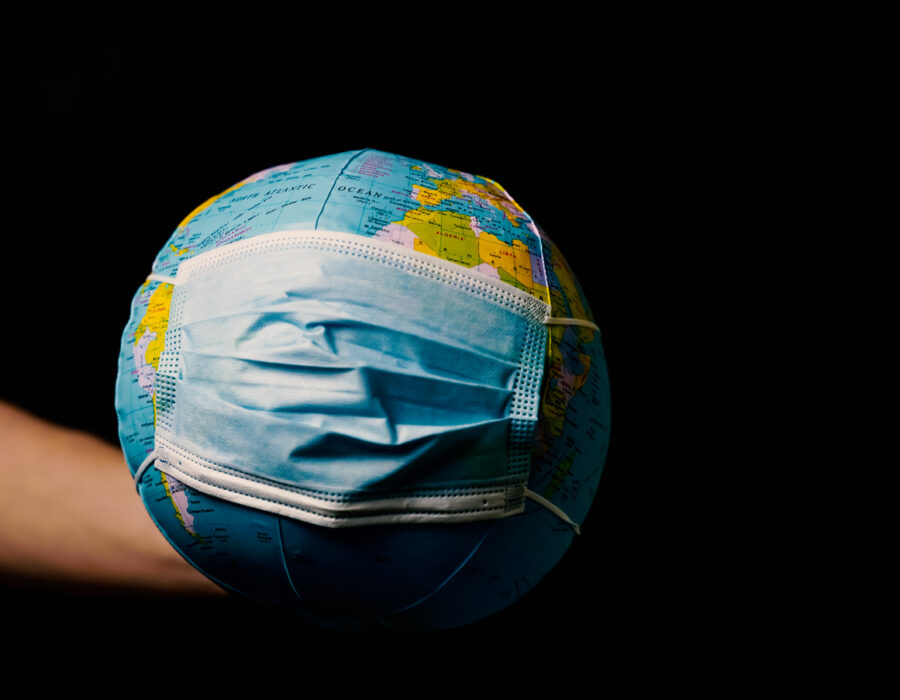
Climate Change Could Trigger the Next Pandemic—Scientists Warn Deadlier Diseases Are Emerging

Rising temperatures are turning the planet into a breeding ground for outbreaks we’re not ready for.

©Image license via iStock

Climate change isn’t just melting glaciers or fueling wildfires—it’s rewriting the rules of survival for every living thing on Earth. As ecosystems shift and collapse, viruses, bacteria, and the species that carry them are moving too. Animals that once lived far apart are now crossing paths. Pathogens are jumping between hosts. And diseases once locked in remote regions are gaining global reach. These aren’t vague predictions for the distant future. They’re unfolding now.

Scientists have been warning for years that rising temperatures could accelerate the emergence of new infectious diseases. But what’s changing isn’t just the climate—it’s the conditions that allow outbreaks to explode. From thawing permafrost to collapsing biodiversity, the ingredients for the next pandemic are already in motion. It won’t take a lab leak or bioterror event. It could take a bat, a mosquito, or a melting stretch of land. These 10 shifts reveal just how fast the threat is evolving.

Read more