Fighting with Your Partner Again? Say These 13 Things to Stay Curious—Not Cruel

Say this instead of screaming and defensiveness—and watch the whole mood shift.

©Image license via Canva

You know that moment in a fight when your heart’s racing, your voice is rising, and your brain’s basically hijacked? It’s like you’re suddenly starring in a drama you didn’t audition for. You say stuff you don’t mean—or worse, stuff you do mean but wish you didn’t say out loud. And afterward? Cue the guilt, silence, and emotional hangover. Relationships are hard enough without turning every disagreement into a verbal cage match.

But staying kind in the heat of the moment isn’t about stuffing your feelings or pretending you’re not mad. It’s about shifting from defense to curiosity, from “I’m right” to “What’s really going on?” That shift doesn’t come naturally in the middle of a blowup—but it can be learned. You just need the right words in your back pocket—phrases that help you stay grounded, connect more deeply, and stop the cycle before it spirals into regret.

Read more

This Isn’t Just Messy—10 Ways Hoarding Reveals a Mental Health Breakdown

Hoarding isn’t about stuff—it’s about what’s breaking inside.

©Image license via Canva

You might think it’s just a messy house—but what if it’s something far more serious? Hoarding isn’t just about having too much stuff or being a bit disorganized. If you’ve ever walked into someone’s home and felt like the walls were closing in from all the piles, odds are you sensed something deeper was going on. And you’d be right. When the clutter starts to take over every inch of space, it’s often not just a housekeeping issue—it’s a window into someone’s mental state unraveling behind the scenes.

You can’t always spot a breakdown by looking at someone’s face, but their surroundings might be screaming the truth. If you’ve ever watched a loved one live this way—or maybe you’re starting to see those signs in yourself—it’s important to know this behavior isn’t just eccentric or lazy. It’s a red flag. And ignoring it could mean missing a serious cry for help.

Read more

10 Scientific Shifts Happening in the Atmosphere That Will Change Life on Earth Forever

The air around us is transforming—and so is our future.

©Image license via Canva

Most of what’s changing in the atmosphere isn’t visible. You can’t see methane gathering or ozone shifting. You won’t feel an uptick in water vapor as it happens. But the air is no longer what it was—and these invisible shifts are already reshaping life below. As greenhouse gases accumulate and atmospheric chemistry evolves, everything from weather to agriculture to human health is being pushed into unfamiliar territory.

These aren’t distant forecasts. They’re active transformations happening now, tracked in satellite data and temperature trends, unfolding whether we look up or not. The atmosphere is Earth’s protective layer, its heat regulator, its oxygen distributor. And right now, it’s being destabilized in ways we’ve never seen before in human history. These first five shifts reveal just how much the sky is changing—and how deeply those changes will impact life on the ground.

Read more

We Thought We Were Saving Them—But These 12 “Conservation” Tactics Backfired

These well-meaning efforts ended up doing more harm than good.

©Image license via Canva

Conservation is supposed to be the fix. The course correction. The thing we do when we realize nature can’t recover without help. But sometimes, those well-meaning fixes have unintended consequences—big ones. Over the past few decades, governments, nonprofits, and scientists have launched conservation campaigns meant to protect species and restore balance. But not all of them worked the way we hoped. In some cases, they caused more damage than the problem they were meant to solve.

That doesn’t mean conservation is bad—it means it’s complicated. Ecosystems are delicate, interconnected, and often unpredictable. What works in one region might collapse in another. And sometimes, the very idea of “saving” a species overlooks the deeper issues driving decline in the first place. These first six examples show how good intentions don’t always lead to good outcomes—and why the planet needs more humility, not just more heroics.

Read more

Stop Wasting Money on “Natural” Cleaning Products—These 11 Everyday Items Work Even Better

Put your wallet away and just raid your own shelves.

©Image license via Canva

You don’t need a basket full of expensive, “non-toxic” sprays to clean sustainably. A lot of what you already own—maybe stuff collecting dust in a cabinet—can work just as well, without the mystery chemicals or plastic packaging. Whether it’s something from your pantry, medicine cabinet, or fridge, odds are you’ve got a few multi-tasking items that can tackle grime, cut grease, or disinfect naturally.

Eco-friendly cleaning doesn’t have to mean spending more—it can start with spending nothing. You’re not just saving money by using what you’ve already got; you’re keeping synthetic cleaners out of waterways, plastic out of landfills, and fumes out of your home. These first five items aren’t just clever hacks—they’re reminders that sustainability can be simple, practical, and surprisingly satisfying. If it’s sitting in your kitchen or bathroom already, it might be all you need to get started.

Read more

12 Things in Your Medicine Cabinet That Harm the Environment When Tossed

These everyday items turn toxic the second they hit the trash.

©Image license via Canva

Most of us don’t think twice about what we toss from the medicine cabinet. Expired pills? Gone. Half-used creams? Into the bin. But behind those quick tosses is a much bigger problem—one that’s quietly poisoning our water, soil, and even wildlife. Medications and personal care products aren’t like food waste or paper scraps. They don’t break down the same way, and they weren’t made with the environment in mind.

When these items end up in landfills or flushed down the drain, they don’t just disappear. Trace chemicals linger, leach, and sometimes bioaccumulate in fish, plants, and even our own drinking water. It’s not just about being wasteful—it’s about creating invisible harm in places you never meant to. You don’t need to overhaul your whole routine to make a difference. But knowing what not to toss in the trash is a good place to start.

Read more

Are We Too Stupid to Stop Climate Change? 11 Worrying Signs We Might Be

The planet’s on fire, and we’re arguing about plastic straws.

©Image license via Canva

We’ve known about climate change for decades. The science has been clear, the warnings have been loud, and the solutions aren’t a mystery. And yet—here we are. Record heat. Flash floods. Burning forests. Vanishing coastlines. Instead of coordinated global action, we get lukewarm pledges and trend-based distractions. Instead of rethinking entire systems, we argue over whose individual habits are worse.

This isn’t just a policy failure—it’s a cognitive one. We’re not processing the urgency, not updating our behavior, and not facing reality with the seriousness it demands. It’s not that we’re incapable of fixing this—we just might be too distracted, too fragmented, or too afraid to do what needs to be done. Every warning light is flashing, and we’re still pretending this is optional. These first five signs show just how disconnected our brains, behaviors, and priorities have become from the scale of the crisis we’re living through.

Read more

This $57 Million Disaster Is Poisoning an American Town—10 Alarming Facts That Expose It All

They buried the truth, blamed the victims, and walked away clean.

©Image license via Canva

The Dickerson incinerator was supposed to be shut down years ago. That’s what Montgomery County residents were promised—loud and clear—when County Executive Marc Elrich campaigned in 2018. But instead of retiring the aging facility, the county is now spending over $57 million just to keep it running. Repairs, upgrades, ductwork replacements—taxpayer money is being poured into a plant that residents say is slowly making them sick.

People in the nearby town of Dickerson have been raising alarms for years. They’ve reported foul smells, headaches, respiratory problems, and cancer clusters that seem too common to be coincidental. Still, the county keeps kicking the can down the road, claiming there’s no backup plan for the trash. The incinerator burns about 600,000 tons of waste every year—and chokes the surrounding air with it. Officials know. They’ve known for decades. But instead of investing in clean solutions, they’re patching up a toxic relic—and leaving residents to pay the price.

Read more

10 Ways to Talk to Young Kids About Climate Change Without Creating Fear or Guilt

These simple strategies will teach your child about the planet—and still let them sleep at night.

©Image license via iStock

You could accidentally traumatize your kid just by trying to save the planet. Sounds dramatic, but it’s true—and it’s way more common than you think. You want to raise a thoughtful, eco-conscious child, not one who’s lying awake at night panicking about melting ice caps or thinking the world is ending. The problem is, climate change is heavy stuff, and most kids aren’t equipped to handle all the scary details.

But avoiding the topic altogether isn’t the answer either. You’ve probably wondered how to strike the right balance—how to talk about the reality of what’s happening without dumping the weight of the world on their tiny shoulders. The good news is you can have this conversation in a way that’s honest, hopeful, and even inspiring. It just takes a little finesse, a lot of empathy, and the right mindset. You don’t have to be an expert—just a present, thoughtful parent.

Read more

Scientists Warn Sleep Apnea Is Rising With the Temperature—And You’re Not Immune

You might not snore now, but climate change could change that.

©Image license via Canva

It’s easy to shrug off sleep apnea as something that only affects older men or heavy snorers. But that’s outdated thinking—and dangerously so. As global temperatures rise, more and more people are developing sleep-related breathing issues they never had before. The nights are hotter, the air feels heavier, and our bodies are struggling to keep up. The worst part? You might not even realize it’s happening until exhaustion starts taking over your life.

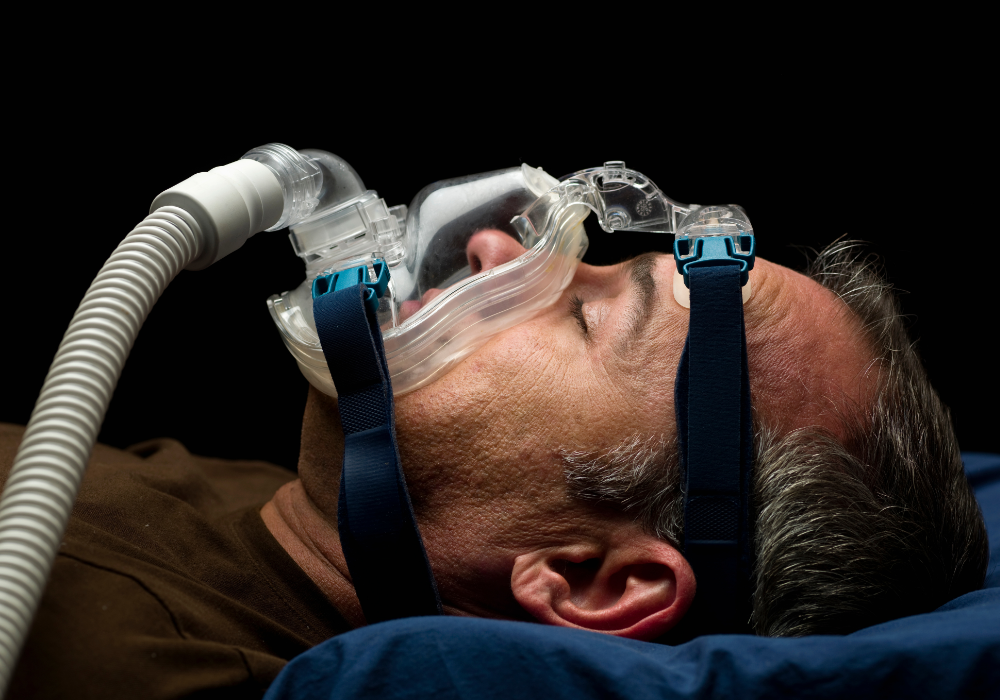
Sleep apnea isn’t just about snoring. It’s about your brain not getting the oxygen it needs—over and over again, all night long. And while it used to be linked mostly to weight or anatomy, researchers are now sounding the alarm: environmental changes are turning this into a public health crisis. You don’t need to have a CPAP machine next to your bed (yet) to be affected. The signs are creeping in sooner, and for more people.

Read more