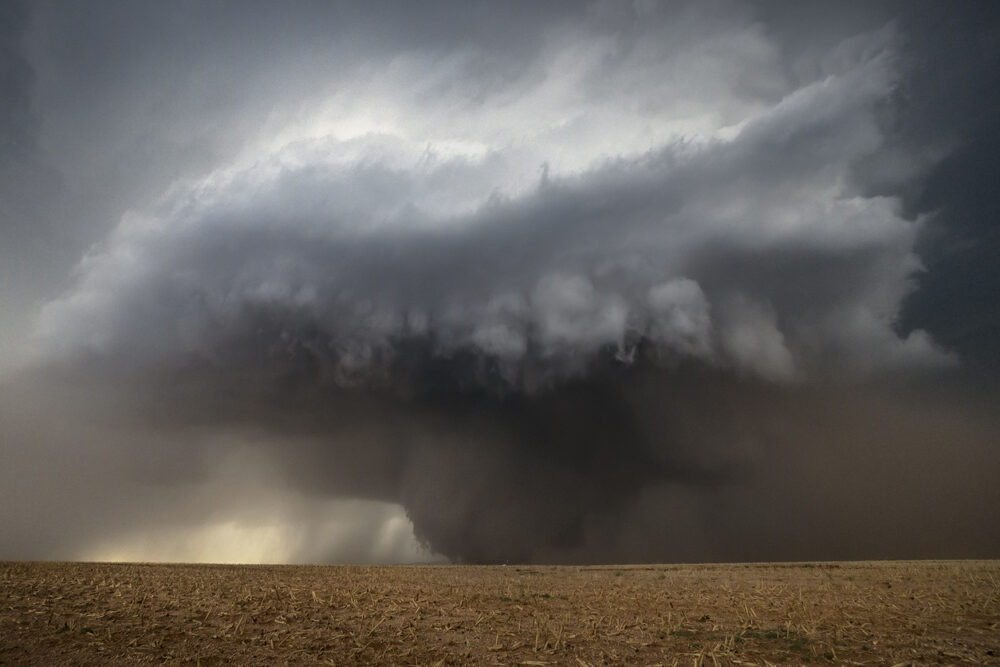
13 Strange Truths About Our Planet That Sound Totally Made Up (But Aren’t)

These bizarre facts will make you question everything you thought you knew about Earth.
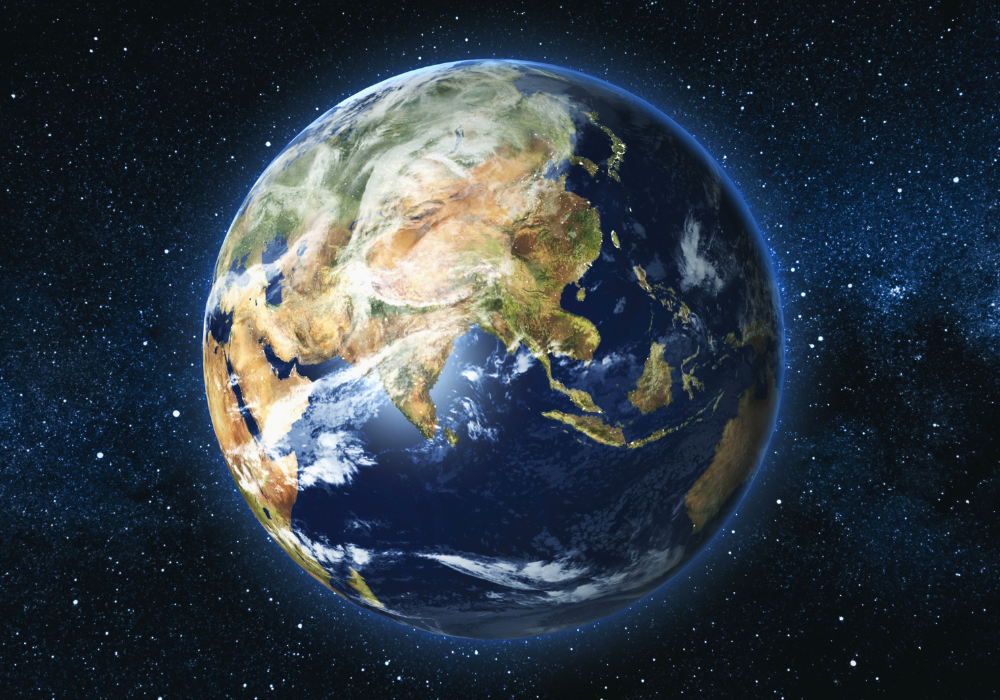
©Image license via Canva

You’ve been living on Earth your whole life, but you barely know it. You might think you’ve got the basics down—oceans, mountains, a spinning globe in space—but the truth is, this planet is packing secrets that sound more like sci-fi than science. The kind of stuff that makes you stop mid-scroll and go, “Wait, that’s real?” It’s easy to assume we’ve already uncovered all the Earth’s mysteries, but nope. Some facts are so bizarre they feel like a prank from nature itself. And once you hear them, you’ll never look at the ground beneath your feet—or the sky above you—the same way again.

So much of what we think we know is just scratching the surface, and the deeper you go, the weirder it gets. You’re in for a wild ride through the unexpected, the unbelievable, and the downright strange—and every last bit of it is true.
Read more

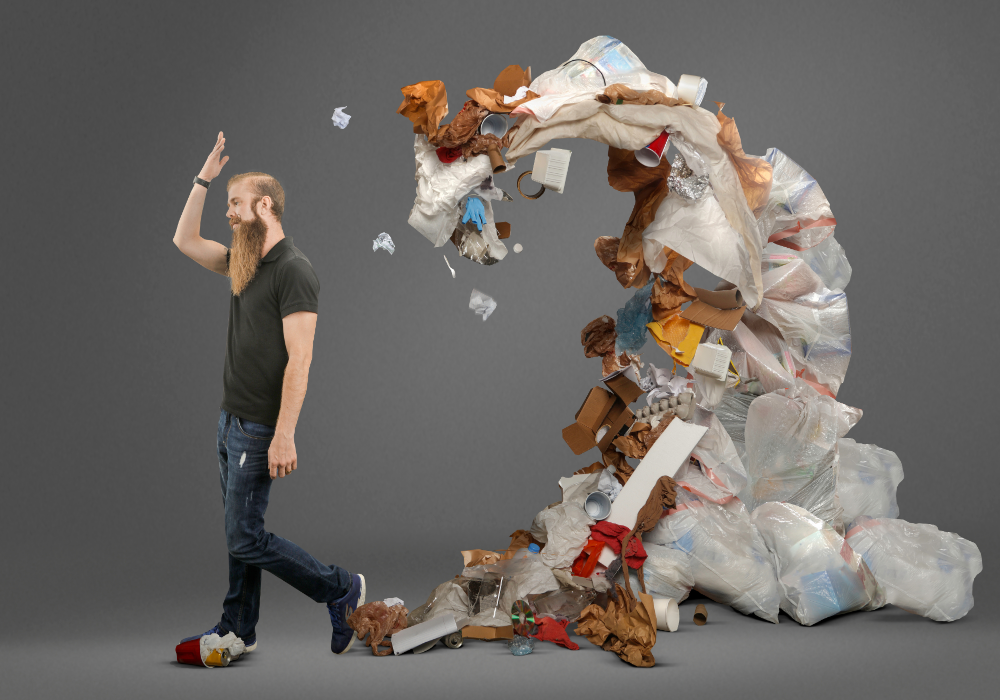
The Real Cost of Our Throwaway Culture— 11 Things Experts Fear Will Happen By 2050

Our obsession with convenience is quietly setting the planet up to fail.

©Image license via iStock

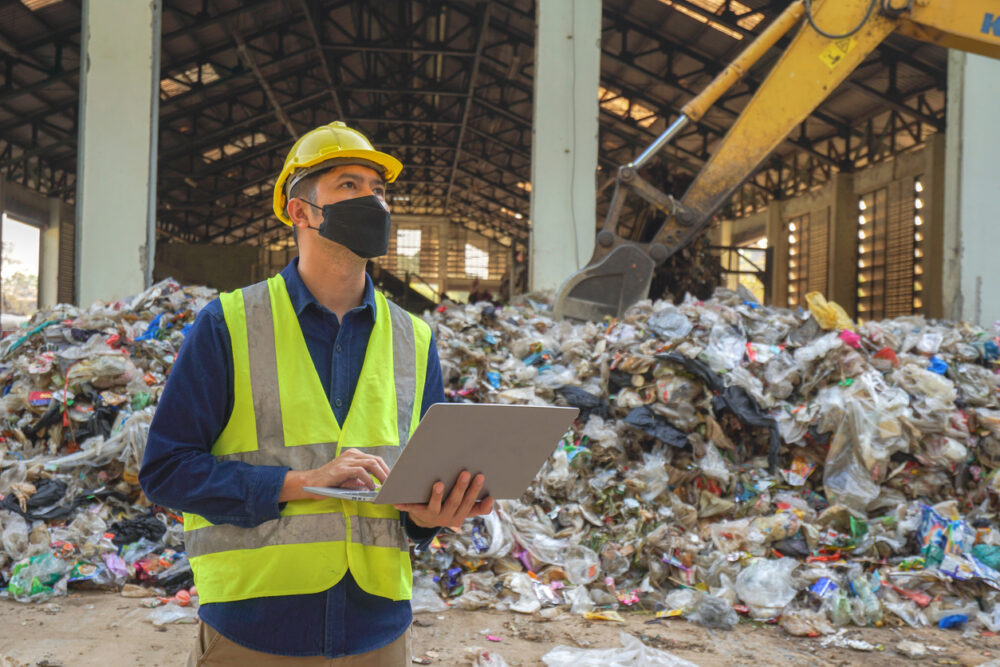
You probably don’t think twice when you toss something “away”—but what if away doesn’t really exist? Every time you chuck a broken gadget, a takeout container, or a fast fashion impulse buy, it doesn’t just vanish into thin air. It lingers somewhere, piling up with everyone else’s castoffs in a growing mountain of waste we’re pretending we don’t see. And yeah, maybe it feels small. Just one plastic fork. Just one more Amazon box. But zoom out a little, and the picture gets seriously uncomfortable. Our throwaway culture isn’t just wasteful—it’s setting the stage for long-term fallout that experts are increasingly freaked out about.

We’re talking about changes that could hit home in ways that affect your health, your wallet, and your future. You might not see the full impact yet, but the trajectory we’re on has some serious consequences. And by 2050? Some of those consequences may be irreversible. You can ignore it for now, but the bill is coming due—and it won’t be cheap.

Read more

You’re Not Eating What You Think—10 Lies Behind the Food Industry

You’re making the best choices you can—with the worst information.

©Image license via Canva

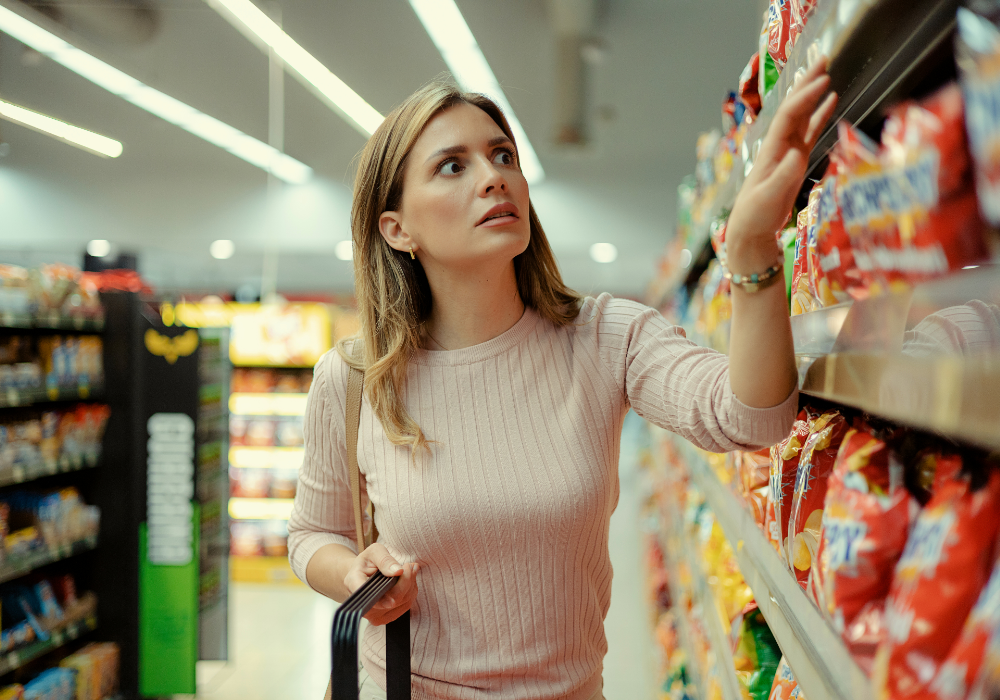
You’re not imagining it—grocery shopping feels like navigating a minefield. Packaging screams “organic,” “natural,” “heart-healthy,” and “eco-friendly,” but the more you look into it, the more it all starts to unravel. You think you’re buying clean, responsible food, but most of the time you’re just buying good marketing. The truth is, the food industry has mastered the art of manipulation. It’s not just misleading—it’s designed to keep you confused.

Companies know you’re trying. They count on it. That’s why they bury harmful ingredients behind scientific names, stretch the rules on label claims, and lean hard on imagery to sell a vibe, not a fact. You’re doing your best with the info you’ve got—but that info is often incomplete by design. Pull back the curtain, and the whole system starts to look a lot more suspicious than nutritious.

Read more

The Hustle Started in High School—11 Signs It Never Stopped

You thought you’d slow down after college, but you only picked up speed.

©Image license via Canva

Some people left the grind behind after finals week. Others slowed down after their first real job. But for those who started hustling way too early, it’s like something got wired into your brain that never shut off. You were juggling extracurriculars, part-time jobs, late-night studying, and a social life all before you even had a diploma. And once that switch flipped, it never really turned off.

Now you might be the person who answers emails at midnight, picks up extra shifts “just in case,” or adds another side project to your already overloaded calendar. Slowing down sounds great in theory—but your nervous system never got the memo. Even when you’re resting, your brain is running laps. If you’ve ever wondered why you can’t relax like other people or why free time makes you anxious, this might be why. The hustle didn’t end after high school. It just shape-shifted.

Read more

Your Vacation Photos Come at a Cost—12 Tourist Habits Locals Are Begging You to Stop

You’re not being “harmless”—you’re making their home harder to live in.

©Image license via Canva

Visiting somewhere beautiful doesn’t make you the main character. It just makes you a guest—and too many people forget that the second they step off the plane. The shops, the streets, the scenic spots you saw on Instagram? They’re not just vacation backdrops. They’re where people live, work, raise kids, and try to find peace in places that are being overrun.

The worst part is, most travelers don’t even realize they’re doing damage. It’s not just the obnoxious influencers blocking walkways or the drunk tourists yelling at midnight. It’s the tiny things that pile up—littering, driving up rents, crowding sacred spaces, treating locals like scenery. It’s easy to think your impact is small when you’re only there for a week. But the ripple effects stretch far beyond your itinerary. Locals are asking for change. The question is whether tourists will listen.

Read more

You’re Wasting Money and Plastic on These 10 Refillable Products

Tossing and rebuying these products is burning your cash and trashing the planet.

©Image license via Canva

You probably bought that reusable bottle, refillable cleaner, or eco-friendly soap pump with good intentions. It felt like a smart choice—less waste, more value, maybe even a step toward a lower-impact lifestyle. But somewhere along the way, the habit didn’t stick. You used it once, maybe twice, and the next time it ran out? You just bought another new one.

This isn’t about shame—it’s about the trap we’ve all been set up to fall into. Brands talk a big game about sustainability, but they still profit more when you replace instead of refill. Convenience wins. Refills are often hidden on bottom shelves or priced nearly the same as new items. And slowly, the pile of plastic and pointless spending adds up. Not because you’re doing anything wrong—but because the system is designed to keep you on autopilot.

Read more

11 Ways Society Pushes People Toward Protests Without Even Realizing It

It’s not “bad” people—our systems are quietly breaking their spirits.

©Image license via iStock

You don’t have to be watching the news 24/7 to feel something big is breaking. What’s happening on the streets of Los Angeles right now isn’t just about immigration crackdowns or a few chaotic nights. It’s deeper. It’s decades of pain bubbling up all at once—grief, rage, exhaustion—all of it spilling out where cameras can finally see it. People aren’t snapping out of nowhere. They’ve been stretched thin for years, living in communities gutted by poverty, ignored by leadership, and brutalized by systems that were supposed to help.

Anger doesn’t just happen—it builds, layer by layer, each policy failure and broken promise adding weight. And when you can’t scream loud enough to be heard, sometimes the only option left is to break something. That may sound extreme in a society that values property over people’s pain, but for some, it’s the only way to make the world look in their direction. If you want to understand the protests, you have to understand what led to the spark.

Read more

You’re Not “Spoiling” Yourself—These 12 Indulgences Actually Make Life Easier

Survival doesn’t have to be stripped-down and joyless.

©Image license via Canva

Indulgence gets a bad reputation, especially when it’s tied to anything soft, pretty, or quiet. You hear it all the time—self-care framed as a treat, a reward, a break from “real” life. But what if the things that feel luxurious are actually what keep you grounded? When the world runs on burnout, overstimulation, and constant discomfort, building little oases of ease isn’t excess. It’s protection.

There’s nothing frivolous about soft towels, cold drinks, or clean sheets. Comfort is a strategy—one that helps you recover, focus, and face whatever’s next. These aren’t guilty pleasures. They’re tools. Whether it’s a heated blanket or noise-canceling headphones, some of the best so-called “indulgences” are the ones that make everything else more manageable.

Read more

11 Ways Superstorms Are Becoming the New Normal (And What It Means for You)

What used to be a once-in-a-century storm now hits every few years.

We©Image license via iStock

You used to watch hurricane footage on the news and think, “Wow, glad that’s not happening here.” But now? It’s knocking on your door—or flooding your basement. Superstorms have stopped feeling like freak events and started acting like seasonal visitors. And they don’t just pass through with a little wind and rain anymore. They linger, they level, and they leave entire regions scrambling to recover. It’s not just the coastal towns getting pummeled, either. Inland cities, suburbs, farmland—they’re all in the splash zone now. And when you add in hotter oceans, melting ice, and wilder jet streams, it’s clear something’s seriously out of whack.

You’re not just dealing with a bad storm—you’re watching the definition of “normal” shift right under your feet. It’s unsettling. It’s exhausting. And if you haven’t already felt the impact, chances are you will. Because this isn’t just climate change. It’s a full-blown wake-up call.

Read more

You Can’t Compost Your Way Out of These 11 Wasteful Habits

Cutting waste means changing habits—not just swapping bins.

©Image license via Canva

Composting feels like an eco badge of honor. Toss your scraps in the right bin, and suddenly your impact shrinks—right? Not exactly. Composting is great, but it’s not a get-out-of-trash-free card. A lot of waste happens before anything reaches the bin. From how we shop to what we use once and toss, waste is often baked into our routines long before it turns into a peel or wrapper.

The problem isn’t just the final destination of your waste—it’s the systems that produce it and the habits that reinforce it. Composting can’t undo the plastic that came with your produce, the food you forgot in the fridge, or the packaging-heavy impulse buy. It’s a useful tool, but only one piece of the puzzle. If we want to actually reduce waste, we have to start upstream—before we even think about the bin. These habits reveal where composting just isn’t enough on its own.

Read more