NASA’s Webb Telescope Found a New Moon Around Uranus

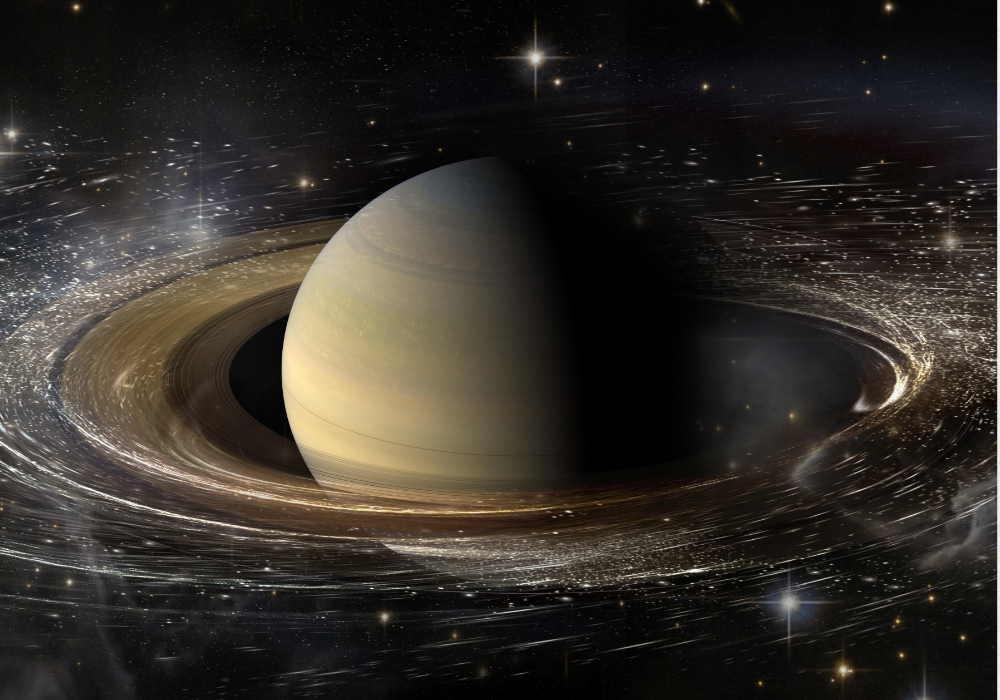
The discovery adds to the 27 moons already orbiting the distant ice giant.

©Image license via Canva

NASA’s Webb Telescope has identified a new moon orbiting Uranus, expanding our understanding of the planet’s extensive satellite system. This discovery, enabled by Webb’s advanced imaging technology, highlights the telescope’s ability to detect faint and distant celestial objects. Studying this small moon adds valuable data about Uranus’s gravitational environment and offers fresh insights into the evolution of the outer solar system.

Read more

Stephen Hawking’s Chilling Predictions About How the World Could End

From AI to climate change, the physicist warned of dangers humanity may face.

©Image license via Wikimedia Commons

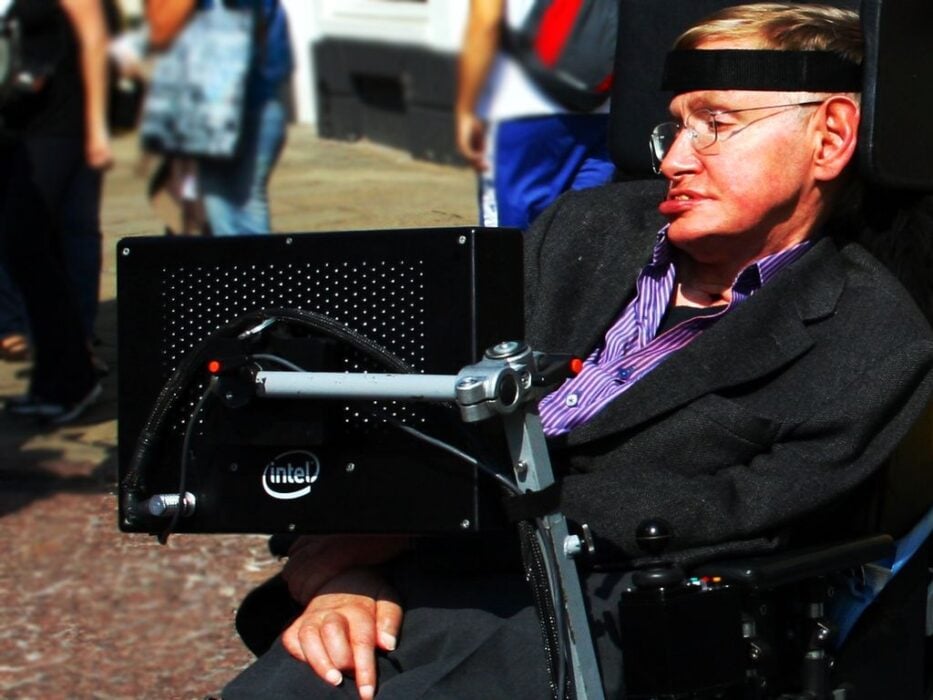
Stephen Hawking was one of the most brilliant minds of our time, but he didn’t just study black holes and the universe—he also warned about humanity’s future. In interviews and lectures, he highlighted real threats that could one day end life on Earth. From artificial intelligence surpassing human control to nuclear conflict and climate change, Hawking believed our survival depends on how we respond to these dangers. He urged scientists, leaders, and everyday people to take action, reminding us that the fate of humanity may rest in our own hands.

Read more

Is Climate Change Making Our Weather Weird? Scientists Explain

Discover the key climate factors behind unusual weather patterns and their complex interactions.

© Image license via iStock

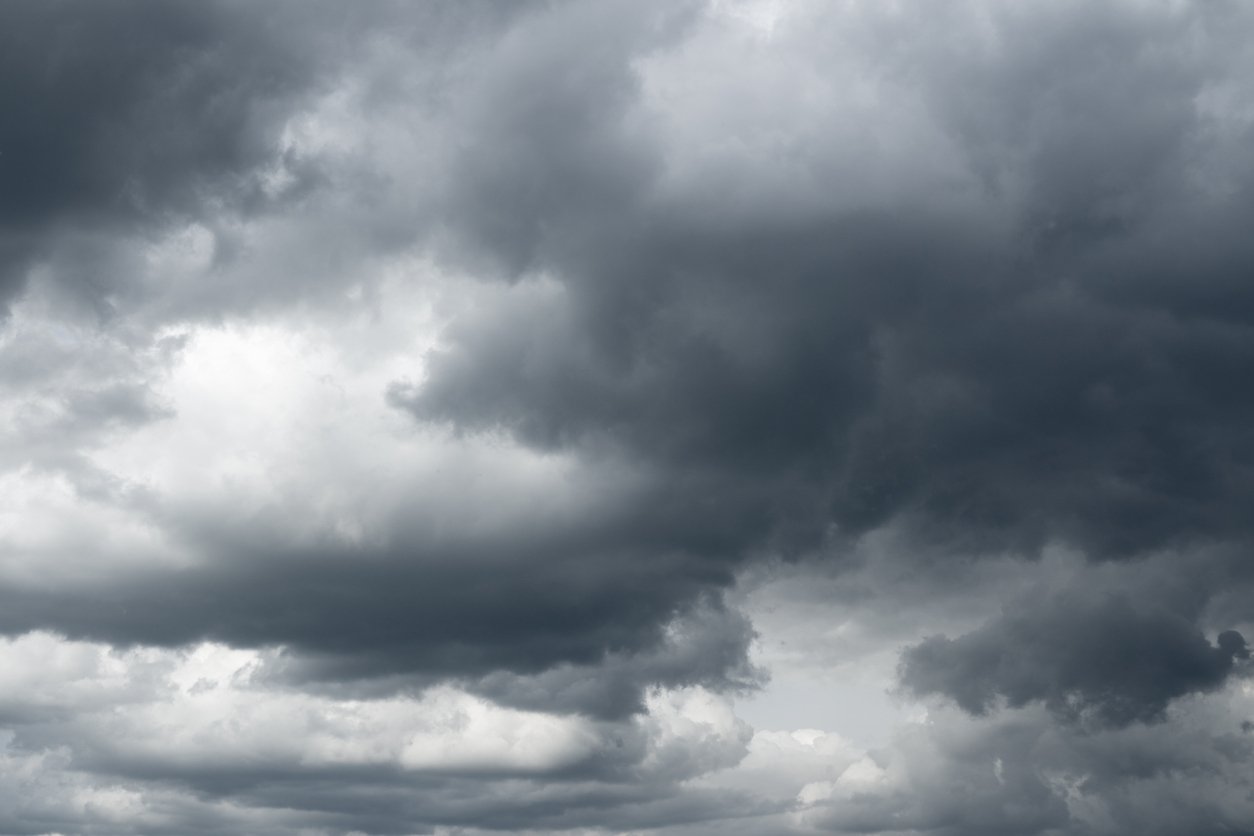
Unusual weather patterns often puzzle many observers, but their roots lie deep within Earth’s climate systems. From shifting jet streams to rising ocean temperatures, multiple interconnected factors influence these changes. Understanding how climate change, natural variability, and human activities affect weather helps explain why certain patterns emerge. Trusted sources like NOAA and NASA provide essential insights into these complex climate connections shaping our environment.

Read more

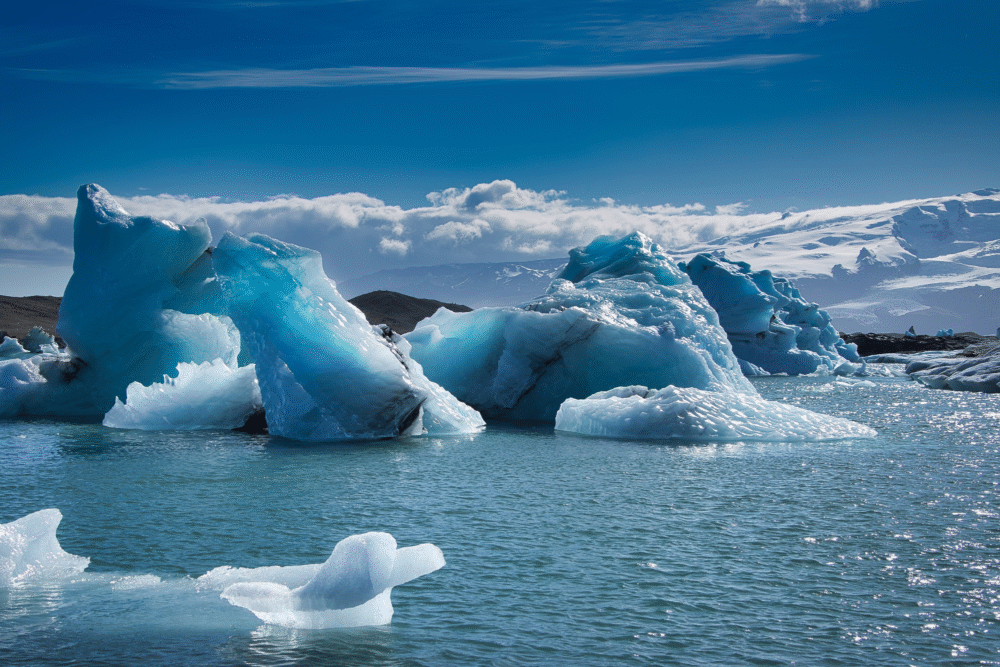
If Antarctica Melts Faster Than Expected, the World Could Change Forever

Experts say faster Antarctic melt could reshape coastlines and displace millions.”

Glacial lake, massive blue-white icebergs, wide view, soft daylight, editorial travel photo, no people.
©Image license via Canva

Antarctic ice melt affects more than just the polar region; it has far-reaching consequences worldwide. Rising sea levels from melting ice threaten coastal cities, disrupt ecosystems, and alter ocean circulation patterns. These changes intensify extreme weather, affect freshwater supplies, and challenge biodiversity. Monitoring and understanding these impacts are crucial to managing climate change risks and protecting both natural and human systems.

Read more

What If Your Memories Could Live On Without You?

New research raises eerie questions about where memories may truly exist.

©Image license via Canva

What if memories aren’t locked inside your brain after all? Some researchers are beginning to explore the unsettling idea that experiences may be stored or echoed beyond the mind. Neuroscientist Dean Radin has suggested that memory could extend outside traditional brain activity, challenging how we think about consciousness itself. While the concept sounds more like science fiction than fact, early studies are raising questions that make even experts pause—and hint that our memories may not vanish quite the way we’ve always assumed.

Read more

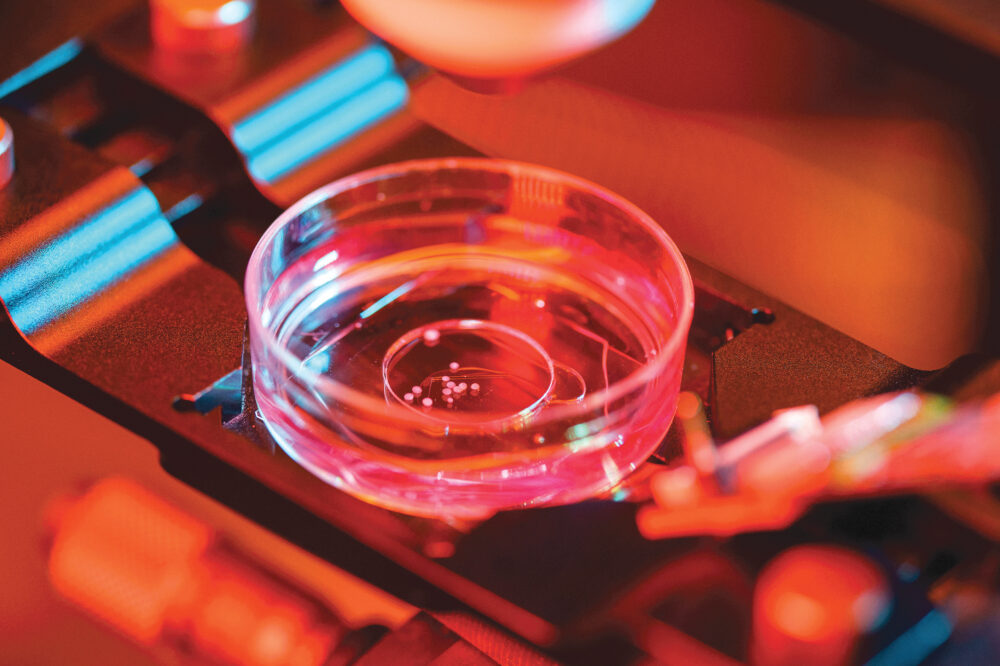
Scientists Warn Synthetic Lifeforms Could Pose Serious Risks

Breakthroughs in synthetic biology spark urgent debate over safety and control.

©Image license via Jacobs School of Engineering, UC San Diego

Synthetic biology is one of the fastest-growing fields in science, with researchers engineering new lifeforms that can produce medicines, clean up pollution, and even generate sustainable fuels. But alongside these breakthroughs, scientists are voicing concerns. Experts warn that lab-created organisms could behave in unpredictable ways, potentially spreading beyond intended environments or being misused. A recent report from the National Academies of Sciences highlighted the need for strong safeguards. While the technology holds enormous promise, researchers say global oversight is critical to ensure synthetic lifeforms don’t create unintended risks.

Read more

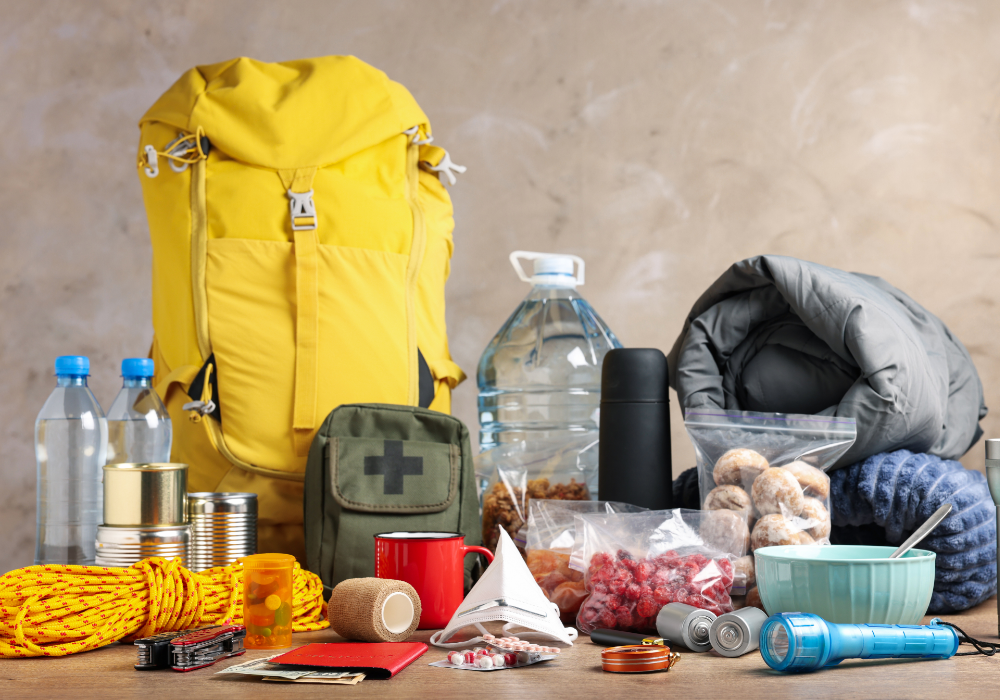
12 Things Missing From Your Car That Could Leave You Stranded

A sudden storm or breakdown can turn dangerous fast—experts say these essentials could make all the difference.

©Image license via Canva

Being caught in a weather emergency while driving can be stressful and dangerous without the right supplies. Equipping a car with essential emergency items improves safety and comfort during unexpected situations. Experts from the FTC, NHTSA, CPSC, and FEMA recommend carrying a well-rounded kit that includes tools for visibility, warmth, communication, and basic repairs. Proper preparation ensures drivers can respond effectively to various weather-related challenges on the road.

Read more

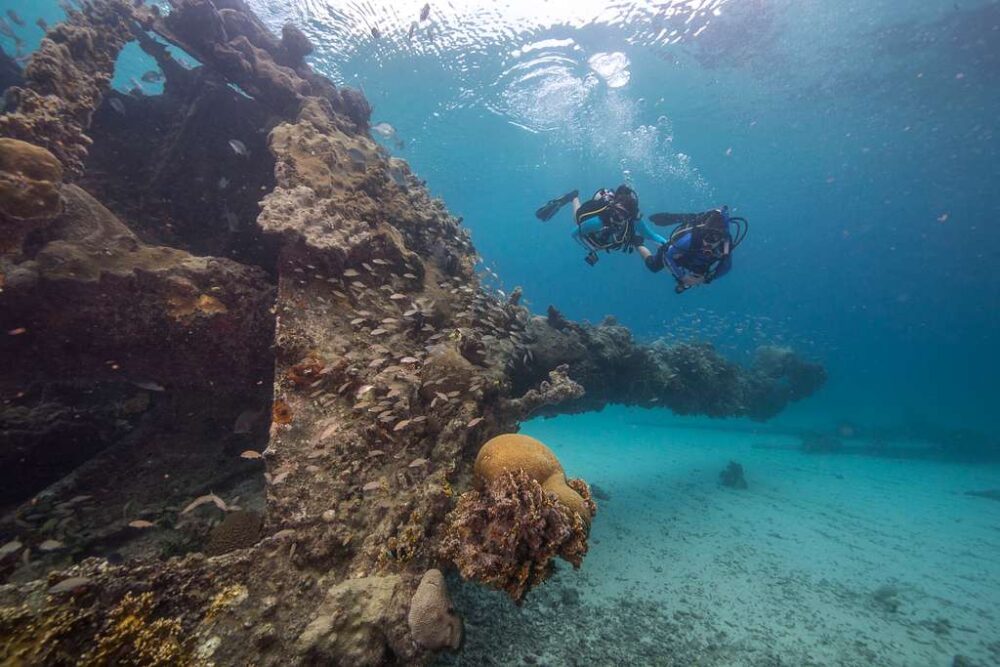
Deepest Shipwreck Ever Found in France Reveals Stunning Secrets

Resting 2.5 kilometers beneath the Mediterranean, a 16th-century vessel near Saint-Tropez is rewriting shipwreck history.

©Image license via Picryl

Far beneath the blue waters of the French Riviera, scientists have uncovered a shipwreck unlike any other. Resting more than 2.5 kilometers (8,200 feet) below the surface near Saint-Tropez, the 16th-century merchant vessel known as Camarat 4 is the deepest wreck ever found in French waters. Its discovery is rewriting maritime history, offering a rare glimpse into an era when trade, exploration, and risk were tightly bound together. Each artifact recovered tells a story, yet much of the vessel’s past still remains hidden in the deep

Read more

Study Warns Most of Earth’s Land Faces Serious Risk

Experts warn Earth’s land is reaching dangerous tipping points.

Asia from space, landmass focus, Earth centered full view, deep black with stars, documentary style image, no people.
©Image license via Canva

A new study published in Nature Sustainability warns that the majority of Earth’s land could be at serious risk from climate change, deforestation, and human development. Researchers found that ecosystems across every continent are approaching tipping points where recovery may no longer be possible. While the exact impacts will vary, the study suggests that rising temperatures, shifting rainfall, and expanding agriculture could permanently transform landscapes. Scientists say urgent action is needed to slow these trends before large portions of the planet become unable to support life as we know it.

Read more

12 Yard Hazards That Could Burn Your Home to the Ground

From stacked firewood to dry leaves, small choices in your yard can create big dangers when flames spread.

©Image license via Canva

Wildfires don’t just threaten forests—they can put your home at risk, too. The truth is, many everyday things sitting in your yard can act like fuel when flames get close. From certain plants to piles of debris, what seems harmless can actually make a fire spread faster. Knowing what to look out for is the first step. With a little yard work and smarter landscaping, you can cut wildfire risk and give your home a much better chance of staying safe.

Read more